On 17 April we should take a trip – but through the linguistic landscape. Why? Because you can then discover that the names of many towns and areas constitute a living record of the beginnings of Polish statehood. The Polish language retains echoes of events from over a thousand years ago, encoding ancient ideas, ideals and the social structure of Slavic communities in toponyms.
Values hidden in names
Examples can be found, among other things, in the names of cities derived from Old Slavic two-part names, which reflected important values for ancient communities. Names such as Kazimierz, Lutomierz and Sandomierz echo the idea of peace, Racibórz – of struggle, Wojciechów – of bravery, while Bydgoszcz and Radgoszcz – of hospitality. These are not only geographical names but also traces of ancient systems of meaning and ways of thinking about the world.
The Baptism of Poland and the new state order
The baptism of Mieszko I in 966 laid the foundations for Polish statehood, combining political and religious dimensions. This act also had groundbreaking civilisational and cultural significance, integrating Poland into the sphere of Latin culture, and with it, into the circulation of writing, education and new forms of social organisation. Baptism fostered the centralisation of power. The developing court and church structures required an economic and artisanal base. It was in this context that the so-called service villages, whose specialisations survive in their names to this day, operated.
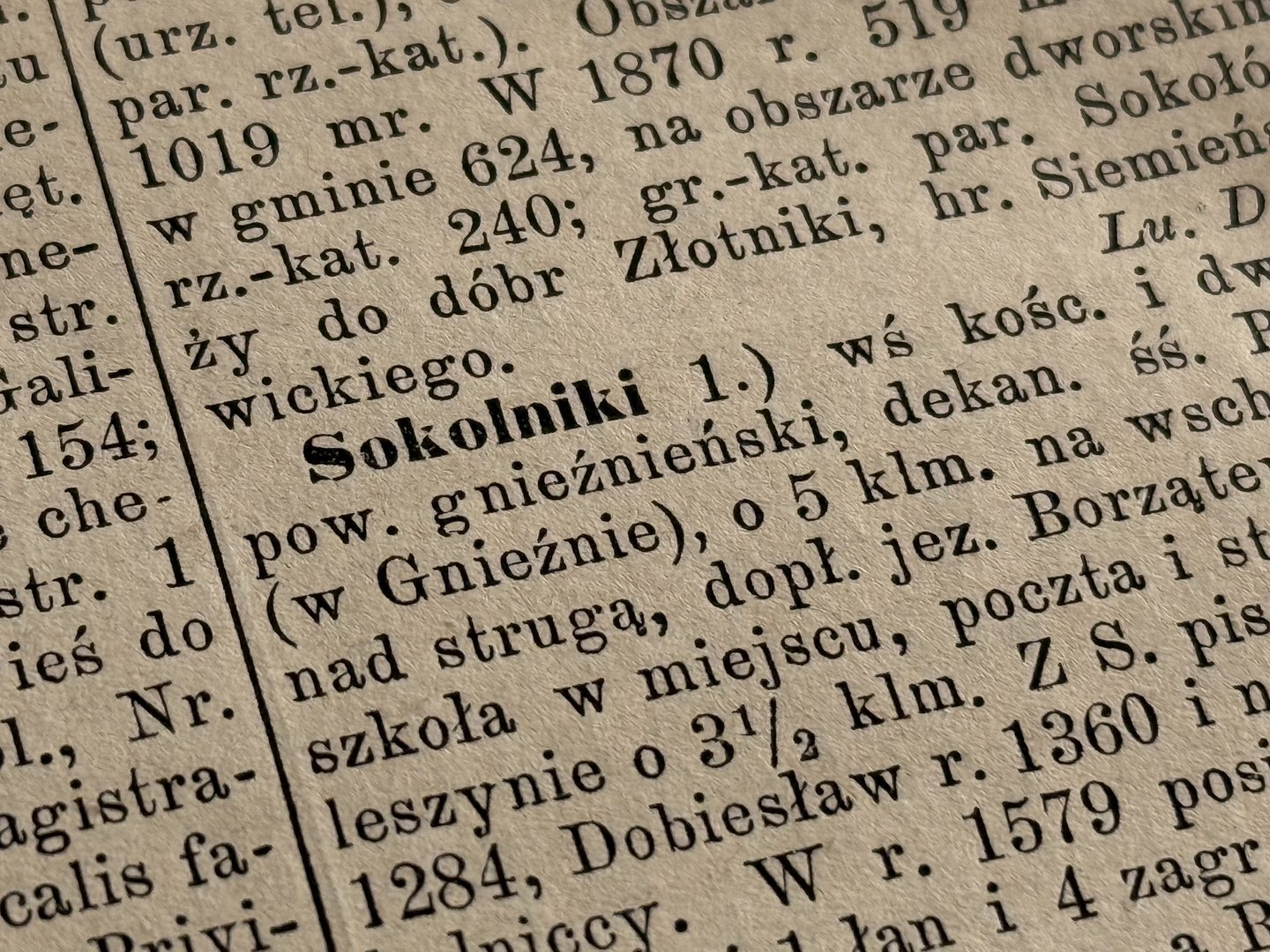
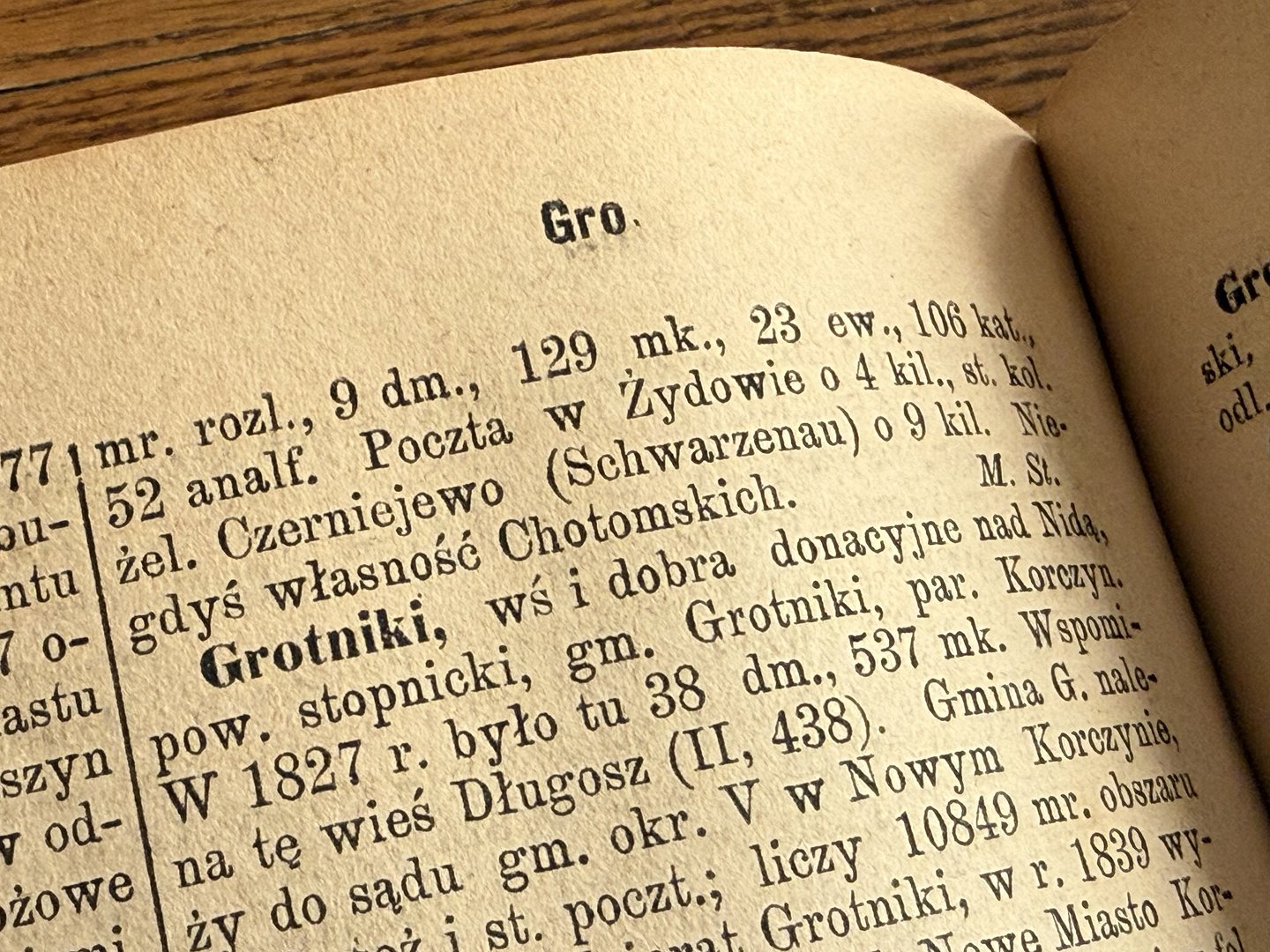
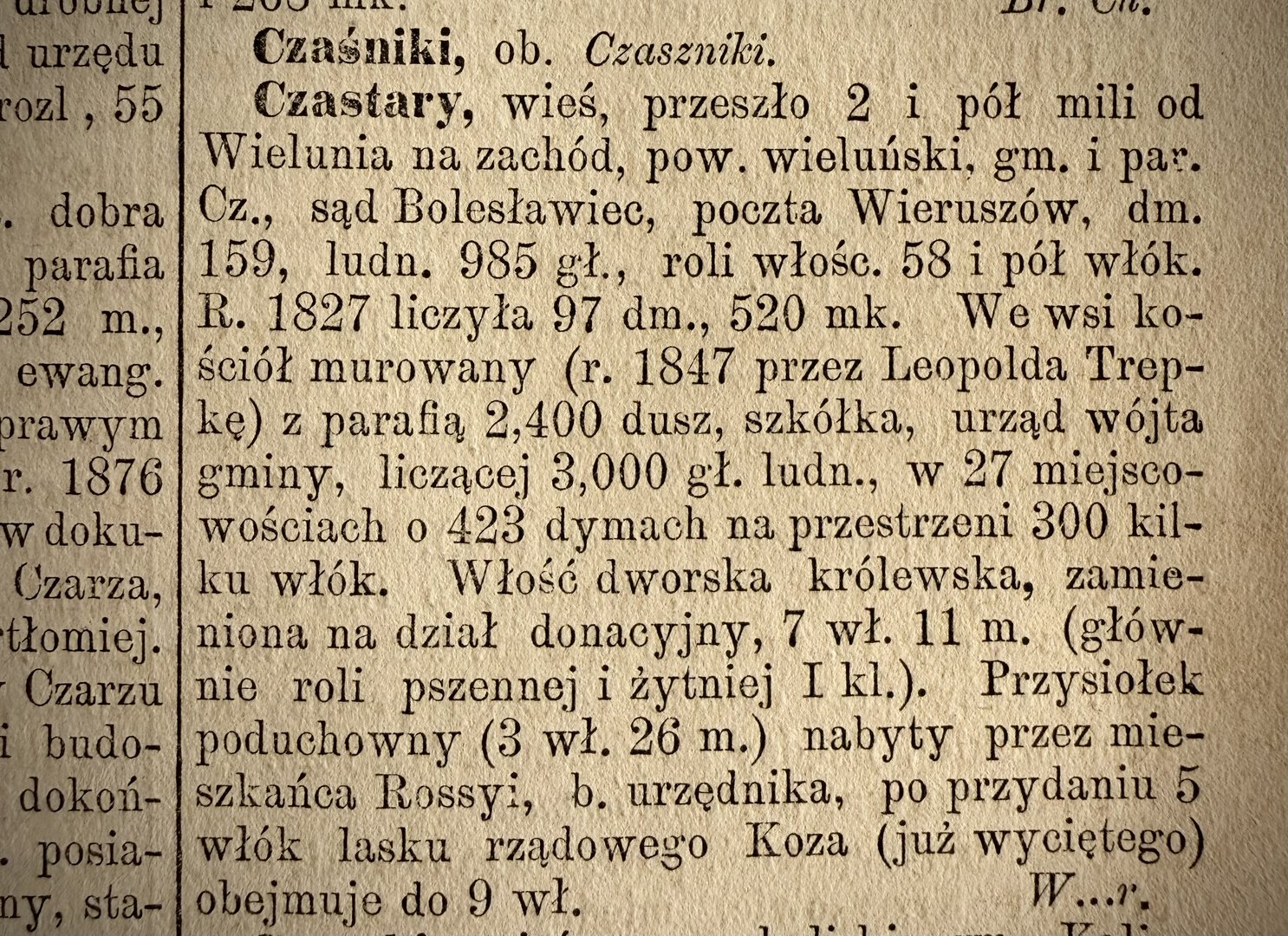
Names such as Czastary (roadmen), Grotniki (an arrowhead in Polish is “grot”– arrowhead makers), Kobierniki (an old-fashioned word for a carpet in Polish is “kobierzec” – carpet makers), Piekary (to bake in Polish is “piec” – bakers), Skotniki (cattle breeders) and Sokolniki (a falcon in Polish is “sokół” – falcon breeders) are reminders of how strongly the organisation of work and everyday life of the early state were imprinted on the language. The earliest history also lives on in microtoponyms – unofficial names for fields, forests, meadows and wilderness areas, such as Uroczysko Łagiewniki or Las pod Sokolnikówmi. These small, often local, place names are a valuable component of our culture and collective memory.
Where to look next?
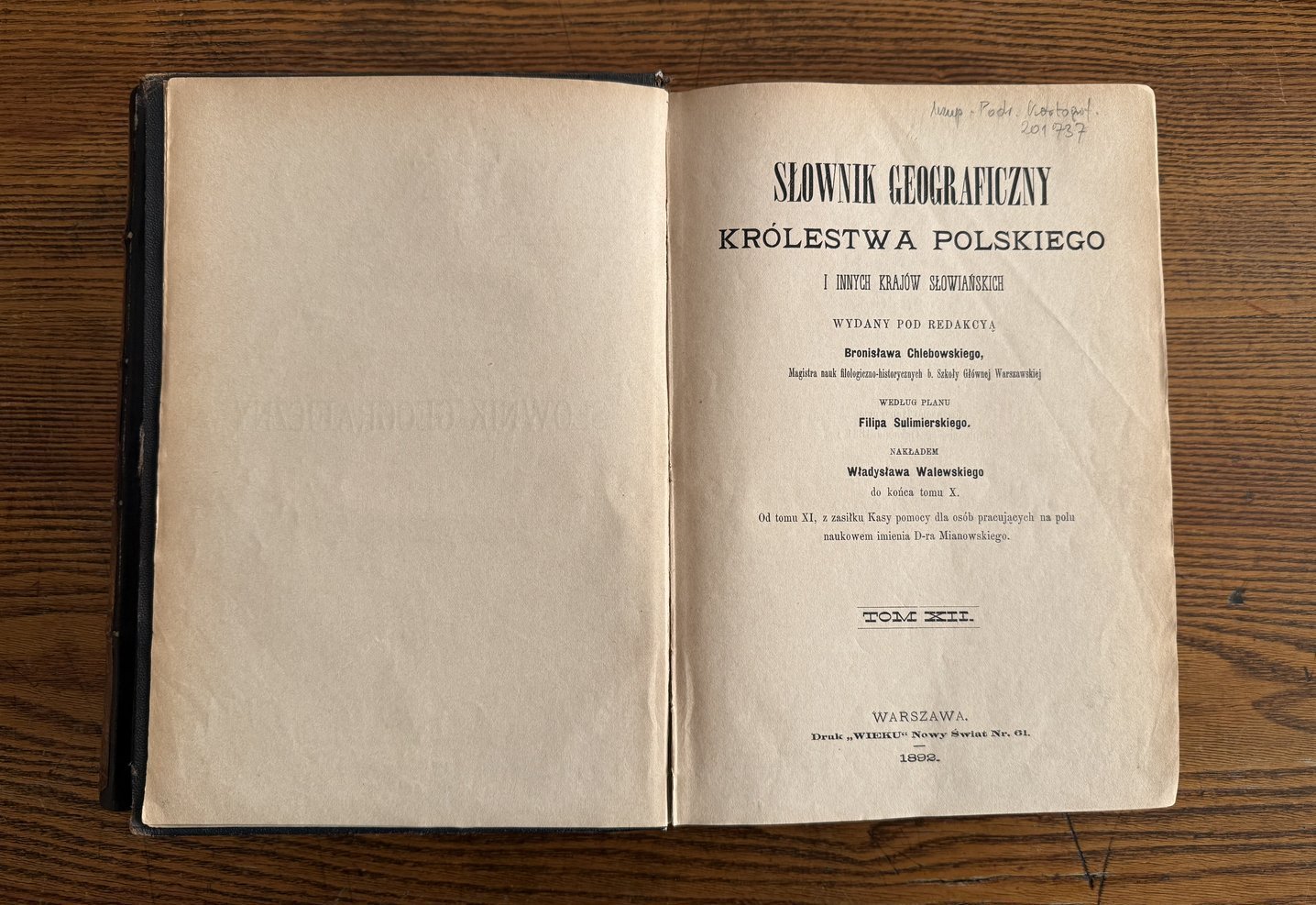
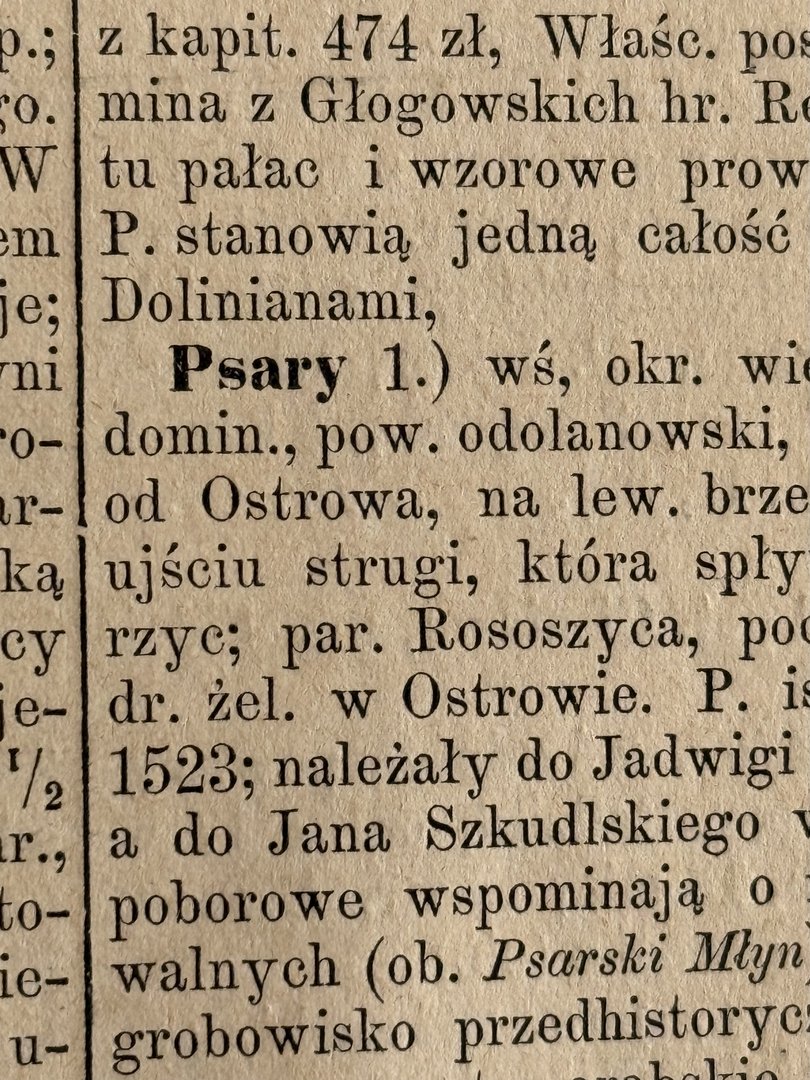
Those interested in researching the history of their local area can find two particularly useful resources. The first is the "Słownik geograficzny Królestwa Polskiego" [Geographical Dictionary of the Kingdom of Poland] – a monumental historical and geographical compendium from the turn of the 20th century. The second is the University of Lodz's digital microtoponym database "Mikrotoponimy", a unique archive of local names developed as part of the "Słownika nazw terenowych Polski" [Dictionary of Local Names of Poland] digitisation project.
History that endures in language
The Baptism of Poland is a good opportunity to look at history not only through the prism of important dates and figures but also through the language we use to describe the space around us. It turns out that sometimes it's the names of places that preserve the most enduring memories of our origins.
Source: The University of Lodz Library
Edit: Centre for Brand Communications, University of Lodz