Dr hab. Aleksandra Nowakowska, Associate Professor at the University of Lodz, dr hab. Mariusz Sokołowicz, Associate Professor at the University of Lodz, and Dr Jakub Zasina from the Department of Regional Economics and Environment, University of Lodz sought to answer this question. To this end, they have examined the city of Lodz, where they conducted a study among representatives of the creative class. Their findings have just been published in the "Cities" journal.
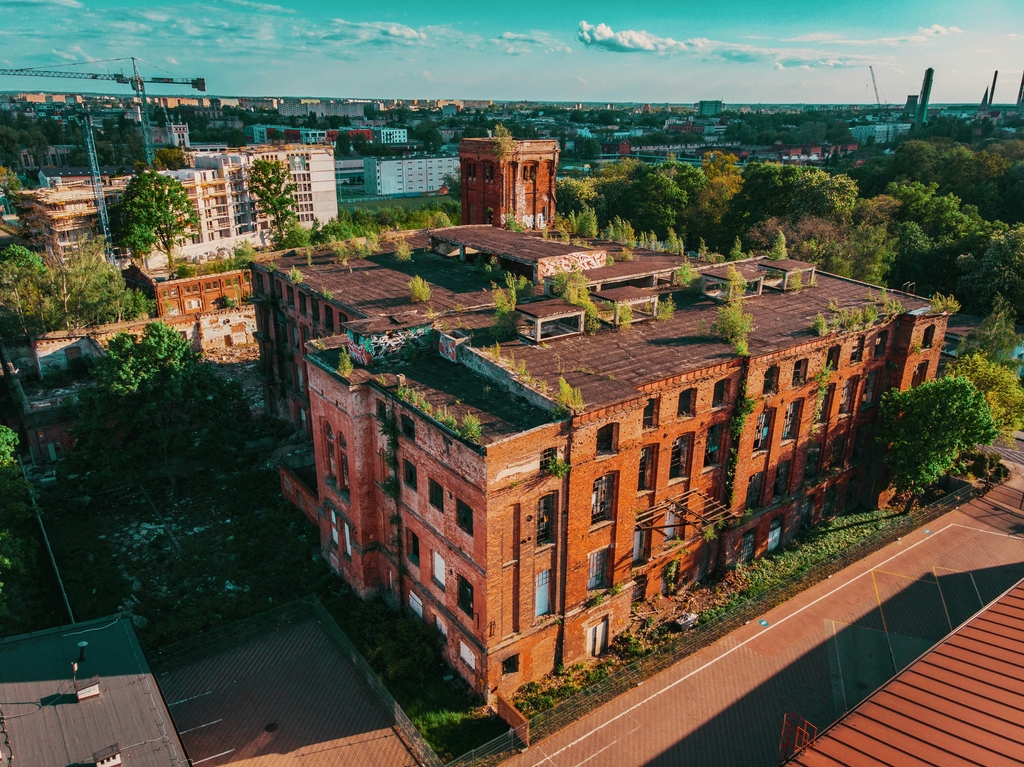
The authors of the paper point out that, from the perspective of the creative class, Lodz's heritage is a combination of industrial-era architecture, film and artistic traditions as well as the city's working-class profile. However, the economic role of Lodz's heritage, understood in this way, is ambiguous in their view. In short, although creative individuals perceive Lodz's heritage as a source of inspiration, openness, trust and cooperation, they also interpret some of its elements as a stigma limiting the city's economic development.
On this basis, the authors point out that understanding the cultural heritage of post-industrial cities should go beyond material artifacts and also include many intangible elements, such as consumer behaviour and entrepreneurial attitudes of the local population, or the atmosphere of a place. The analytical framework proposed by the authors, which links the concept of cultural heritage with that of territorial capital, can help in this regard.
This study was carried out as part of the IDUB project entitled "Kapitał terytorialny Polski w wymiarze niematerialnym - nowe metody badań i narzędzia polityki rozwoju" [Poland's Territorial Capital in the Intangible Dimension – New Research Methods and Development Policy Tools]. (in Polish)
The article can be read on the publisher's website. You can download 50 free copies of the article here (do wyczerpania limitu).
Source: dr hab. Aleksandra Nowakowska, Associate Professor at the University of Lodz, dr hab. Mariusz Sokołowicz, Associate Professor at the University of Lodz & Dr Jakub Zasina
Edit: Dr Jakub Zasina