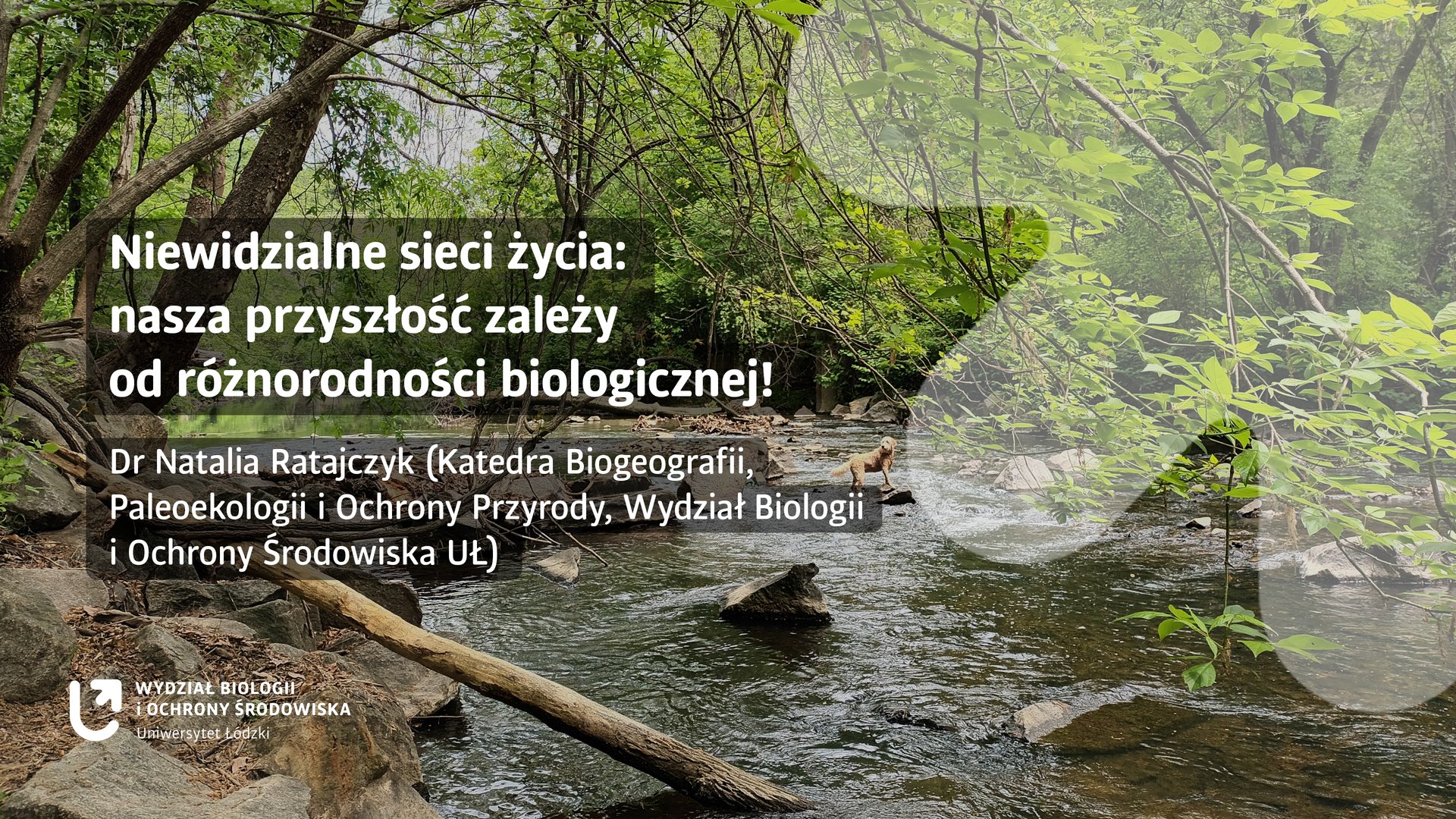
The hidden harmony of nature
When we walk through a meadow or forest in spring, we notice the diversity of flowering plants, the quiet hum of insects and birdsong. Although we do not perceive every element of this world, we intuitively sense that each plays an important role and contributes to a complex network of interdependencies. This is how nature functions. Its balance is based on both cooperation and competition among living organisms, which constantly interact with one another.
Ecosystems and the species that inhabit them resemble an enormous puzzle in which every element fits perfectly with the others. When even one piece is missing, the entire structure becomes incomplete, vulnerable to disruption, and the stability of the system is disturbed.
International Day for Biological Diversity
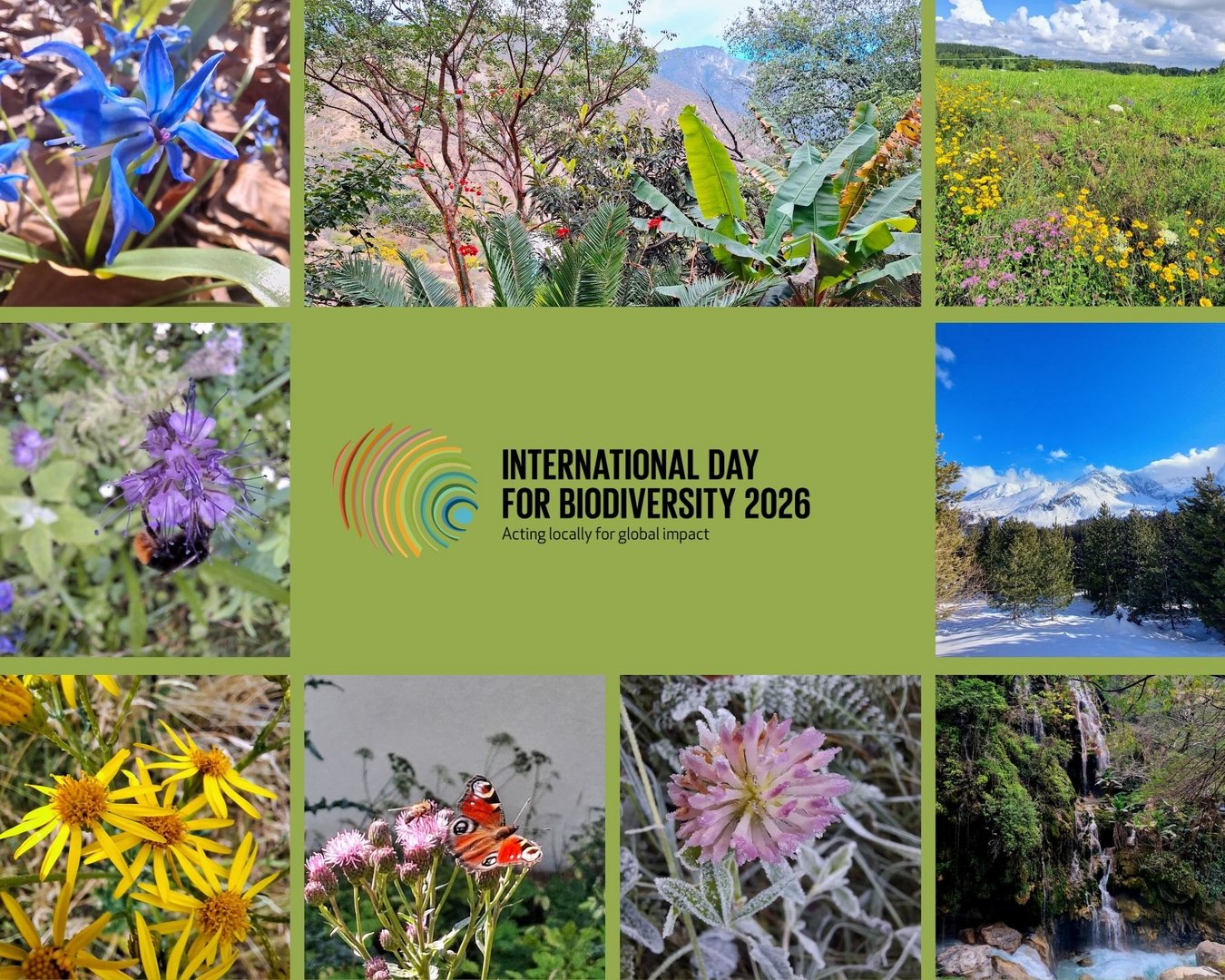
Every year, on 22 May, we celebrate the International Day for Biological Diversity. It was established by the United Nations as a response to the growing global environmental crisis related to species loss and ecosystem degradation. Its aim is not only to promote knowledge about biodiversity, but also to highlight its importance for the functioning of life on Earth and its impact on natural as well as socio-economic systems.
Alarming data on biodiversity loss
Contemporary research clearly indicates that the rate of biodiversity loss has reached levels unprecedented in history. We can already speak of another, sixth mass extinction. Data presented in the WWF report “Living Planet Report 2024 – A System in Peril” clearly indicates a global decline in the populations of monitored species. The average size of monitored populations of wild vertebrates decreased by 73% in just 50 years (1970–2020). This indicator, known as the Living Planet Index (LPI), is based on trends in nearly 35,000 populations representing over 5,400 species worldwide. Analysis of ecosystems revealed the greatest population declines in freshwater ecosystems (81%) and terrestrial ecosystems (69%). The regions most affected by these losses are Latin America and the Caribbean, where a decline of 95% has been recorded.
The main causes of biodiversity loss
The primary factors responsible for this process include the loss of natural habitats resulting from urbanisation, agricultural intensification and deforestation. Climate change also constitutes a significant threat, leading to shifts in climate zones and disruptions in the biological cycles of many species. In addition, environmental pollution, including plastic waste and chemical substances, increases pressure on ecosystems, as does the introduction of invasive species that compete with native flora and fauna.
The importance of biodiversity for humans
The process of biodiversity loss has enormous implications for humans and socio-economic systems. It may significantly affect the so-called ecosystem services – the benefits that society derives from functioning ecosystems. These include, among other things, oxygen production, carbon dioxide absorption, water purification, pollination of crops, and the provision of resources such as food and medicinal substances. In this context, biodiversity functions as an “invisible infrastructure” sustaining the economy and human health. Its loss disrupts these processes and may lead to serious economic and social consequences.
Global efforts to protect nature
In response to these threats, various mechanisms for nature protection are being developed, including the Kunming–Montreal Global Biodiversity Framework. The document sets out 23 targets to be achieved by 2030. It is comparable to the 2030 Agenda and its 17 goals, but focused specifically on biodiversity protection. This initiative concentrates on safeguarding ecosystems, restoring degraded areas, and combating species extinction and environmental pollution. It also places strong emphasis on the sustainable management of natural resources and the fair sharing of benefits derived from nature. An important element of the strategy is the integration of biodiversity into economic policy, financing, and the rights of local and indigenous communities. Altogether, it constitutes a comprehensive action plan aimed at halting biodiversity loss and ensuring harmonious coexistence between humans and the biosphere.
Shared responsibility for the future of the Earth
The International Day for Biological Diversity reminds us that humans do not exist outside nature but are an integral part of it. Every species that becomes extinct, every forest that is cut down, and every wetland that is drained represents the loss of part of the system upon which the lives of present and future generations depend. Protecting biodiversity is not solely the responsibility of scientists or public institutions – it is a shared responsibility for us all. It is the decisions we make today that will determine whether future generations inherit a planet full of life or a world on the brink of biological catastrophe and, at the same time, less safe for humanity.


Source and photos: Dr Natalia Ratajczyk (Dean’s Representative for Sustainable Development, Faculty of Biology and Environmental Protection, University of Lodz; Department of Biogeography, Paleoecology and Nature Conservation, Institute of Ecology and Environmental Protection, Faculty of Biology and Environmental Protection, University of Lodz)
Edit: Kamila Knol-Michałowska (Promotion Centre, Faculty of Biology and Environmental Protection, University of Lodz)
Graphic: Mateusz Kowalski (Promotion Centre, Faculty of Biology and Environmental Protection, University of Lodz)