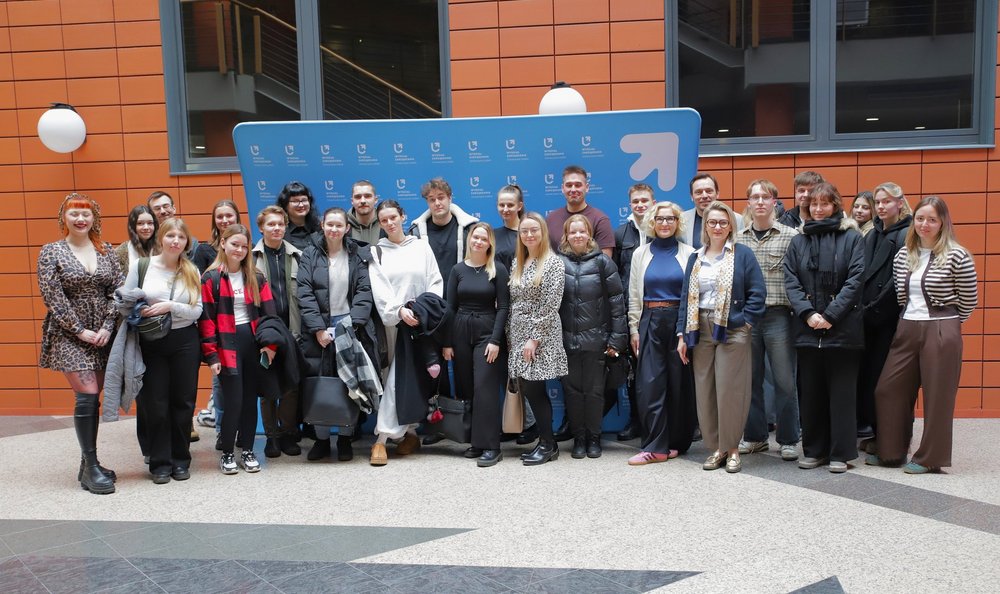
The event brings together students, young scientists, future entrepreneurs and industry experts to work together on real challenges in the fields of biotechnology, diagnostics, functional food and responsible innovation.
- We are working at the faculty of Management, University of Lodz.
- Workshops, teamwork and consultations with experts from companies and institutions such as Scope Fluidics, ICHEM, Vegelio, Patient Expert, Rezon Bio and Technology Transfer Office of the University of Lodz.
- Participants will develop solutions with implementation and market potential over the course of several days.
The hackathon is a part of the broad DeepBioTech project programme, which aims to:
- develop deep-tech competencies among students and scientists,
- support the commercialisation of life science innovations,
- connect the academic community with businesses and investors,
- build a new bio-entrepreneurship ecosystem in Europe.
The event is co-organised by:
- Faculty of Biology and Environmental Protection, University of Lodz
- Faculty of Management, University of Lodz
- DeepBioTech project partners: PULS, HELIX, SAH, DTB, YASAR, ACEEU
We would like to thank all the experts and student teams for their commitment – intense, creative days lie ahead!
Photo gallery on Flickr.
Edit: Faculty of Management, University of Lodz