As part of the space mission organised by the European Space Agency and PLinSpace, Sławosz participated in research conducted aboard the International Space Station (ISS). Below, we present four experiments of crucial importance for the future of long-term space missions – developed with the participation of Polish scientists.
Space Volcanic Algae
This biotechnology experiment examines extremophilic algae—microorganisms from volcanic environments. These organisms are being exposed to microgravity and cosmic radiation to test their ability to adapt to space.
Will they retain their ability to produce oxygen and absorb CO₂? This is a crucial question, because a positive answer means these algae could potentially support life on long-duration missions, such as to the Moon or Mars.

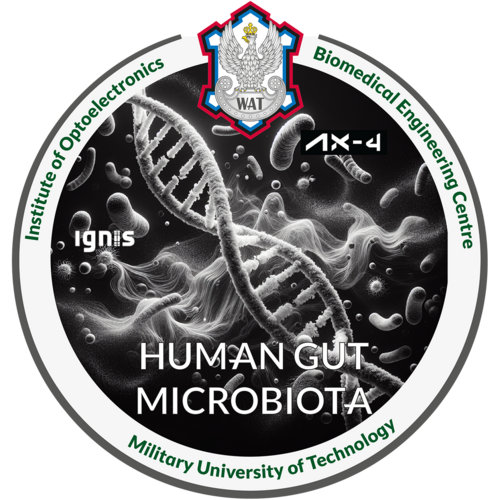
Human Gut Microbiota
This experiment focuses on astronauts' gut microbiota, examining its changes during short-term stays in space. Stress, a modified diet and microgravity are factors that can disrupt the balance of gut microbiota which is crucial for physical and mental health.
The results will not only help develop strategies to protect astronauts' health, but may also have applications on Earth, including in conditions of high stress or long-term confinement (e.g. in hospitals or polar stations).
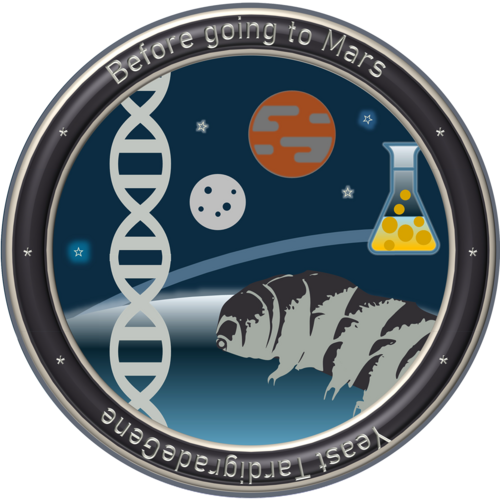
Yeast TardigradeGene
Can yeast survive in space? Yes, they can – especially if genetically modified and enriched with tardigrade protein (organisms known for their extreme resilience).
This experiment tests the functionality (survival and energy status) of the yeast in space. They could potentially serve as biofactories, producing food, supplements or biofuels during future space missions.
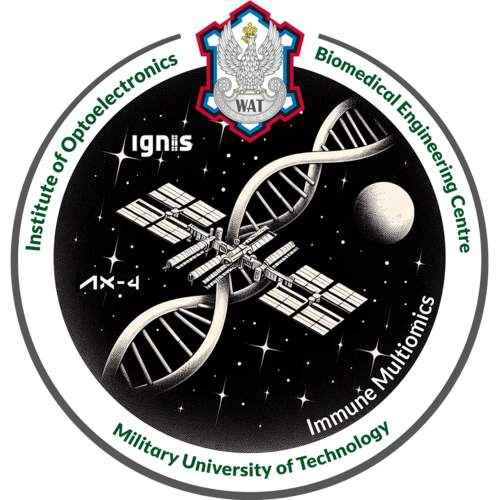
Immune Multiomics
Spaceflight is not only an adventure but also a biological challenge, including for the immune system. "Immune Multiomics" analyses how immune cells respond to microgravity and the stress related to the mission.
Research is being conducted at the level of gene activiy – before, during, and after flight – which will enable a thorough understanding of how human immunity changes in space conditions. The results will be crucial for planning long-term flights to Mars or the Moon.
More about the mission and research
Source: mgr Aleksandra Tończyk, Department of Industrial Microbiology and Biotechnology, Faculty of Biology and Environmental Protection, University of Lodz
Edit: Kacper Szczepaniak, Promotion Centre, Faculty of Biology and Environmental Protection, University of Lodz
Photo: Facebook, Sławosz Uznański-Wiśniewski