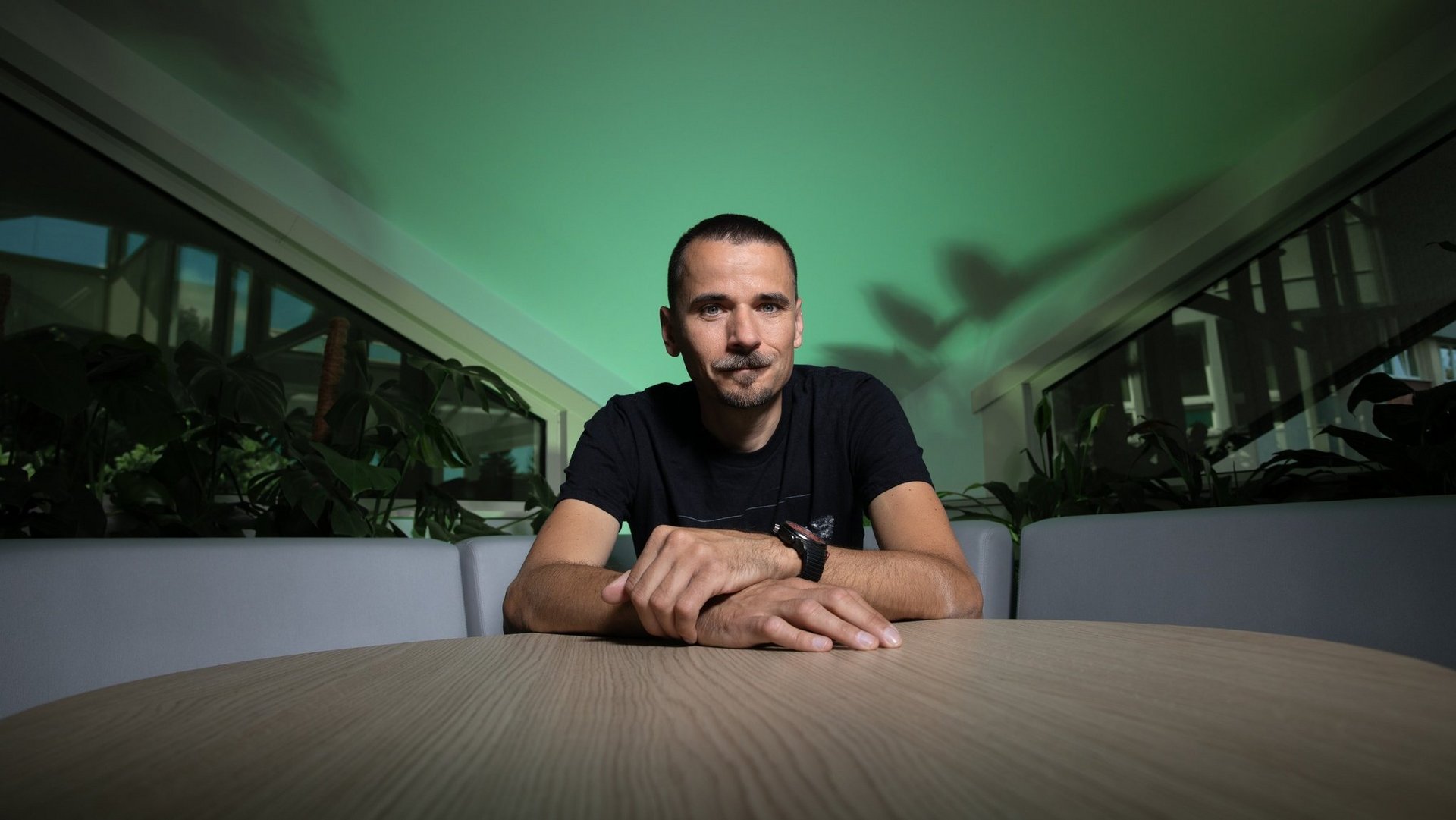
The Ministry of Science and Higher Education has declared 2026 the year of science popularisation. The appointment in December of last year of a ministerial team for science popularisation, which is tasked with developing recommendations in this area, which could then be reflected in strategic documents, such as the national science policy was one of its elements. Dr hab. Krzysztof Pabis, Associate Professor at the University of Lodz is among the members of this body – scientists, educators, journalists and representatives of science centres.
PAP asked Prof. Pabis about the attitude of the academic community towards the popularisation of science.
It's very diverse. We have a full spectrum of approaches here – from great enthusiasm and a great willingness to undertake such activities (both on one's own and by encouraging others), through a wide zone of "in-between states," to a group of people who look at it critically. For me, popularisation is an essential element of scientific work. That's why I've long disagreed with the extreme approach that scientists shouldn't popularise, that it's frivolous, that they're not there to do that, but to engage in "hard science." But I understand this attitude. Perhaps, it stems from the fact that science popularisation wasn't discussed much at Polish universities for many years, which is why it's not a natural part of academic culture, as it is e.g., in the UK.
– answers the Vice-Rector, who has been popularising his field of science – biology, especially marine ecology and zoology – for years.
The article (in Polish)
Source: PAP “Science in Poland”
Edit: Press Office, University of Lodz