

Transformations in the Humanities
Contemporary humanities are in a state of constant cognitive mobilisation, responding to changing cultural, social and epistemological contexts. The concepts of otherness, experience and innovation are increasingly becoming not only subjects of reflection but also tools for describing a world that defies clear classification.
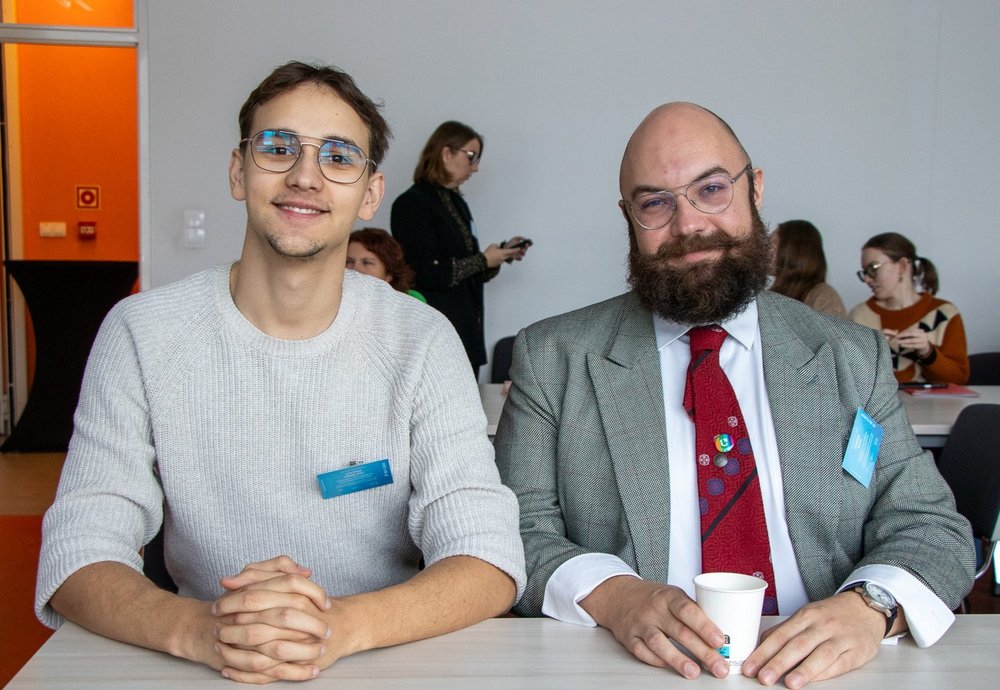
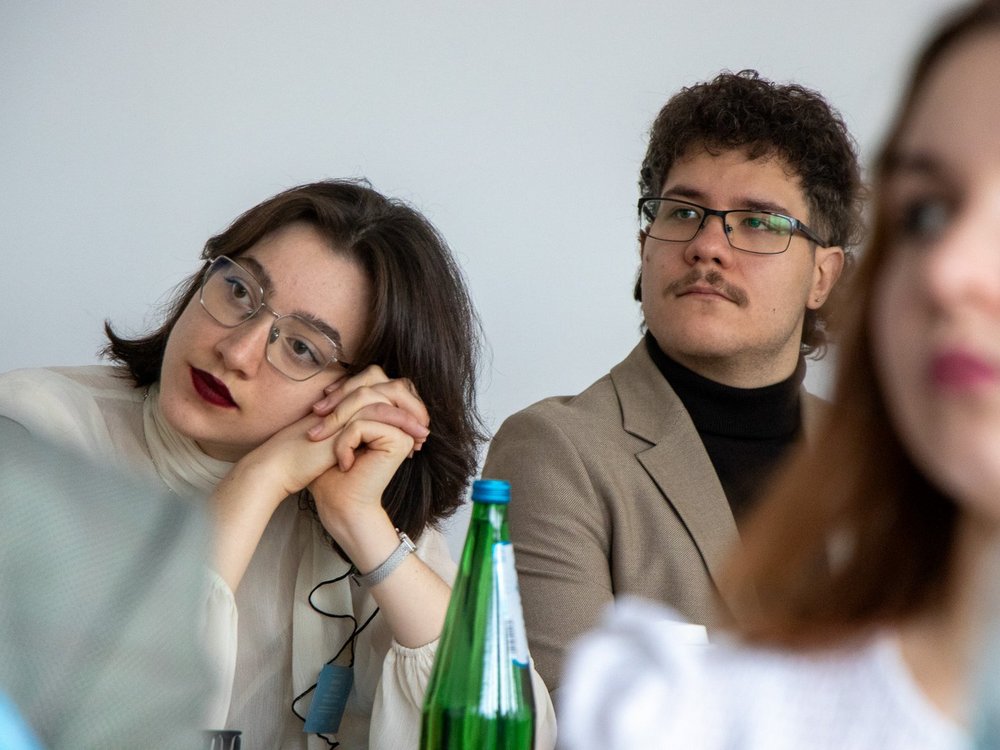
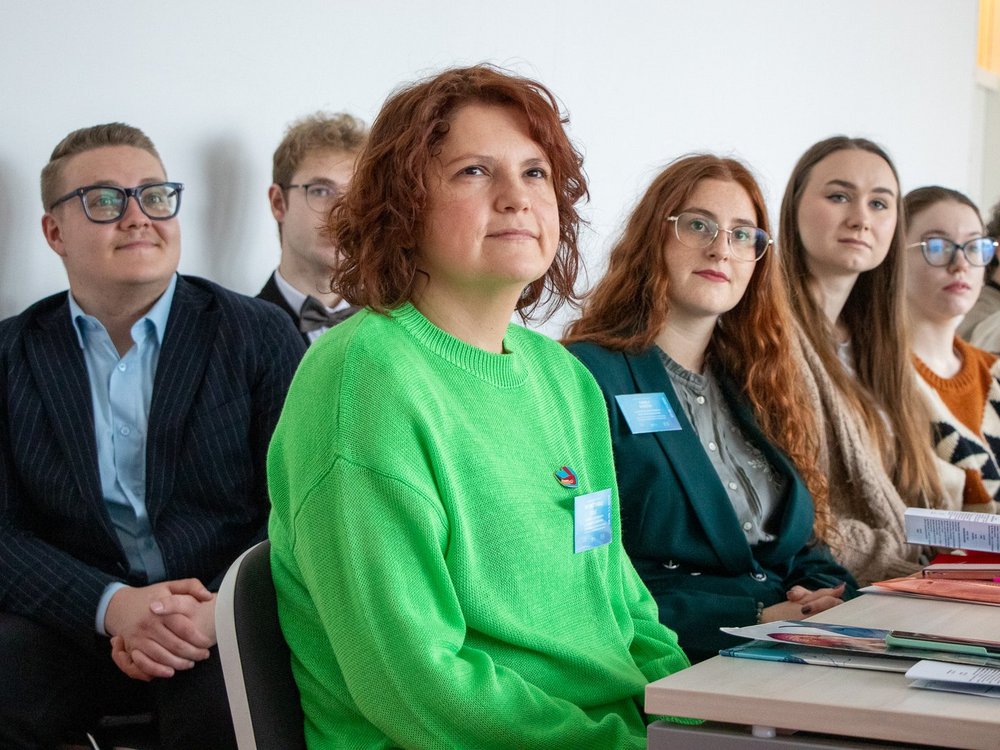
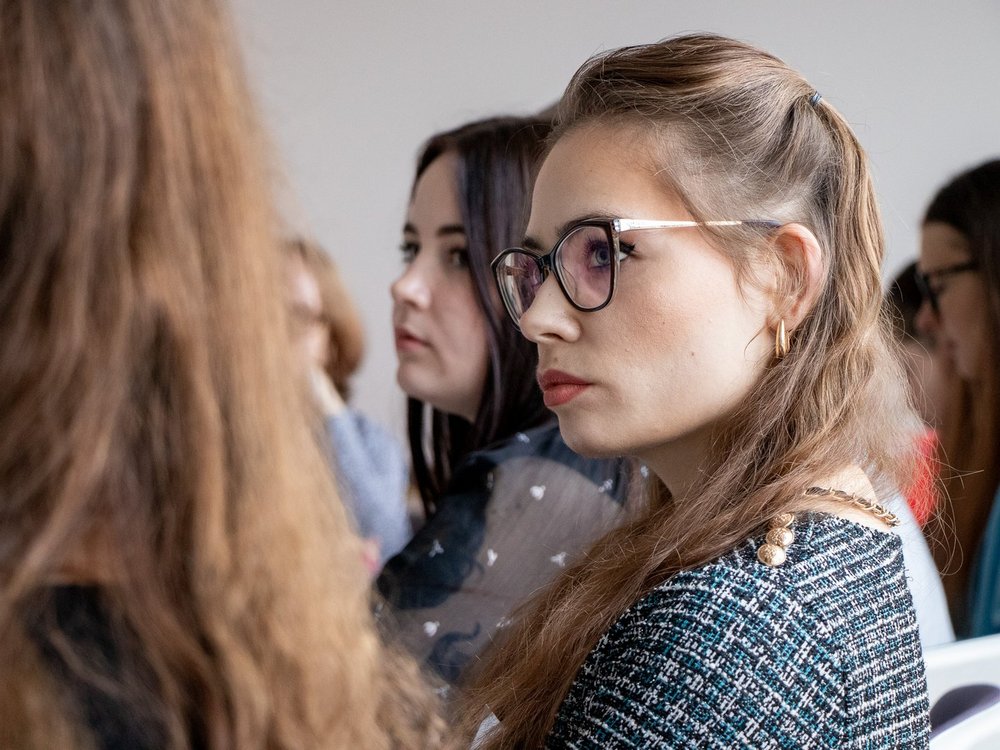
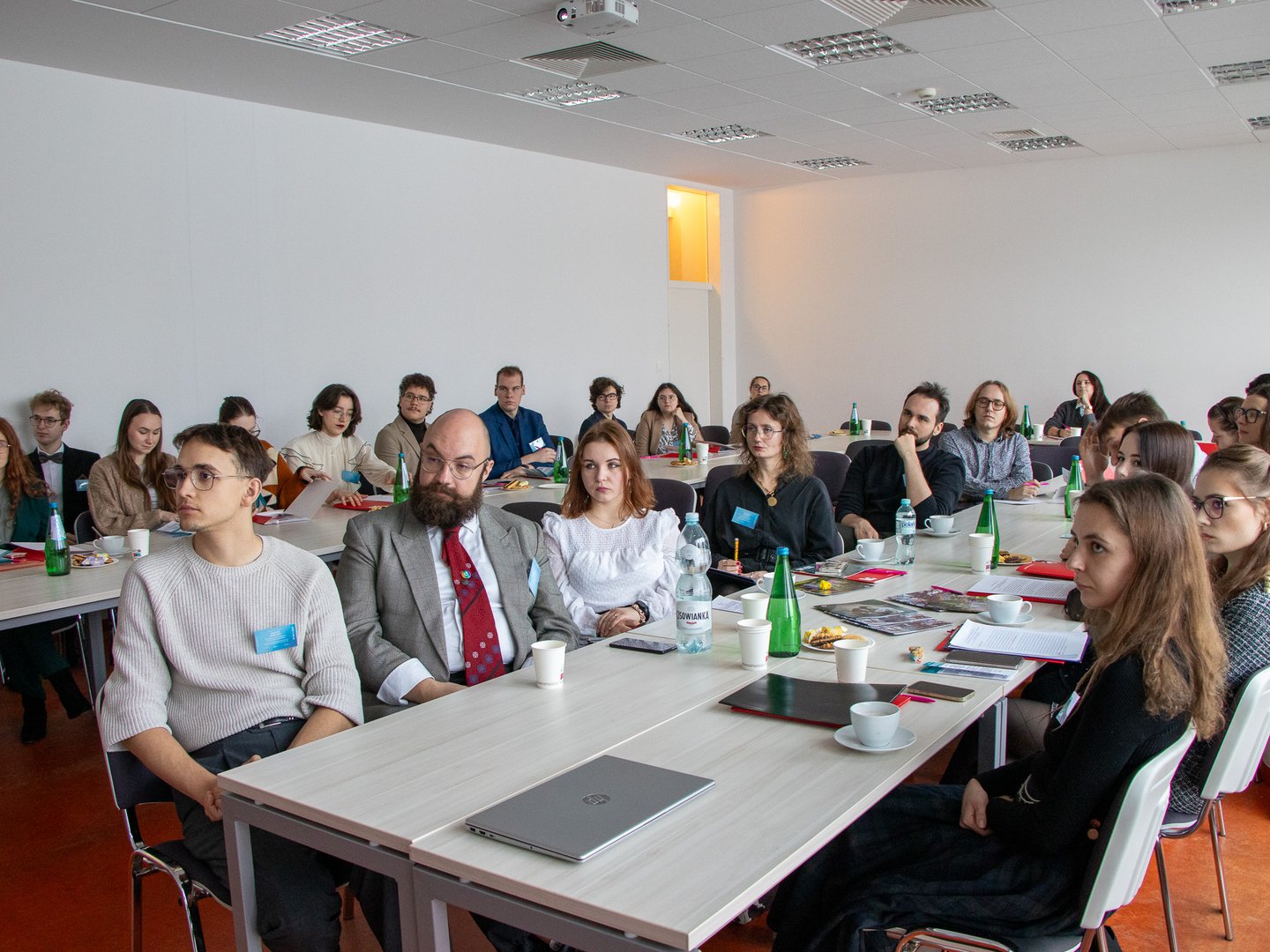
This reflection was the focus of a meeting organised by the Student Science Club of Friends of Polish Studies at the University of Lodz, led by dr hab. Małgorzata Gajak-Toczek, Associatre Professor at the University of Lodz. The event was a student-doctoral event and brought together representatives of 14 universities from across Poland, practicing teachers, representatives of the Education Development Center, and non-governmental organisations (including the Gajusz Foundation).
The conference provided a platform for interdisciplinary discussion on how the humanities diagnose the changing forms of individual and collective experience, how otherness – cultural, social and existential – becomes the focal point of describing reality and the significance of innovation in the context of shifting paradigms in the humanities
– explains Prof. Małgorzata Gajak-Toczek.
Particular attention was paid to the role of humanities education in the contemporary world: in an era of rapid technological, political and cultural transformations, reflection on the methods of teaching and transmitting knowledge takes on new importance. The speakers emphasised their interest in both the shifting boundaries of knowledge, language, identity and imagination, as well as the practical implications of these changes for the methods and goals of research and teaching.
Searching for Answers
The papers demonstrated how contemporary humanities – especially Polish language teaching –work with experiences of otherness, crisis and reconstruction. The focus was on the role of narrative: literary, cultural and personal stories that structure experience, allow it to be named and understood and consequently build resilience in students.
The discussed topics, among other things, included lessons of otherness using Chava Rosenfarb's The Tree of Life, literary images of exclusion and illness (including the "morbid vision" as a matrix of exclusion), the figure of the Jew as Enlightenment otherness in the work of Julian Ursyn Niemcewicz, narratives about growing up and "finding oneself" and the question of whether disability signifies a deficit or rather a different form of experience.
The topic of innovation and new media resonated strongly. The discussions focused on the relationship between literature and algorithms, the role of Polish language teachers in shaping students' empathy in the age of artificial intelligence, digital humanities and the otherness of digital texts, the growing popularity of e-books and audiobooks and their impact on literary history education.
– adds Prof. Gajak-Toczek.
The speakers also analysed computer games and gamification (“What can a game teach books?”), comics, the “desktop documentary” subgenre, student projects that develop creative thinking, and asked how the anthropomorphisation of large language models changes our understanding of “human citizenship.”
Inter-University Exchange of Ideas
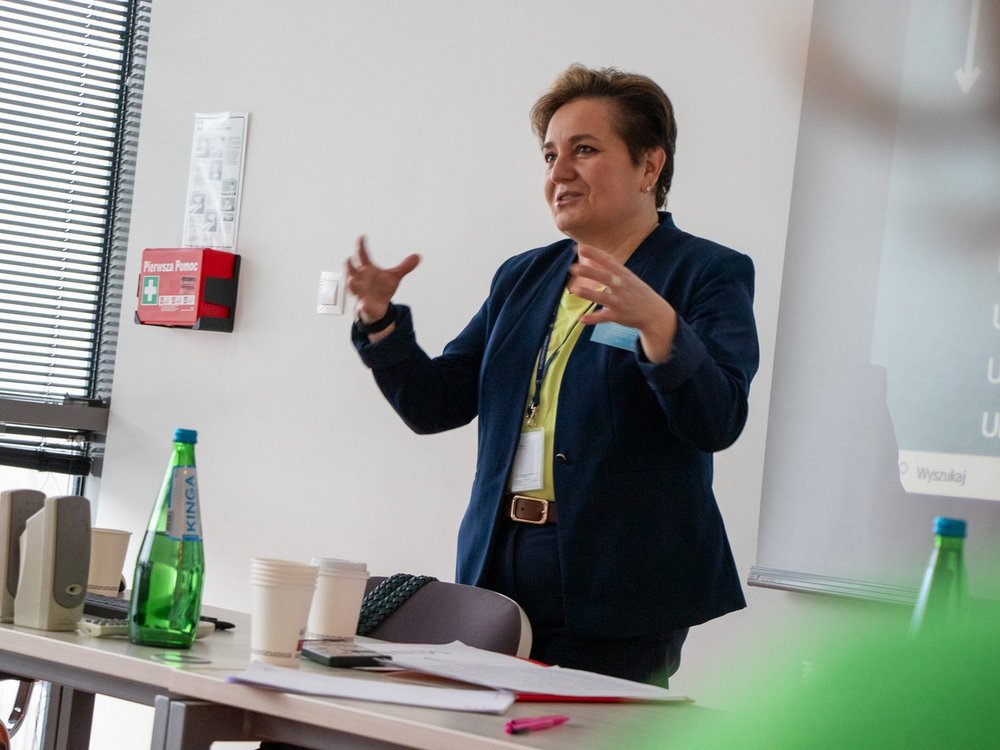
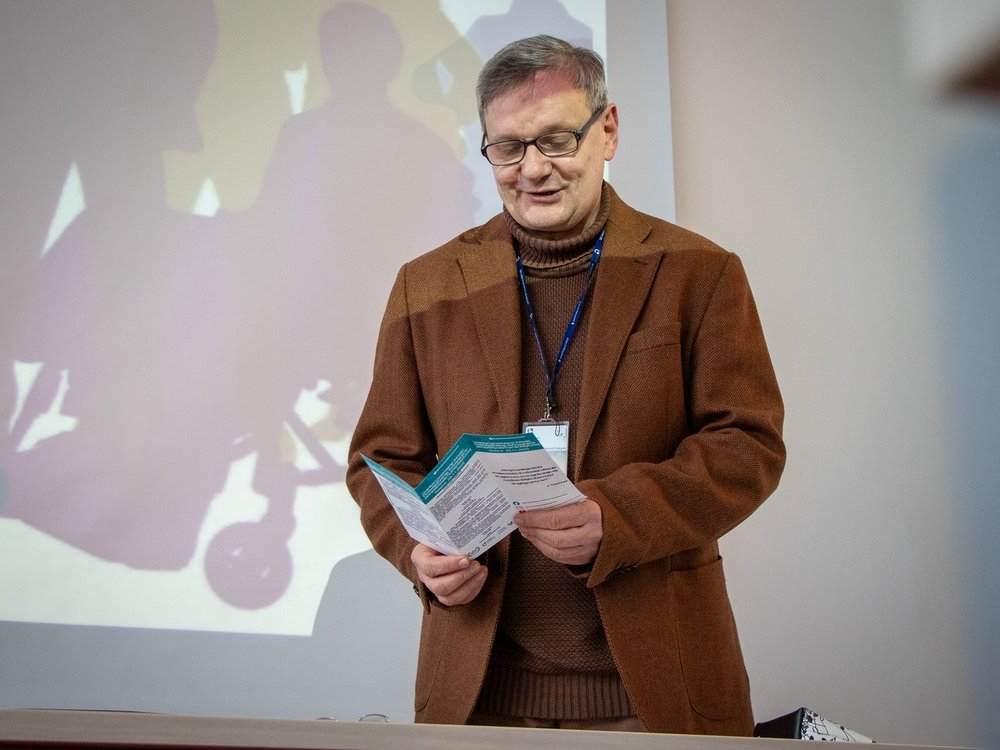
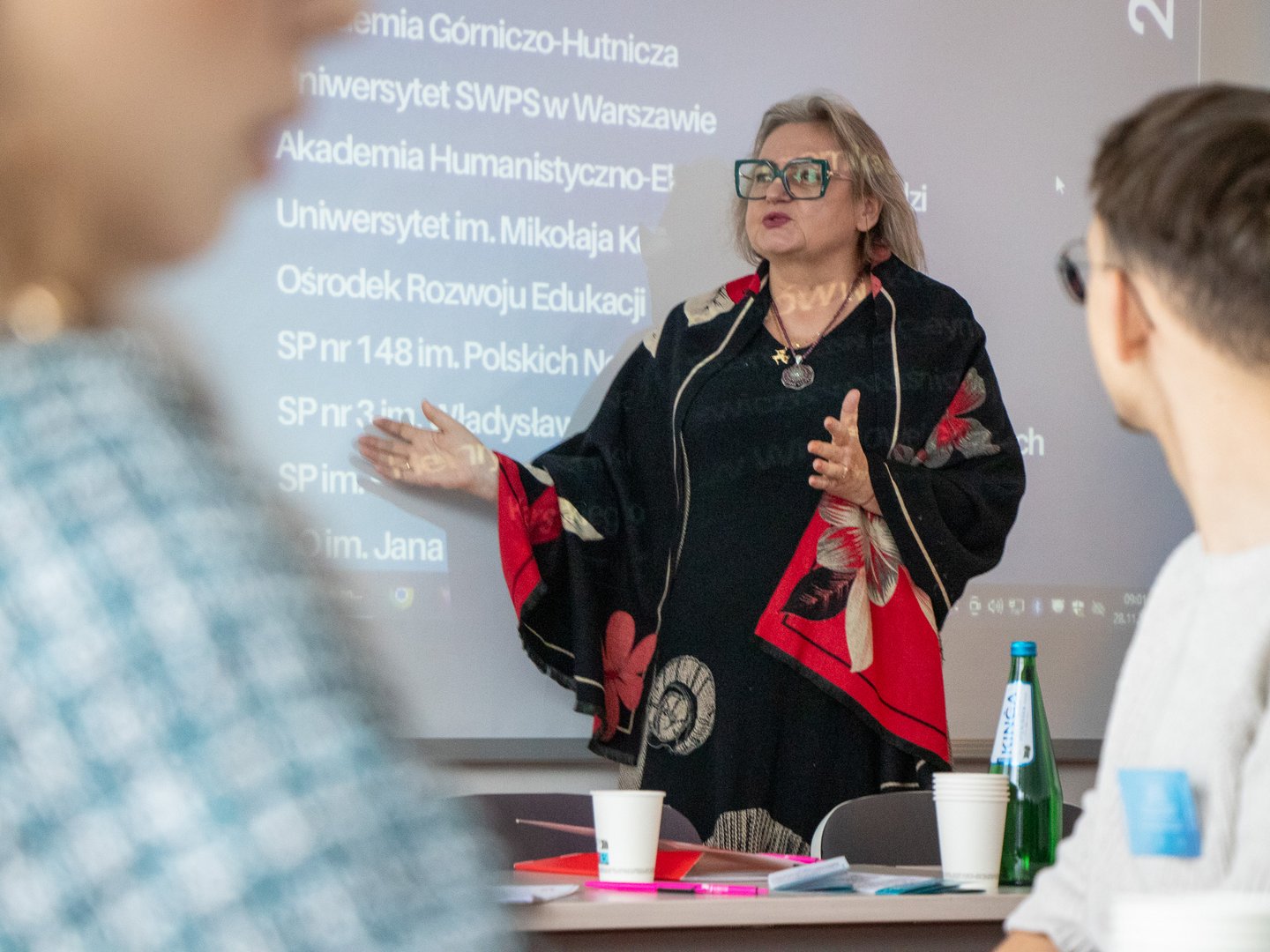
Opening speeches were delivered by Prof. Agnieszka Wierzbicka (University of Lodz), who spoke about the role of the Other in shaping our image of the world; Prof. Małgorzata Gajak-Toczek, who addressed the topic of resilience as a humanistic and educational categories; and Sylwia Zygadło from the Gajusz Foundation, who presented the foundation's work on behalf of children and families in critical situations.
The conference continued with presentations on a variety of topics, consistent with the event's theme: from interpretations of specific literary works, through analyses of migration experiences, illness, the autism spectrum and disabilities, to proposals for teaching solutions and reflections on how storytelling – including that created in new media – can support the process of overcoming the crisis.
The two-day conference demonstrated that the humanities – rooted in experience and open to innovation – remain one of the key languages for describing contemporary times. The "Granice i przemiany" conference was an important forum for academics, students, teachers and practitioners of social life, and a clear signal that the University of Lodz is actively contributing to the debate on the role of humanities education in a world of accelerated change and growing crises
– concludes the supervisor of the University of Lodz Student Science Club of Friends of Polish Studies.