How did the idea of organising the first Polish Antarctic marine scientific expedition come about?
In the mid-1970s, Poland was facing a shortage of many basic products, including meat. This prompted the Polish Academy of Sciences and the National Marine Fisheries Research Institute to seek alternative protein sources. It was then that the idea arose to explore regions rich in krill – the small crustacean Euphausia superba, vast resources of which were already known from Japanese and Soviet research. The largest shoals were found in the South Atlantic, near Antarctica.
Two vessels were selected for the first expedition: the research vessel "R/V Professor Siedlecki" and the trawler "M/T Tazar". The expedition began in late 1975 and took nearly six months.
I joined the research team thanks to my participation in the Soviet-Polish expedition to the Soviet Antarctic station "Molodyozhnaya" two years earlier. Prof. Stanisław Rakusa-Suszczewski, the organiser of the "krill expedition," also participated, and invited me to join the team. As a zoologist with an interest in crustaceans, I accepted the invitation without hesitation.
What was the main goal of the expedition?
The official goal was to catch krill, with the intention of using them as a potential new protein source. However, for us biologists, it was primarily an opportunity to conduct research on the biology and ecology of krill. Stanisław Rakusa-Suszczewski assembled a small team of zoologists to analyse the freshly caught organisms: their development, reproduction, physiology, and behaviour.
At the same time, some members of the crew were processing krill, among other things, into protein meal. The ship had special technological facilities for this purpose. We also sampled the krill – I must admit, it was quite tasty fresh.
What was your job on the ship like?
My task was to study the biology and ecology of krill. They're small animals – about the size of a little finger, or about 6 cm long. We measured the individuals, counted the eggs laid by the females and observed their anatomy under a magnifying glass.
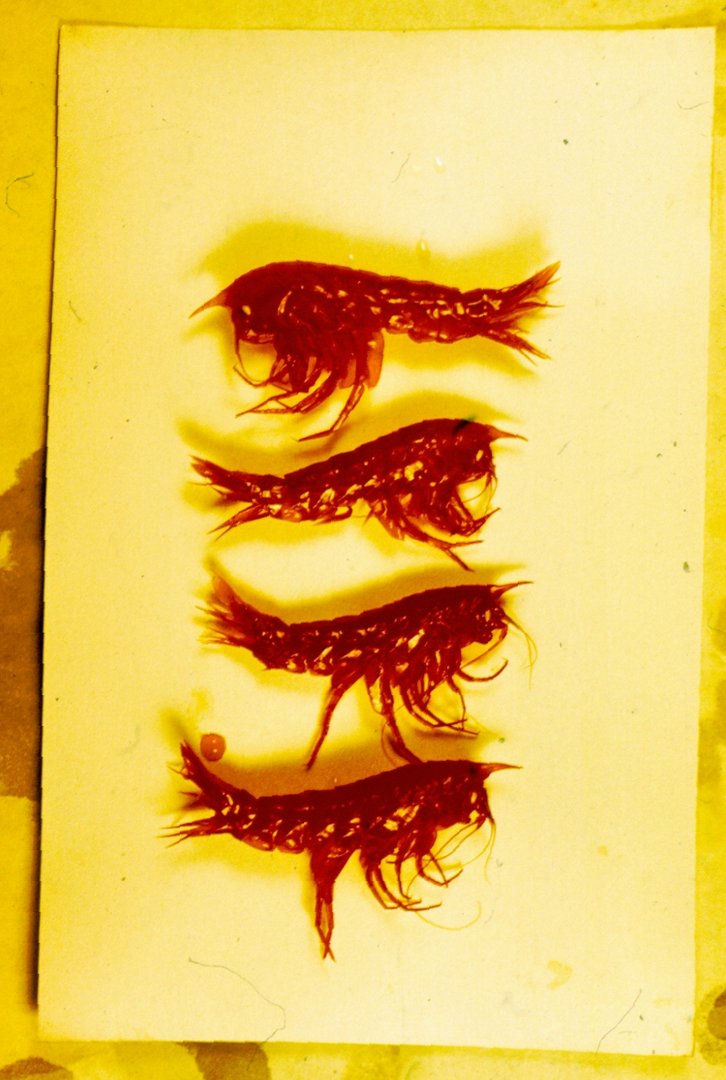
The nets also contained other crustaceans, including amphipods, which I had studied previously, so I took advantage of the opportunity to study them as well.
What were your preparations like for the expedition?
I was familiar with Antarctica from a previous expedition, but I had no experience fishing in the open ocean. Here, we used huge plankton nets with very fine mesh. For my work, I primarily needed laboratory equipment: vials, alcohol and formalin. Everything else was provided by the institutions organising the expedition – it was a high-priority national expedition.
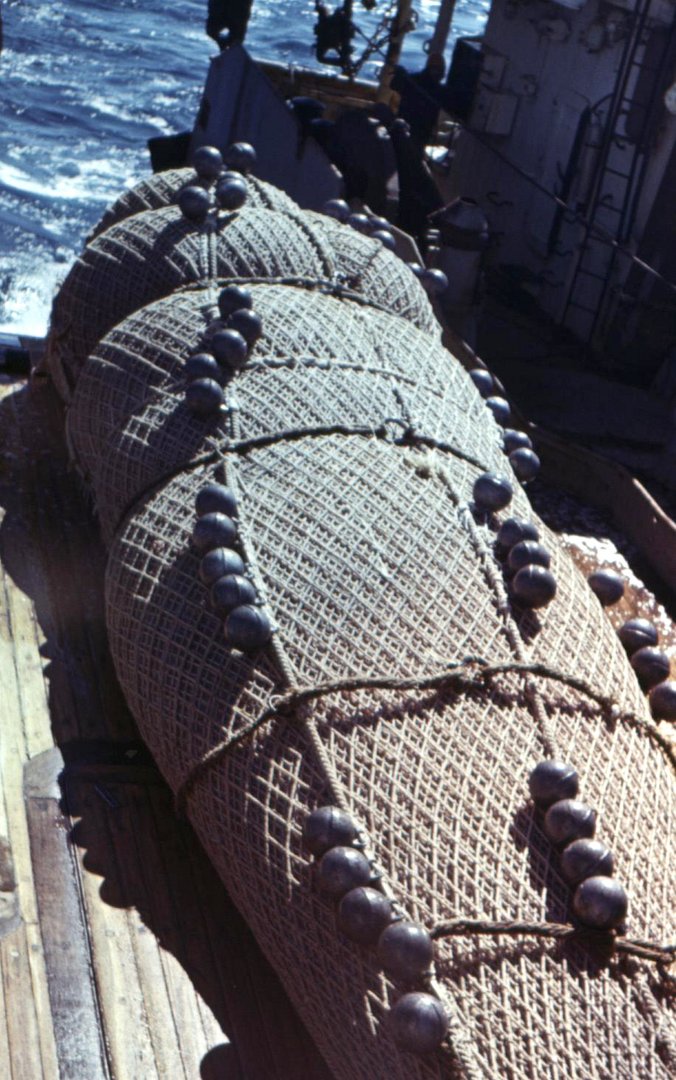
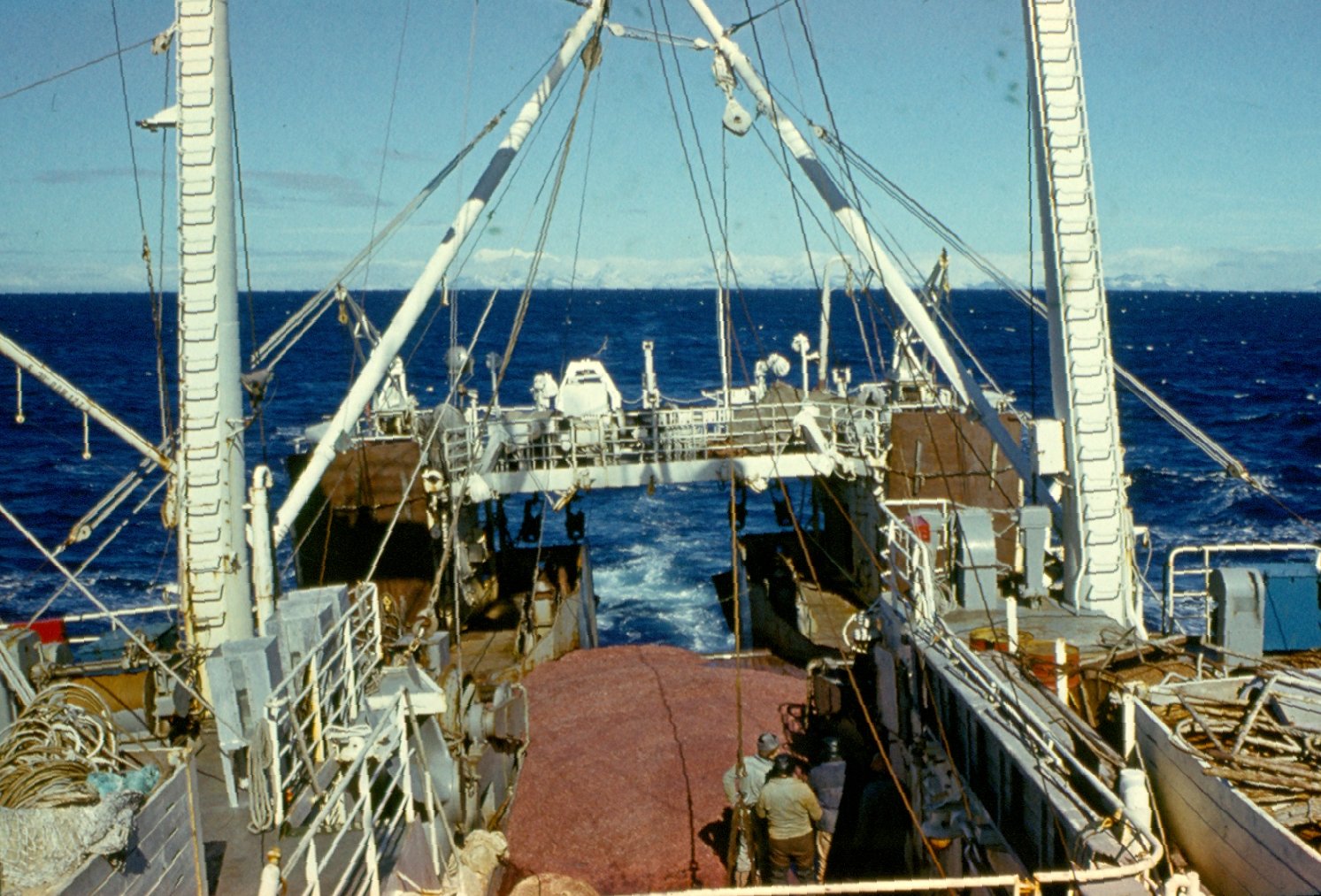
The first few days left a huge impression on us. Off South Georgia, we hauled in about 30 tons of krill in about 10 minutes of netting. The entire deck of the “Siedlecki” was covered with a pink mass of tiny creatures. And while not every catch was as impressive, they were repeated regularly – we made over a hundred such operations.
What do you consider the greatest scientific success of this expedition?
In retrospect, I think one of the most important outcomes was the opportunity for Poland to join the international ranks of Antarctic researchers. As a result of these activities, research groups focusing on the ecology of the southern seas were established in many Polish institutions – at the Polish Academy of Sciences, the National Marine Fisheries Research Institute and also at our university. The establishment of the later Department of Polar Research and Ocean Biology at our Faculty, which I headed for some time was also one of the results.
Additionally, we established cooperation with the United States, Russia (then still the Soviet Union), Japan and many other countries. Together, we published research results and advanced biological oceanography, and Poland began to gain a prominent place on the scientific map of researchers in this region. This was definitely a turning point.
What was your most memorable event?
Besides the spectacular catch of 30 tons of krill, perhaps most of all, the atmosphere of cooperation and friendships that endure to this day. Working in the ocean was challenging, often battling strong winds and seasickness, but our shared experiences brought us very close together.
What were the conditions like during the voyage?
The water temperature was around +2°C, and the air temperature was between 0 and +4°C, although the perceived temperature was often much lower due to the wind. High waves often made work difficult, and seasickness was common. The entire expedition took almost six months – including a month of voyage in each direction and three and a half months in Antarctic waters.
I kept a journal of the expedition – the first entry is from 22 December 1975, the last from 6 May 1976.
What was it like returning home?
It was one of the most beautiful moments – especially meeting my family. My son was little at the time, so the separation was difficult, also because of the limited contact: phone calls were very rare and treated almost like a holiday.
Did you continue your research together after the expedition?
Yes, many scientific publications were produced. This one expedition alone resulted in over 20 articles. In the following years, I also participated in the international BIOMASS programme, which aimed to understand the functioning of the ecosystems of the Southern Ocean.
I participated in the first expedition of this programme in 1981, and my colleagues in subsequent ones. The research results from these expeditions provided the basis for protecting the resources of the Southern Seas.
What significance did this research have for the protection of the Antarctic environment?
Together with other countries, we have signed the Antarctic Treaty and related conventions on the protection of marine fauna. As a result, krill fishing is now rigorously controlled.
While in the 1970s it was believed that krill could solve the problem of global hunger, today we know that mass fishing would threaten entire food webs. Krill are a staple diet for whales, penguins, seals and many fish.
Furthermore, climate change is increasingly affecting krill populations, particularly the disruption of diatom production – the primary food source for krill.
How did this expedition shape your future career?
It was an expedition that paved the way for me to pursue polar research for many years to come. Thanks to it, I also had students who continued this research, and a strong Antarctic research group was established at the University of Lodz.
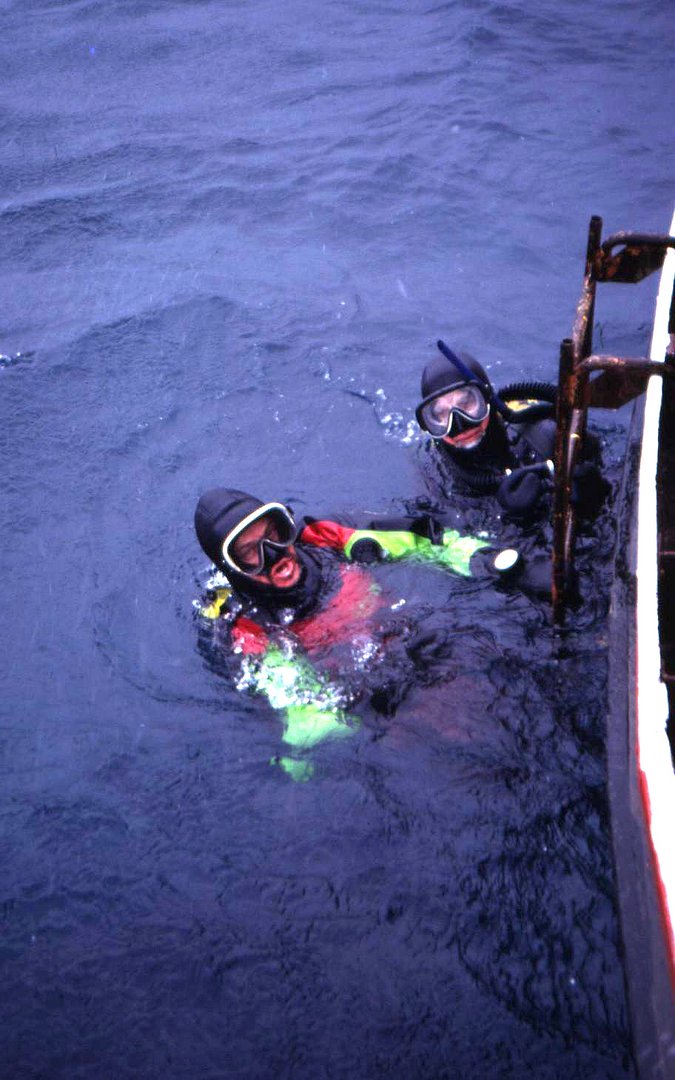
I later participated in several expeditions to the Henryk Arctowski Polish Antarctic Station. I also conducted research there as a scuba diver – these were my first dives in the icy waters of Antarctica, a unique and thrilling experience.
To this day, I stay in touch with the scientists I met back then. The cooperation that began with the "krill expedition" continued for decades.
Would you like to add anything in conclusion?
Although I've had many expeditions and projects in my life, this first one – the krill expedition – remains unique. It was the beginning of Polish research in Antarctica and a turning point in my career.
And perhaps also the most beautiful scientific adventure.
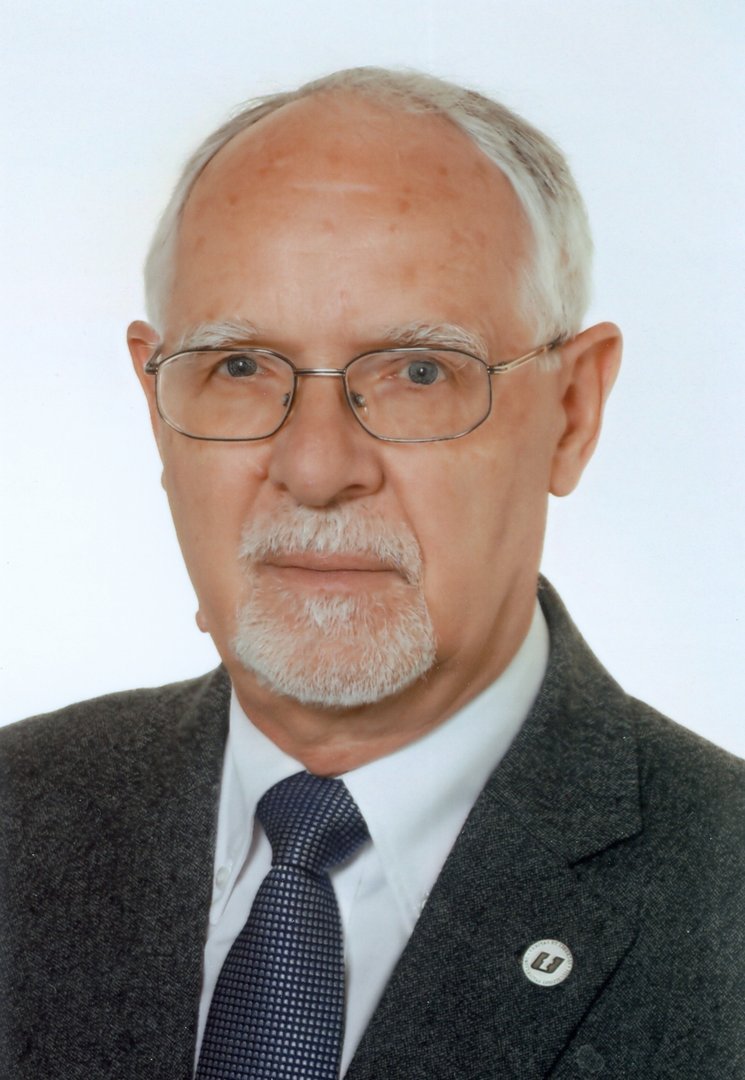
Krzysztof Jażdżewski, who retired from the Department of Invertebrate Zoology and Hydrobiology at the Faculty of Biology and Environmental Protection, University of Lodz, is a Professor of Natural Sciences, a specialist in hydrobiology, and a marine biologist, with a particular focus on polar fauna. He has participated in six expeditions to Antarctica.
Photos from the expedition
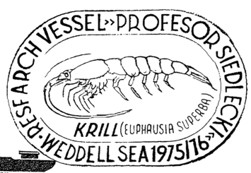
Photo 1. Logo of the first Polish Antarctic marine scientific expedition (from the K. Jażdżewski archive)
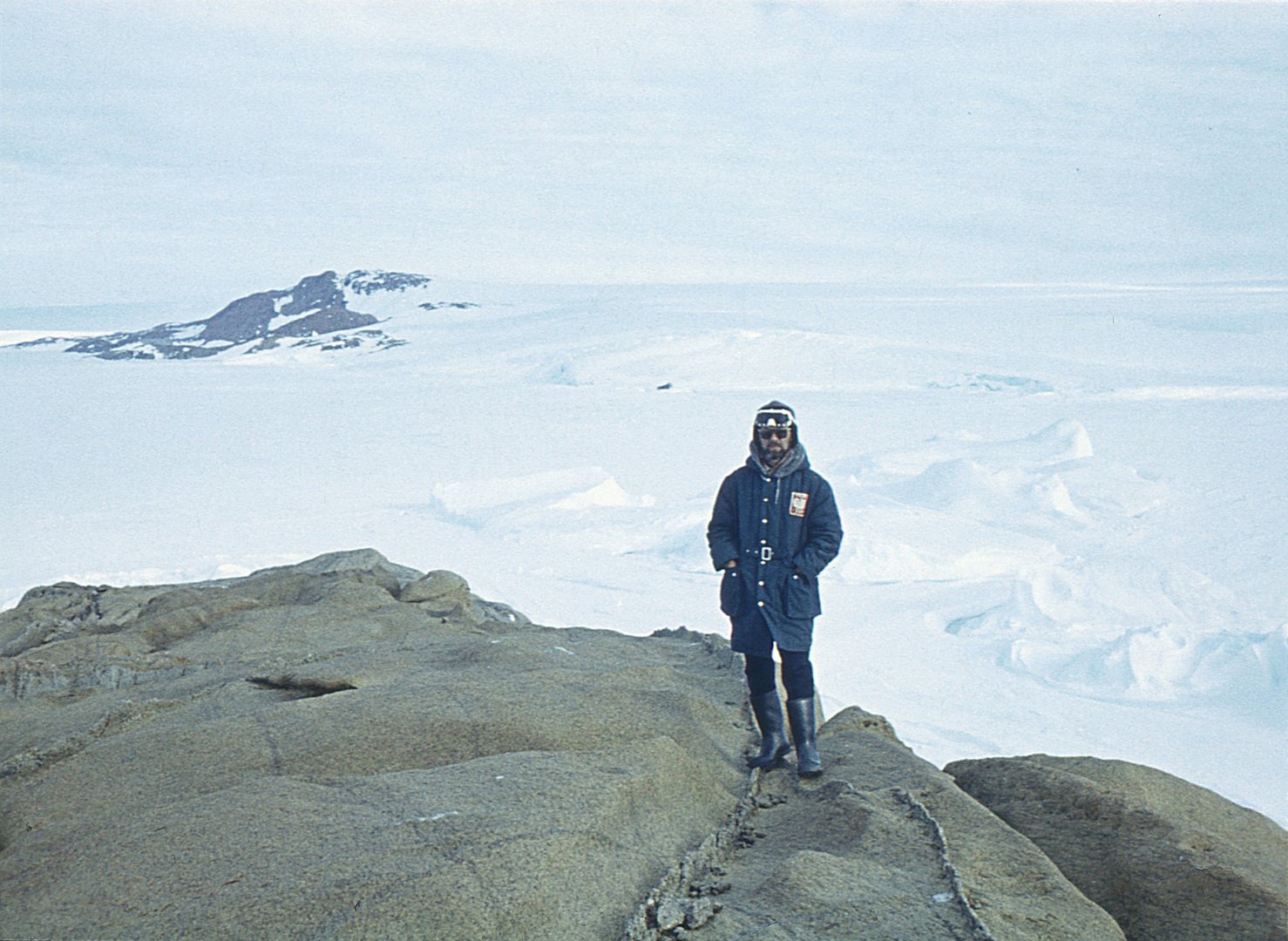
Photo 2. The endless ice of Antarctica, near the Soviet "Molodyozhnaya" station (from the K. Jażdżewski archive)
Photo 3. Cyphocaris richardi, a planktonic amphipod crustacean, caught with krill (photo K. Jażdżewski)
Photo 4. An extremely successful krill catch – approximately 25 tons in the net (photo K. Jażdżewski)
Photo 5. The aft deck of the R/V Professor Siedlecki filled with krill (photo K. Jażdżewski)
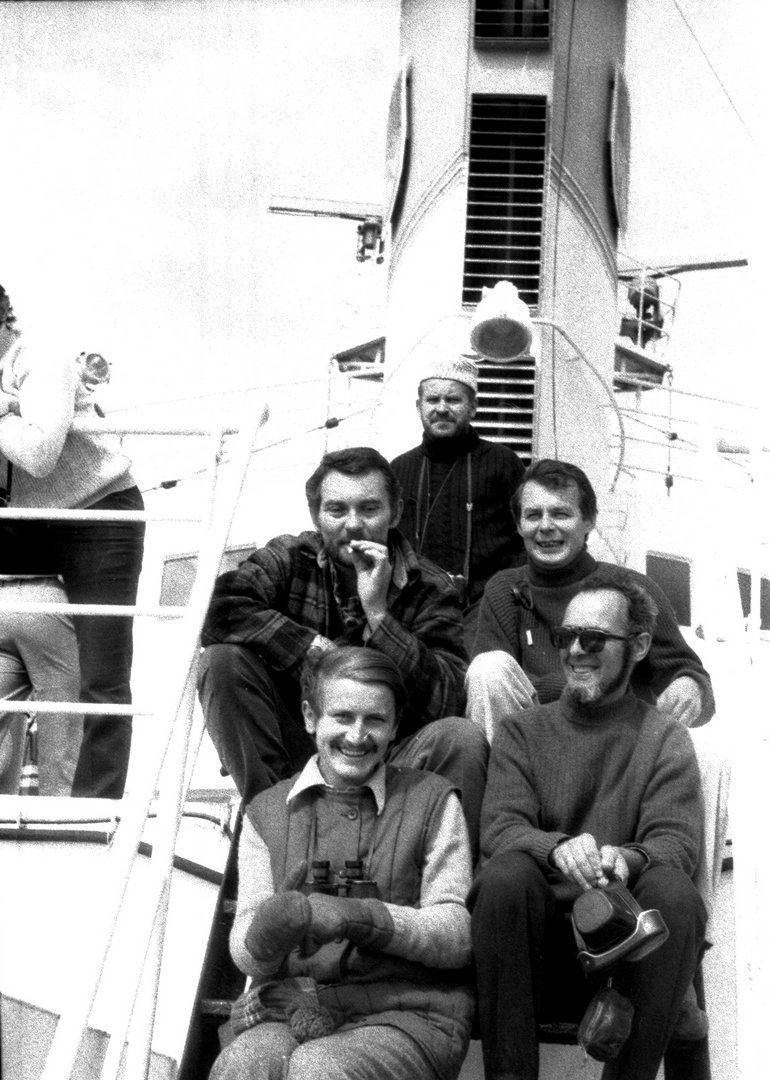
Photo 6. With other cruise participants on board the R/V Professor Siedlecki (from the K. Jażdżewski archive)
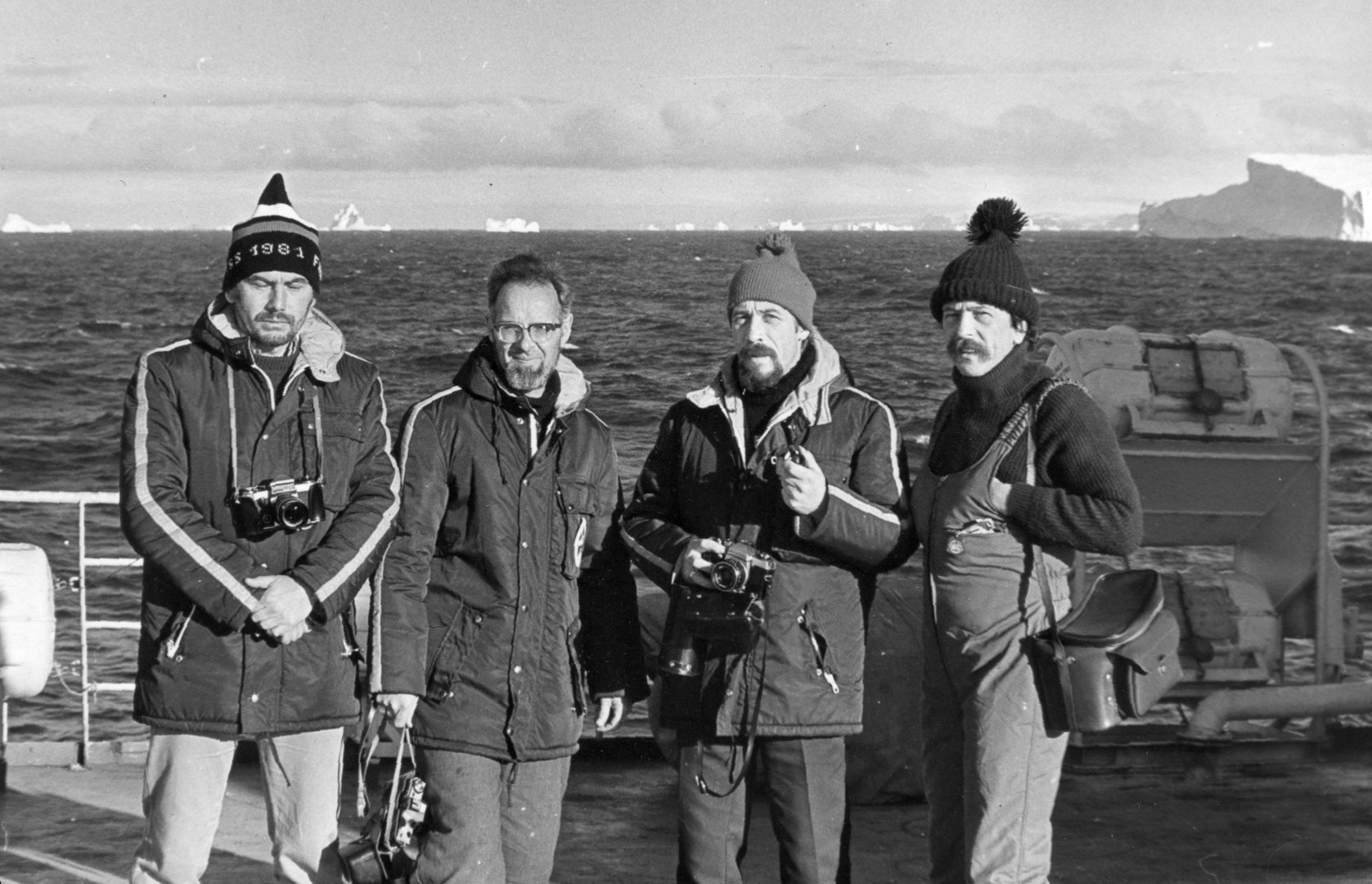
Photo 7. In the Antarctic during another cruise of the R/V Prof. Siedlecki – BIOMASS-FIBEX (from the K. Jażdżewski archive)
Photo 8. Diving in Admiralty Bay (from the K. Jażdżewski archive)
Source and photos: Prof. Krzysztof Jażdżewski, a retired employee of the Faculty of Biology and Environmental Protection, University of Lodz
Edit: Kamila Knol-Michałowska, Mateusz Kowalski (Promotion Centre, Faculty of Biology and Environmental Protection, University of Lodz)