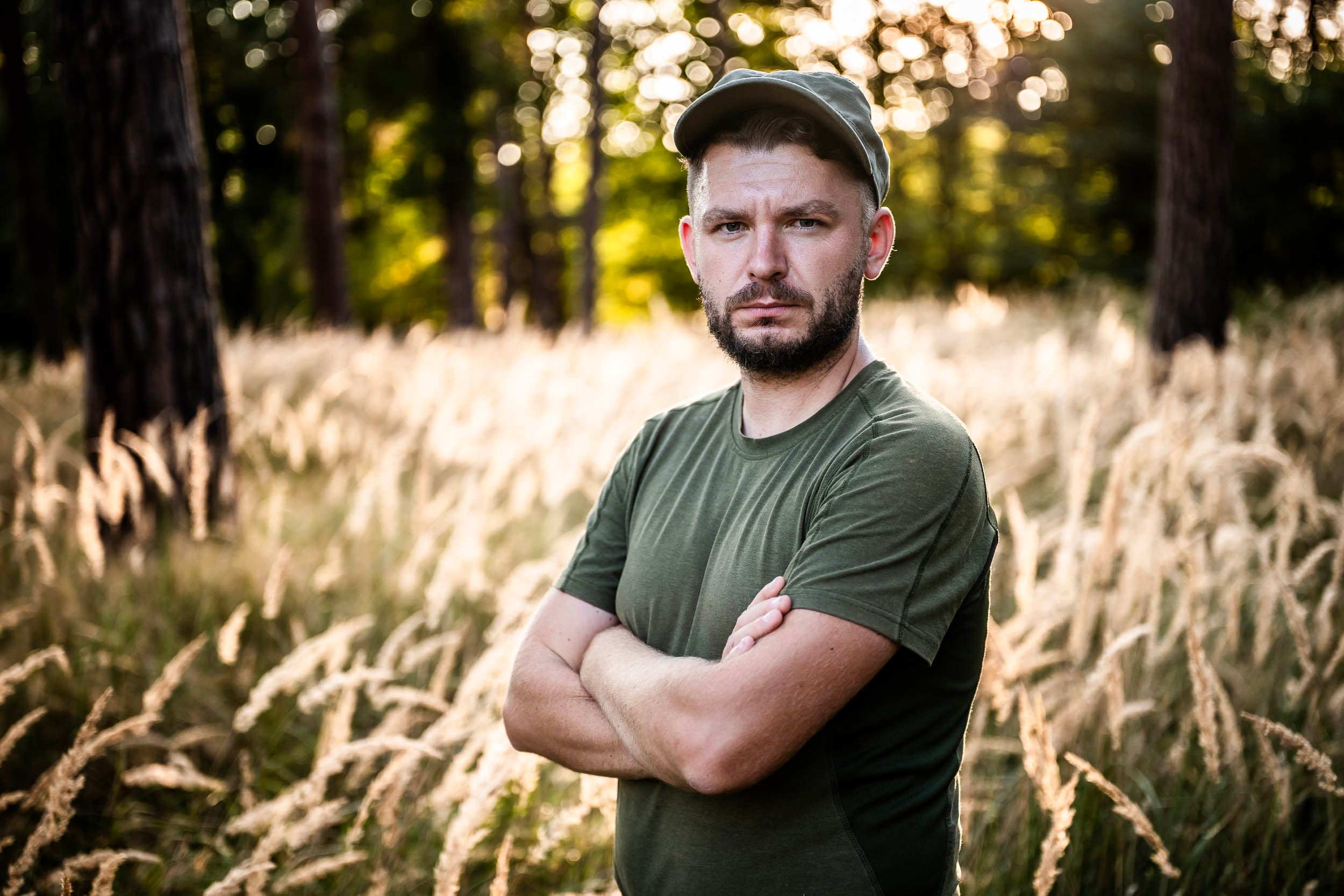
New project by Dr Kobiałka
The interdisciplinary nature of the work (and its international dimension) are intended to shed new light on one of the most mysterious and least scientifically (and archaeologically) researched events of World War II: Aktion 1005, the operation to destroy mass graves by excavating the bodies of the victims and then burning them. The legal aspect of the proposed actions should also be emphasised: the German crimes of autumn 1939 in Gdańsk Pomerania were an example of genocide. Aktion 1005 was intended to destroy evidence of this, but this evidence remained buried. Therefore, Aktion 1005 is the subject of an investigation conducted by the Investigative Division of the Institute of National Remembrance in Gdańsk. The project is a component of this investigation, as genocide and attempts to cover it up are not subject to a statute of limitations. In other words, the project is not a collection of certain metaphors and archaeological tools used to document a given crime scene. In this case, all activities are a part of a prosecutor's investigation. It is an example of forensic archaeology in the literal sense of the word.
81st anniversary of the liberation of Stalag 344 Lamsdorf
The 81st anniversary of the liberation of Stalag 344 Lamsdorf, which falls today, 17 March 2026, reminds us not only of the camp's victims but also of the need to continually deepen our understanding of this memorial site. Research led by Dr Dawid Kobiałka serves precisely this purpose: combining archaeology, history, ethnography and source analysis, it helps us discover and interpret material traces of the former camp complex, verify gaps in documentation and better understand the fate of prisoners of war associated with Łambinowice. Thanks to this work, the Site of National Remembrance is becoming not only a space for anniversary commemorations but also an increasingly fully recognised historical record that can be more reliably commemorated and passed on to future generations.
We encourage you to watch a short reportage filmed in July 2025 during key moments of the ongoing excavations.
Continuing the search in Łambinowice
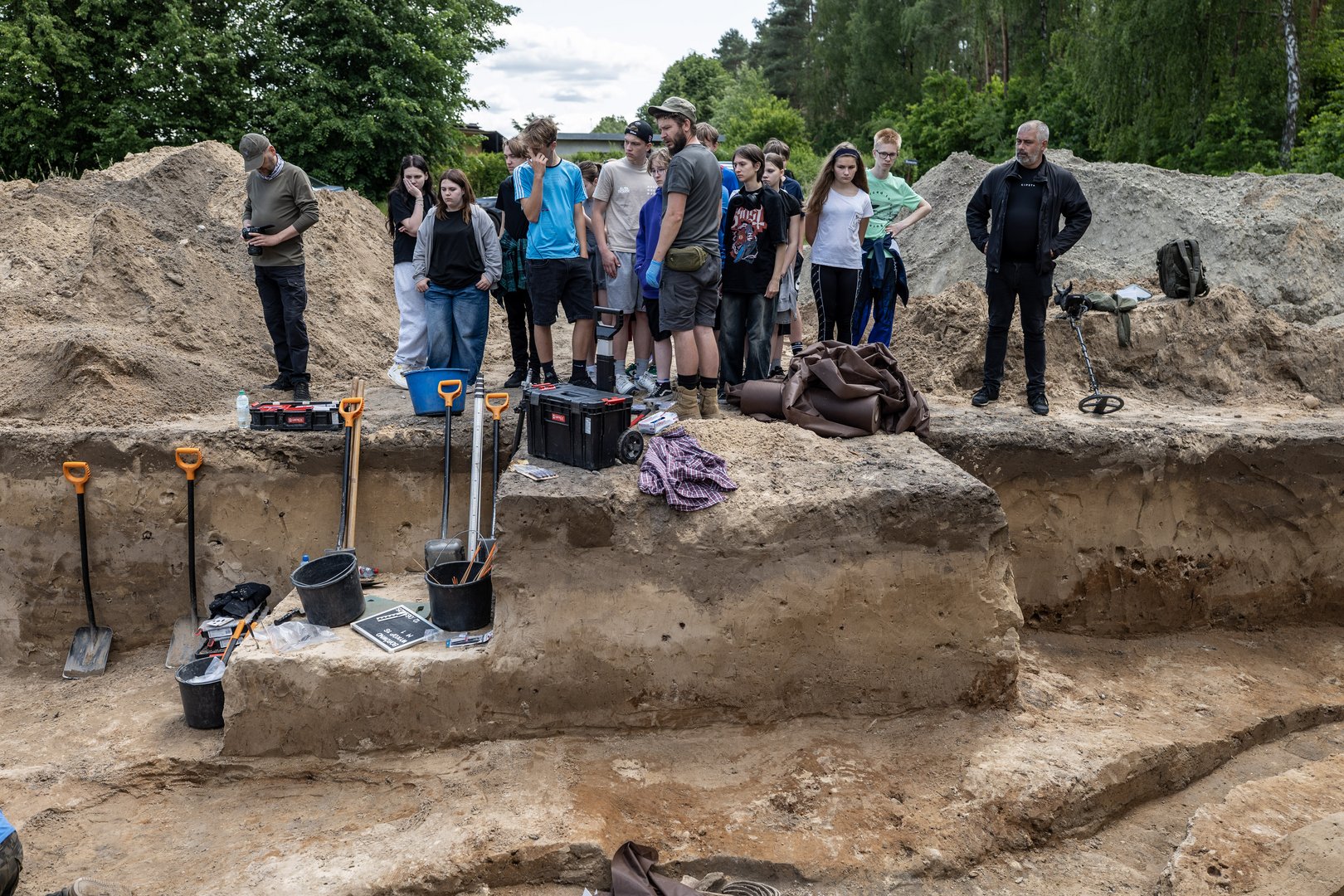
Dr Kobiałka will also manage further research at the Site of National Remembrance in Łambinowice this year. Researchers secured PLN 150,000 under the "Groby i cmentarze wojenne w kraju" [War Graves and Cemeteries in the Country] programme from the Ministry of Culture and National Heritage. The project, titled "Las umarłych? Poszukiwania grobów jeńców wojennych w Miejscu Pamięci Narodowej w Łambinowicach" [Forest of the Dead? Searching for Prisoner of War Graves at the Site of National Remembrance in Łambinowice] aims to attempt to locate Polish soldiers of the Polish Army who died while held captive at the Lamsdorf camp complex during World War II.
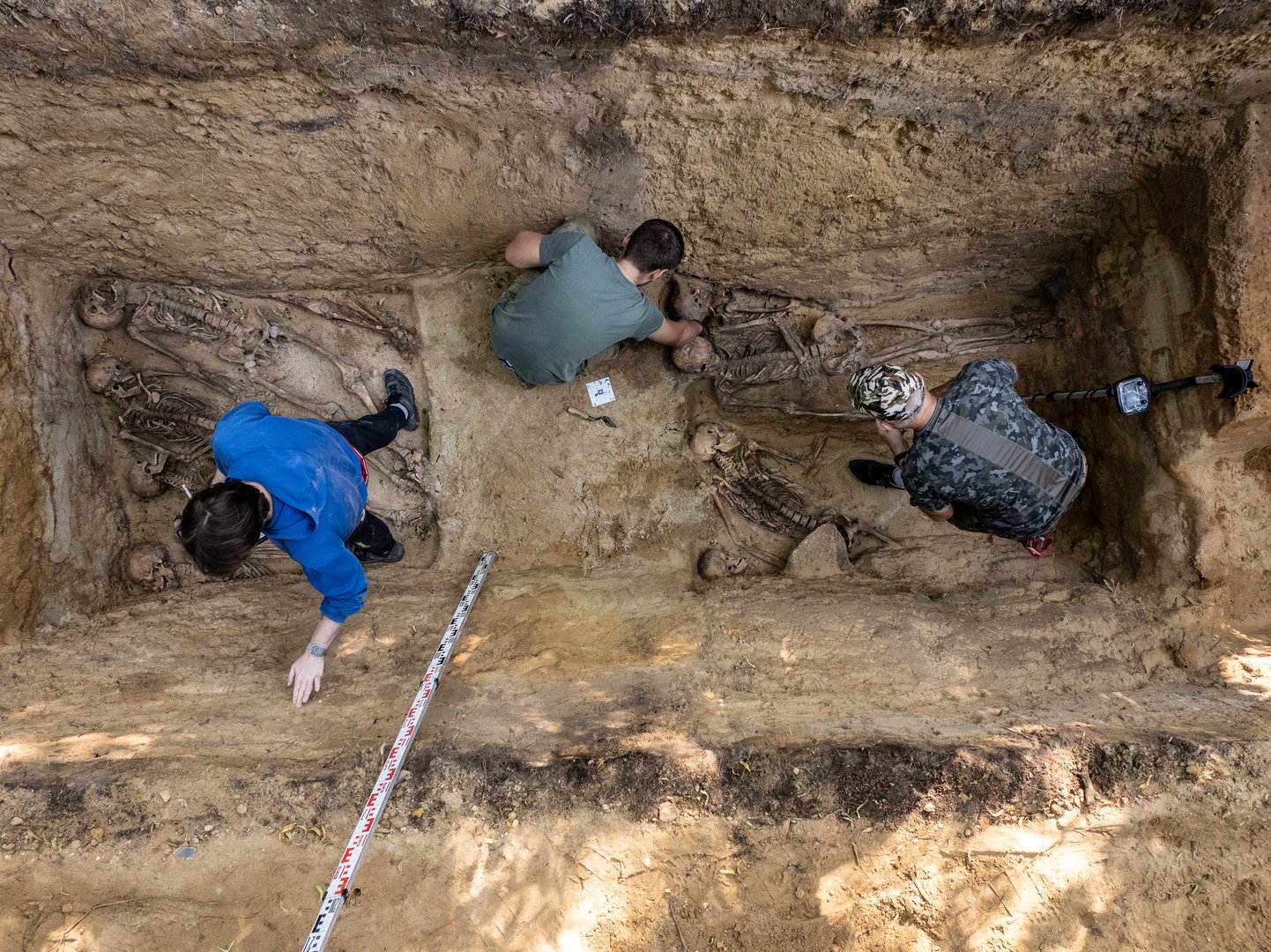
The Site of National Remembrance in Łambinowice (Lower Silesian Voivodeship) is an area of considerable historical significance, where POW and resettlement camps operated for decades, from the 1870s until the mid-20th century. The most tragic years in its history were the years of World War II. At that time, approximately 300,000 prisoners of various armies and nationalities passed through the Lamsdorf POW camp complex – the Lamsdorf Stalags – of which nearly 40,000 died. The first and also the last groups to arrive in Lamsdorf during this period were Poles: in 1939, soldiers of the September Uprising, and in 1944, Warsaw insurgents. It is estimated that a total of approximately 70,000 of them passed through Lamsdorf, and at least several hundred perished. Despite the passage of 80 years since the end of World War II, the locations of their remains remain unknown. The idea behind the project is to identify unknown and unmarked graves of prisoners of war, particularly Polish soldiers. Archaeological research is necessary to achieve this.
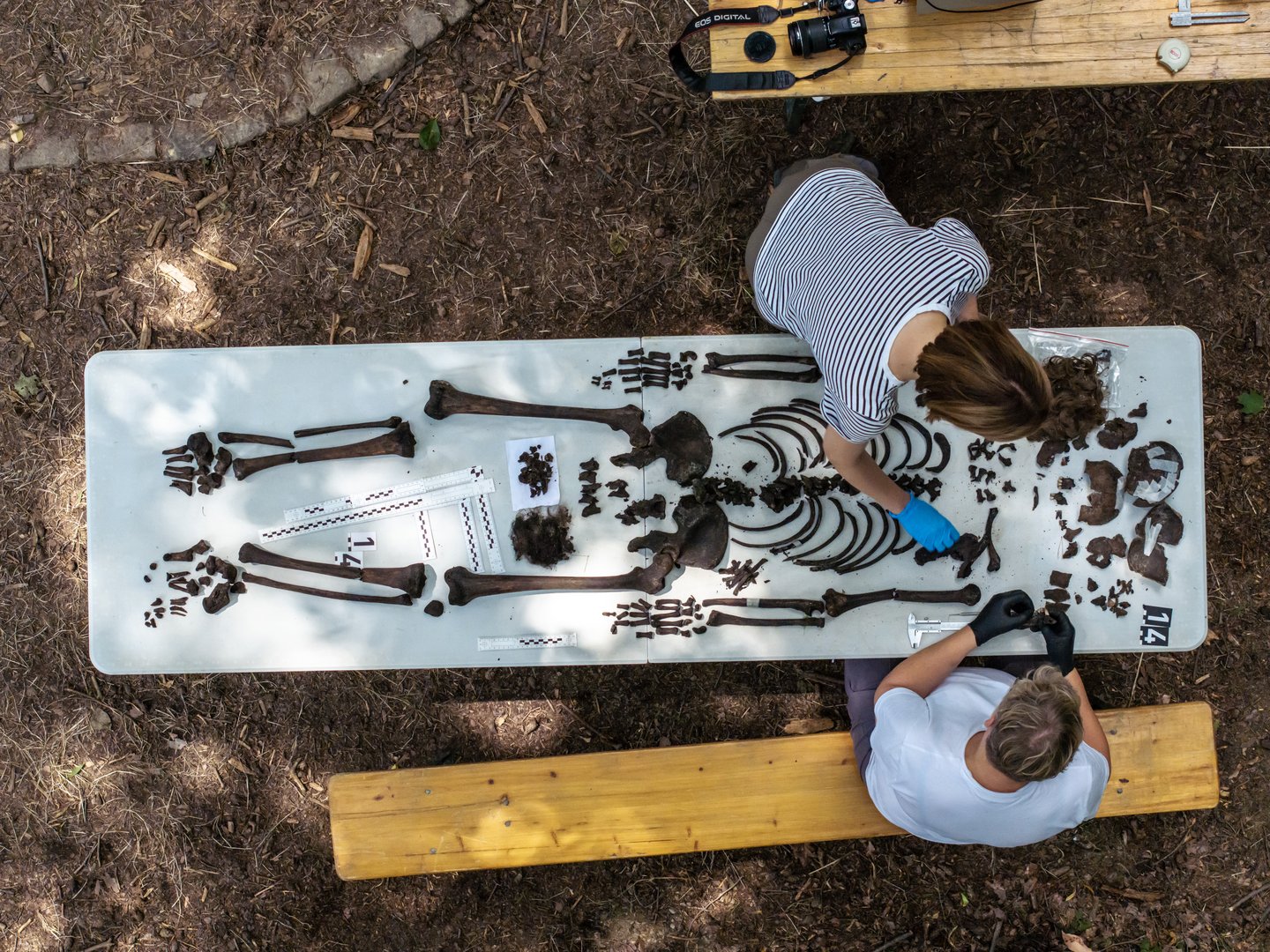
The work carried out so far has yielded numerous important discoveries and findings. The discovery and exhumation of the remains of 60 Italian soldiers who died in Lamsdorf between 1943 and 1944 is among the most significant results. By integrating various data categories and sources, the identities of the individuals involved were established. More information about the research at the Site of National Remembrance in Łambinowice can be found in numerous publications published in prestigious international journals:
www.tandfonline.com/doi/full/10.1080/00934690.2024.2343511
www.tandfonline.com/doi/full/10.1080/00934690.2025.2496855
www.tandfonline.com/doi/full/10.1080/15740773.2023.2288959
Source: Dr Dawid Kobiałka (Department of Historical Archaeology and Weapon Studies, Univeristy of Lodz)
Edit: Michał Gruda (Centre for External Relations and Social Responsibility of the University, University of Lodz)
Editing and photography: Dominik Nogala (Centre for External Relations and Social Responsibility of the University, University of Lodz)
Photos in the article: Daniel Frymark