Discussions about the prospects of universities and cities
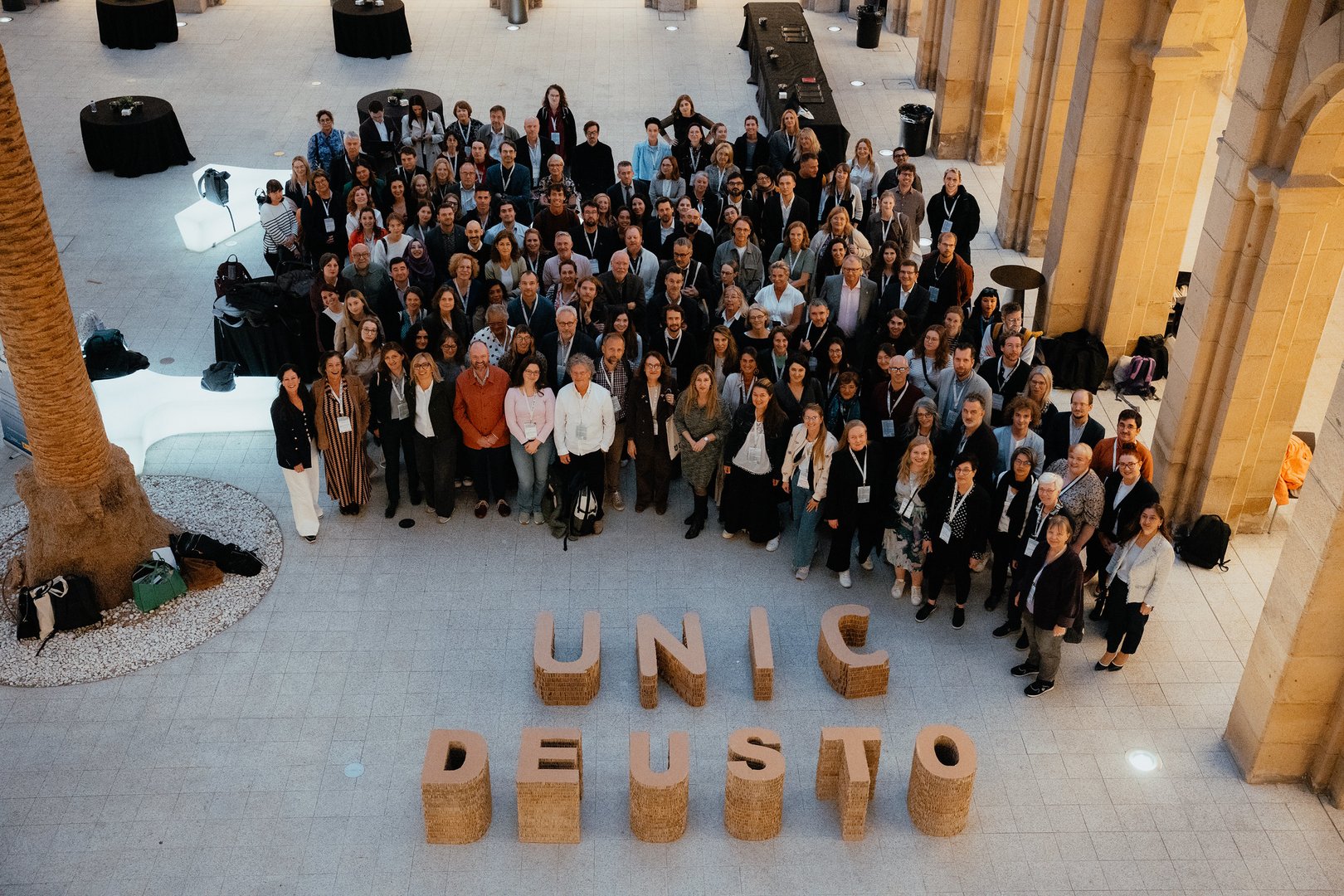
The UNIC Working Conference 2025 took place in Bilbao, at the Spanish/Basque University of Deusto on 4-5 November 2025. Discussions on topics related to the future of universities, the mobility of academic communities and the shaping of education took place within the university's historic walls. Cooperation between cities and universities in the face of new challenges was also considered – an area of particular importance to the UNIC Alliance.
During the first plenary session, speakers included representatives from the University of Deusto, city officials and the Basque Government. Those present also had an opportunity to admire traditional Basque dancing, accompanied by music played on the Txiruli, a type of wind instrument resembling a flute.
The main programme included workshops and discussions such as "Word Cafe", "Innovative Mobilities" and "Concept to Practice", which covered topics related to artificial intelligence, intercultural competences, innovations in education and the creation of common curricula.
There were also meetings on forecasting and preparing for various scenarios that the future may bring. The event participants sought answers to questions such as what to do to support European integration, how the European University might function in 30 years and what vision of cities best fosters community action
– says Bartosz Kałużny, who is responsible for UNIC promotion and communication at the University of Lodz.
City as a laboratory of innovation – Lodz's contribution to the UNIC Alliance
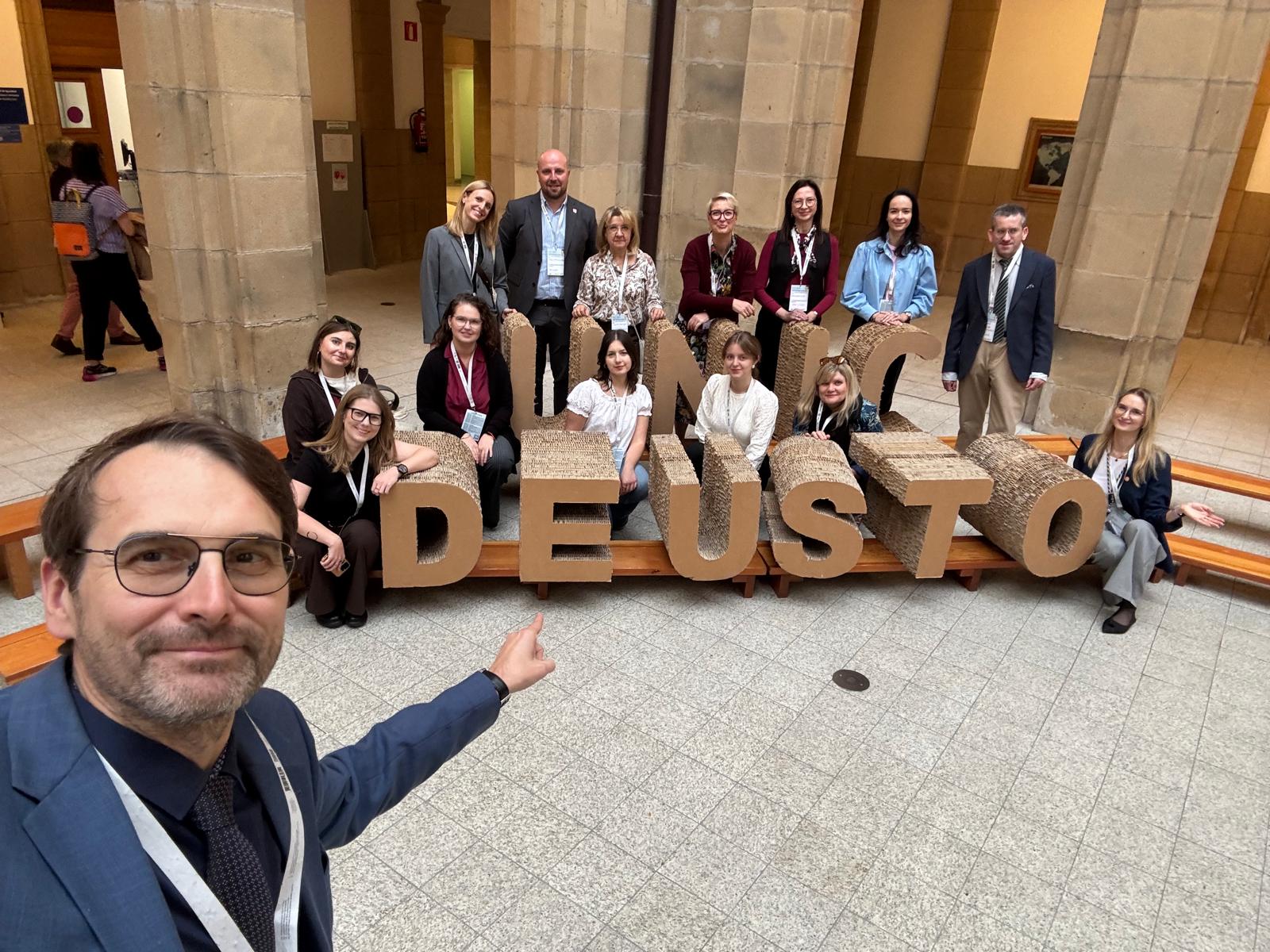
Close cooperation between cities and universities is the foundation of the UNIC Alliance. The University of Lodz and the City of Lodz Office consistently develop joint initiatives based on knowledge, dialogue and social engagement. In this way, they create a model of partnership in which science supports the city's development, and urban experiences inspire directions for research and teaching.
During working meetings in Bilbao, representatives of the City of Lodz Office – Katarzyna Dyzio (Director of the Urban Activity Office) and Aleksandra Sztuka-Tulińska (Deputy Director of the Environmental Management Department) – shared their experiences with the Eco-Budget for Lodz project, implemented in cooperation between the City of Lodz Office and researchers from the University of Lodz. The project was to empower residents to participate in decision-making regarding spending on environmental initiatives in the city. The first edition, in 2025, focused on forest parks, which are intended to become more friendly to nature and residents.
In turn, Dr Małgorzata Dzimińska, Director of the UNIC Centre for City Futures at the University of Lodz, spoke about projects implemented as part of the Science Hub UniLodz, in which students, scientists and city partners working in international teams with researchers and students from UNIC member universities cooperate to find innovative solutions to the challenges facing contemporary Lodz. These projects address issues such as revitalisation and its impact on residents, and the quality and biodiversity of urban greenery. A list of jointly implemented urban projects is available on the project website (go to the project website).
Today, cooperation between universities and the city means not only the exchange of knowledge and experiences but also joint action for real urban transformation
– says Dr Małgorzata Dzimińska from the Faculty of Economics and Sociology of the University of Lodz, Director of the UNIC Centre for City Futures at the University of Lodz.
The need to shift from task-based cooperation to a more transformative approach – connecting science, local government and the local community was a key theme of the conference. Meetings with UNIC partners allowed us to compare experiences and better understand the challenges associated with long-term sustainability and the regulatory framework. We see great potential for Lodz in UNIC – both in educational and research innovations and in activities that engage residents in change processes
– notes Katarzyna Dyzio from the City of Lodz Office.
The clinical method as a bridge between theory and practice in education
The participation in the conference in Bilbao also provided a unique opportunity to meet a community of people seeking new ways of thinking about teaching – not only in terms of imparting knowledge, but also in shaping skills, attitudes and social sensitivity. Discussions revolved around the question of how to teach so that students can not only understand theory but also perceive people, context and the consequences of phenomena.
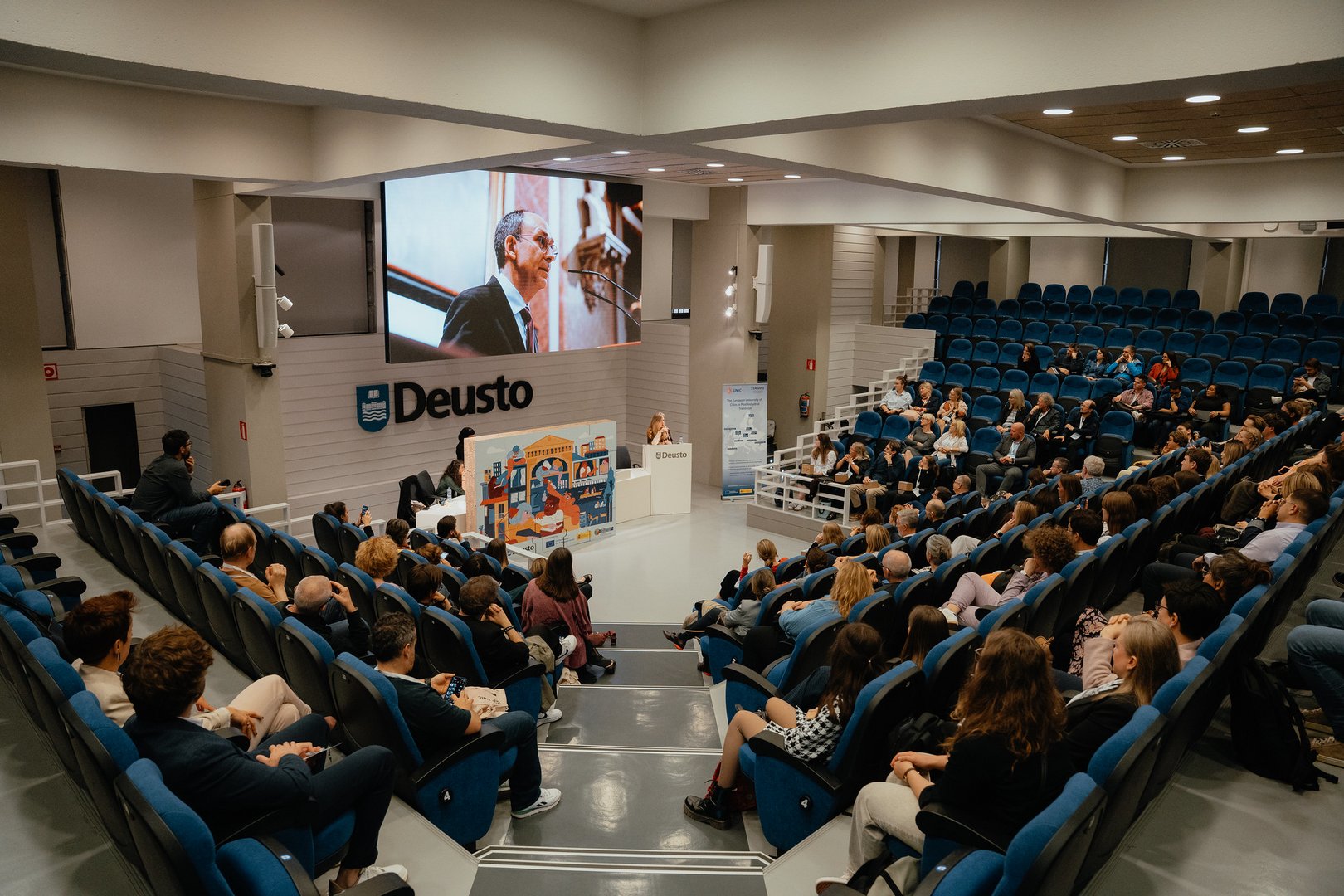
During the World Café session, we discussed the clinical method in a broader sense – as a teaching approach based on experience, reflection and engagement
– reports Dr Izabela Florczak from the Faculty of Law and Administration, University of Lodz, who coordinates the partnership's activities in the thematic areas of justice, security, and institutional cooperation.
For many participants, it was a space to exchange experiences from various educational systems and models – from classes conducted in traditional universities to interdisciplinary programmes. The belief that effective learning requires real contact with the world outside the university, as well as the courage to use methods that go beyond lectures and exams was a common thread.
The discussions focused not only on how to conduct practical classes, but above all on how to build an educational environment that fosters critical thinking, collaboration and empathy. The exchange of experiences with participants from various countries demonstrated that clinical learning, in this methodological rather than institutional sense, is becoming the common language of academic education, regardless of curricula or studies organisation.
Many presentations and discussions also addressed the broader role of the university in society. In this sense, the clinical method, understood as a way of conducting a dialogue between theory and practice, between the university and social reality, takes on particular significance today. It demonstrates that academic education can and should help students not only acquire specialist knowledge but also appreciate the human and social significance of their profession.
Relationships as the foundation of European alliances
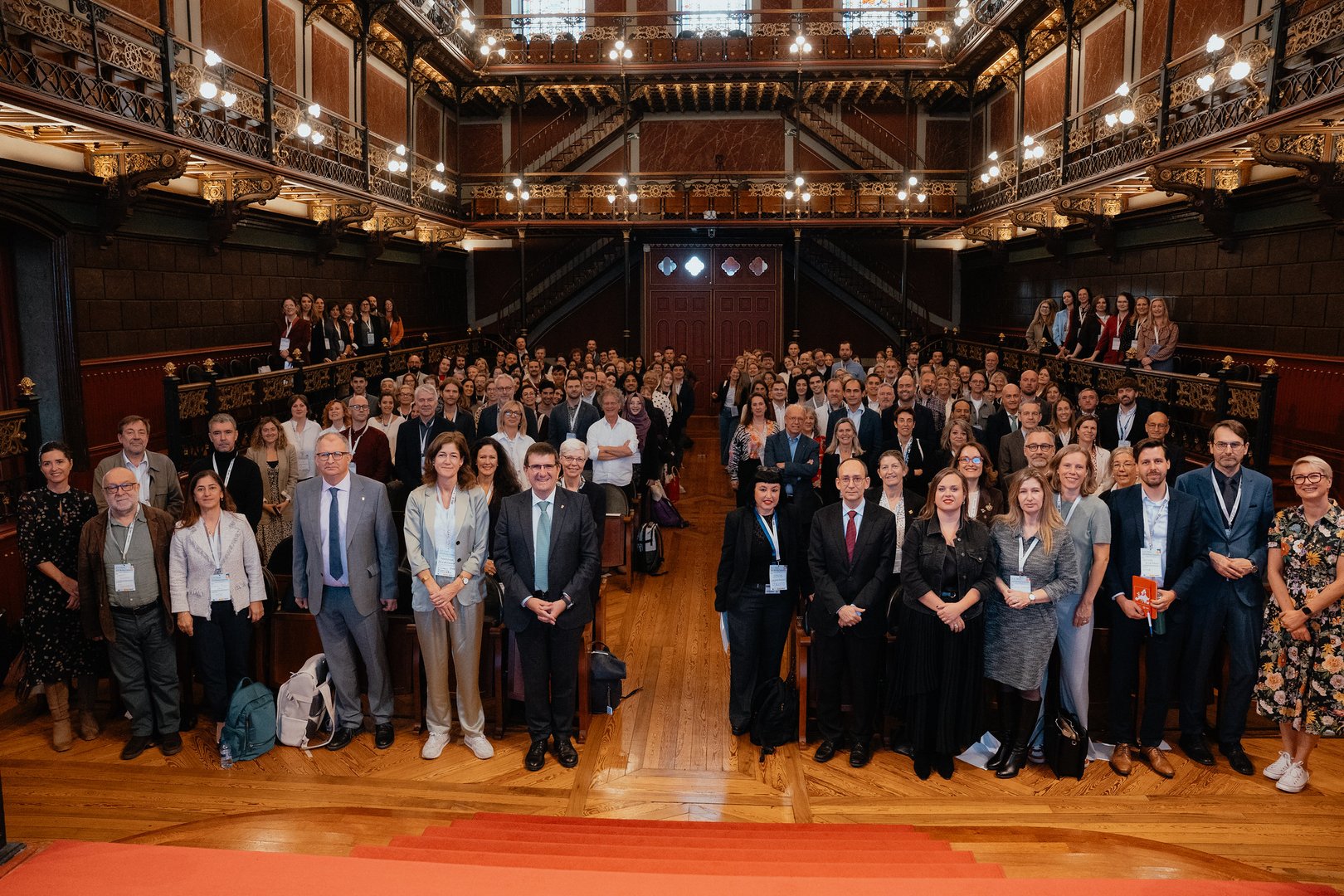
The three days of the event were filled with inspiring plenary sessions, workshops and panel discussions, but above all, there was room for networking and discussions between our counterparts: those working in science, administration and studying, as well as those representing the city. This is the greatest positive value of this conference: communication focused on a common goal
– notes Marta Jeżykowska from the University of Lodz International Centre, who deals with the UNIC area of building a community of researchers and educators.
As part of the UNIC Working Conference, participants worked on how to translate the ideas of European Universities into everyday decisions: common modules, simpler mobility and the alignment of certain teaching programmes (courses) between universities.
It is precisely such meetings that build trust capital – we get to know each other by name, understand the contexts and call our partner more quickly when an idea or a problem arises
– underlines Anna Rolczak, the University of Lodz Chancellor.
Erasmus+ provides real tools and funding for such activities – this applies, for example, to mobility and programme cooperation.
However, that's only half the equation. The other half is the relationships that develop behind the scenes, during workshops and study visits. This makes the Alliance a "platform for action," not just a project: it's easier to launch joint courses, micro-credentials or "challenge-based" tasks with the city in the CityLabs formula, precisely where UNIC has a unique advantage; where it develops cooperation between the university, the city and social partners (...)
Bilbao was a good test; we're more efficient at agreeing on quality standards, seeing where to remove administrative barriers and how to integrate mobility into the core of programmes, rather than running it alongside our regular courses. European funding enables this movement, and conferences like these give it direction – relationships result in cooperation, and cooperation results in benefits for students, staff and our cities
– adds Anna Rolczak.
Expanding subject cooperation
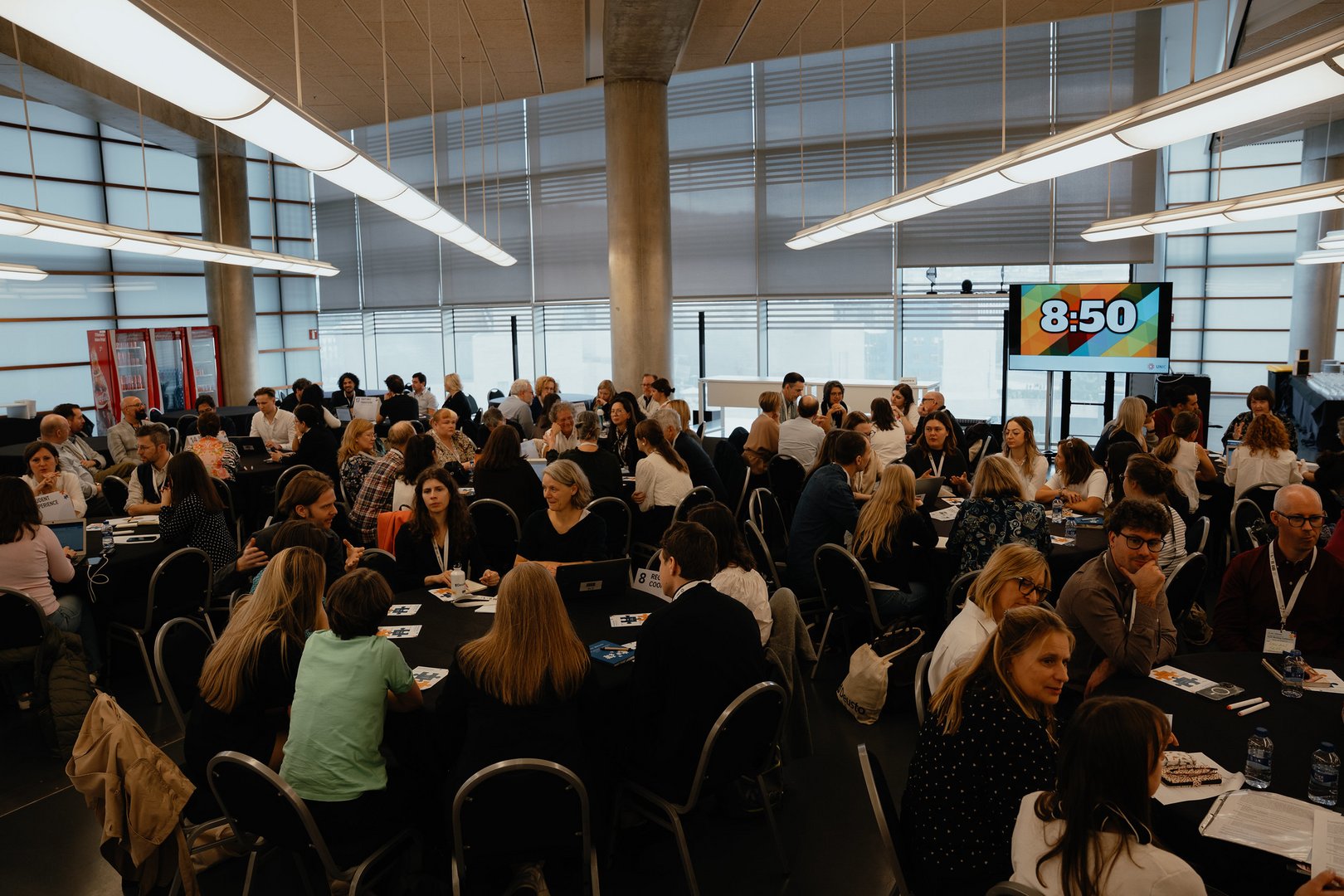
In terms of content-related cooperation within UNIC 2.0, it is currently implemented within the seven so-called thematic lines and focuses largely on developing activities in the sphere of teaching/educational cooperation.
Thematic cooperation to date is almost entirely focused on the social sciences and humanities. It seems reasonable, therefore, to further diversify these thematic activities in the long term of the UNIC Alliance and explore areas of cooperation also related to the exact/natural sciences, particularly those involving basic research and research and development in sectors related to the creation of solutions that are crucial for the competitiveness of future economies and societies, such as biotechnology, artificial intelligence, clean energy sources, and the like
– analyses dr hab. Dominik Drzazga from the Faculty of Management, University of Lodz, who at UNIC at the University of Lodz deals with the area of sustainable development and green cities.
Towards mutual understanding and peace in Europe
For me, the European project: the European Union and most of its initiatives, especially educational ones (including ERASMUS programmes and European University Alliances), is intended to ensure that Europe is free from wars and conflicts, or at least significantly minimises them. Conferences, workshops and meetings like these serve this purpose because we simply spend time together and talk and thus understand each other better. Integration, positive comparisons, mutual learning, diverse perspectives and diverse practices help improve institutions
– concludes Rector of the University of Lodz, Prof. Rafał Matera.
For me, the conference in Bilbao is another sign that we care about alliances and the creation of university communities in Europe
– adds the Vice-Rector of the University of Lodz, Prof. Katarzyna de Lazari-Radek, who represents the University of Lodz on the UNIC Council.
The UNIC Working Conference 2025 strengthened cooperation between universities and demonstrated that diversity and openness are the strength of the Alliance, setting new directions for its further progress. The next meeting is scheduled for the University of Cork in Ireland. It will provide an opportunity to further develop the already started initiatives.
A few days before the conference in Bilbao, the University of Lodz was visited by a European delegation from UNIC. What could we boast about? You can read about it in a separate news item (go to news).