
The UNICOPS project aims to strengthen the security of academic communities across EU Member States by developing comprehensive protective systems against chemical, biological, radiological/nuclear, and explosive (CBRNE) threats, while preserving the open character of higher education institutions.
Key activities planned within the project include:
- Analysis of existing levels of awareness, security, legal frameworks, institutional procedures, and capability gaps,
- Study visits to verify the effectiveness of current solutions,
- Development of evidence-based recommendations to improve safety systems,
- Creation of a comprehensive training programme incorporating traditional learning methods and innovative tools such as virtual reality and the serious game THOR,
- Preparation of specialists from various academic sectors to respond effectively to CBRNE incidents,
- Evaluation of the developed solutions during large-scale simulation exercises under near-real-world conditions.
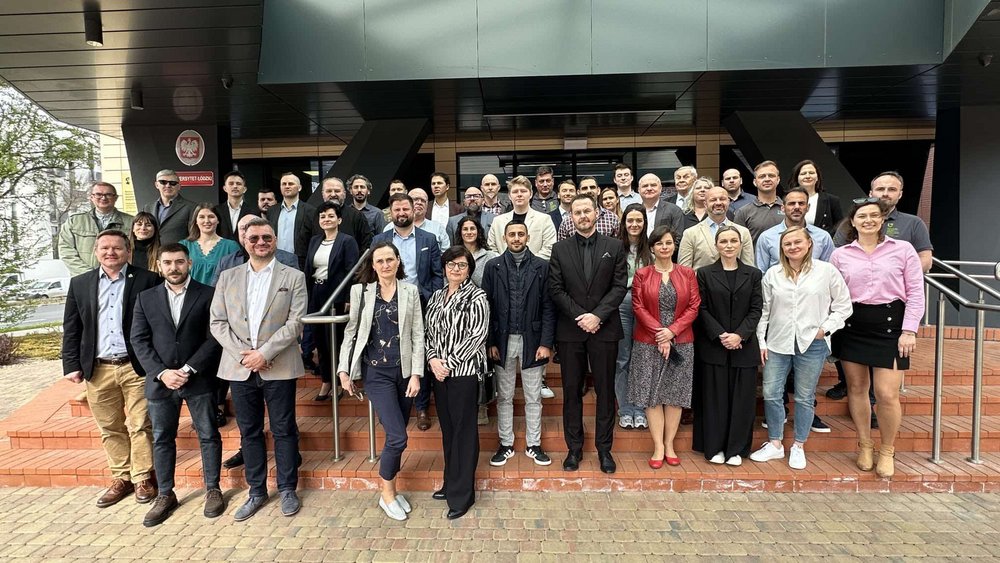
The UNICOPS consortium comprises 21 partners from 7 EU countries: Poland, Slovakia, Greece, Czechia, Cyprus, Germany, and Spain. The project is led by the University of Lodz.
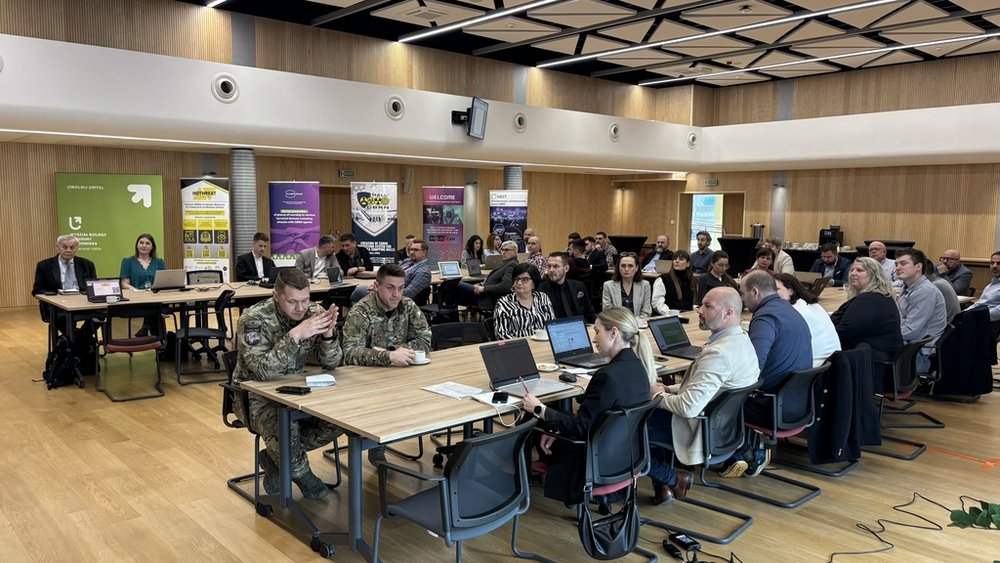
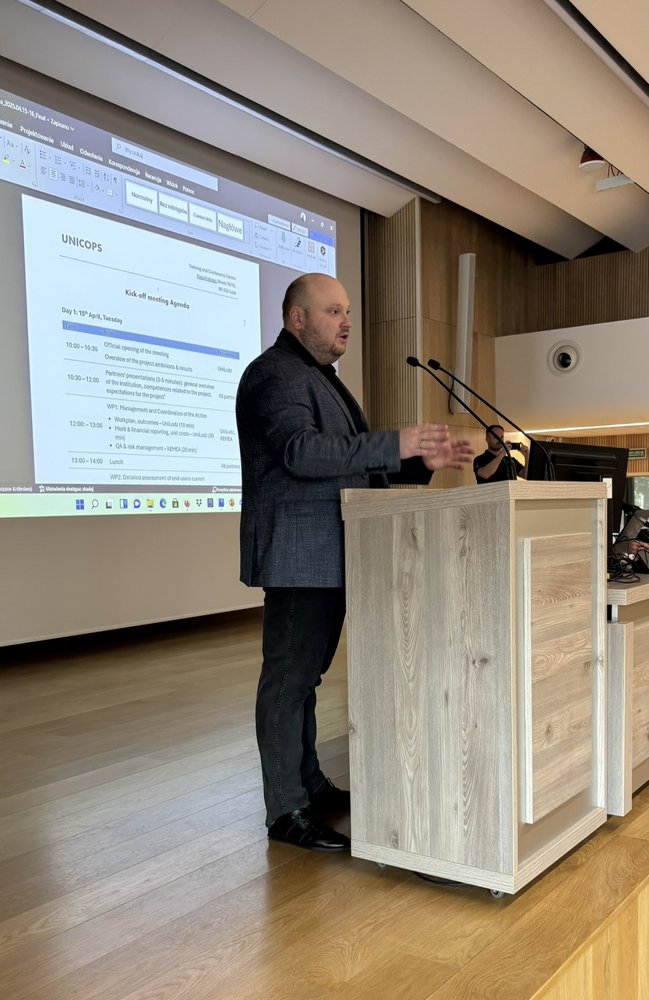
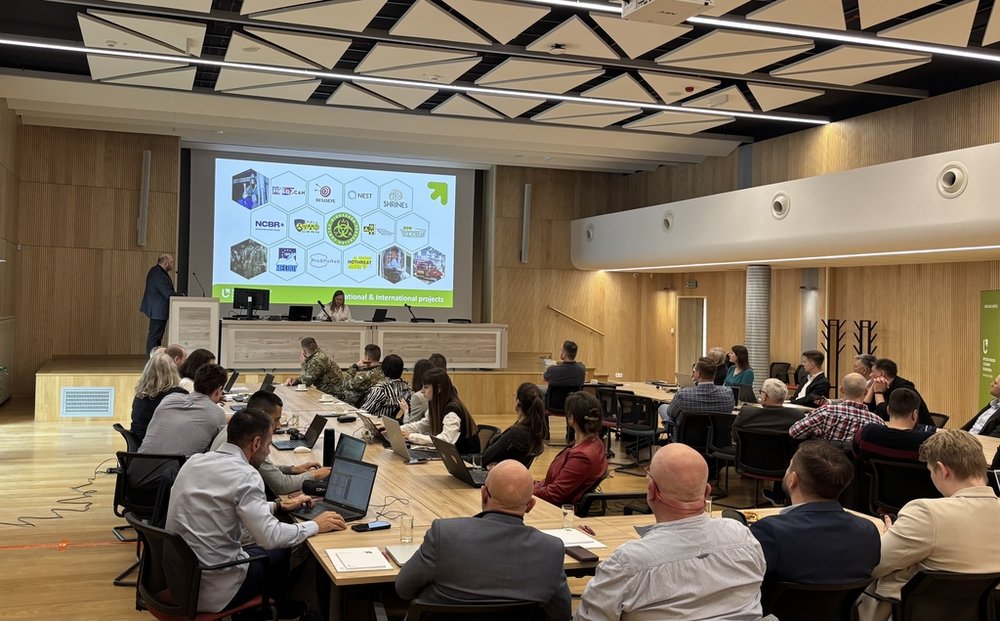
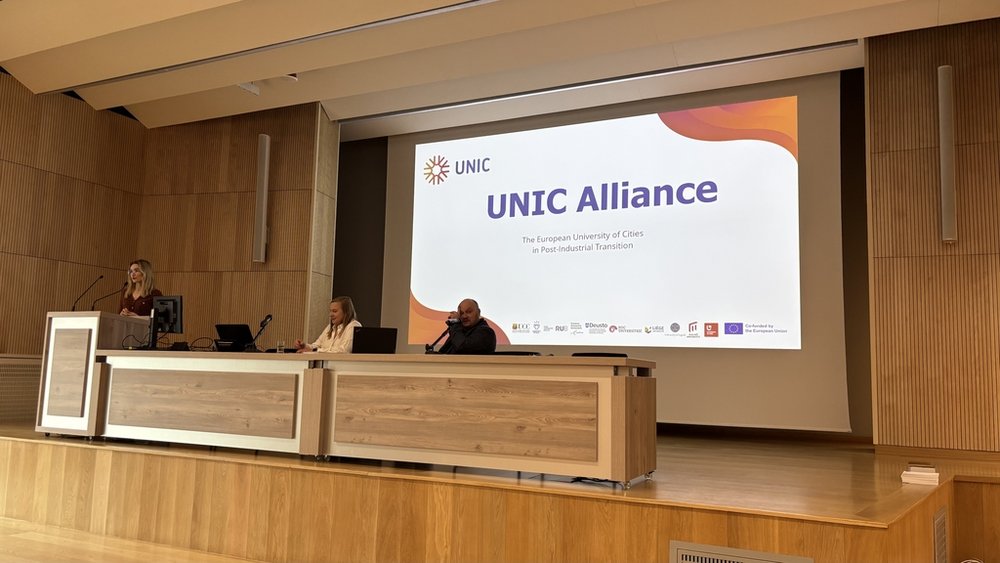
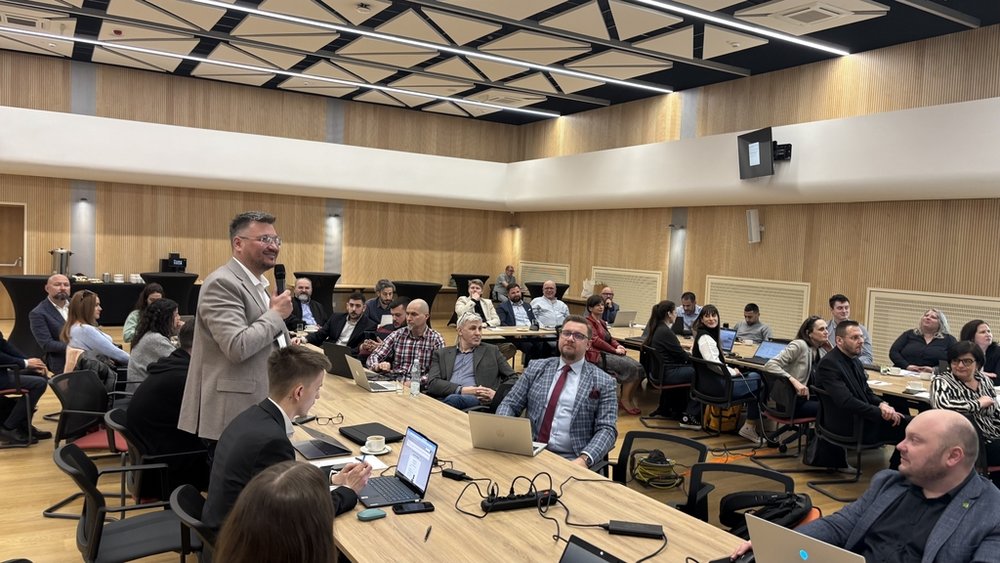
The meeting was officially opened by the Project Coordinator, Prof. Michał Bijak, who outlined the project's objectives and highlighted synergies with other initiatives carried out by the Biohazard Prevention Centre at the University of Lodz. Following the opening, all partners introduced themselves and their institutions. Work Package Leaders presented detailed plans for the implementation of individual components of the project.
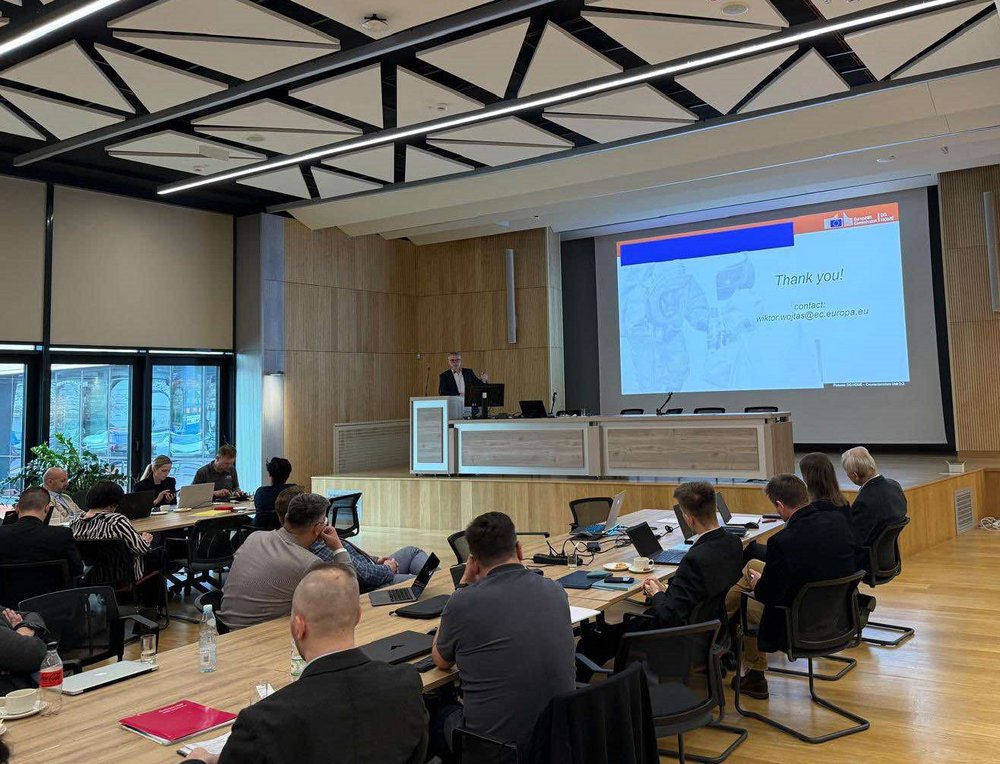
A highlight of the meeting was a presentation by Mr. Wiktor Wojtas from the European Commission’s Directorate-General for Migration and Home Affairs, who spoke about the European Union’s current policy on CBRN threats and security.