UNIC, an alliance of universities from post-industrial cities, of which the University of Lodz is also a member, aims to respond boldly to a rapidly changing world and the evolving needs of local communities. For this reason, the UNIC Thematic Lines Best Paper Awards recognise authors of outstanding academic publications that deepen our understanding of how institutions adapt to changing conditions and contribute to security, health and well-being in post-industrial urban environments. The UNIC Thematic Lines Best Paper Awards 2026 is not only a scientific distinction but also an opportunity to promote research within an international network of universities and to develop cooperation among UNIC partners.
The laureate from the University of Lodz will personally receive the award during the UNIC Thematic Conference at Koç University in Istanbul, which will be held on 17–19 June 2026.
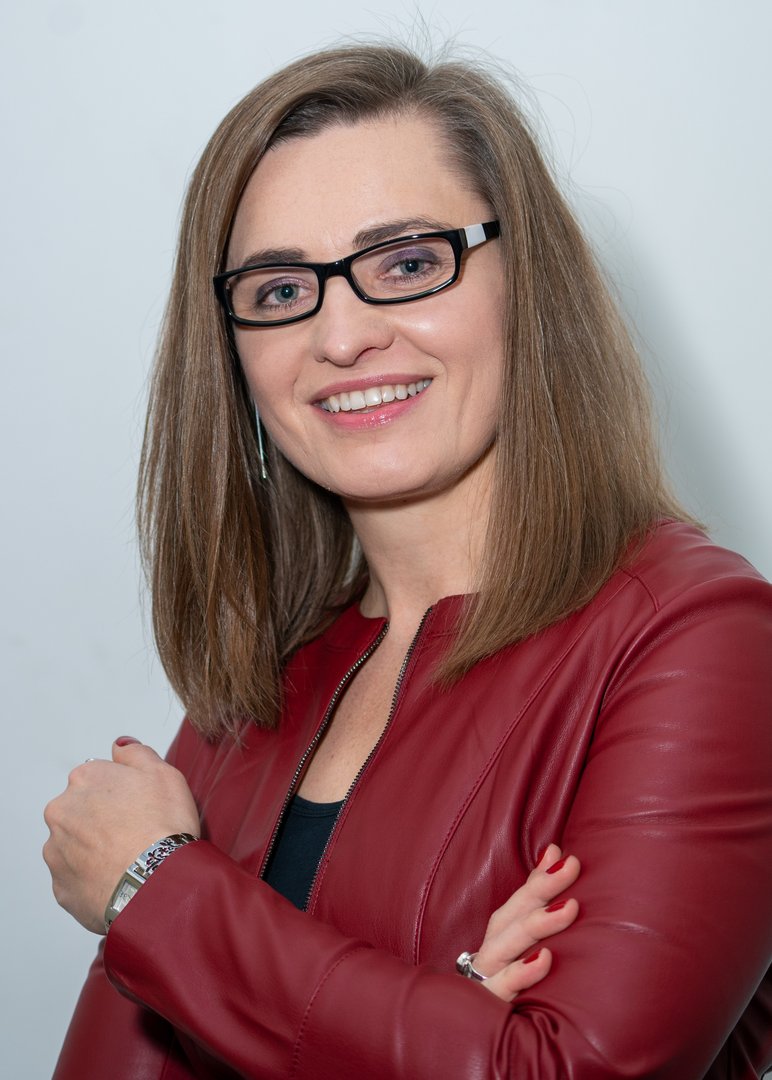
Dr Monika Kaźmierczak works at the Department of Polish Dialectology and Logopaedics at the Institute of Polish Philology and Logopaedics, Faculty of Philology, University of Lodz. She has been researching cluttering (a type of disordered speech) and actively promoting knowledge about this condition for many years. Initially, her work involved delivering presentations on the nature of cluttering and its characteristics at conferences in Poland and abroad. Over time, her engagement expanded to include intensive activity in the media (radio broadcasts, interviews, and the Facebook Group G). Currently, Dr Kaźmierczak’s research focuses, among other areas, on predicting cluttering in young adults, its prevention, exploring the nature of this linguistic and communicative phenomenon, as well as developing new methods for its study, diagnosis and therapy.
In her award-winning article, Dr Monika Kaźmierczak emphasises that previous research on cluttering has largely focused on its traditional, linear description as a fluency disorder. She proposes a different perspective – one that views cluttering as a non-linear, dynamic phenomenon characterised by linguistic and communicative disorder. A complementary, non-antagonistic understanding of both order and disorder provides a basis for linguistic adaptations of chaos theory and for reflection on the concept of the chaosmos of cluttering. The concept of a chaological analysis of cluttering assumes that the utterances of individuals with cluttering are not merely deviations from fluency norms, but rather manifestations of a complex dynamic system oscillating within a spectrum of non-fluency, between order and chaos.
It should be noted that Dr Kaźmierczak’s article was one of 29 submissions to the UNIC Thematic Lines Best Paper Awards 2026 competition.
Once again, we would like to extend our warmest congratulations to her and wish her continued success!
Source and edit: Press Office, University of Lodz
Photo: private archive of dr Monika Kaźmierczak