About the programme
The programme aims to actively protect the European pond turtle and will run for many years. This is an innovative project on a national scale, as it focuses on breeding in conditions as close to natural as possible while eliminating the greatest threats.
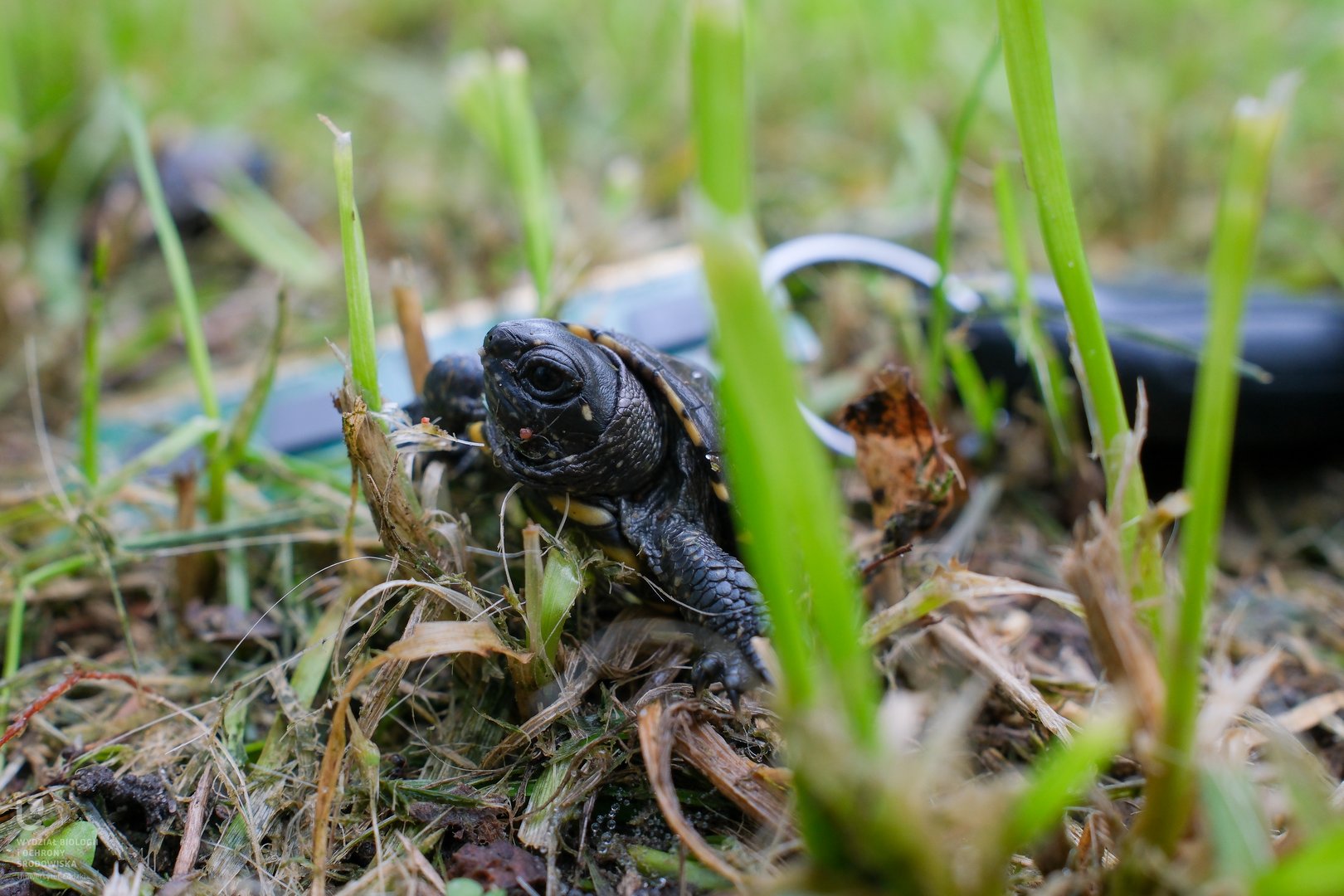
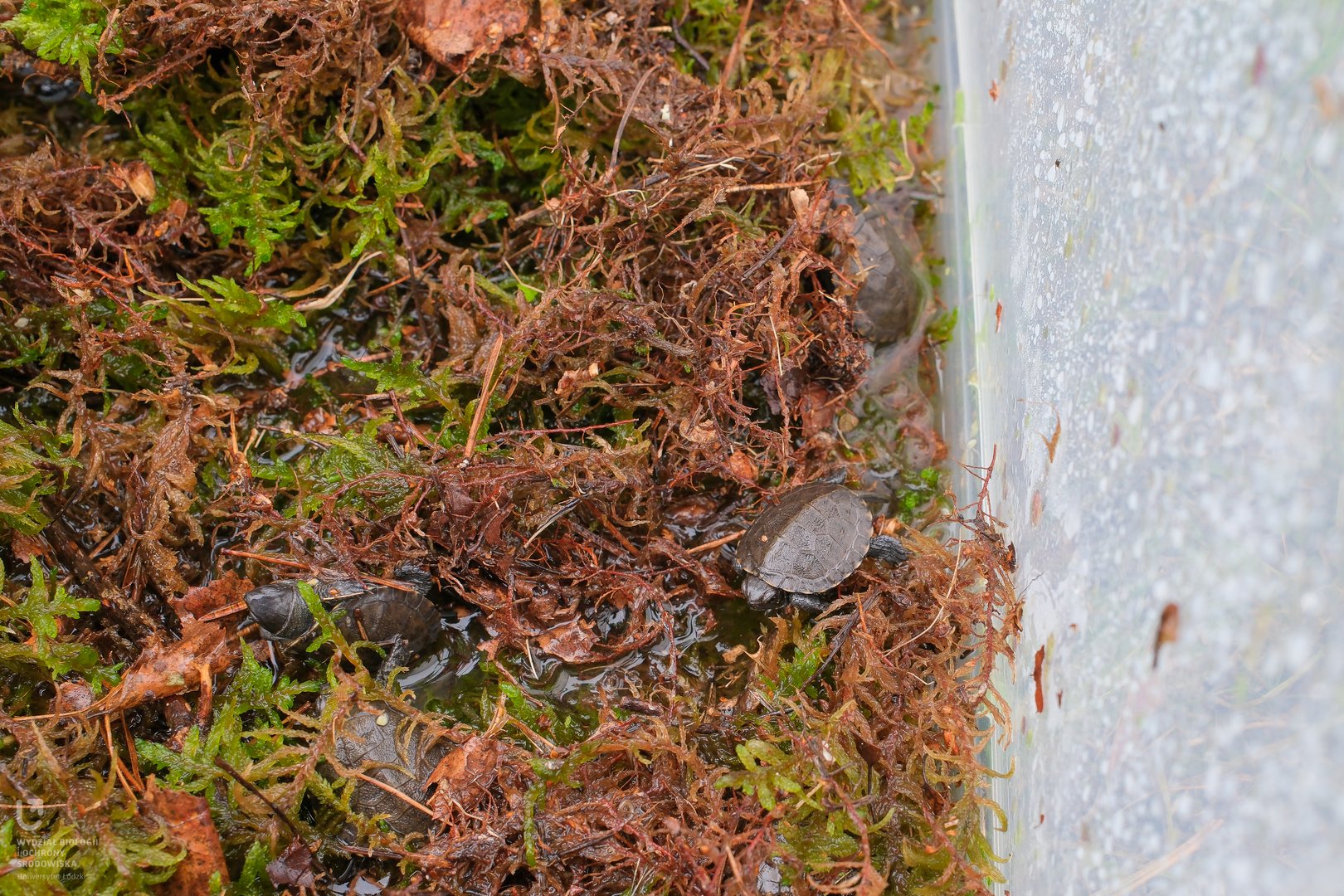
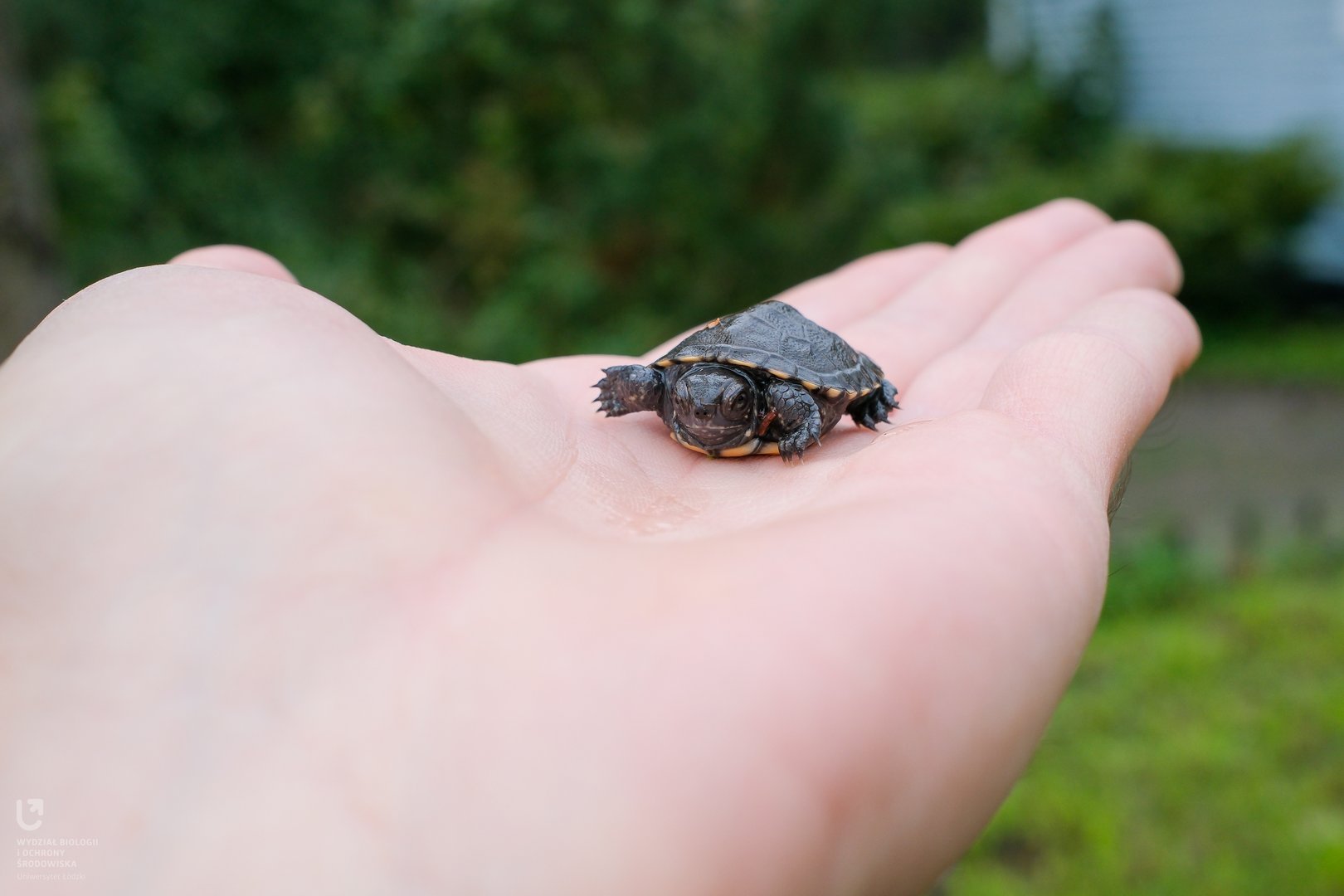
1. Origin and Safe Breeding: Young turtles, just a few days old after hatching, come to us from Polesie National Park – the species' natural habitat. Two cohorts of 50 individuals each have already been brought to the Łódź ZOO Orientarium (in September 2024 and 2025).
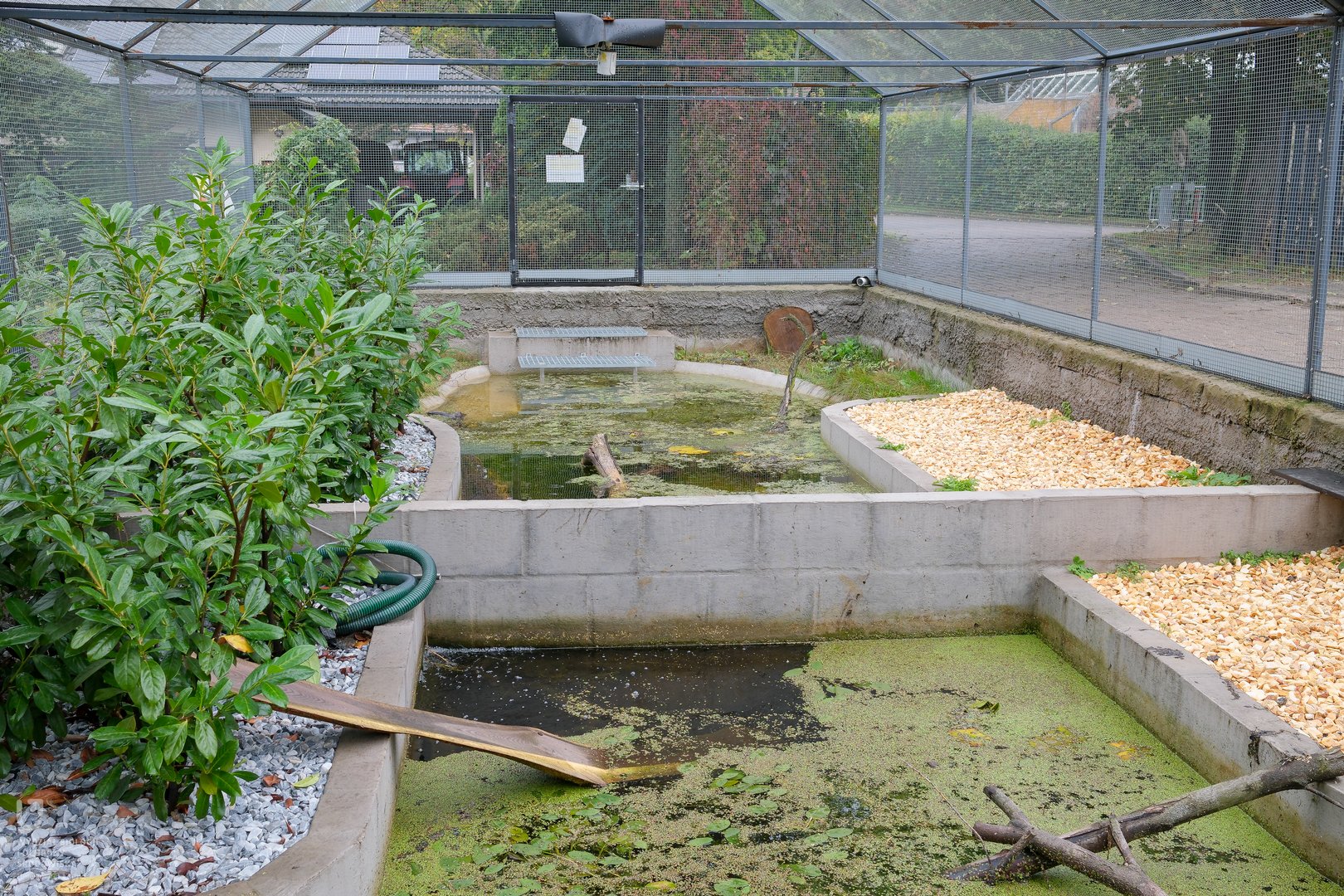
2. Safety Period: For the first three years of their lives, the cubs are raised in a specially prepared, indoor aviary within the Łódź ZOO Orientarium (preventing predators from access). This period is crucial:
- In the wild, only about 1% of baby turtles survive due to predation.
- In the safe environment of a zoo, turtles will grow larger in size during their first three years of life, dramatically increasing their chances of survival once released.
- The turtles live in natural environmental conditions (variable temperature, exposure to the sun and natural UVB, the need to obtain food independently), which means that their physiology and natural instincts and reflexes needed to survive in nature are not disturbed.
3. Return to Nature: After reaching the "safe" age of 3 years, the turtles will be gradually released in selected, wet and difficult-to-access places in the voivodeship. Ultimately, they will live in, among other things, Spalski and Bolimowski Landscape Parks.
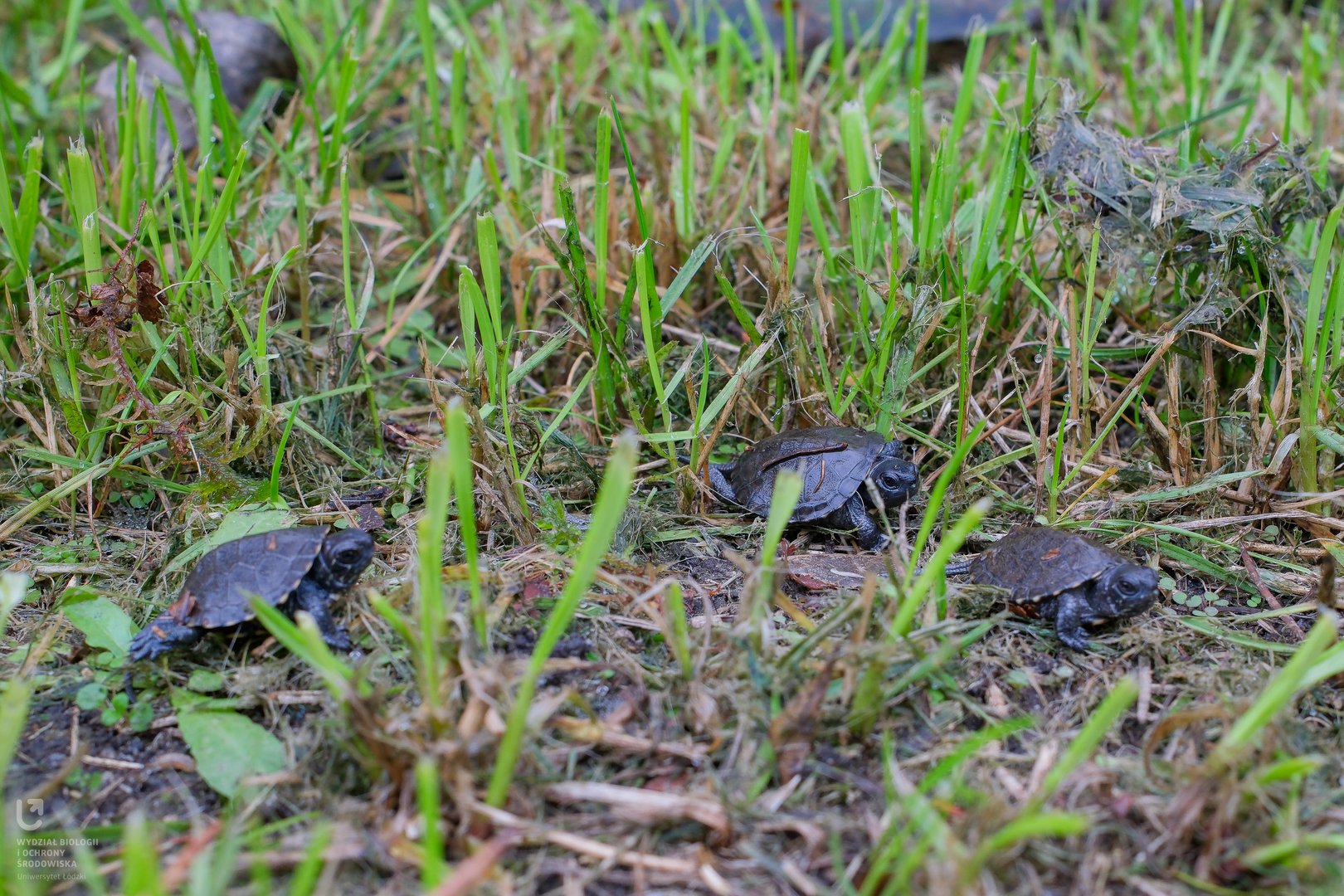
The first 50 young turtles, imported in September 2024, survived the winter and summer 100%, have grown significantly and are in excellent condition.
Commitment of the Faculty of Biology and Environmental Protection and the partners
The project's success depends on close cooperation between multiple institutions. The reintroduction agreement was signed on 21 October 2024. Dr hab. Tomasz Janiszewski is coordinating the University of Lodz’s activities, providing content support in determining the appropriate course of action for reintroduction.
The project partners:
- Orientarium ZOO Łódź (the project coordinator)
- University of Lodz (Faculty of Biology and Environmental Protection) (scientific support)
- Regional Director for Environmental Protection in Łódź (RDOŚ)
- Regional Directorate of State Forests in Łódź
- Landscape Parks Complex of the Lodz Voivodeship
All the partners have committed to carrying out protective, care and monitoring activities for the European pond turtle and its habitats.
Why has the European pond turtle become extinct in the Lodz Voivodeship?
The European pond turtle (Emys orbicularis), listed in the Polish Red Data Book of Animals as EN (severely endangered), was once common. The main cause of its extinction is human activity and the resulting environmental degradation:
- Habitat Destruction: Wetland drainage, river regulation, water pollution and the loss of suitable egg-laying sites due to afforestation and natural succession.
- Habitat Fragmentation: Dividing populations into isolated, less resilient micropopulations.
- Predation: Foxes, raccoon dogs, raccoons, and American minks eat juveniles and dig up egg deposits.
- Competition: Introducing alien, invasive turtle species.
- History: For years, the European pond turtle was eaten as a "fasting delicacy".
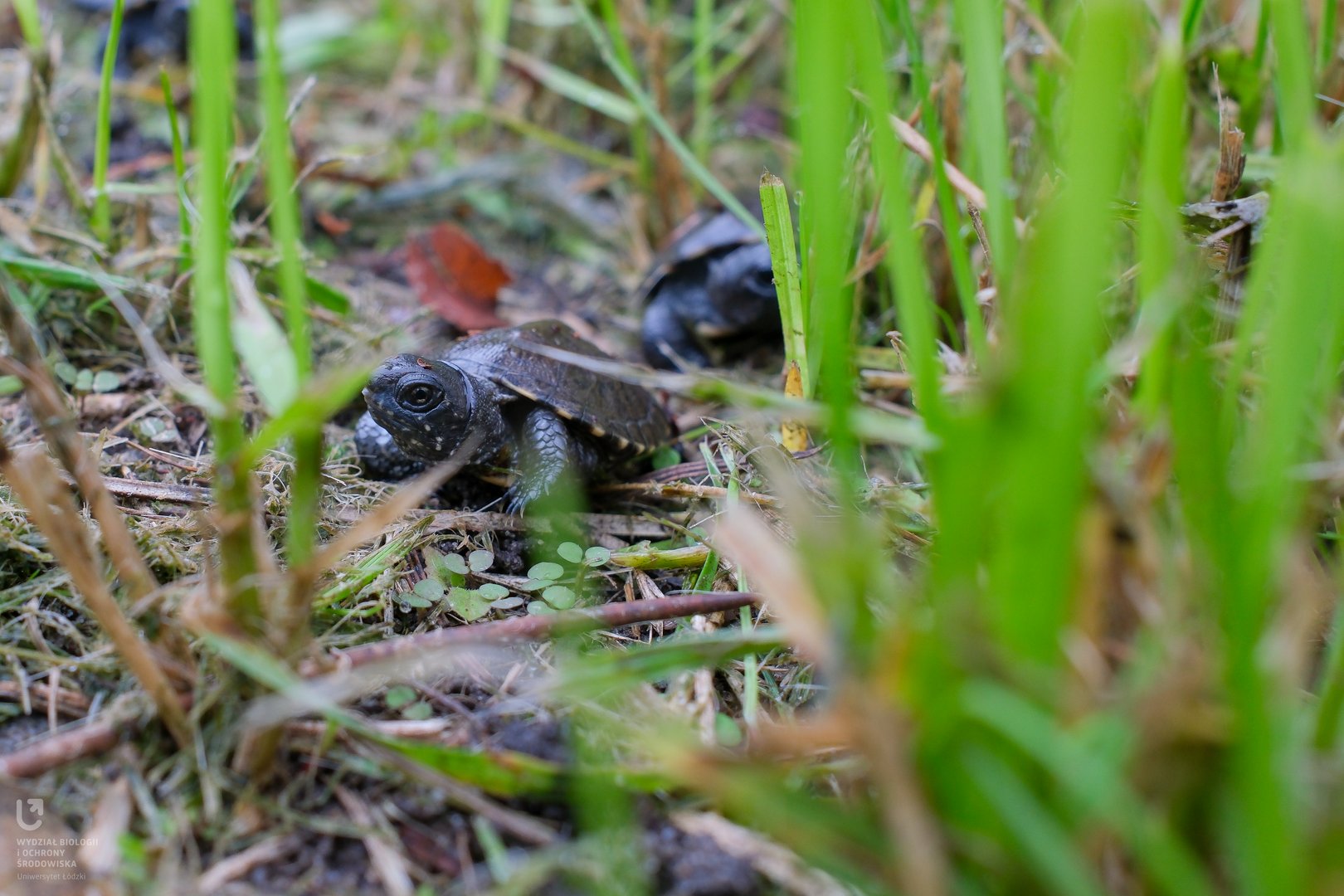
The goal of the programme is to ensure that the released individuals have suitable living conditions and, most importantly, breeding opportunities.
The individuals that were photographed were approximately two weeks old.
Text and edit: Mateusz Kowalski, Kamila Knol-Michałowska (Promotion Centre, Faculty of Biology and Environmental Protection, University of Lodz)
Photos: Mateusz Kowalski (Promotion Centre, Faculty of Biology and Environmental Protection, University of Lodz)