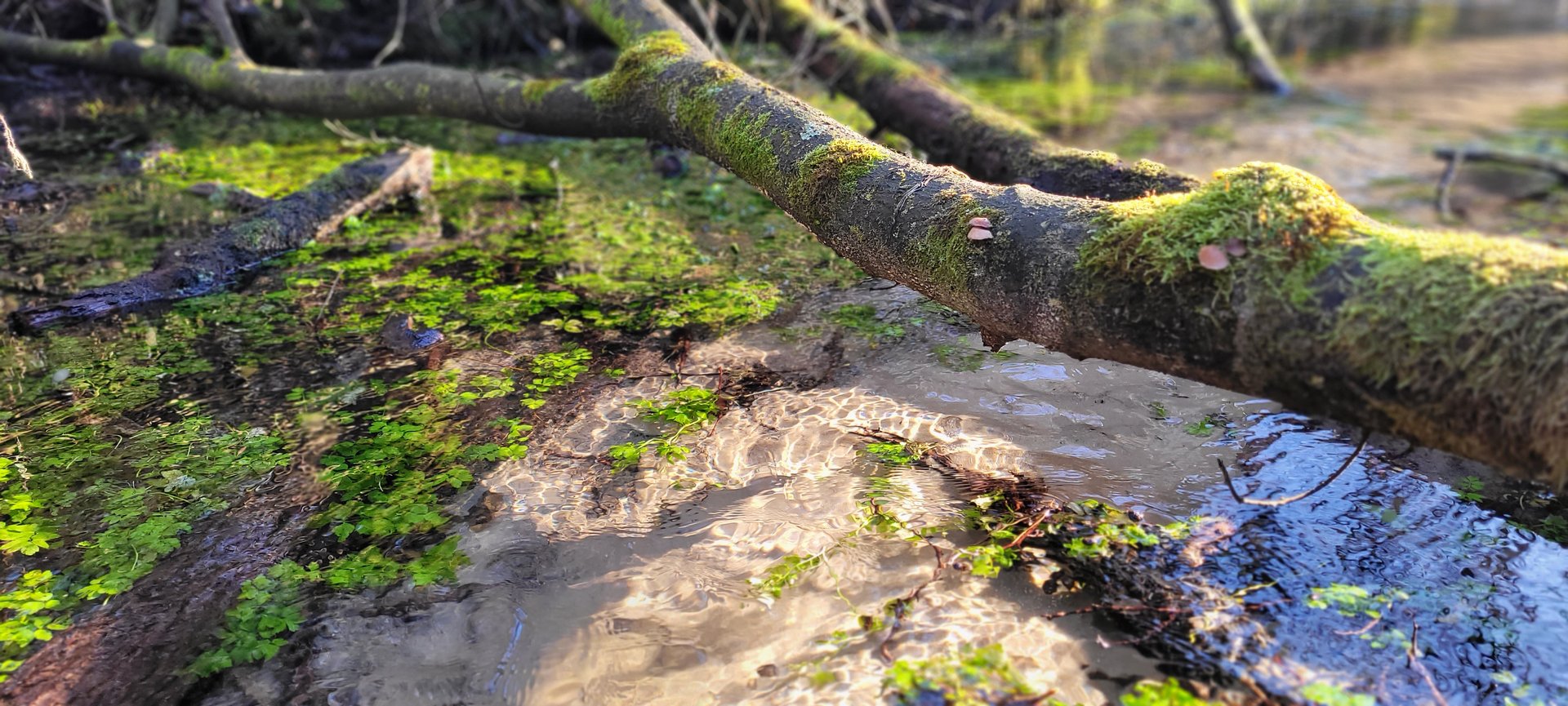
Spring Areas as Ecosystem "Indicators" of Climate Change and Microclimatic Refugia
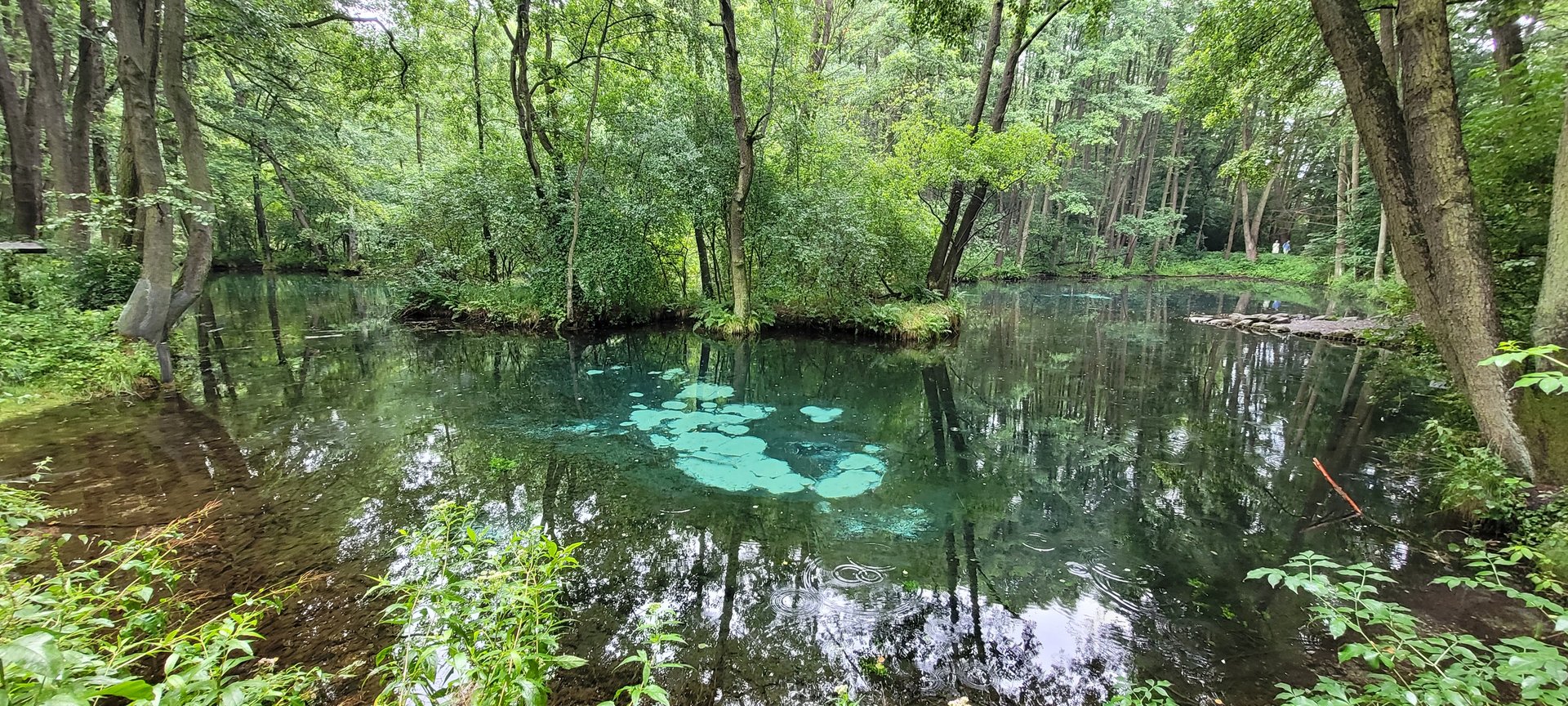
Groundwater outflows to the surface and their surroundings are not only picturesque landscape features but also key points on the map of every watershed and biodiversity hotspots. Their relative stability, combined with their sensitivity to environmental changes, make them excellent "sentinels" of long-term climatic and ecological processes.
Goals of the SentinelSprings project:
- developing a model for the operation of spring-dependent ecosystems,
- creating a data platform for their monitoring and protection,
- developing adaptation strategies for spring environments,
- activating local communities in the area of protection of these areas.
Contribution of the University of Lodz
Prof. Marcin Kiedrzyński is the leader of one of the key tasks in the project and, together with his team, is responsible for research at Polish "living laboratories" –selected spring sites in the Region of Lodz. The interdisciplinary team comprises biologists from the Faculty of Biology and Environmental Protection, along with researchers from the Faculty of Geographical Sciences and the Faculty of Economics and Sociology. The research will apply the latest methods for hydrological data recording, microhabitat and plant diversity analysis, as well as cutting-edge research in population genomics and satellite remote sensing.
The project is being implemented by a consortium of research centres from seven countries: Portugal (IST-ID), France (BRGM), Italy (UNITO, ENEA), Denmark (GEUS), Malta (EWA), and Poland. Professor Ana Silva (Portugal) is the project coordinator.
Sentinel Springs is further proof that UniLodz scientists really co-create solutions for protecting the climate, nature and water resources in Europe.
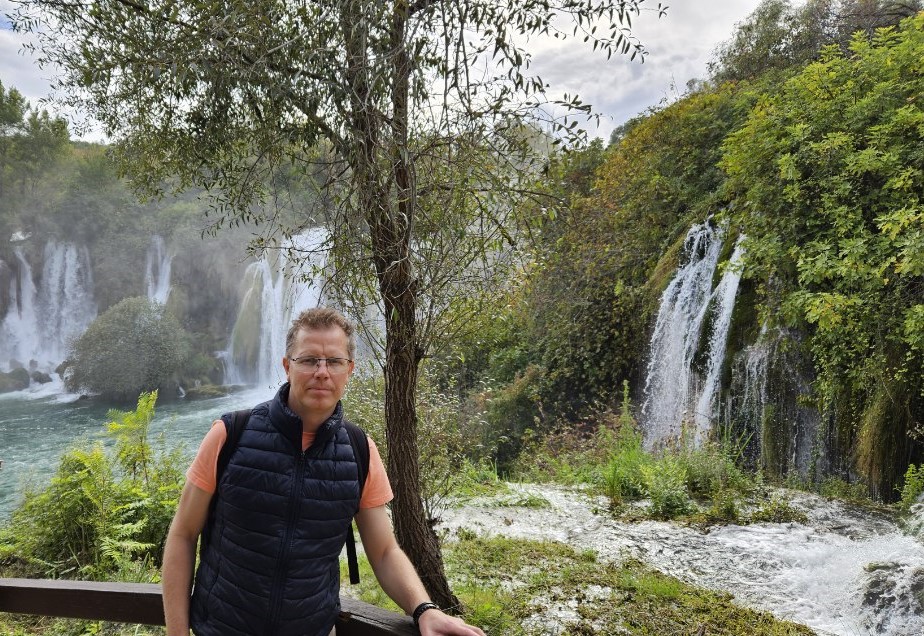
Dr hab. Marcin Kiedrzyński, Associate Professor at the University of Lodz, is the Head of the Department of Biogeography, Paleoecology and Nature Conservation at the Faculty of Biology and Environmental Protection, University of Lodz. He teaches courses in Biology and Environmental Protection. His interests in biogeography and evolutionary ecology focus on studying the mechanisms of plant adaptation to environmental change, identifying future biodiversity refugia, and protecting plant genetic resources.
Source and photos: dr hab. Marcin Kiedrzyński, Associate Professor at the University of Lodz, Department of Biogeography, Paleoecology and Nature Conservation, Faculty of Biology and Environmental Protection, University of Lodz
Edit: Kacper Szczepaniak (Centre for Brand Communications, University of Lodz), Mateusz Kowalski (Promotion Centre, Faculty of Biology and Environmental Protection, University of Lodz), Kamila Knol-Michałowska (Promotion Centre, Faculty of Biology and Environmental Protection, University of Lodz)