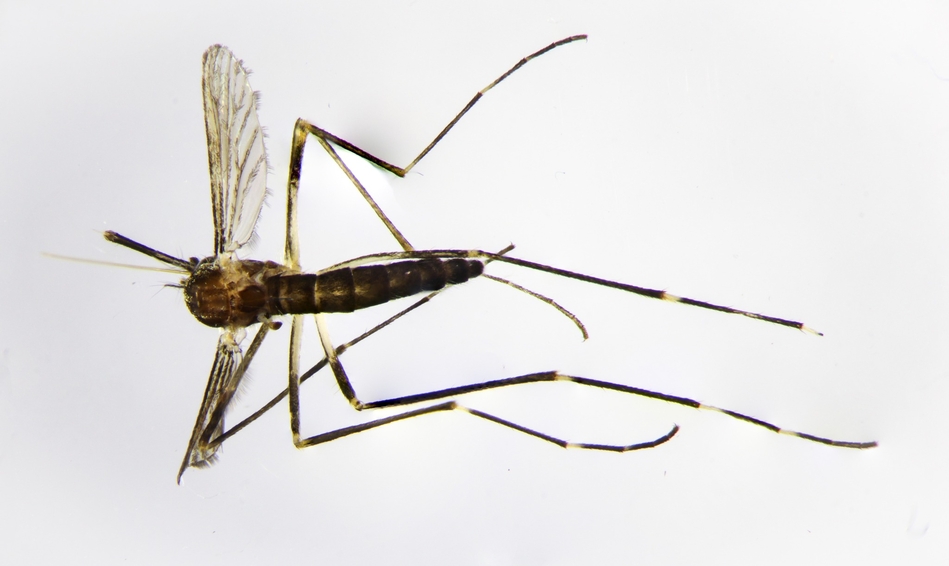
 Aedes japonicus Theobald, 1901 (fot. Jarosław Brodecki)
Are we in for mosquito abundance?
As Kamil Słomczyński explains, predicting the number of mosquitoes in a given season is a difficult task. Much depends on the weather: temperature, precipitation and humidity. Climate change further complicates the situation. Warmer and more humid conditions favour the rapid development of larvae. Paradoxically, we ourselves often create ideal conditions for mosquitoes by leaving water containers, rain barrels and uncleaned gutters in our gardens.
New guests from abroad
Over 50 species of mosquito live in Poland. Recently, they have been joined by Aedes japonicus, also known as the Japanese mosquito, an invasive species that likely arrived in Europe in tire shipments. As the climate in Poland becomes increasingly hospitable to these newcomers, the risk of transmitting new diseases also increases.
Diseases and threats
Mosquitoes can be vectors of dangerous pathogens, such as West Nile virus, dengue fever, Zika virus and malaria parasites. A local case of West Nile virus has already been confirmed in Poland. Although the epidemiological risk is still considered low, increasing human mobility and climate change could rapidly change this.
Do mosquitoes like "sweet blood"?
Myth or truth? Well, it's complicated. Mosquitoes choose their victims based on three main factors: carbon dioxide (what we exhale), body temperature and the chemical composition of our sweat. Some of us are simply more attractive to mosquitoes – this may be related to metabolism, hormones or blood type (some studies suggest mosquitoes are more likely to choose people with type 0).
Why can't mosquitoes simply be exterminated?
Mosquitoes are a part of the ecosystem. They are food for many animals, such as birds, bats and amphibians. Furthermore, massive chemical spraying kills not only mosquitoes but also beneficial insects, including pollinators. A better approach is to monitor and reduce their populations in cities, where the threat to humans is greatest. The best way to achieve this is to preserve local biodiversity.
Research in four Polish cities
Kamil Słomczyński and Jarosław Brodecki have been coordinating a project carried out by the University of Lodz Biology Student Science Club. The project aims to develop a strategy for monitoring mosquitoes as virus carriers in the cities of Lodz, Warsaw, Wroclaw and Krakow. The team conducts research in parks, allotment gardens and even zoos. Mosquitoes caught in special traps are analysed for the presence of viruses and their genetic diversity.
What is all this for?
The research results will provide a better understanding of where and under what conditions mosquitoes thrive, which species dominate and which pathogens they can transmit. This, in turn, will enable the development of effective strategies for counteracting epidemics in cities.
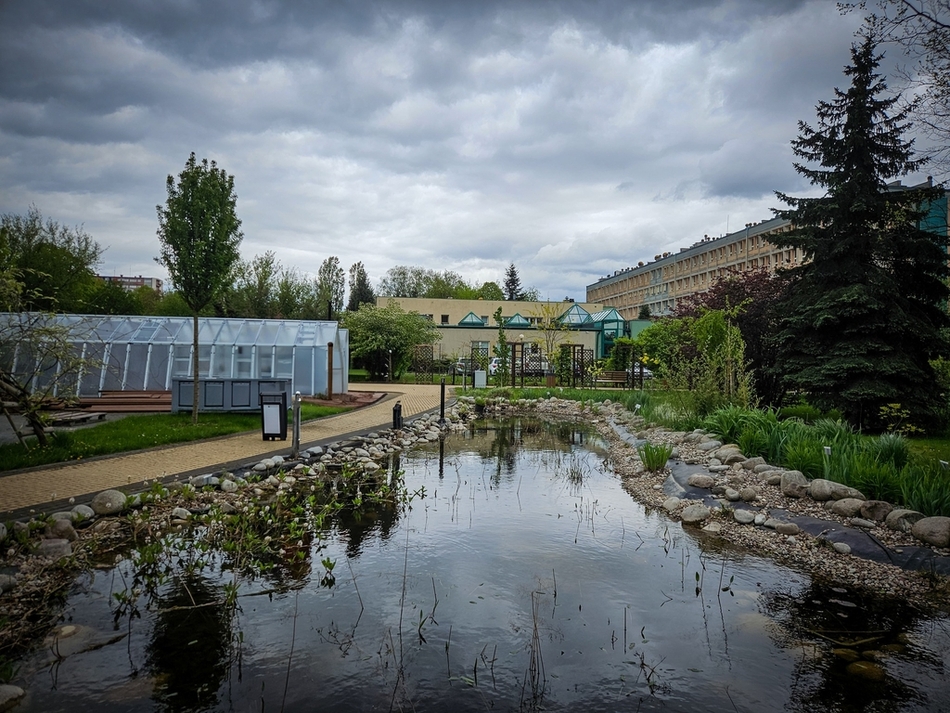
 Enclosure at the Lodz Zoo from which mosquito larvae are collected (photo by Kamil Słomczyński)
Conclusions?
Mosquitoes are a nuisance. They are sometimes dangerous but they're also a part of our nature. Instead of exterminating them, we should learn to coexist with them and protect ourselves effectively. The project, led by a team from the University of Lodz, is a step towards wise and scientific prevention.
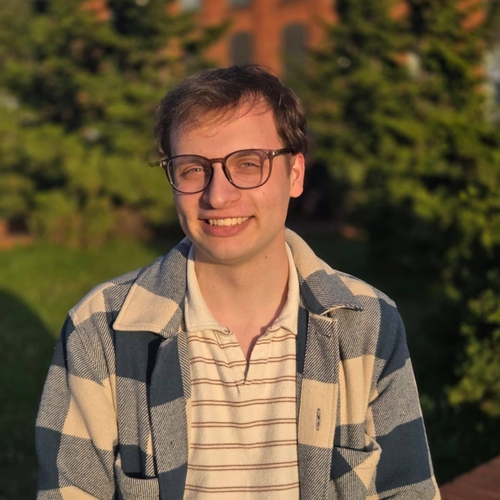
Kamil Słomczyński is a student of Biology at the Faculty of Biology and Environmental Protection, University of Lodz (MA studies, specialising in environmental biology). His research interests focus on entomology, particularly mosquito ecology. His current research focuses on the diversity and phenology of mosquitoes in urban ecosystems. He is also interested in the impact of climate change and urbanisation on the distribution of mosquito species and their potential as disease vectors.
The project is financed from the state budget, allocated by the Minister of Science and Higher Education under the "Studenckie koła naukowe tworzą innowacje" [Student science clubs create innovations] programme.

Source: Kamil Słomczyński, Faculty of Biology and Environmental Protection, University of Lodz
Photos: Kamil Słomczyński, Jarosław Brodecki, Faculty of Biology and Environmental Protection, University of Lodz
Edit: Kacper Szczepaniak, Kamila Knol-Michałowska, Promotion Centre, Faculty of Biology and Environmental Protection, University of Lodz