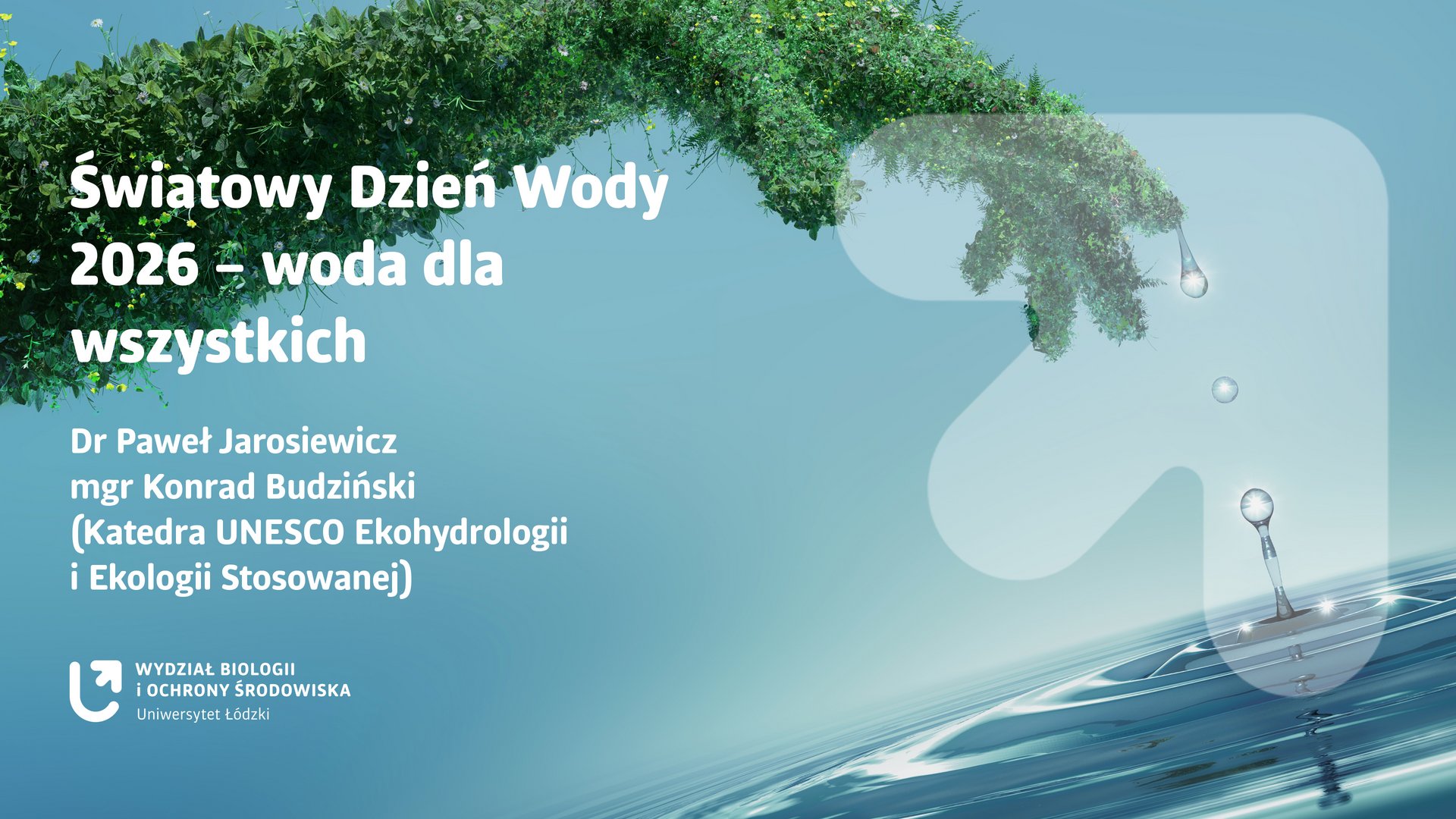
Institutions such as UNESCO are actively involved in the celebrations, emphasising the role of water not only as a natural resource but also as the foundation for the operation of ecosystems and cities. World Water Day also contributes to the implementation of the Sustainable Development Goals, particularly Goal 6, which aims to ensure the availability and sustainable management of water and sanitation for all.
The global water crisis: a challenge that affects us all
This year's UN World Water Development Report 2026 highlights a key challenge in water security: equitable access to water for all. In the face of climate change, environmental degradation and increasing pressure on water resources, water management must ensure equitable access for all social groups.
Meanwhile, the challenges are enormous:
- 2.1 billion people lack access to safe drinking water, and 3.4 billion lack access to adequate sewage treatment and waste disposal.
- 1.7 billion people lack basic hygiene in their surroundings.
- Up to two-thirds of the world's population is experiencing or will experience water stress.
- Water demand is growing globally by approximately 1% annually.
Water as a human right
These aren't just statistics – they represent actual social, health and economic inequalities. A case in point is Johannesburg, South Africa, where residents and social organisations have been protesting the water crisis for over a year, calling it a "human rights crisis." The demonstrations, with empty buckets and bottles, are a call for immediate action: repairing infrastructure and ending the long-term water outages.
The 2015 UN resolution reaffirms that access to drinking water and sanitation are fundamental human rights, crucial for health, education and equality. Yet, millions of people are still excluded.
Water and gender equality: 250 million hours of invisible labour
A key focus of this year's report is water and gender equality:
- women and girls, in many communities responsible for providing drinking water in their homes, spend 250 million hours a day collecting water;
- they are often on the front lines of the water crisis, which limits their access to education and employment.
- yet, they constitute less than 17% of water sector workers and rarely participate in decision-making processes.
UNESCO has been actively working to change this. The World Water Assessment Programme (WWAP) develops gender-sensitive tools and data to support more equitable water management.
Water for people and ecosystems
In the context of equity, the problem affects not only people but entire ecosystems. Water shortages also affect plants and animals, as well as overall biodiversity. Increasing water withdrawals for one sector, such as industry, leaves less water available to sustain ecosystems. Therefore, wise water management is crucial.
Poland on the water availability map: more stable but not without challenges
Although the situation in Poland is more stable than in many regions of the world, we are among the countries with relatively low water resources compared to Europe and are experiencing increasingly frequent droughts. Water access restrictions occur in Poland every year, as you can learn more about from our friendly blog @Świat Wody.
The future of water is equity
Without equitable access to water, we will not achieve the Sustainable Development Goals. We need water systems that are not only efficient but also equitable and inclusive, with genuine participation of all stakeholders in decision-making.
Source: Dr Paweł Jarosiewicz (Department of UNESCO Chair on Ecohydrology and Applied Ecology, Faculty of Biology and Environmental Protection, University of Lodz), mgr Konrad Budziński (Department of UNESCO Chair on Ecohydrology and Applied Ecology, Faculty of Biology and Environmental Protection, University of Lodz; University of Lodz Doctoral School of Exact and Natural Sciences)
Edit: Kamila Knol-Michałowska (Promotion Centre, Faculty of Biology and Environmental Protection, University of Lodz)
Graphic: Mateusz Kowalski (Promotion Centre, Faculty of Biology and Environmental Protection, University of Lodz)