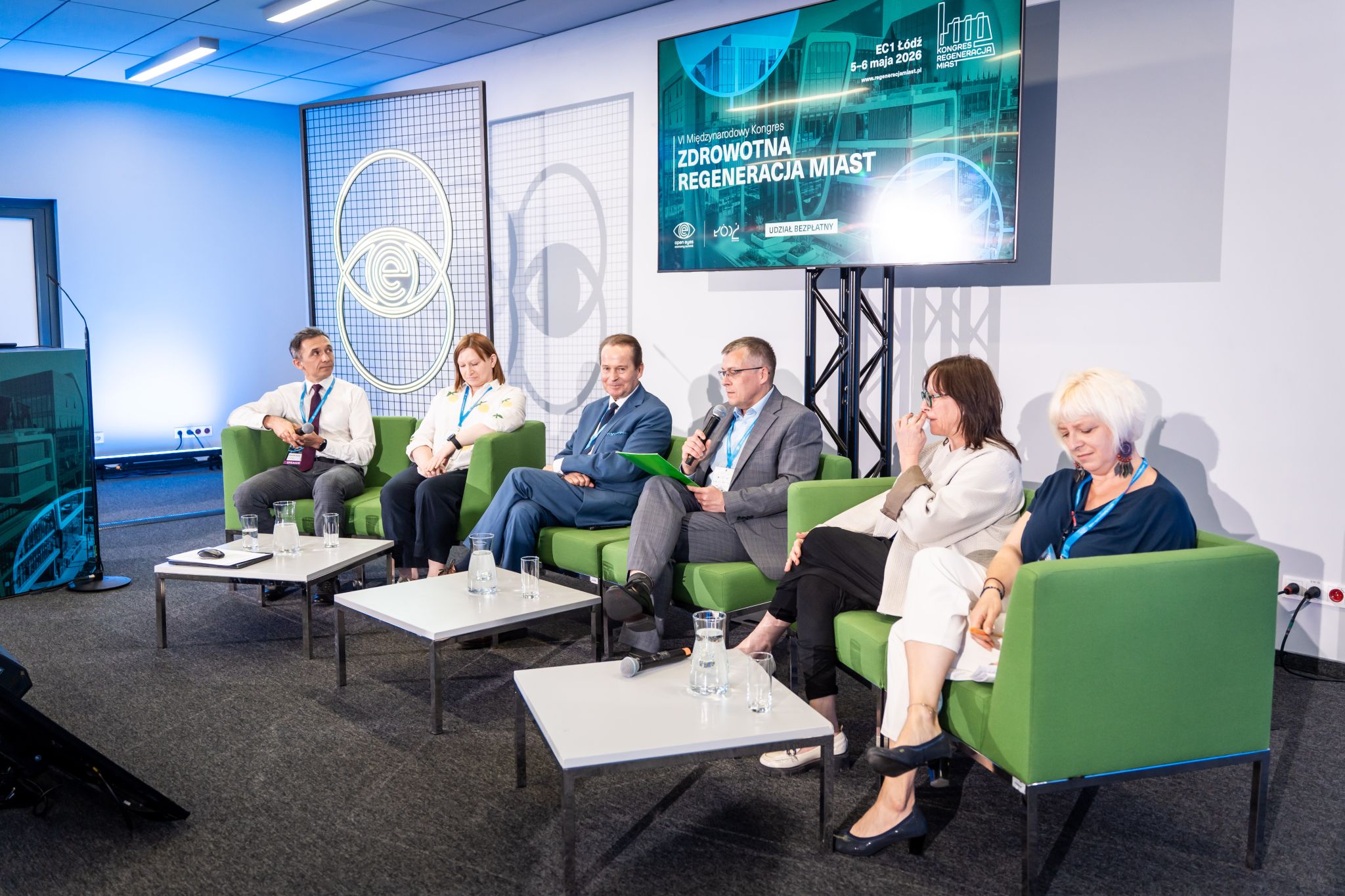
Key contributions by our researchers included:
Panel “One Health, czyli błękitno-zielona infrastruktura terapią dla mieszkańców zabetonowanych miast” [One Health, or blue‑green infrastructure as a therapy for residents of concrete cities]. The panel featured dr hab. Iwona Wagner, Associate Professor at the University of Lodz (UNESCO Chair of Ecohydrology and Applied Ecology) and was moderated by dr hab. Tomasz Jurczak, Associate Professor at the University of Lodz, the Rector’s Representative for Climate and Environmental Policy at the University of Lodz.
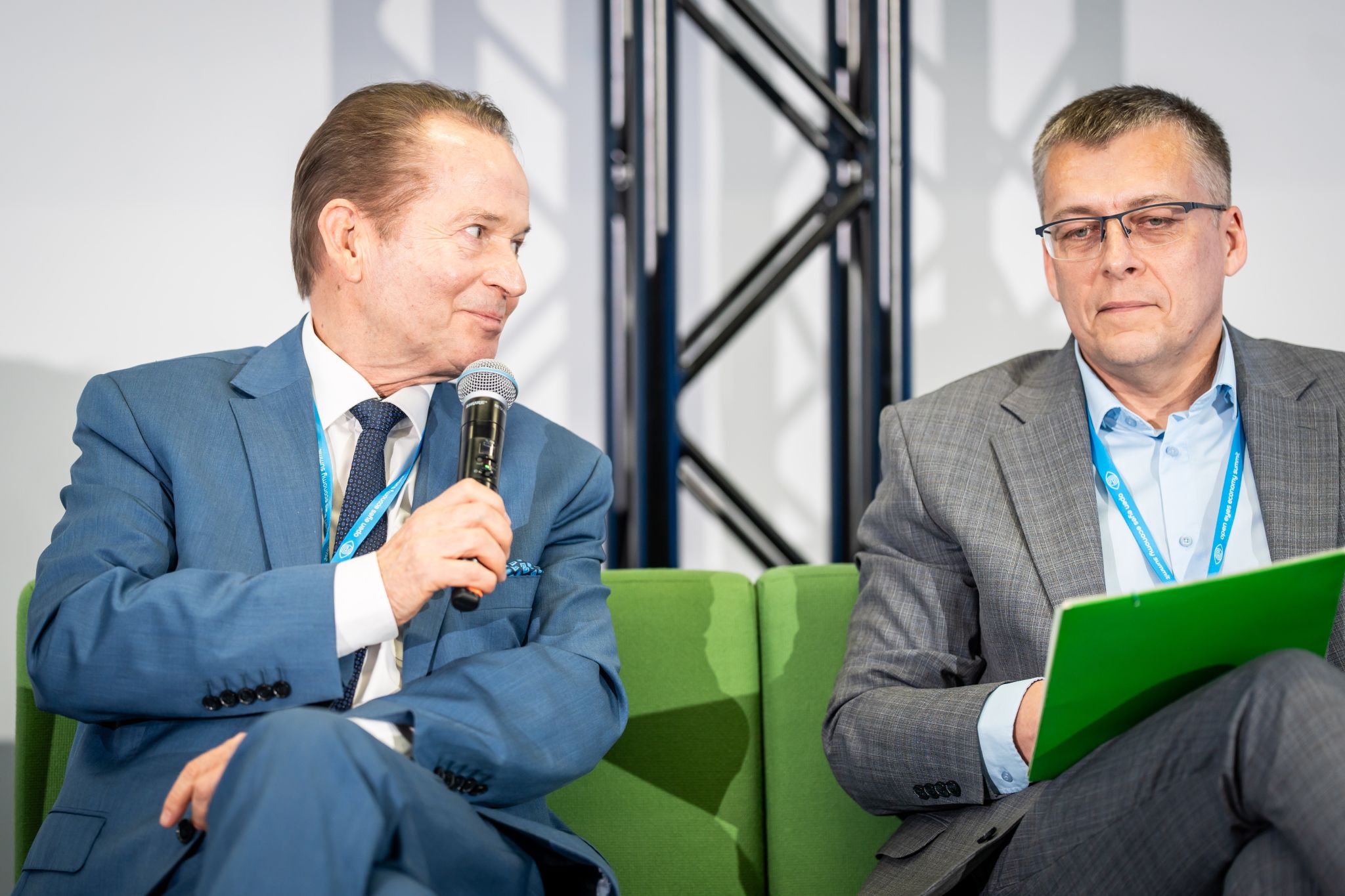
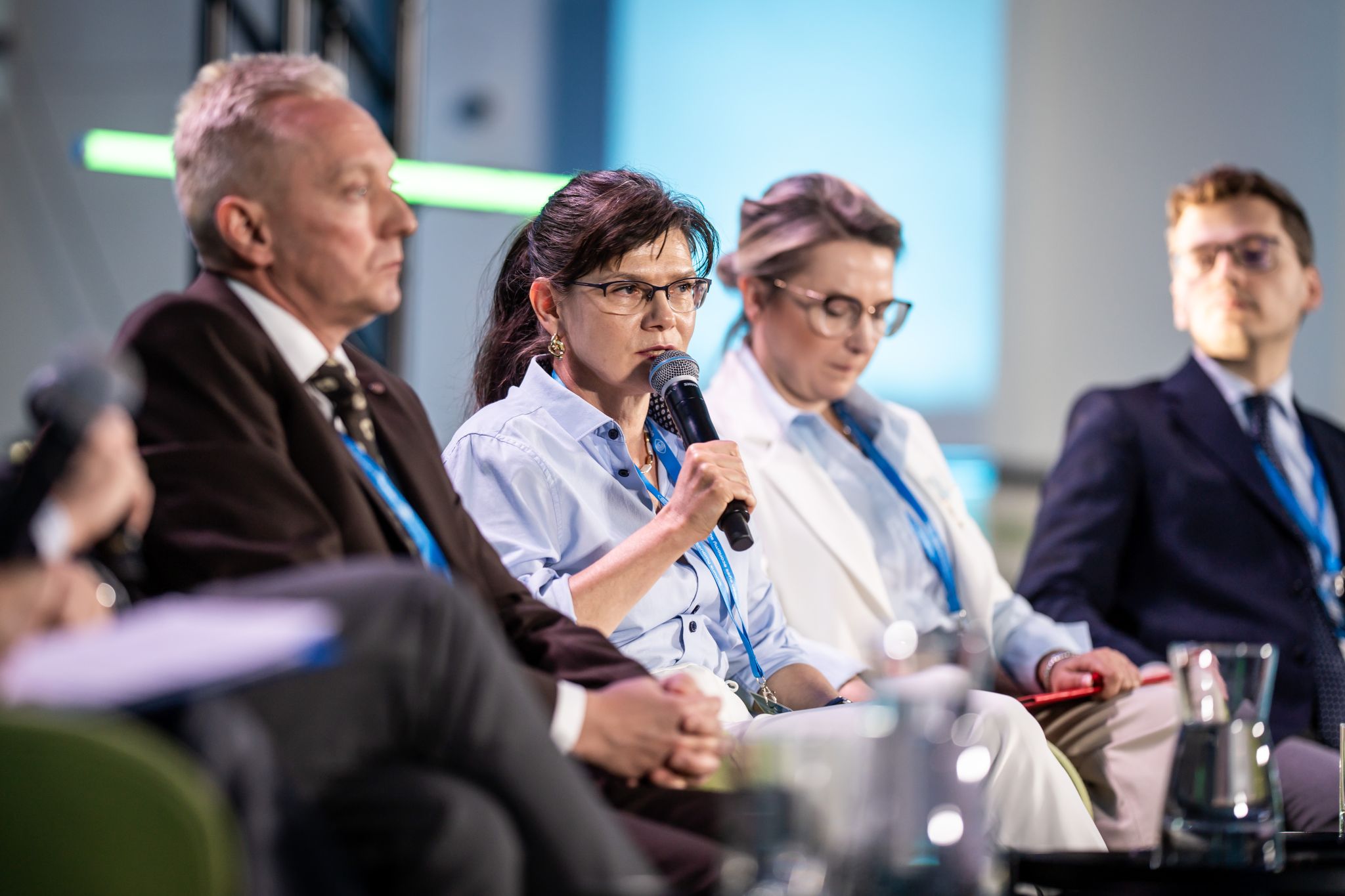
Panel "Mikrobiom miejski – wyzwania dla urbanistyki i architektury miasta regeneratywnego' [The urban microbiome – challenges for urban planning and the architecture of the regenerative city]. Expert knowledge was shared by Dr Karolina Rudnicka, Associate Professor at the University of Lodz (Department of Immunology and Infection Biology) and dr hab. Sylwia Różalska, Associate Professor at the University of Lodz (Department of Industrial Microbiology and Biotechnology). The researchers presented key biological and environmental perspectives on contemporary urban development.
The Idea of the Congress
As emphasised by the organisers:
The Urban Regeneration Congress series is an initiative dedicated to the future of cities and their capacity for renewal in the context of multi‑dimensional crises. Today, cities are simultaneously the largest generators of emissions and resource consumption, and places with the greatest innovative and social potential. It is within cities that regenerative processes can be initiated to address environmental, economic and social challenges.
Each year, the Urban Regeneration Congress adopts a new theme that guides the debates and reflects a regenerative approach to urban development. The aim is not merely to identify problems but to develop tools and strategies enabling the sustainable and responsible regeneration of contemporary cities.
The guiding theme of this year’s edition – Healthy Urban Regeneration – focused on the relationship between the city and human health. Health is understood as physical, mental and social well‑being, shaped by the quality of the urban environment, public spaces, access to services and social relations.
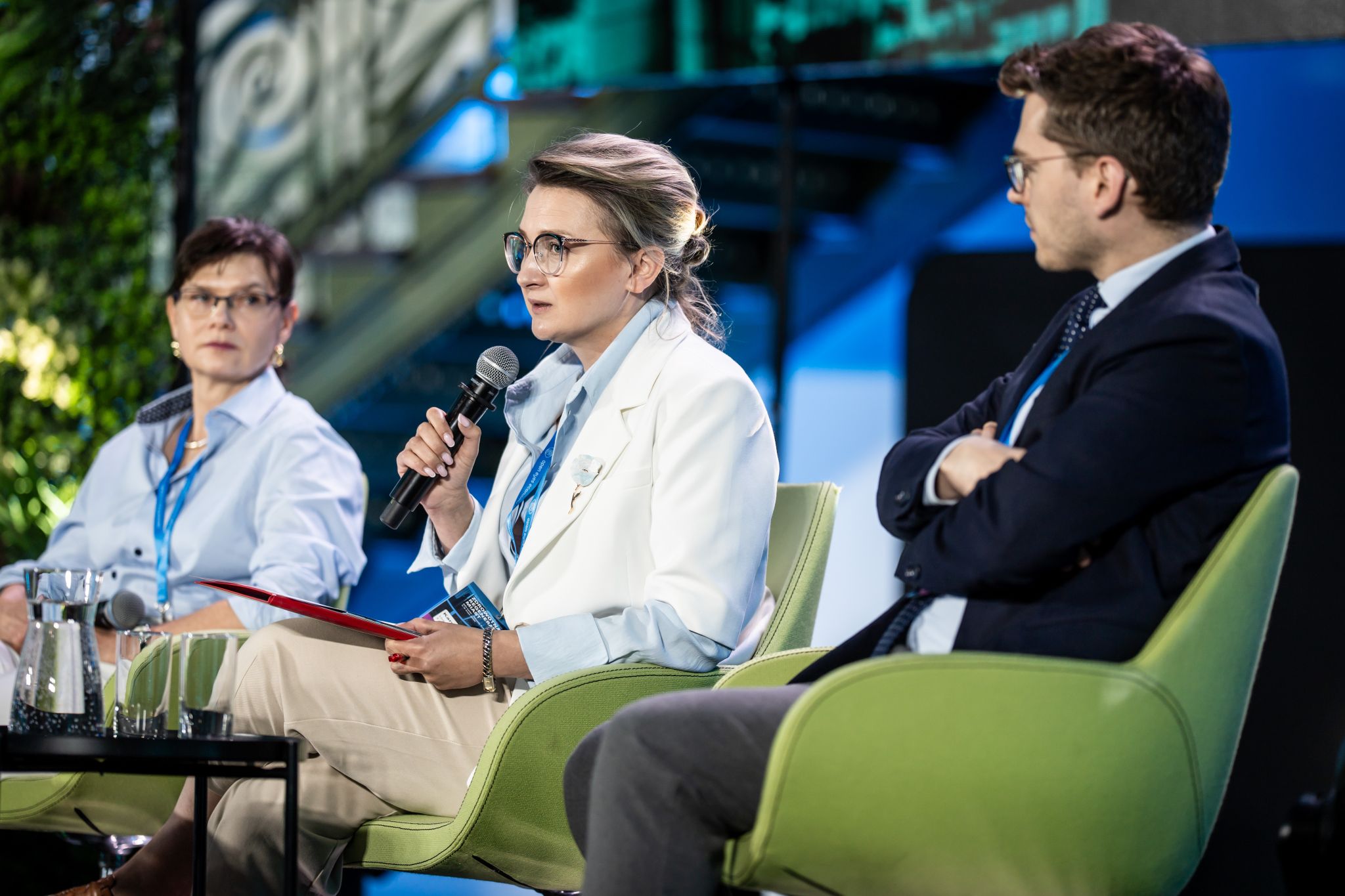
During the event, experts and practitioners discussed how cities could actively support residents’ health through spatial design, architecture, urban planning and the use of new technologies. The debate addressed issues such as the urban microbiome, air quality and urban ventilation, prevention of lifestyle‑related diseases, health monitoring using data and artificial intelligence, as well as the role of art, culture and green infrastructure in fostering urban well‑being.
Thank you for the inspiring discussions on the future of our metropolitan areas!
Photos: Urban Regeneration Congress
Edit: Mateusz Kowalski (Promotion Centre, Faculty of Biology and Environmental Protection of the University of Lodz)