The importance of DNA barcoding in biomonitoring
DNA barcoding has established itself as one of the key methods of taxonomic species identification in biodiversity monitoring (biomonitoring). This technology is now widely applied – from basic ecological research, through practical nature conservation, to the shaping of international environmental policy. From the outset, the global community of researchers focused on this method has operated under the auspices of the international consortium “International Barcode of Life – iBOL”, which coordinates DNA-based biomonitoring as well as the development of this technology on a global scale.
Development of iBOL structures and national initiatives
Since the second decade of the 21st century, national iBOL nodes have been progressively established, with the aim of:
- promoting DNA barcoding as a method of environmental assessment,
- building local scientific capacity in this field,
- translating the results of basic research into practical applications.
The Polish national iBOL node is located at the Faculty of Biology and Environmental Protection of the University of Lodz, where it creates and coordinates the activities of the Polish Barcode of Life – PoLBOL initiative. In 2022, the scientific network iBOL Europe was established with the mission of supporting and coordinating national barcoding initiatives at the European level.
Two key publications on the International Day for Biological Diversity
Today – 22 May 2026, the International Day for Biological Diversity, established by the United Nations General Assembly in 2000 and celebrated this year under the theme “Local actions for global impact” – marks the publication of two very important papers. Their aim is to consolidate and revitalise cooperation within the community of researchers and practitioners working with DNA barcoding, while outlining strategic frameworks that can serve as a universal model ready for replication and implementation anywhere in the world.
-
Analysis of national DNA barcoding capacity: The first of these articles, entitled "Empowering national capacity for a DNA-based approach to species identification and biodiversity monitoring” (Kaitetzidou et al. 2026), was published in the renowned journal Metabarcoding & Metagenomics. The senior and corresponding author of the publication is Prof. dr hab. Michał Grabowski from the Department of Invertebrate Zoology and Hydrobiology at the Faculty of Biology and Environmental Protection, University of Lodz. This work analyses current DNA barcoding activities in Europe, serving not only as a comprehensive compendium of knowledge but also providing concrete guidelines for initiating and effectively implementing local barcoding initiatives and national iBOL nodes. The publication synthesises extensive experience from 20 countries and places emphasis on building research capacity, method standardisation, stakeholder engagement, diversification of funding sources, and public communication, formulating a kind of ten-point set of recommendations ensuring the long-term success of national DNA barcoding nodes.
-
Strategic priorities for Europe in a global context: The second article, published in the journal BioScience under the title "Species identification, discovery and biomonitoring: strategic priorities for DNA barcoding in Europe, set in a global context” (Hollingsworth et al. 2026), with Prof. dr hab. Michał Grabowski also as senior author, defines the mission and key strategic priorities for the entire iBOL Europe community. The publication also outlines a long-term vision for the European barcoding community, centred on the creation, curation and widespread sharing of a reference DNA barcoding library for all European eukaryotic species.
The most urgent tasks identified by researchers include:
- consolidation of reference libraries enabling reliable taxonomic identification of priority taxa,
- democratisation of access to modern sequencing technologies,
- strengthening cooperation within the distributed network of researchers.
A race against time and threatened regions
Both publications clearly and emphatically warn that building a complete reference library for European biota is a dramatic race against time. This challenge is particularly acute in regions characterised by unique natural richness, such as Southern and South-Eastern Europe, as well as other areas of high natural value, for example the Carpathian Arc. These regions, recognised as global centres of endemism, are currently directly threatened by advancing urbanisation and rapid climate change, while at the same time still experiencing a severe shortage of research funding and, consequently, insufficient representation of local biodiversity in reference DNA sequence databases.
Significance for science and global cooperation
From a broader perspective, both articles represent a milestone not only for the European scientific community but also for strengthening global research infrastructure. They clearly demonstrate the urgent need to combine the efforts of professional scientists – taxonomists – with those of nature enthusiasts engaged in citizen science. Only their joint efforts will enable the implementation of rapid yet reliable DNA-based environmental monitoring, provide a solid foundation for advanced metabarcoding analyses (e.g. environmental DNA) and metagenomics, and ultimately support global programmes for discovering and describing new species that are still unknown to science, as well as nature conservation policy and practice and the sustainable management of ecosystems.
The presented proposals constitute an open invitation to discussion, exchange of experience, and continuous improvement of strategies by the entire global scientific community engaged in biodiversity research.
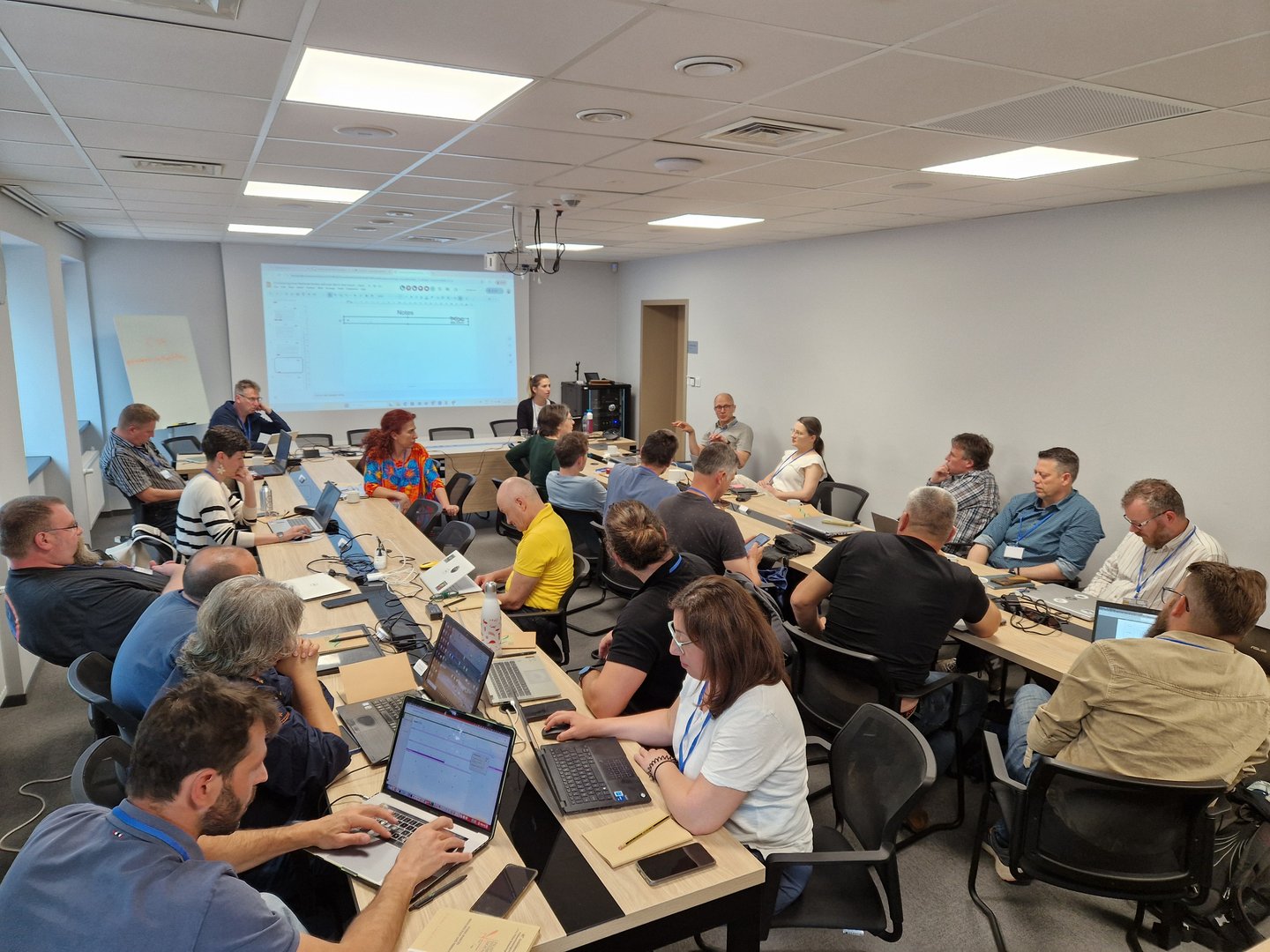
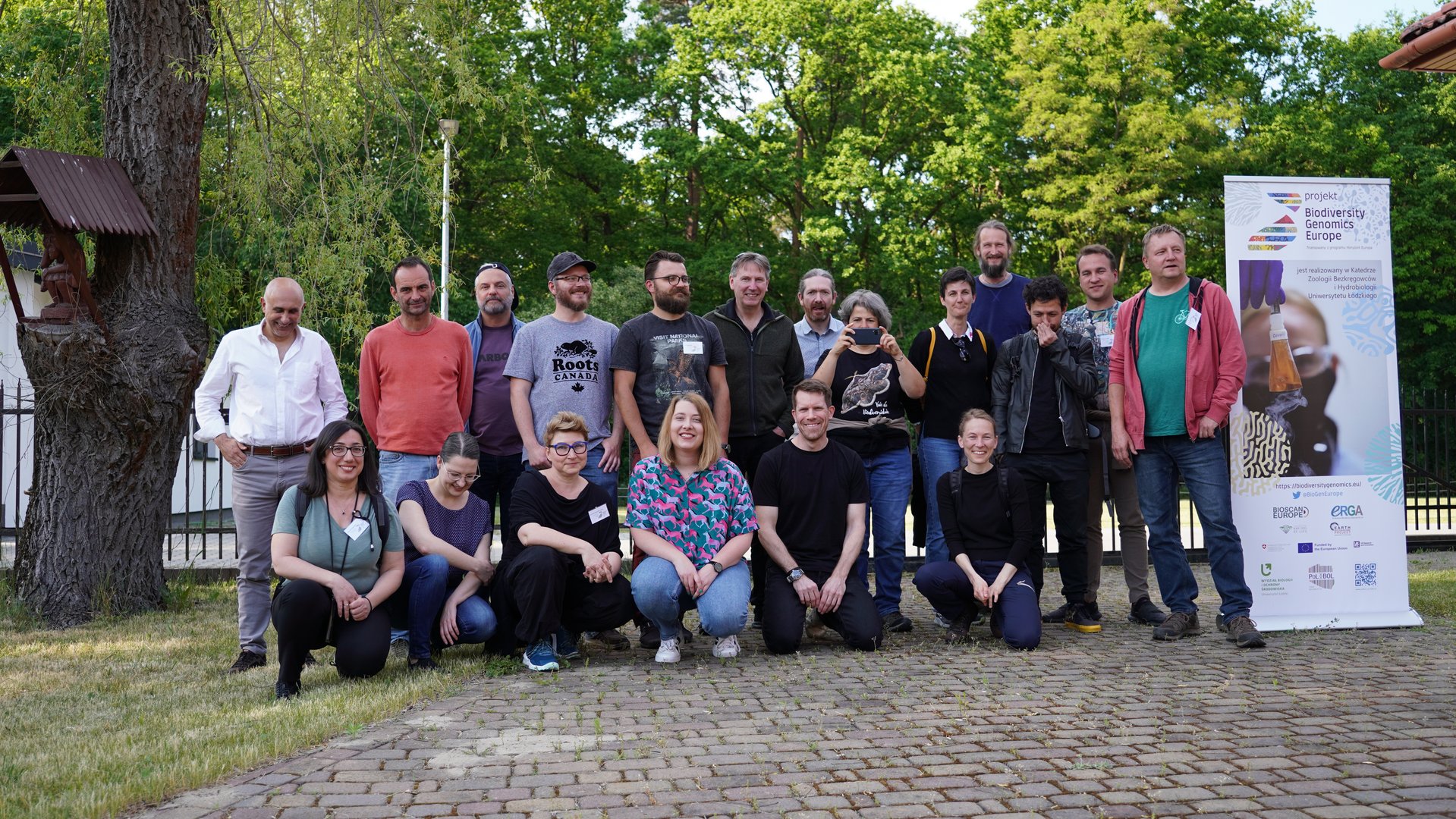
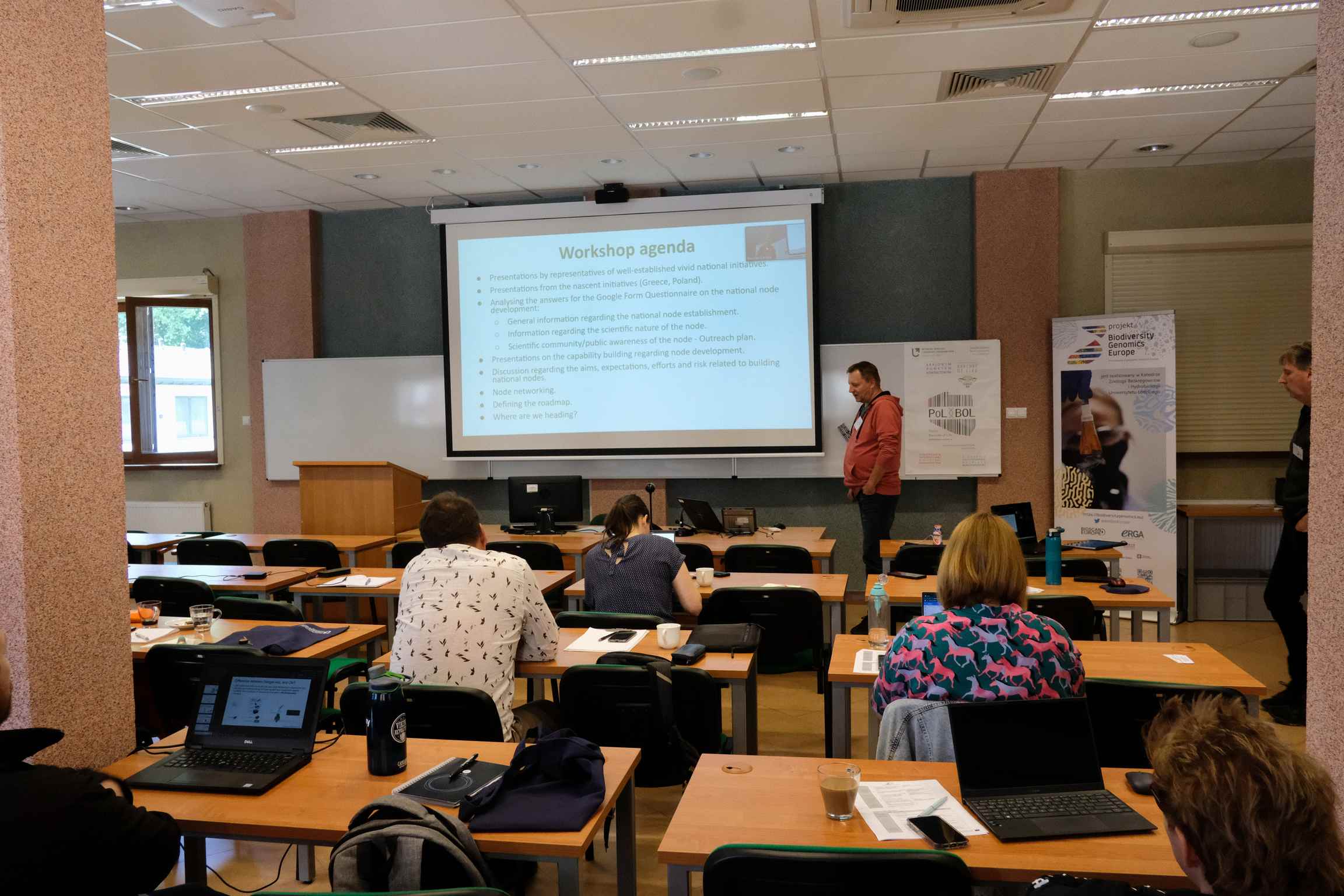
Both publications are also the result of many years of research, the joint efforts of numerous researchers, including the PoLBOL team from the University of Lodz, as well as extensive consultations and discussions conducted during two scientific workshop sessions held at the University of Lodz in May 2023 and June 2025, supported by the EU Horizon Europe project Biodiversity Genomics Europe (BGE) (https://biodiversitygenomics.eu/), funded under the Horizon Europe programme, the UK Research & Innovation fund, and the Swiss Confederation.
Source: Kasia Fantoni (Naturalis Biodiversity Center, the Netherlands), Prof. Michał Grabowski (Faculty of Biology and Environmental Protection, University of Lodz), William Goodall-Copestake (Royal Botanic Garden Edinburgh, United Kingdom), Peter Hollingsworth (Royal Botanic Garden Edinburgh, United Kingdom)
Edit: Kamila Knol-Michałowska, Mateusz Kowalski (Promotion Centre, Faculty of Biology and Environmental Protection, University of Lodz)