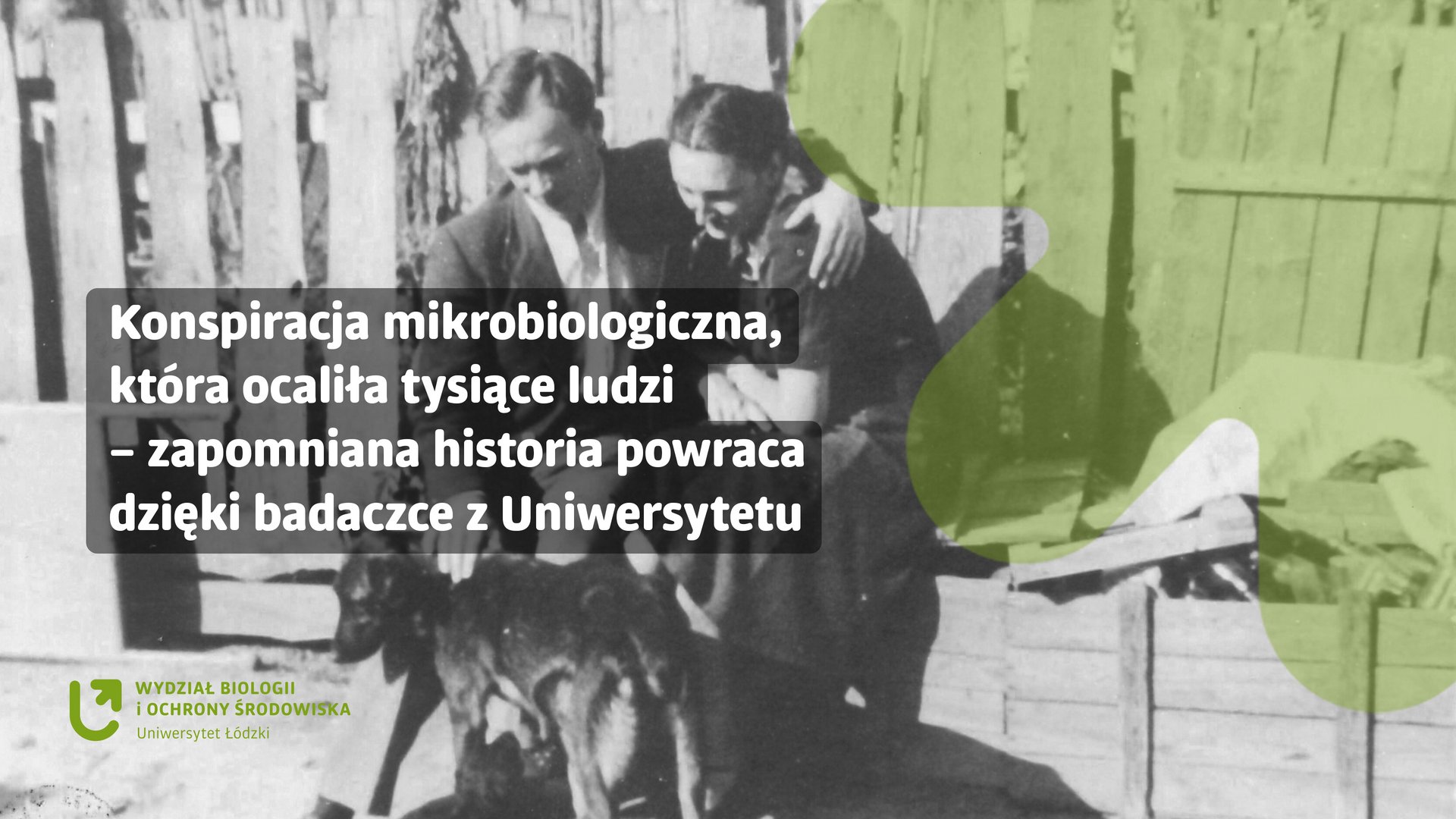
Doctors who deceived the occupier
Two young doctors: Dr Eugeniusz Sławomir Łazowski and Dr Stanisław Matulewicz are at the centre of the story. Working in the areas of Rozwadów and Zbydniów under German occupation, they found a way to use microbiological knowledge to protect people from forced labour deportations, repression and starvation.
A key role was played by the Weil–Felix test, used at the time to diagnose typhus. The test relied on the reaction between a patient’s serum and cells of the bacterium Proteus vulgaris OX19. Dr Matulewicz discovered that injecting a patient with a suspension of killed Proteus bacteria could produce a false-positive result – without causing the disease. This opened the way to creating a fabricated typhus epidemic, which the Germans feared immensely.
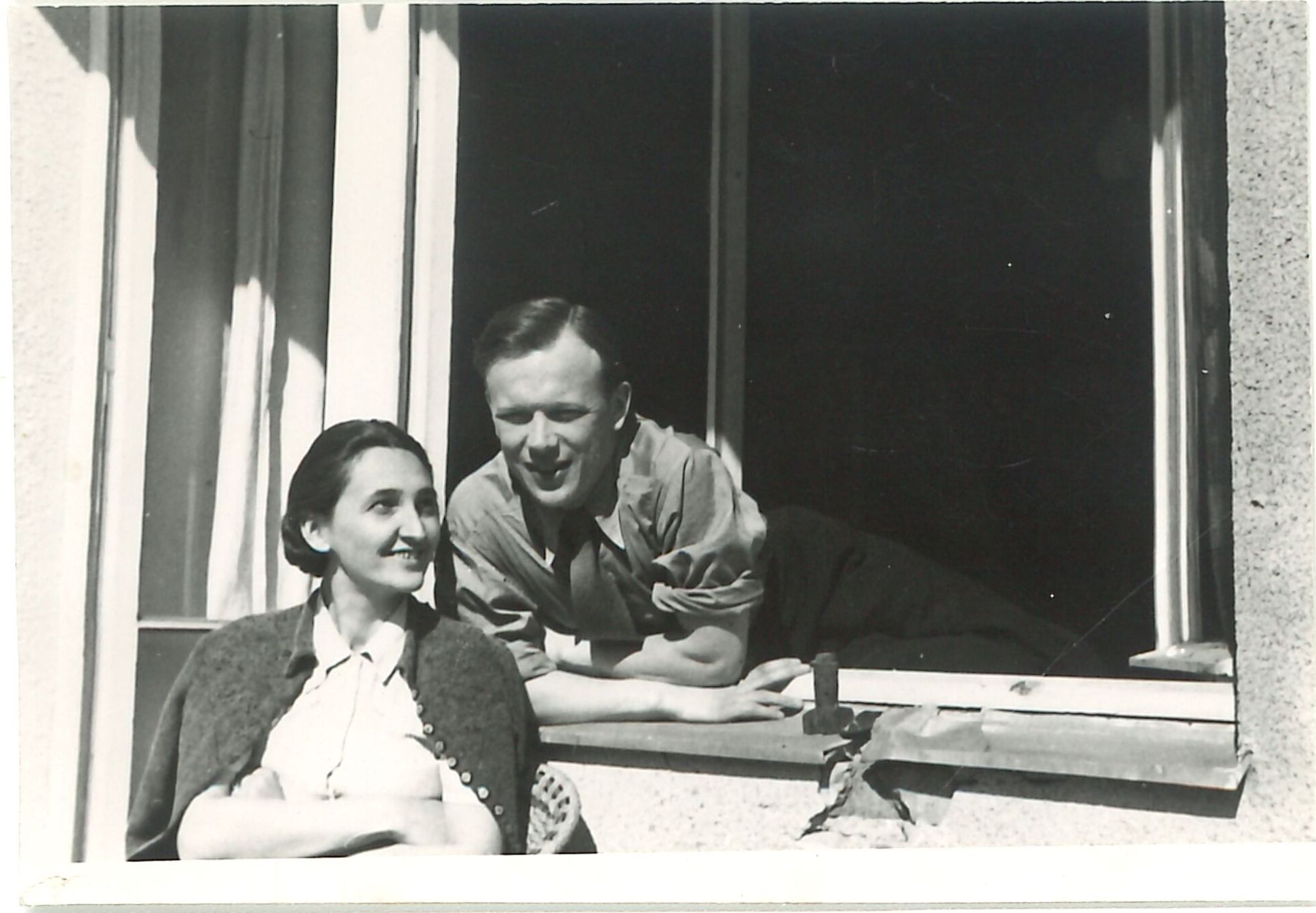
The doctors operated in absolute secrecy. They “inoculated” selected individuals, increased the number of cases in winter and reduced it in summer – ensuring that the “epidemic” appeared credible. In 1942 and 1943, the Germans declared an epidemic state in several municipalities, which resulted in:
- suspension of deportations for forced labour,
- a reduction in repressive measures,
- a decrease in mandatory food deliveries to the Germans,
- increased safety for local residents.
In February 1944, a German commission attempted to verify the situation. However, thanks to the cleverness of Dr Łazowski, they quickly collected blood samples from the “most seriously ill” and, fearing lice and infection, left the area in haste. The test results confirmed the “epidemic”.
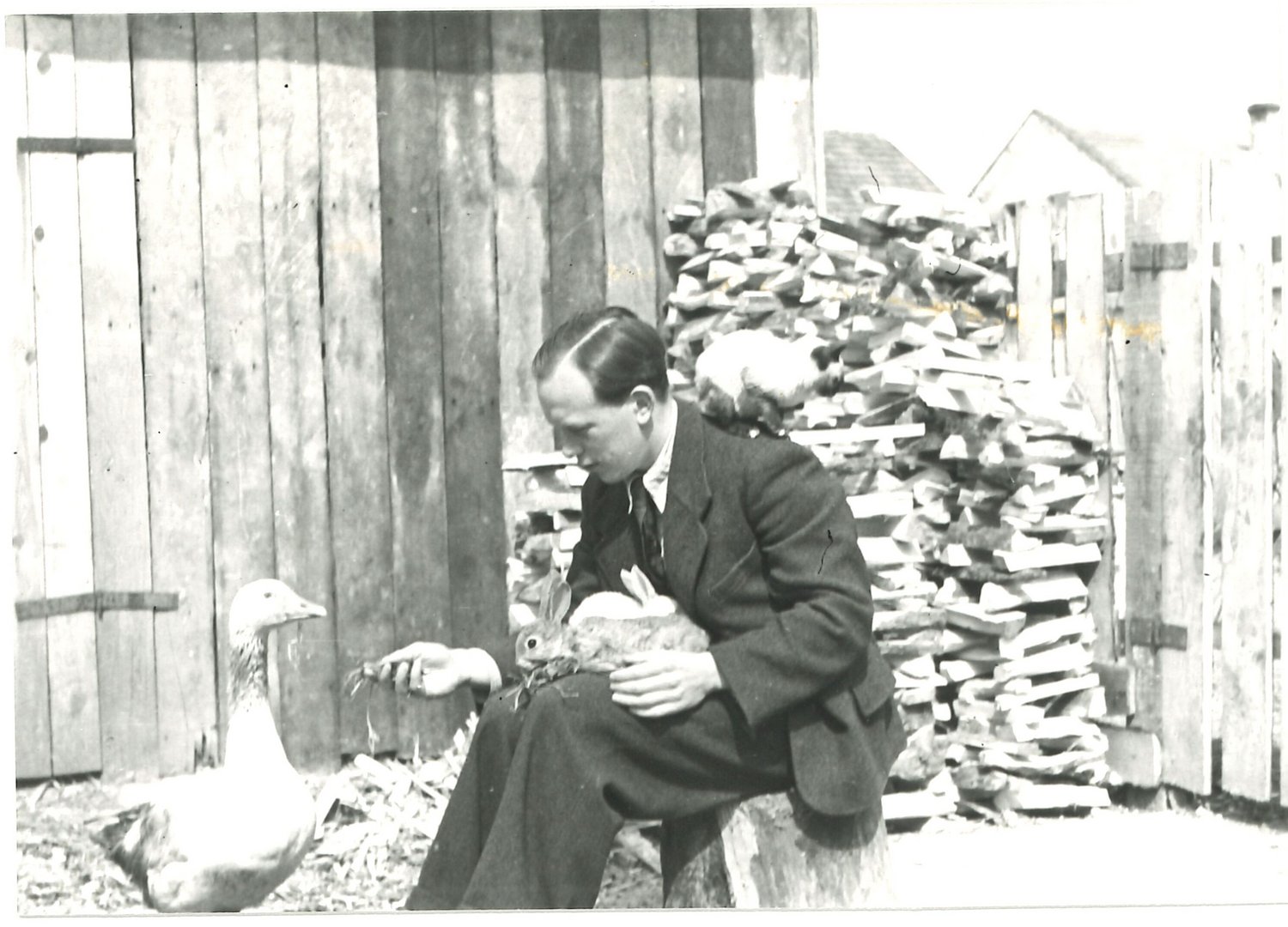
A story that could have been lost
After the war, both doctors emigrated, and their story was only described many years later, including in Dr Łazowski’s book “Prywatna wojna. Wspomnienia lekarza-żołnierza 1933-1944” [Private War: Memoirs of a Physician‑Soldier 1933–1944]. Despite this, it remained largely unknown for a long time, and inaccuracies began to appear online. For instance, incorrect claims about allegedly saving 8,000 Jews. Łazowski himself clearly refuted this in his book, noting that for a Jewish person, typhus would have been a death sentence. However, together with Dr Matulewicz, he did save Jews by treating them in hiding, despite bans and the severe penalties imposed by the occupying forces.
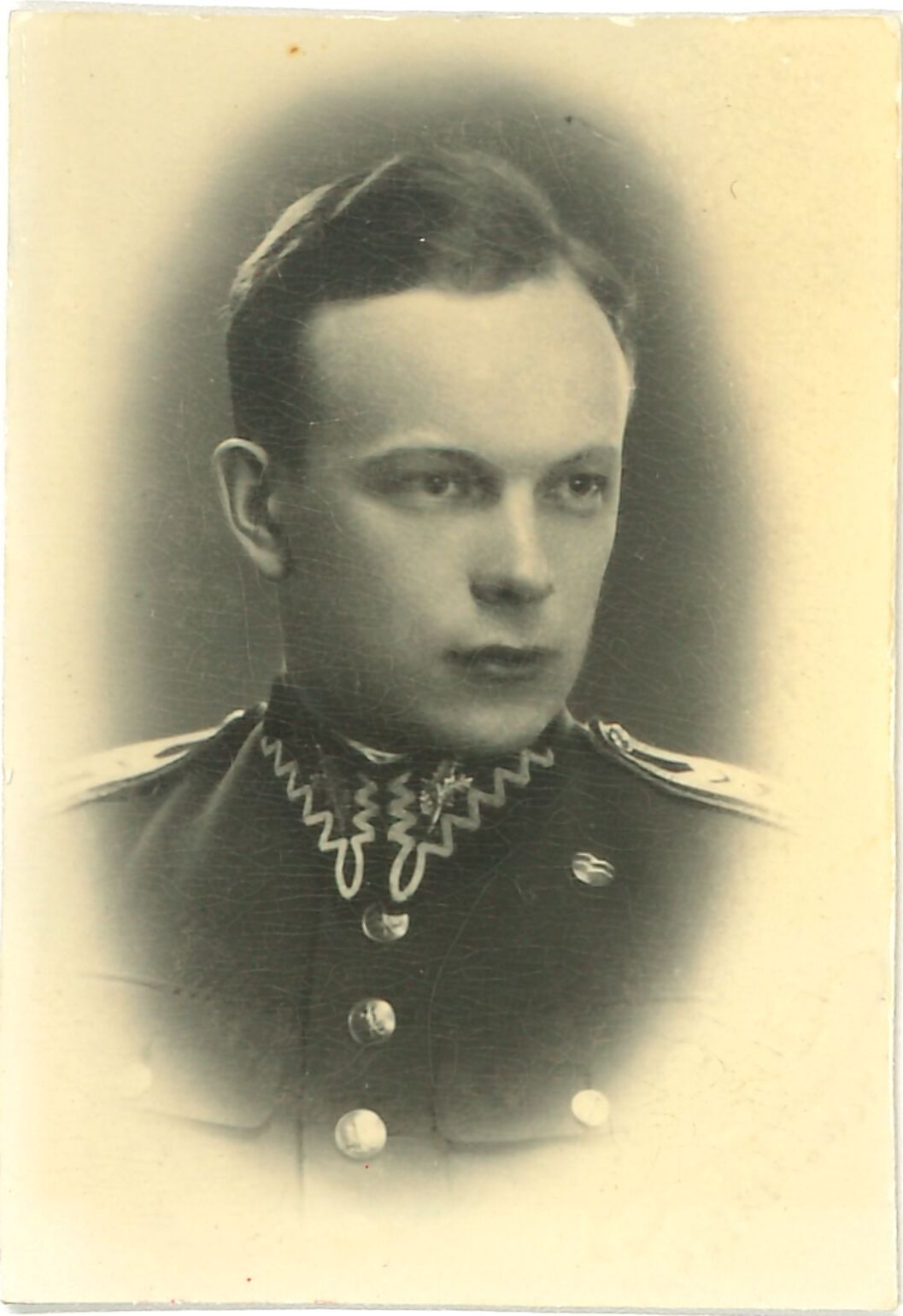
A researcher who restores the memory of the microbiological conspiracy
The contemporary revival of interest in this story began… by chance. About ten years ago, the husband of dr hab. Dominika Drzewiecka, a microbiologist researching Proteus bacteria at the Faculty of Biology and Environmental Protection, University of Lodz, came across a reference to the false epidemic. He shared this information with Prof. Drzewiecka, which prompted her to conduct further research. As she recalls:
It started around 10 years ago, when my husband found information online about two doctors who created a fake typhus epidemic using Proteus bacteria. Although he is not a microbiologist, he remembered that I work on bacteria of the genus Proteus and shared this story with me. We both began searching for further information.
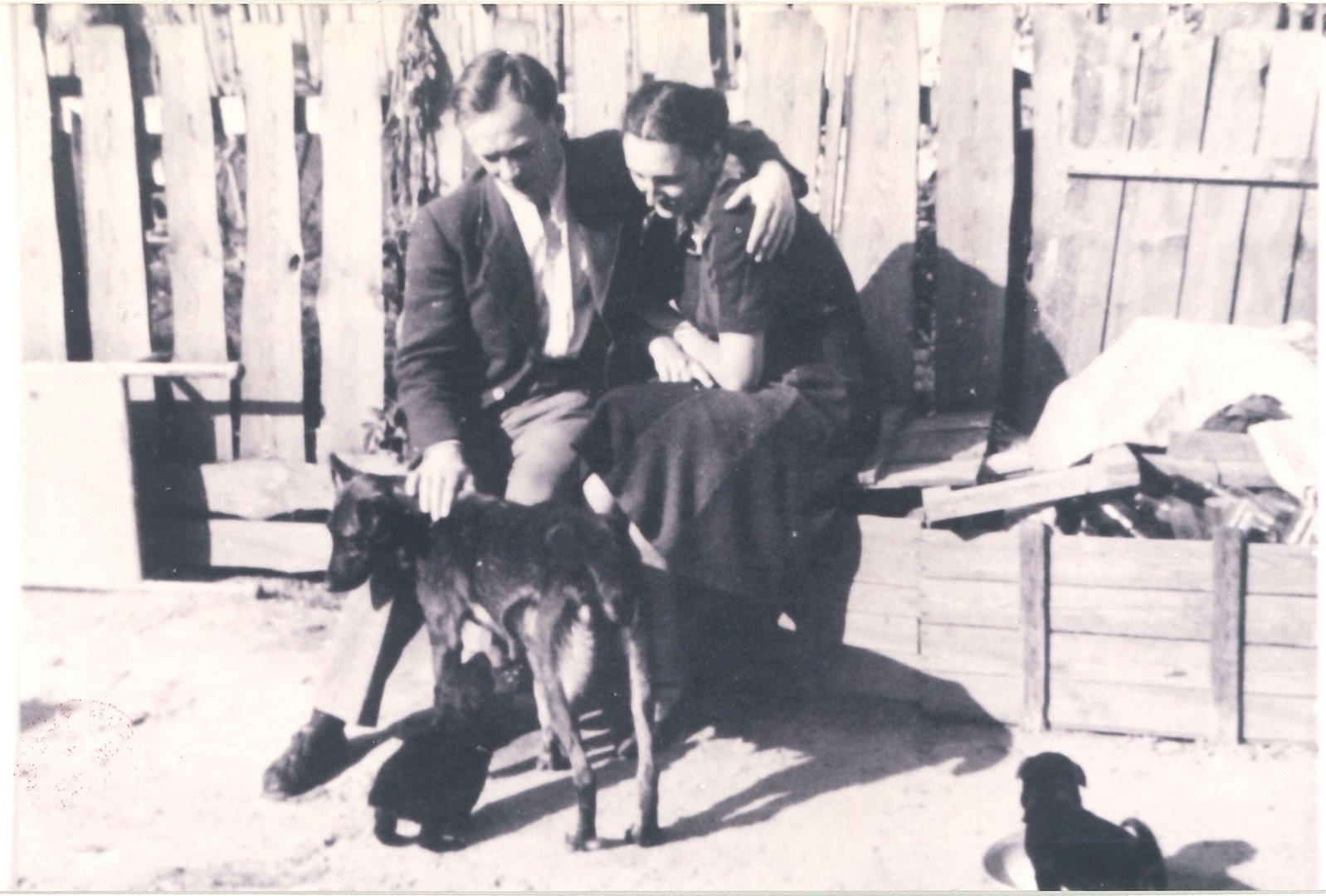
Prof. Drzewiecka established contact with the Regional Museum in Stalowa Wola, where the events had taken place, obtained archival materials and began promoting this story. In 2017, she became involved as a microbiology expert in the production of the documentary film “In Search of the Polish Schindler”, which had its Polish premiere in September 2022.
Some of the filming took place here – at the Faculty of Biology and Environmental Protection, University of Lodz, in one of our teaching laboratories
– recalls Prof. Drzewiecka.
From a documentary to scientific publication
The story continues.
After seeing me in the film, about a year and a half ago I was contacted by a doctor of Polish origin, Justyna Nunes‑Biesiadecka, who works in Germany and is writing her doctoral dissertation on this topic under the supervision of Prof. Gerd Fätkenheuer at the University of Cologne. She asked for my support and, after many conversations and sharing materials we had gathered during our research, I proposed that we jointly write an article – something I had been planning for a long time – which would analyse this phenomenon from a scientific perspective based on available source materials and academic publications
– the researcher explains.
This publication, entitled “Resistance by applied immunology: fabricated typhus epidemic as civil protection in occupied Poland during World War II”, authored by Justyna Nunes‑Biesiadecka, Dominika Drzewiecka, Sören Gatermann, Jonathan Jantsch and Gerd Fätkenheuer, was recently (February 2026) published in the international scientific journal Infection (https://doi.org/10.1007/s15010-025-02706-6).
Prof. Drzewiecka has also spoken about this remarkable story in a lecture entitled “Konspiracja mikrobiologiczna. Niesamowita historia polskich lekarzy i sfingowanej epidemii, ratującej życie w czasie II wojny światowej” [Microbiological Conspiracy: The Extraordinary Story of Polish Doctors and a Fabricated Epidemic Saving Lives During World War II], delivered as part of Night of Biologists 2026, as well as in a Radio Łódź programme “Szkiełko i oko” (“Lens and Eye”) devoted to the topic. The story has also attracted the attention of the German press, which has published articles on both the doctors’ activities and the scientific analyses conducted by researchers.
Legacy that endures
Thanks to the work of Prof. Dominika Drzewiecka, the story of this microbiological resistance has reached a wider audience. Owing to the efforts of researchers and science communicators, the microbiological conspiracy from the Stalowa Wola region is becoming increasingly well known – both in Poland and internationally. It is a story of ingenuity, courage and the power of science – and of how research passion can restore a forgotten chapter of history to the world.
Dr hab. Dominika Drzewiecka – after completing her studies in Microbiology at the University of Lodz, she began working at the Department of General Microbiology, conducting research on the serological properties of Proteus rods. These findings formed the basis of her doctoral dissertation and later her habilitation, which received, among other distinctions, an award from the Marshal of the Łódź Voivodeship.
She currently analyses factors influencing the pathogenicity of Proteus, including O antigen types, membrane vesicle production and interspecies competition. She also studies halophilic microorganisms from salt mines and other environmental microbes. She collaborates with research centres in Poland and abroad. She is the academic supervisor of the Microbiology and Immunology Student Science Club and actively engages in science communication by conducting workshops, demonstrations and media appearances.
Source: dr hab. Dominika Drzewiecka (Department of Biology of Bacteria, Faculty of Biology and Environmental Protection, University of Lodz)
Edit: Kamila Knol-Michałowska, Mateusz Kowalski (Promotion Centre, Faculty of Biology and Environmental Protection, University of Lodz)
Graphic: Mateusz Kowalski (Promotion Centre, Faculty of Biology and Environmental Protection, University of Lodz)
Photos: Regional Museum in Stalowa Wola