Book as an invitation to further exploration
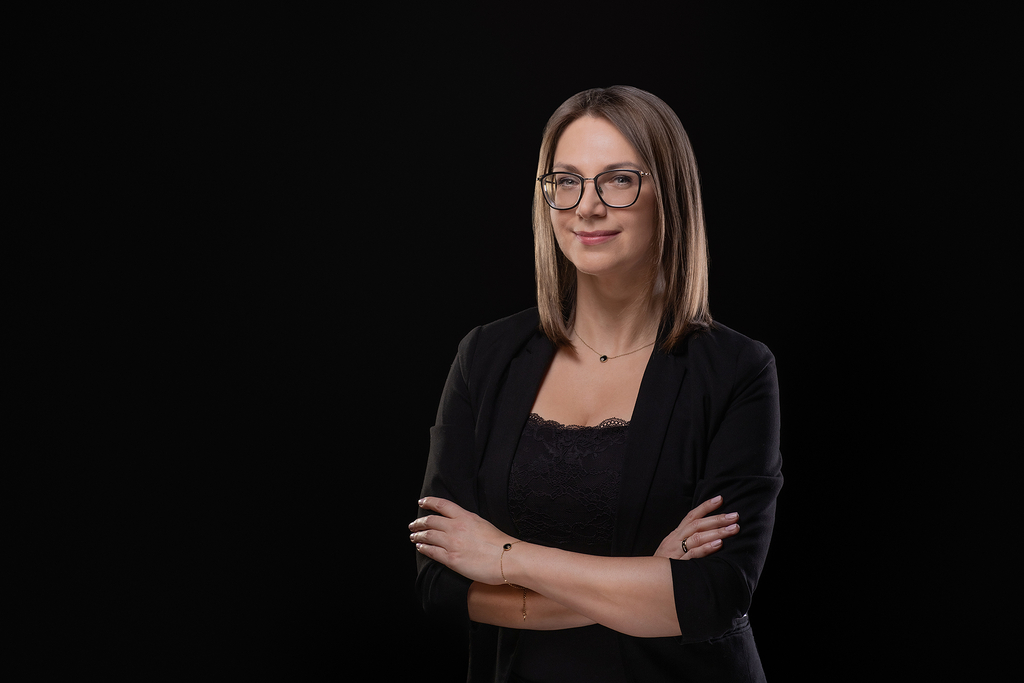
In the interview, Dr Joanna Orzeł reflects on the role of the researcher in the public sphere – not only as a creator of knowledge, but also as its translator and a guide. The conversation was inspired by her book, "My, Sarmaci. Mity i rzeczywistość szlachty Rzeczypospolitej". It is both a story about the nobility and a reflection on how the past influences our contemporary thinking about state, society and identity.
In my opinion, popularisation is today, alongside education, the second pillar of carrying the proverbial torch of education. Often, acquiring knowledge about the past ends with the end of school education
– explains the book’s author and adds:
Some of the issues I address are little known to the general public, others are those about which we think we have knowledge, but this knowledge turns out to be not entirely consistent with reality or embellishes it.
The conversation paints a picture of a researcher who not only knows the sources but also translates them into language that is understandable and inspiring for a wide audience. The book "My, Sarmaci..." is an invitation to reflection and further reading. Each chapter encourages the reader to explore the topic independently, confronting common knowledge with historical facts, and discovering lesser-known aspects of history. The author attempts to debunk popular myths about the nobility and the Polish-Lithuanian Commonwealth – both those perpetuated in the early modern period and those still in use today. She highlights the mechanisms by which the image of the past is idealised and distorted in public consciousness.
The entire interview with Dr Joanna Orzeł (in Polish)
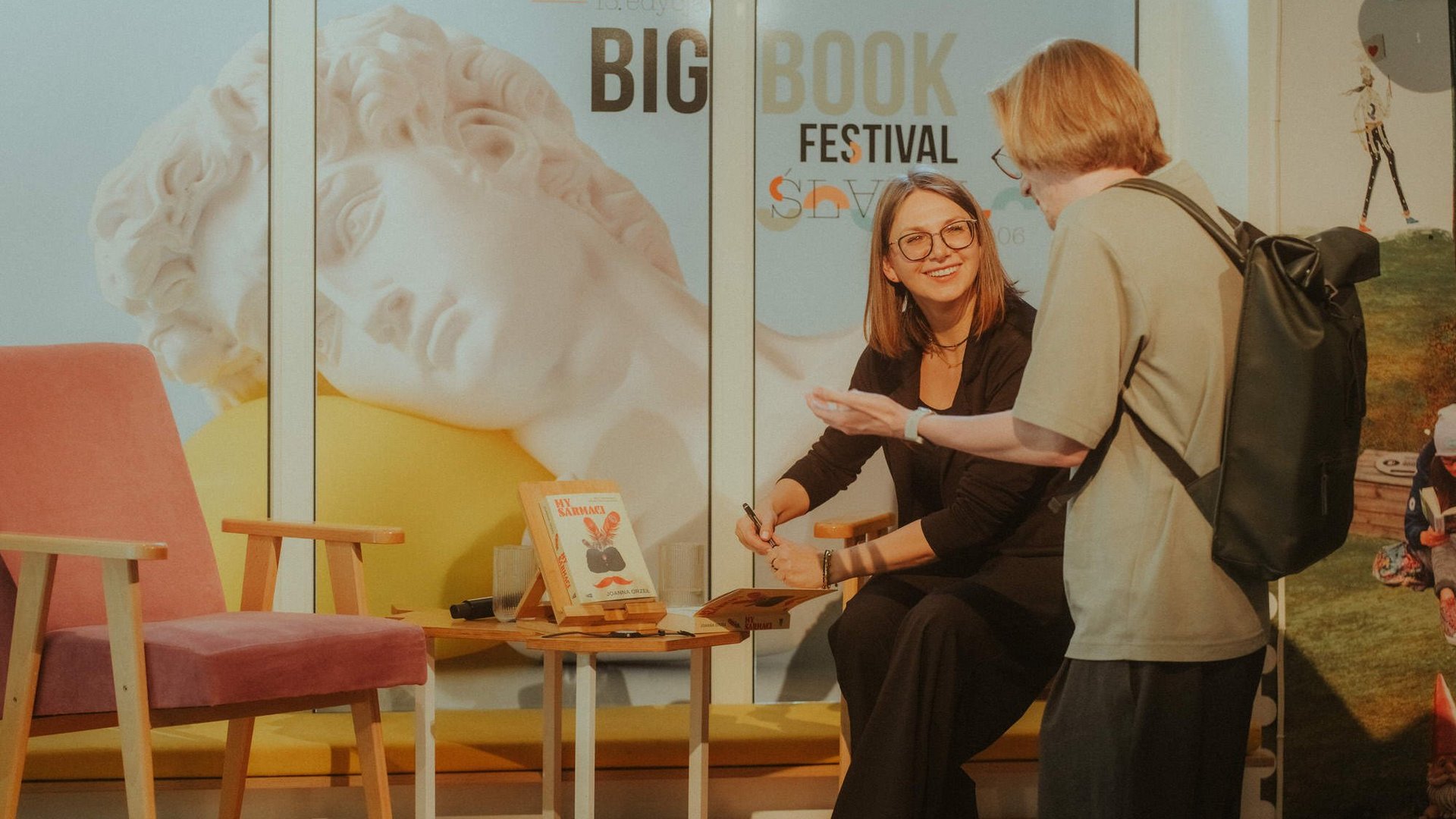
The author talked about her book at events including the Warsaw International Book Fair and the Big Book Festival. There will be further opportunities to meet with Dr Joanna Orzeł in Lodz, in Autumn: at the Museum of Independence Traditions in October and at the Book Fair in November, as well as, of course, at the Institute of History at the University of Lodz.
Science Inspires – from research to the popularisation of knowledge
More conversations with researchers from the University of Lodz – not just in the field of history –can be found on our "Nauka Inspiruje" [Science Inspires] YouTube channel. There are podcasts, lectures and conversations with researchers representing various fields – from history and literature, through sociology and biotechnology, to artificial intelligence. This is a space where science meets curiosity, and specialised knowledge gains new accessible forms of communication.
Source: based on the quoted "Gazeta Wyborcza" article
Edit: Agata Dawidowicz, Centre for External Relations and Social Responsibility of the University, University of Lodz
Photos: Bartosz Kałużny, Centre for External Relations and Social Responsibility of the University, University of Lodz and Marcin Szumowski, Big Book Festival