
An interdisciplinary team of researchers from, among other things, the Jagiellonian University, the Pomeranian Medical University in Szczecin, the Central Forensic Laboratory of the Police in Warsaw, the University of Lodz, the Academy of Physical Education in Katowice, and the Academy of Physical Culture in Krakow has conducted a pioneering and first-of-its-kind comprehensive study on the relationship between lifestyle, genetics and facial skin ageing. By analysing three-dimensional scans and epigenetic data collected from 735 individuals from the Polish population, the researchers have gained a better understanding of the factors determining the rate of changes in appearance.
The results indicate a close interaction of genetic and epigenetic factors in the skin ageing process, confirming the influence of lifestyle on the rate of visible facial changes. Researchers have identified new genes (including EDAR and NRG1) whose DNA methylation correlates with wrinkle formation. The data demonstrates that facial skin ageing is not only subject to genetic control but also depends on environmental factors such as socioeconomic status, education, physical activity, stress, BMI and smoking. Importantly, accelerated biological ageing – measured by epigenetic clocks – was demonstrated to be reflected in the severity of photo-ageing and in subjective third-party assessments of facial age. This suggests the validity of using epigenetic clocks in dermatological diagnostics and planning anti-ageing interventions.
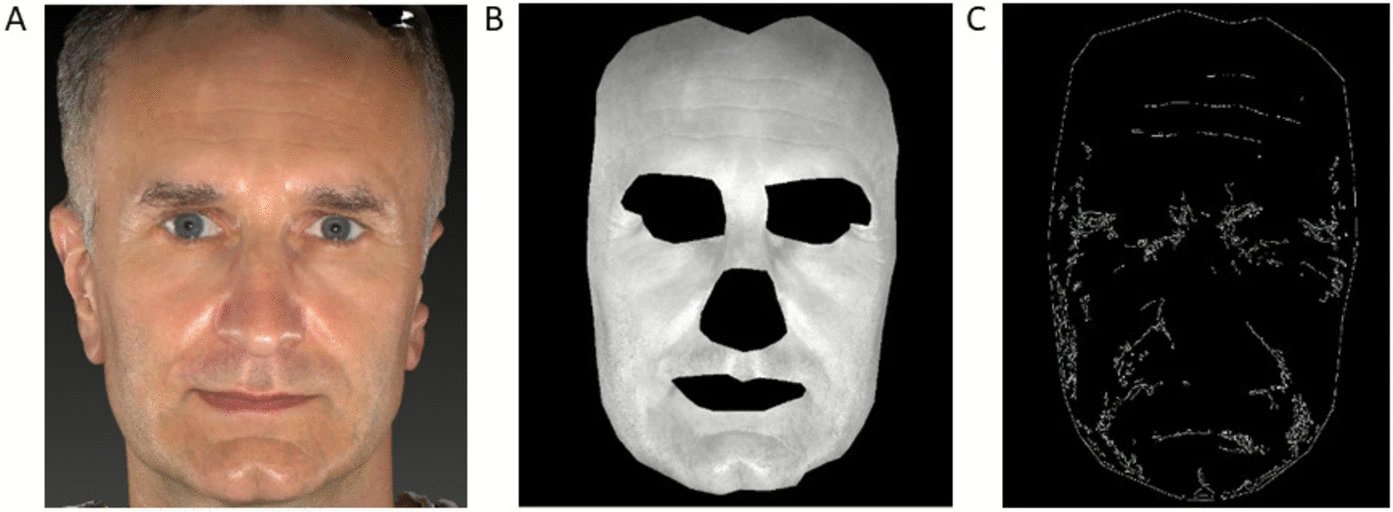
– This is a unique experience that has demonstrated how much can be achieved through collaboration across various scientific fields. The research was conducted according to a strictly defined protocol and with the highest precision across several teams, yielding reliable and valuable results. The analyses revealed the importance of methylation data and SNP polymorphisms in predicting skin characteristics – explaining, among other things, 59% of the variability in facial wrinkle area and 26.2% in perceived age. The results underline the importance of genetic and epigenetic factors, identifying new genes and molecular pathways associated with skin ageing. These findings have significant translational implications for dermatology, the cosmetics industry and anti-ageing strategies – dr hab. Paulina Pruszkowska-Przybylska (Department of Anthropology, Faculty of Biology, Environmental Protection, University of Lodz)
The results have significant implications for dermatology, the cosmetics industry, and preventive medicine. Furthermore, they may find practical applications in forensics and anthropology, including age prediction and facial reconstruction.
Full article is available on the pages of the Academic Forum
Source: Forum Akademickie
Edit and graphics: Mateusz Kowalski (Promotion Centre, Faculty of Biology and Environmental Protection, University of Lodz)