Thematic Scope
Participants explored topics related to the adaptation of industrial heritage, public space design, cultural activation, wellbeing mapping and community engagement.
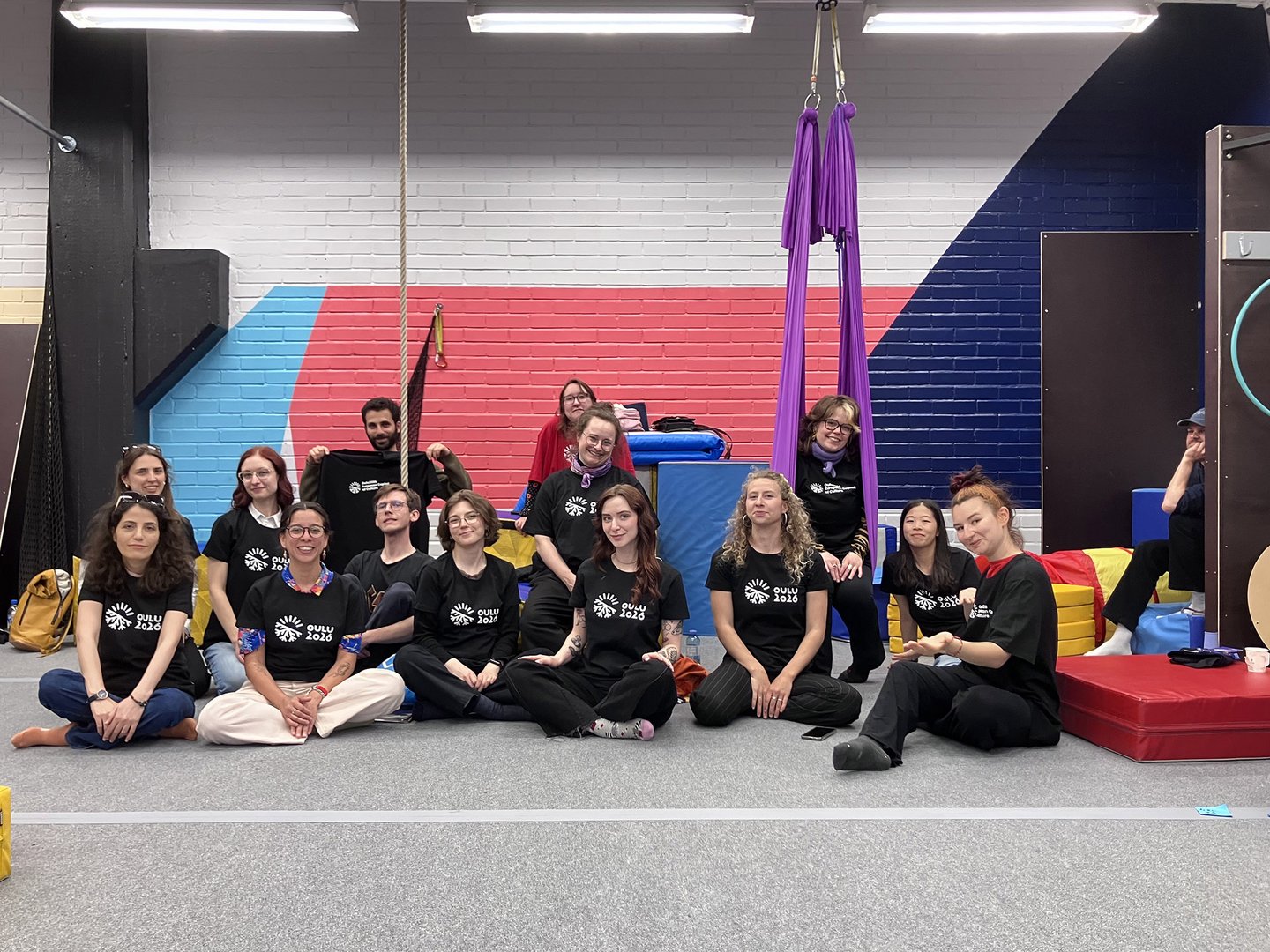
Creative Placemaking as the Foundation of Activities
Particular emphasis was placed on the concept of creative placemaking, understood as the co-creation of spaces through artistic activities, fostering a sense of belonging and strengthening residents’ identification with place.
Activities of International Research and Design Teams
Students took part in the work of international research and design teams, analysing methods of revitalising neglected urban spaces, the role of public art and opportunities for creating more inclusive urban environments.
Taking part in the BIP was an immensely enriching experience, allowing me to explore new research methods, collaborate in an international and interdisciplinary environment and establish many valuable connections.
Students from various UNIC cities brought different perspectives on the post-industrial transformations taking place in the Meri-Toppila district, whose multifaceted past and present we discovered day by day.
The wide range of activities carried out in cooperation with local residents, involving them in the regeneration process and strengthening the local community, can serve as inspiration for many other cities.
As part of our final project, we produced a short film that was screened during an event at Aaltosiilo and received considerable praise from Oulu residents. It gave me a sense of contributing to something meaningful and the joy of creating art that evokes emotions
– reports Lidia Opala, a student of Ethnology and Cultural Anthropology at the University of Lodz.

Murals and Participatory Activities as Tools for Integration
The use of murals and participatory practices as tools for strengthening social bonds and fostering a sense of belonging among residents, particularly in multicultural neighbourhoods undergoing social transformation, was one of the discussed topics.
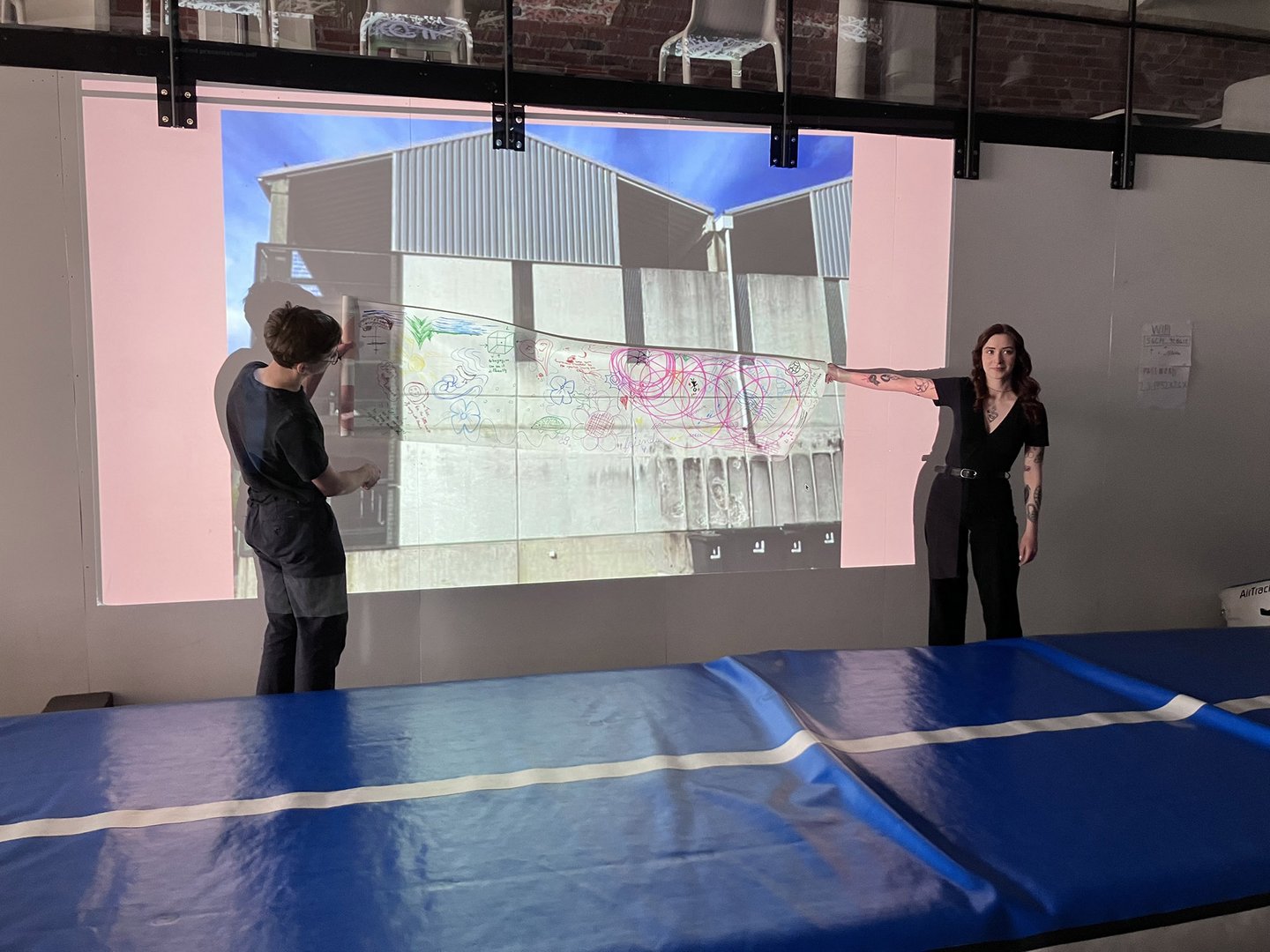
Online Lecture and Presentation of the Results of the “Przyjazne Miasto” [Friendly City] Project
As part of the virtual mobility component of the academic programme, Prof. Aneta Pawłowska and Dr Adam Drozdowski from the Institute of History of Art, University of Lodz, delivered an online lecture entitled “Urban Navigation and Cultural Accessibility for People with Visual Impairments: Insights from the “Friendly City” Project.
The presentation showcased the outcomes of the Przyjazne Miasto [Friendly City] research and implementation project, carried out at the University of Lodz. The project focuses on supporting the independence of people with visual impairments in urban spaces through location-based information systems, audio description and improved access to cultural heritage.
Participants showed particular interest in the solutions related to urban navigation and the inclusive design of access to culture, which closely aligned with the BIP programme’s key principles of promoting socially responsible and accessible cities.
The Significance of the University of Lodz’s Participation in the Programme in Oulu
The University of Lodz’s participation in the programme in Oulu constituted an important element of cooperation within the UNIC Alliance, strengthening international exchange between researchers and students working in the fields of art, urban studies, heritage and public space accessibility.
REVITALIZE Meri-Toppila 2026 Project
This year’s edition of the BIP was embedded within the broader REVITALIZE Meri-Toppila 2026 project, centred around the historic Aaltosiilo complex, a former silo designed by Alvar Aalto’s architectural practice in 1931, which today serves as a key focal point in the regeneration of the Meri-Toppila district in Oulu.

Acknowledgements to the Project Partners
We would like to extend our sincere thanks to the team at the University of Oulu, who designed the BIP programme and created a space for international exchange between students and lecturers representing a wide range of disciplines.
Special appreciation goes to Dr Markus Rytinki, who was responsible for coordinating the programme within UNIC, for his outstanding organisation, openness, kindness and for creating an inspiring atmosphere of academic cooperation.
We would also like to thank all partners involved in the REVITALIZE Meri-Toppila project for the opportunity to participate in an initiative that brought together reflection on industrial heritage, art, urban regeneration and the social dimension of the contemporary city in a truly unique way.