At the Beginning: Less Is More
A home herb garden does not need to consist of a dozen species straight away. For beginners, the best choices are plants that are resilient, fast-growing and capable of forgiving minor mistakes.
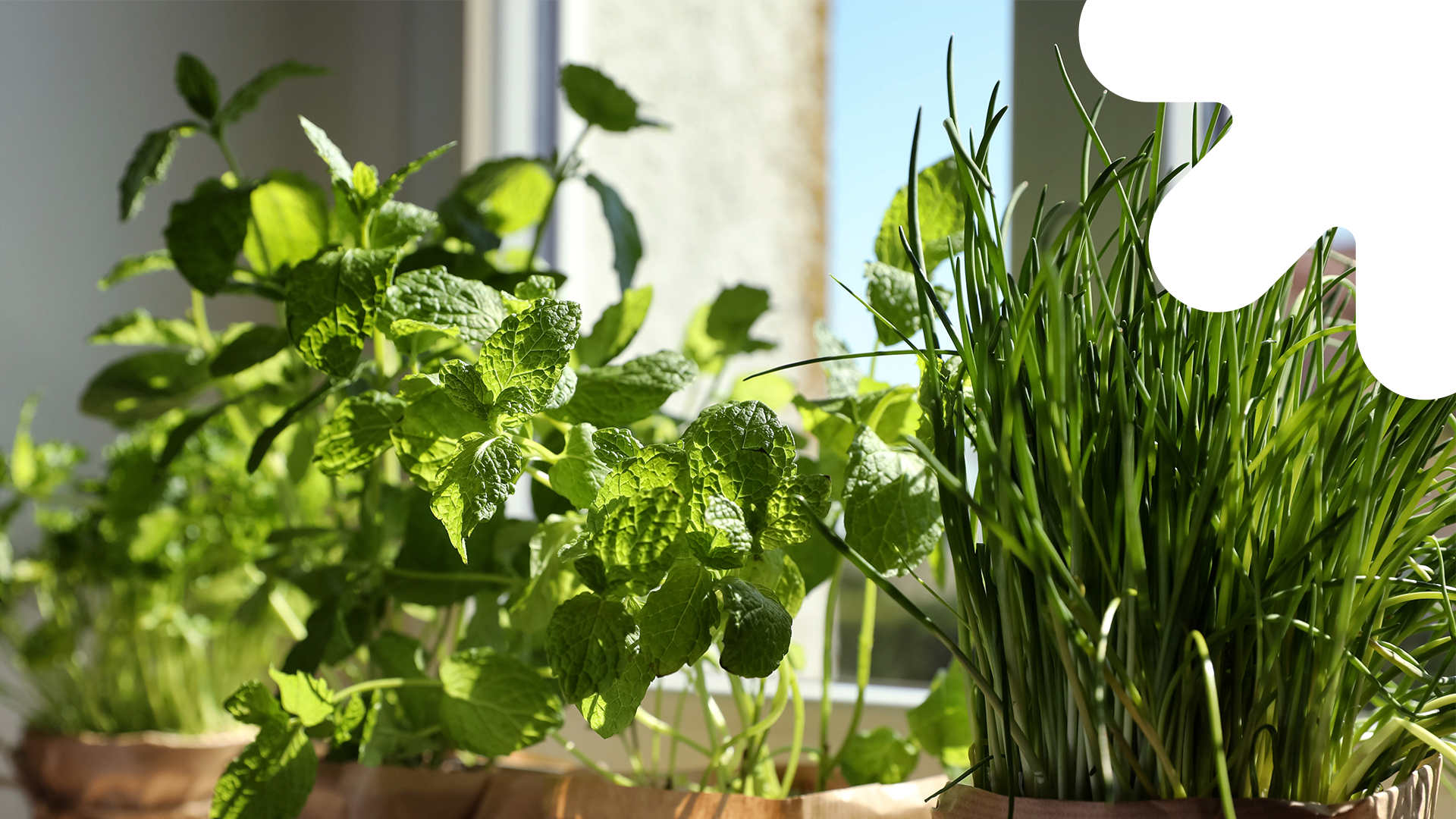
Among the easiest plants that I would recommend to start with are chives, which regrow easily and quickly after cutting and can be grown from seeds or small bulbs by dividing an existing clump. Mint, which tends to spread vigorously and should therefore be given its own pot from the outset; lemon balm; oregano, which is fairly resistant to occasional drying out; flat-leaf parsley [...] as well as rocket and some lettuces that form leaf rosettes
– Prof. Justyna Polit explains.
I would not start with a dozen species all at once. It is better to choose two or three plants from the easiest group, learn how to care for them, observe how they grow and respond to our cultivation practices, and only then gradually increase the level of difficulty.
You Can “Love Them to Death”
Once chives and mint are no longer a challenge, you can move on to basil, thyme, sage or rosemary. This is also when one of the most common problems appears: too much care.
A beginner gardener may simply... “love them to death”. Thyme and sage do not like excessively wet soil, so it is easy to harm them by watering too often. The same applies to rosemary. Beginners often think, “Oh dear, it looks a little wilted, I should water it,” then water it again and again... and the rosemary starts regretting ever ending up in that kitchen
– the biologist emphasises, adding:
You should not water plants according to a rigid schedule, such as “every two days”. It is much better to check the soil moisture with your finger.
Light Is Essential
Most popular herbs thrive in a bright location. Basil additionally requires warmth and regular watering, mint prefers moister soil, while rosemary and thyme cope well with drier conditions.
When a plant does not receive enough light, it may become weak and spindly, stretch towards the window, develop long gaps between leaves, and produce smaller, paler foliage
– says Prof. Polit.
In such conditions, supplementing natural light with an LED grow lamp may be helpful. This does not mean that the plants should be illuminated around the clock, however. Plants also need periods of darkness.
Seedling or Seeds?
For those expecting quick results, purchasing a healthy seedling may be the simplest solution. In this way, the most delicate stage of a plant’s development is bypassed. Sowing seeds, however, has its own advantages.
Growing plants from seed has one major advantage: it provides a great deal of satisfaction and is an excellent way to learn about the entire plant life cycle. It also makes it possible to obtain a larger number of plants at relatively little cost.
There is no need to choose only one method for all herbs. Basil can be purchased as a ready-made seedling, while rocket, dill and chives can successfully be sown at home.
From Our Windowsill Straight to the Plate
Regular pruning can benefit herbs and encourage further growth. If you want to keep them productive for a longer period, it is advisable to trim entire sections of shoots rather than randomly picking individual leaves.
And what should you do with the harvest?
Fresh herbs are best used as quickly as possible, as this is when they have the strongest aroma.
Thyme, oregano and rosemary are well suited to drying. Basil, parsley and lovage, on the other hand, can be frozen.
Growing your own herbs has one great advantage: you can harvest exactly as much as you need for a particular meal. Freshly picked basil for tomatoes, mint for a drink, or thyme for roasted vegetables can make a significant difference.
Good luck with your herb gardening!
Source: dr hab. Justyna Polit, Associate Professor at the University of Lodz, Department of Cytophysiology, Institute of Experimental Biology, Faculty of Biology and Environmental Protection, University of Lodz
Edit: Kacper Szczepaniak, Centre for Brand Communications, University of Lodz