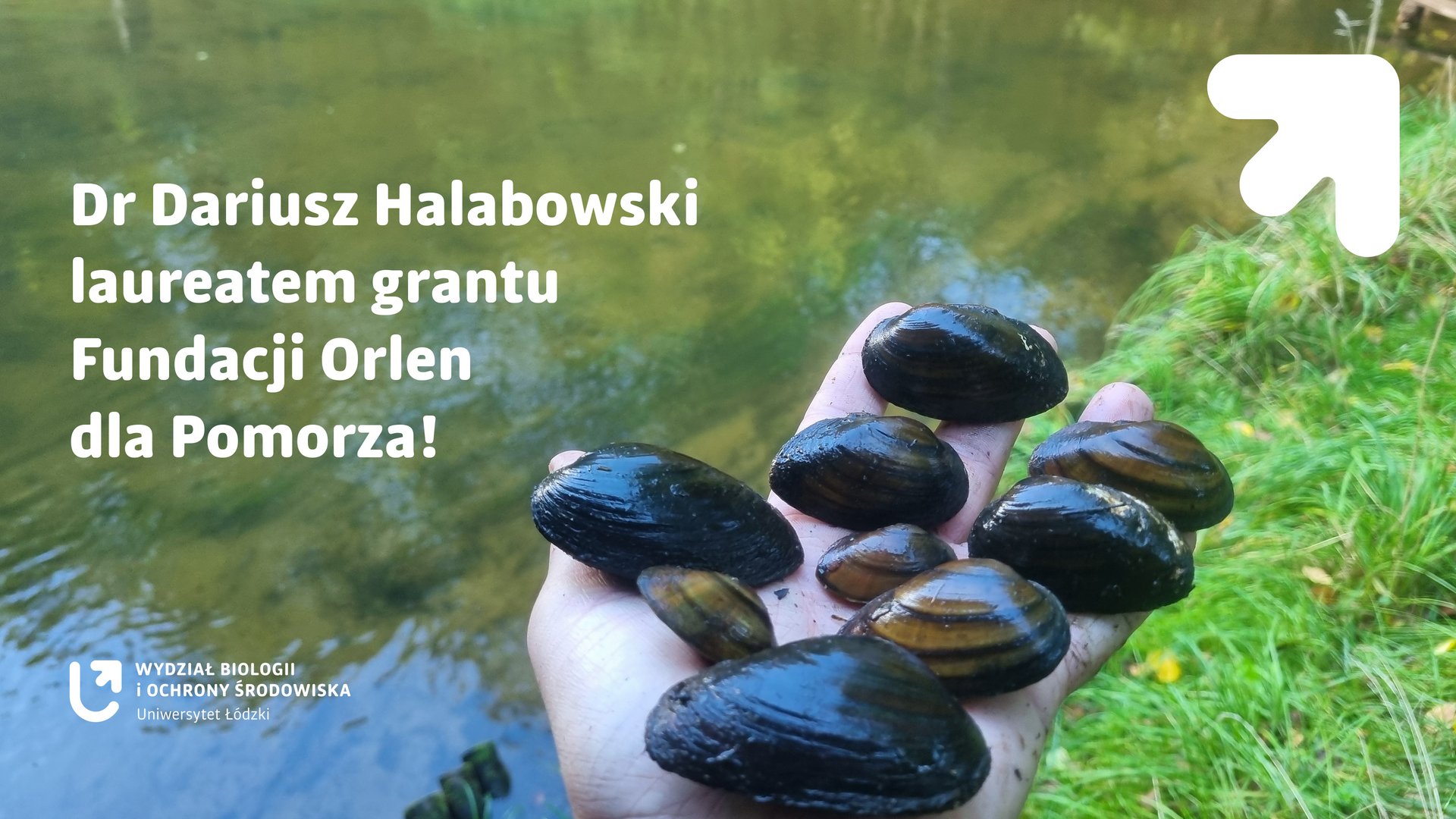
The project "Natural Filters of the Vistula: Biodiversity of Mussels, Their Interactions, and Ecosystem Functions" focuses on mussels – aquatic organisms that, through water filtration, sediment stabilisation and participation in food webs, significantly support river self-purification processes. Our goal is to comprehensively assess the diversity of mussels (those large ones – well-known, from the Unionidae family, but also the smaller ones, unknown and sometimes barely noticeable) in the Vistula and its tributaries, and to understand the key relationships between river mussels and fish, which serve as obligate hosts of their larvae (glochidia). We will assess the structure and distribution of mussel populations, describe their biofiltration capacity in the river, and identify environmental pressures, including risks associated with non-native species and changes in river conditions.
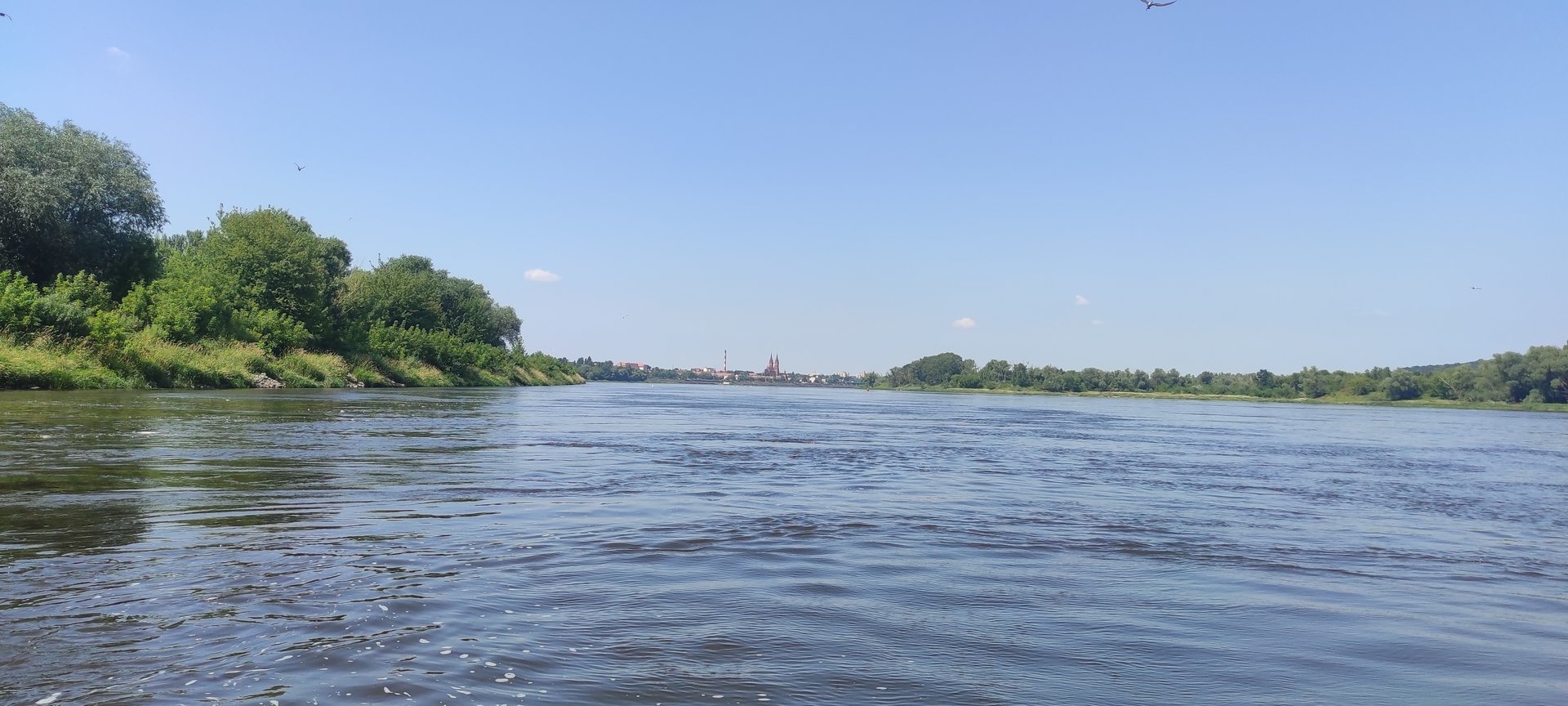
Receiving support through the Orlen Foundation for Pomerania's programme, "The Vistula Biodiversity Grant," is a great joy for me and a powerful impetus for further work. When I received the news of the project's funding, I felt grateful and proud, but also a great sense of responsibility, because the Vistula is a wonderful, living ecosystem whose health is of immense environmental and social importance for the entire country and beyond – underlines Dr Dariusz Halabowski.
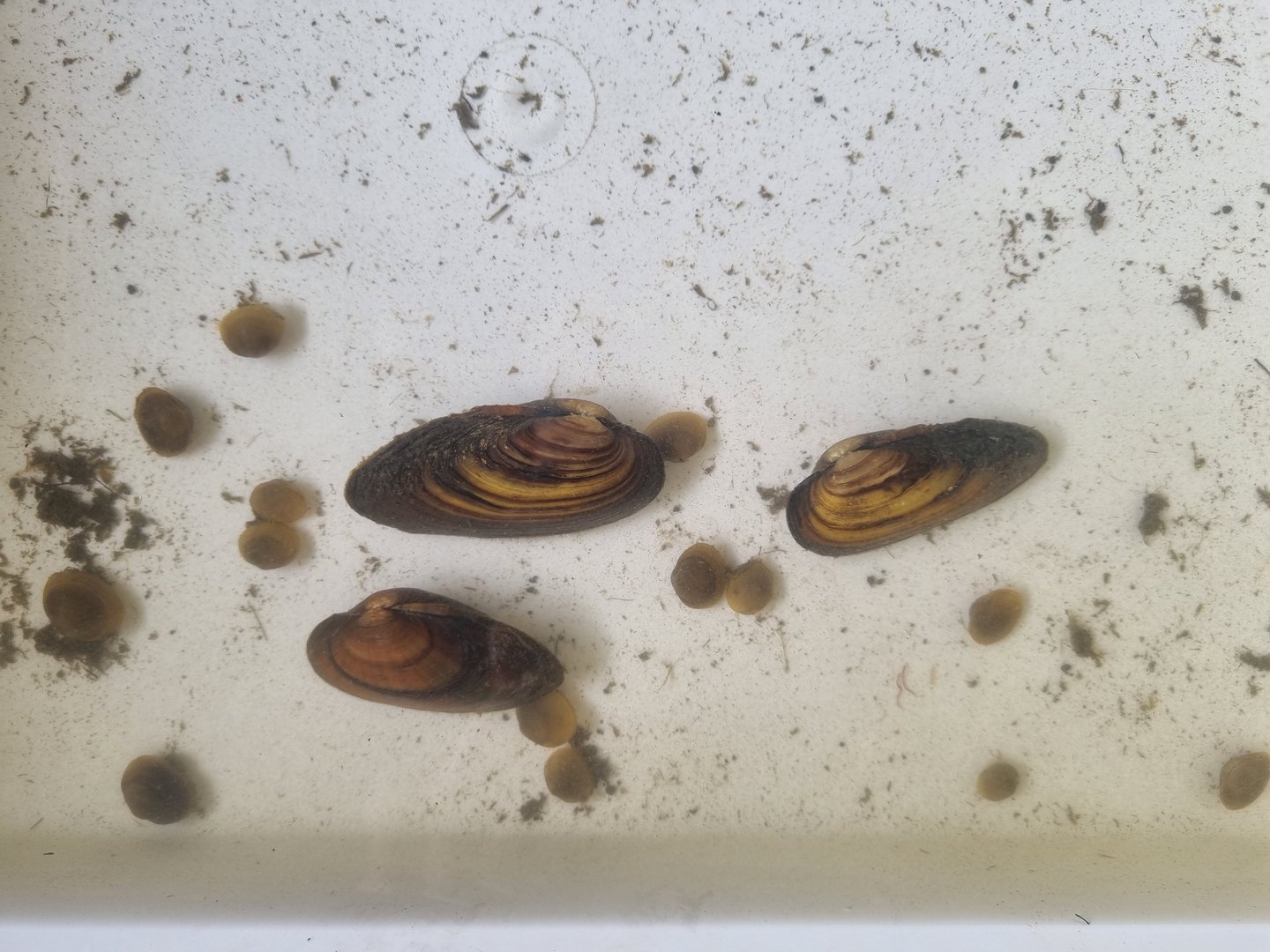
Field research will cover nearly 40 sections of the Vistula River and its tributaries, representing various habitat types (depending on accessibility and the nature of the section). We will conduct two field campaigns during periods of peak activity for glochidia-releasing species, collecting mussel samples, environmental material (including bottom sediments, plankton and environmental DNA), and samples necessary to identify host fish. In parallel, we will conduct a comprehensive set of physicochemical measurements of the water and sediment analyses (including granulometry) to link the biodiversity and health of filter-feeder populations with habitat conditions and identify factors influencing and limiting their occurrence.
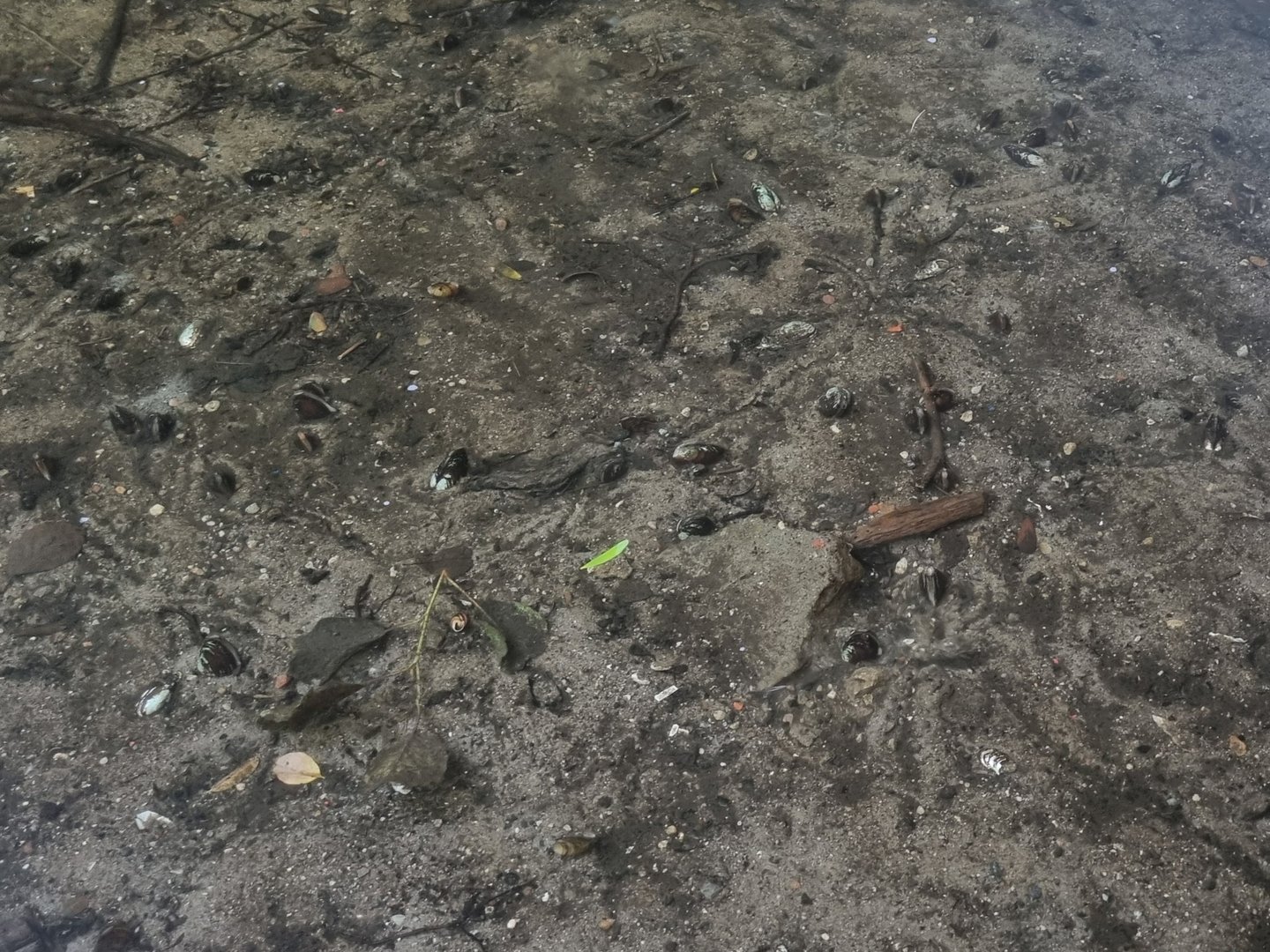
As Dr Halabowski notes: In the project, we will combine classic morphological identification with modern genetic methods: DNA barcoding (to ensure the identification of problematic species) and environmental DNA analysis, which allows for the non-invasive detection of rare species (or those missed by standard methods), protected species and alien species. This will allow us to obtain the most comprehensive and reliable picture of biodiversity and its changes on the largest possible scale, encompassing the Vistula River and its major tributaries
Source and photos: Dr Dariusz Halabowski (Department of Ecology and Vertebrate Zoology, (Faculty of Biology and Environmental Protection, University of Lodz)
Edit and graphic: Mateusz Kowalski (Promotion Centre, Faculty of Biology and Environmental Protection, University of Lodz)