Mushrooms – edible, inedible and poisonous ones
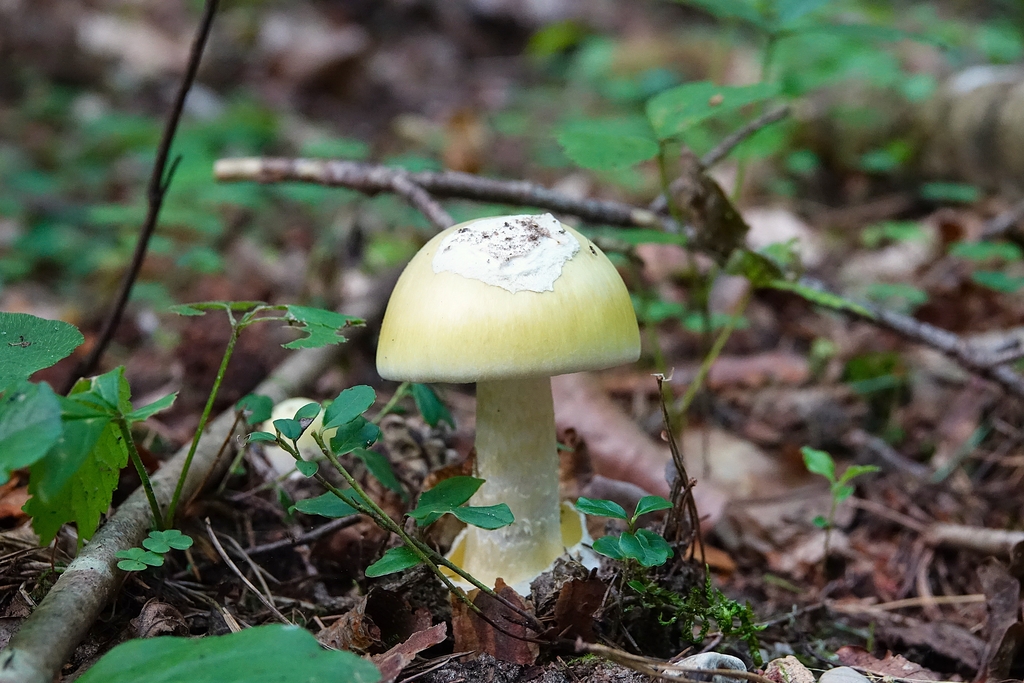
There are approximately12,000 species of mushrooms in Poland, of which about 1,500 are edible. The greatest threat is the Amanita phalloides (formerly commonly known as the death cap), often confused with the parasol mushroom or the yellow knight.
As mgr Sebastian Piskorski, a doctoral student from the University of Lodz Doctoral School of Exact and Natural Sciences, underlines, mushrooms can be divided into three main groups:
- edible – tasty and safe,
- inedible – they do not contain poisons, but are hard, bitter or simply unpalatable,
- poisonous – they can cause poisoning and, in extreme cases, even death.
Mushroom look-alikes, or what to watch out for
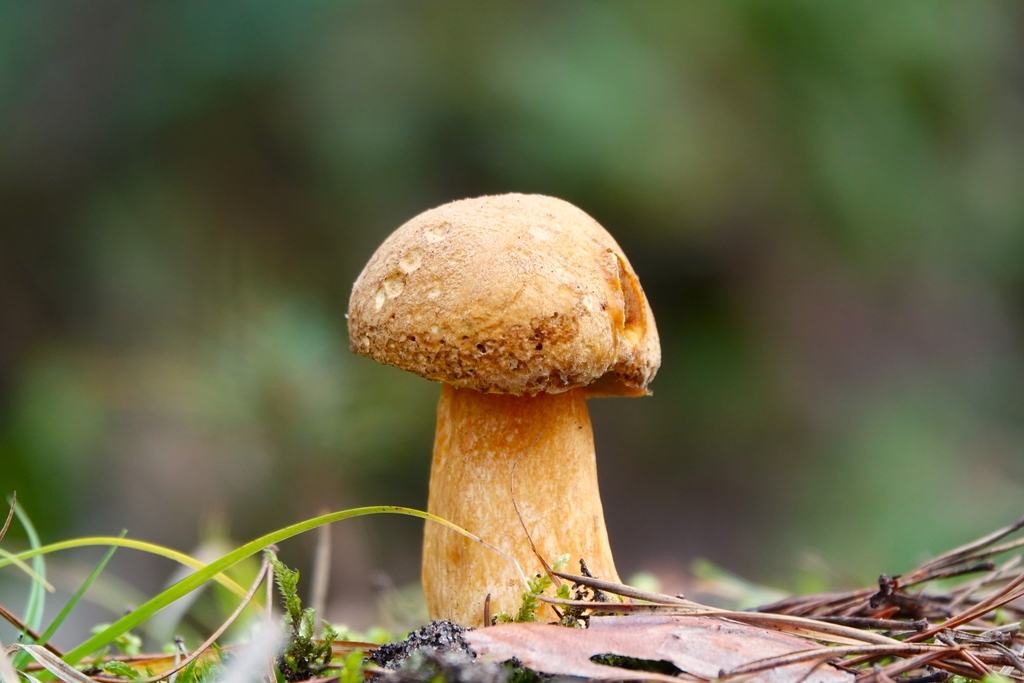
Most of the popular species collected by mushroom pickers, such as bay boletes, birch boletes, and slippery jacks, are easy to identify. It's more difficult when it comes to boletes…
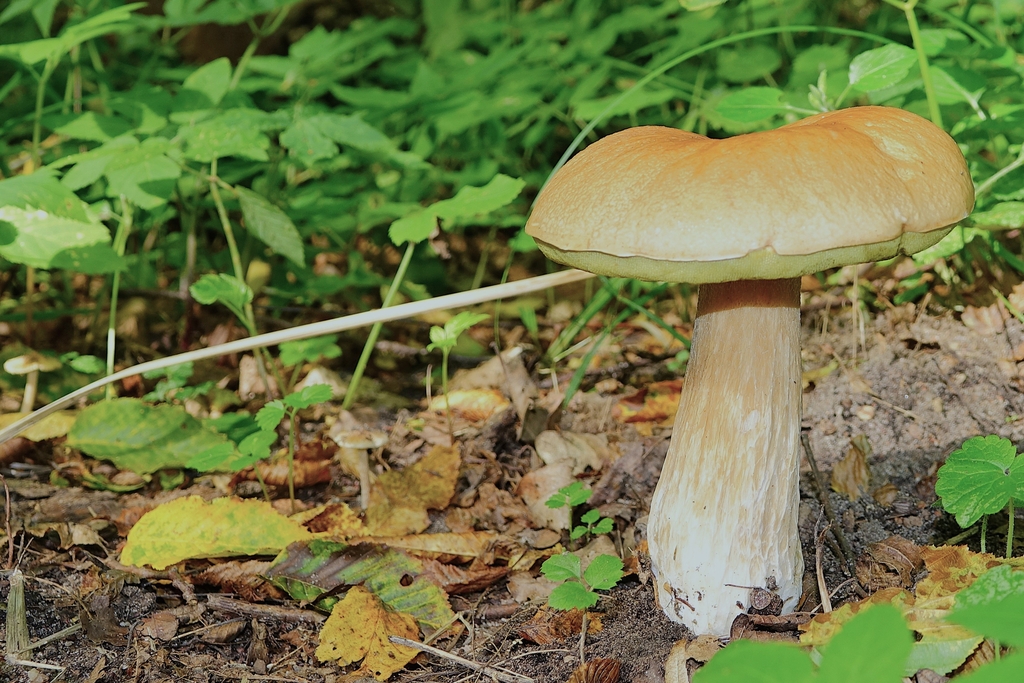
- Boletus edulis is the king of Polish forests.
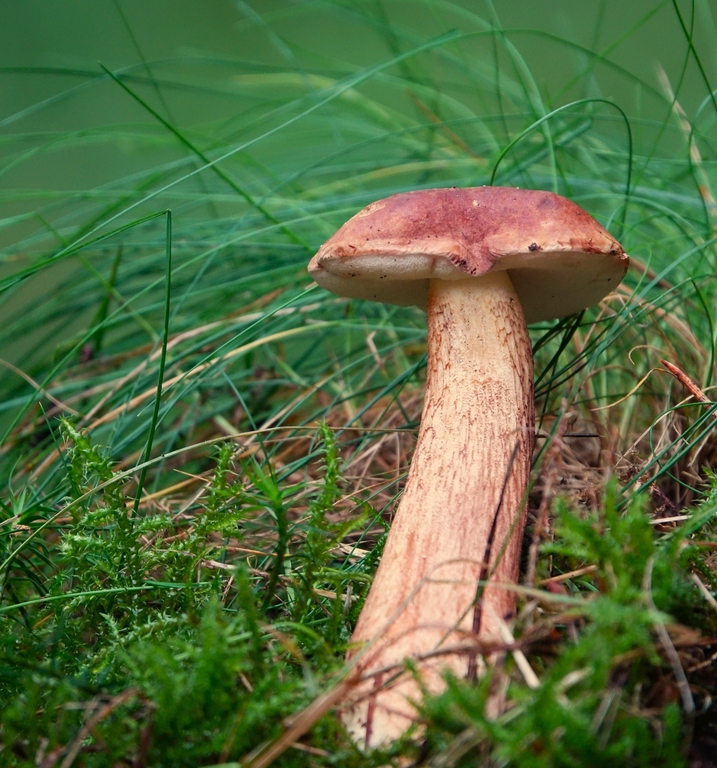
- Tylopilus felleus (the so-called bitter bolete) is very similar, but bitter to the point that it spoils the entire dish.
How to tell them apart? When picking boletus, make sure the underside of the cap isn't turning pink or red. If so, it's best to leave it in the forest.
A similar problem concerns the golden chanterelle, which can be confused with the false chanterelle, which in turn causes stomach upset. The difference lies in the underside of the cap: the chanterelle mushroom has slats, while the false chanterelle has gills.
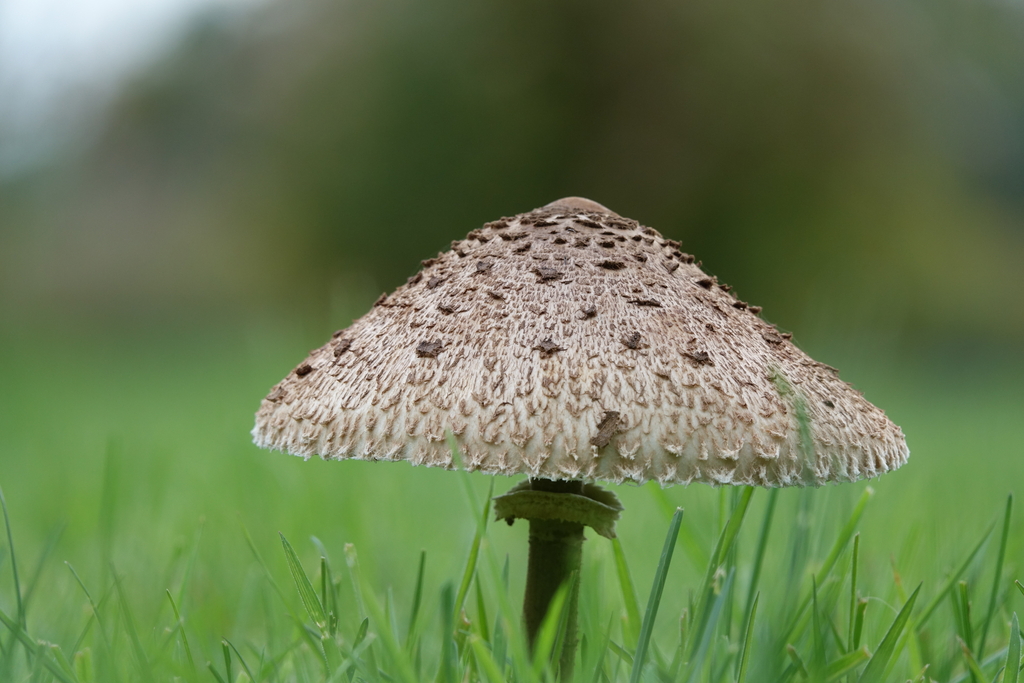
The same is true for the parasol mushroom. If misidentified, instead of a delicious pan-fried treat, it can prove to be a fatal mistake. The parasol mushroom is one of Poland's favourite mushrooms – great for breading and frying like a pork chop. However, it is most often confused with the death cap, one of the most poisonous mushrooms in Poland. How can you tell them apart? The parasol mushroom has a distinctive, moveable ring on its stem (which can be moved up and down). Its stem ends in a bulb without a sheath, and the cap is covered with scales and resembles an umbrella. The death cap, on the other hand, grows from an "egg," which bursts as the fruiting body grows, leaving a sheath at the base and never a moveable ring. Therefore, unless you're absolutely sure, don't pick young death cap mushrooms, which look like small balls. This is when they are most likely to be mistaken for a death cap.
If in doubt, leave the mushroom in the forest.
To pull out or cut out?
An old debate among mushroom pickers – is it better to cut mushrooms with a knife or pull them out of the ground? It turns out that it doesn't matter to the mycelium itself! Studies have shown that mycelium fruits regardless of the harvesting method. But beware! The harvesting method matters to us. If we are not sure about the species, it is better to pull out the entire fruiting body, because only then can we check all its characteristics (e.g., the bulbous end of the stem in parasol mushrooms).
A basket instead of a plastic bag
Mushrooms are delicate and spoil quickly. Collecting them into plastic bags or closed buckets is a sure way to get food poisoning. Lack of ventilation causes them to ferment and start rotting. The best choice is a traditional wicker basket. After returning from the forest, mushrooms should be processed as soon as possible – preferably within 24 hours. They can also be dried, frozen or heat-treated to kill parasites and mold.
Mushrooms – valuable food
It is often said that mushrooms have no nutritional value and are difficult to digest. This is a myth! Mushrooms contain complete proteins, including all essential amino acids, vitamins, minerals and natural compounds that support immunity. They are a great addition to a diet, especially for people who limit their meat intake. Of course (like any food), they become difficult to digest mainly because of how we prepare them (e.g., fried in large amounts of fat).
 Mgr Sebastian Piskorski
Golden rules for mushroom pickers
- Only pick mushrooms that you know well.
- Look at all the characteristics of the fruiting body – including the stem and underside of the cap.
- Use a basket, not a plastic bag.
- Don't store mushrooms for too long – it's best to eat or process them within 24 hours.
- If in doubt, leave the mushroom in the forest.
The season is in full swing, and the forests are full of nature's gifts. Mushrooms are not only a taste of childhood and autumn bigos, but also a valuable source of nutrients. All it takes is a little knowledge and caution to make mushroom picking a real pleasure rather than a risky adventure.
Source: mgr Sebastian Piskorski, University of Lodz Doctoral School of Exact and Natural Sciences
Edit: Kacper Szczepaniak, Press Office, University of Lodz