A Nest Is More Than Just a Shelter
For birds, a nest is the place where eggs are laid, nestlings are raised and young birds spend the first weeks of their lives. However, nest construction involves much more than simply gathering random materials.
The blue tit (Cyanistes caeruleus) uses, among other materials, moss, animal hair and feathers to build its nest. Under natural conditions, it may also bring fresh aromatic plants into the nest. Previous studies have shown that such plants may contain volatile chemical compounds capable of repelling certain parasites.
In urban environments, the situation looks somewhat different. Birds have access to materials that are virtually absent from natural habitats, including waste left behind by humans. One such material is cigarette butts.
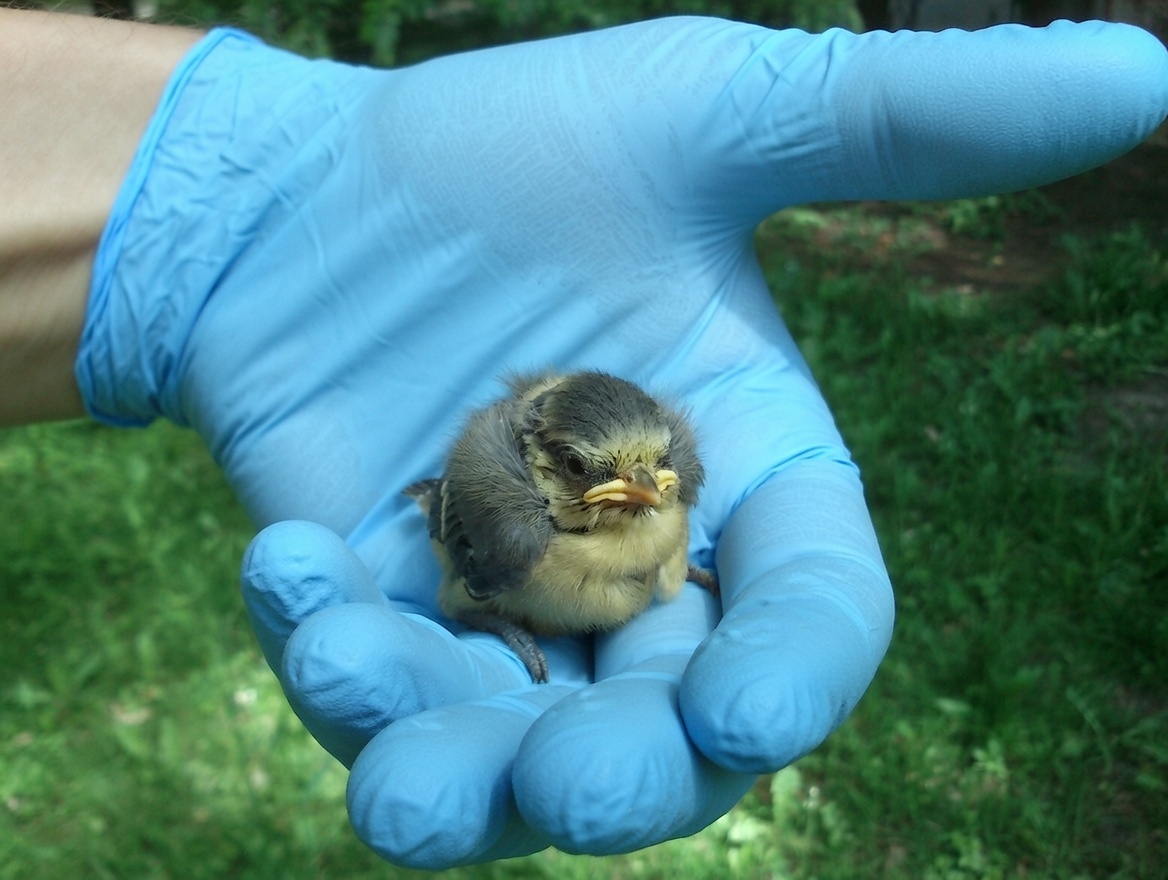
Why Do Blue Tits Bring Cigarette Butts to Their Nests?
Researchers from the University of Lodz and the University of Coimbra (Portugal) set out to investigate whether the presence of cigarette butts in nests might be associated with reducing parasite numbers. The hypothesis is primarily linked to nicotine and other substances present in tobacco. These compounds can be toxic to many invertebrates, making it possible that cigarette butts brought into nests serve as a form of parasite deterrent. At the same time, the researchers point out that this behaviour may be an example of birds adapting to urban conditions. This does not mean, however, that birds “like cigarettes” or that cigarette butts are a safe nesting material.
What Did the Experiment Show?
The researchers compared three groups of blue tit nests. The first group consisted of unaltered natural nests. In the second group, cigarette butts were added to the nests. In the third group, natural nests were replaced with sterile artificial nests made of moss and cotton wool.
The team then assessed, among other things, blood parameters in 13-day-old nestlings, including haemoglobin and haematocrit levels, and examined the presence of parasitic arthropods in the nesting material.
Nestlings raised in nests containing cigarette butts showed higher haemoglobin and haematocrit levels than those in the control group. A similar increase in these parameters was observed in nestlings raised in sterile nests. The results therefore indicate differences in the physiological condition of the nestlings, but they do not demonstrate that contact with cigarette-related materials is unequivocally beneficial.
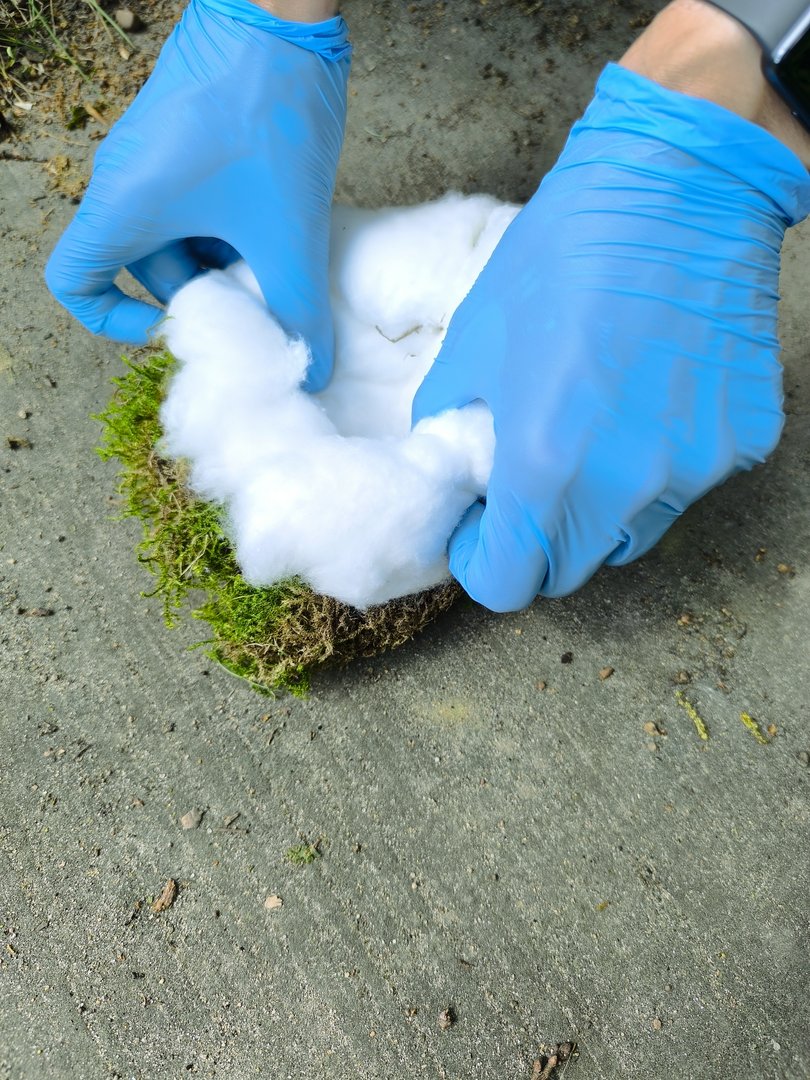
The findings concerning parasites were equally interesting. The highest numbers of parasitic arthropods were recorded in natural nests. Their numbers were somewhat lower in nests containing cigarette butts, while parasites were almost absent in sterile nests. In the case of fly larvae, lower abundance was observed in nests containing cigarette butts than in the control group, although this effect was only close to reaching statistical significance.
The study therefore does not allow researchers to conclude that cigarette butts act as a “medicine” for blue tits. Rather, it suggests that their presence may involve both potential benefits associated with reducing parasite loads and potential costs resulting from exposure to toxic substances.
A Cigarette Is Not a Safe Means of Nest Protection
Caution is particularly important because a cigarette butt contains far more than nicotine. Filters and combustion residues contain a wide range of chemical substances.
Previous studies on other bird species have shown that cigarette butts can indeed reduce parasite numbers in nests. However, they have also been associated with signs of genotoxic damage in the blood cells of nestlings. This means that the potential benefit of having fewer parasites may come at a cost.
In the latest study conducted by the University of Lodz team, DNA damage was not analysed. Instead, the researchers focused, among other things, on the physiological condition of the nestlings and parasite abundance. The findings should therefore not be interpreted as evidence that cigarette butts improve the health of young birds.
Urban Birds Teach Us to See Cities Differently
The story of cigarette butts in blue tit nests provides a good example of how animals can exploit new resources that emerge in environments altered by human activity. This does not mean, however, that all available materials are safe for them.
Research carried out by the University of Lodz team highlights the complexity of the relationships between birds, parasites and the urban environment. What appears to us as ordinary litter may become part of a bird’s nest. The scientific challenge remains to determine the long-term consequences of such choices.
One thing is certain: by observing blue tits in urban environments, we can learn a great deal not only about the birds themselves, but also about the ways in which human activity is reshaping the natural world.
Maria Pietrala, Doctoral Student Investigating Conditions Inside Bird Nests
Maria Pietrala, a doctoral student at the BioMedChem Doctoral School of the University of Lodz and the Polish Academy of Sciences Institutes in Lodz, affiliated with the Department of Experimental Zoology and Evolutionary Biology at the University of Lodz, is among the researchers involved in studies on the nesting ecology of tits. Her supervisor is dr hab. Michał Glądalski.
Her doctoral research focuses on the nesting ecology and breeding biology of the great tit (Parus major) and the blue tit (Cyanistes caeruleus). An important aspect of her work involves analysing how birds use aromatic plants in nest construction.
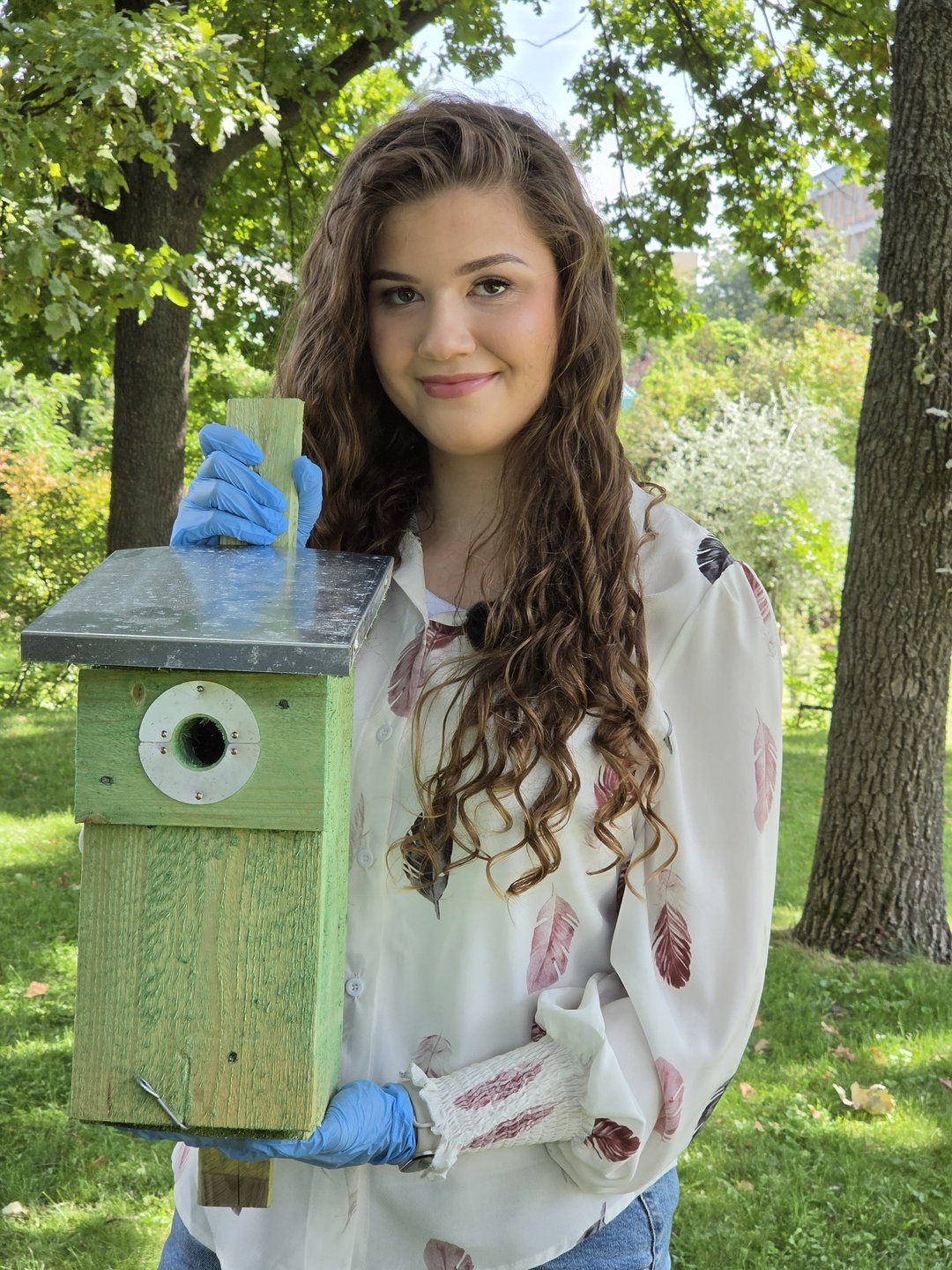
Maria Pietrala completed a research placement at Bangor University in the United Kingdom under the NAWA PROM Programme, as well as an internship at the University of Coimbra in Portugal through the Erasmus+ Traineeships Programme in 2025. During her stay, she worked, among other things, on developing a detailed database concerning the breeding performance of great tits and blue tits across different European populations. She also had the opportunity to deliver a seminar on her doctoral dissertation and learn about other studies on bird behaviour. Her research forms part of a broader project carried out by University of Lodz scientists, who have been monitoring tits breeding in nest boxes in Łódź and the surrounding area for many years. Long-term observations make it possible to follow the entire breeding process, from nest construction and egg laying, through nestling development, to fledging.
Source: mgr Maria Pietrala (BioMedChem Doctoral School of the University of Lodz and the Polish Academy of Sciences Institutes in Lodz)
Edit: Michał Gruda (Centre for External Relations)