One of the Very Few Polish Creators Whose Design Will Be Released by LEGO
LEGO is currently the world's largest toy manufacturer. According to the company's 2025 annual report, its revenue amounted to PLN 47.5 billion, while profits exceeded PLN 10 billion. In 2025 alone, LEGO released a record-breaking 868 unique sets. The company needs no introduction – virtually everyone has played with LEGO bricks at some point in their lives. Some people never stopped; others have returned to the hobby as adults.
LEGO bricks have always been characterised by the fact that, beyond building the model recommended by the manufacturer, users could create their own constructions. In the past, this creativity flourished in the privacy of our homes. For many years now, however, LEGO has drawn on the creativity of its fans and has brought some of their ideas into commercial production.
There are several programmes open to anyone, and if an idea receives sufficient support from the LEGO fan community, the designer's set may eventually be produced. The largest such programme is LEGO Ideas. To date, only one Pole has succeeded in getting a design onto LEGO shop shelves. That was Jan Woźnica, whose set Opowieści z czasów wyścigu kosmicznego [Stories from the Space Race Era], number 21340, was launched on 5 May 2023.
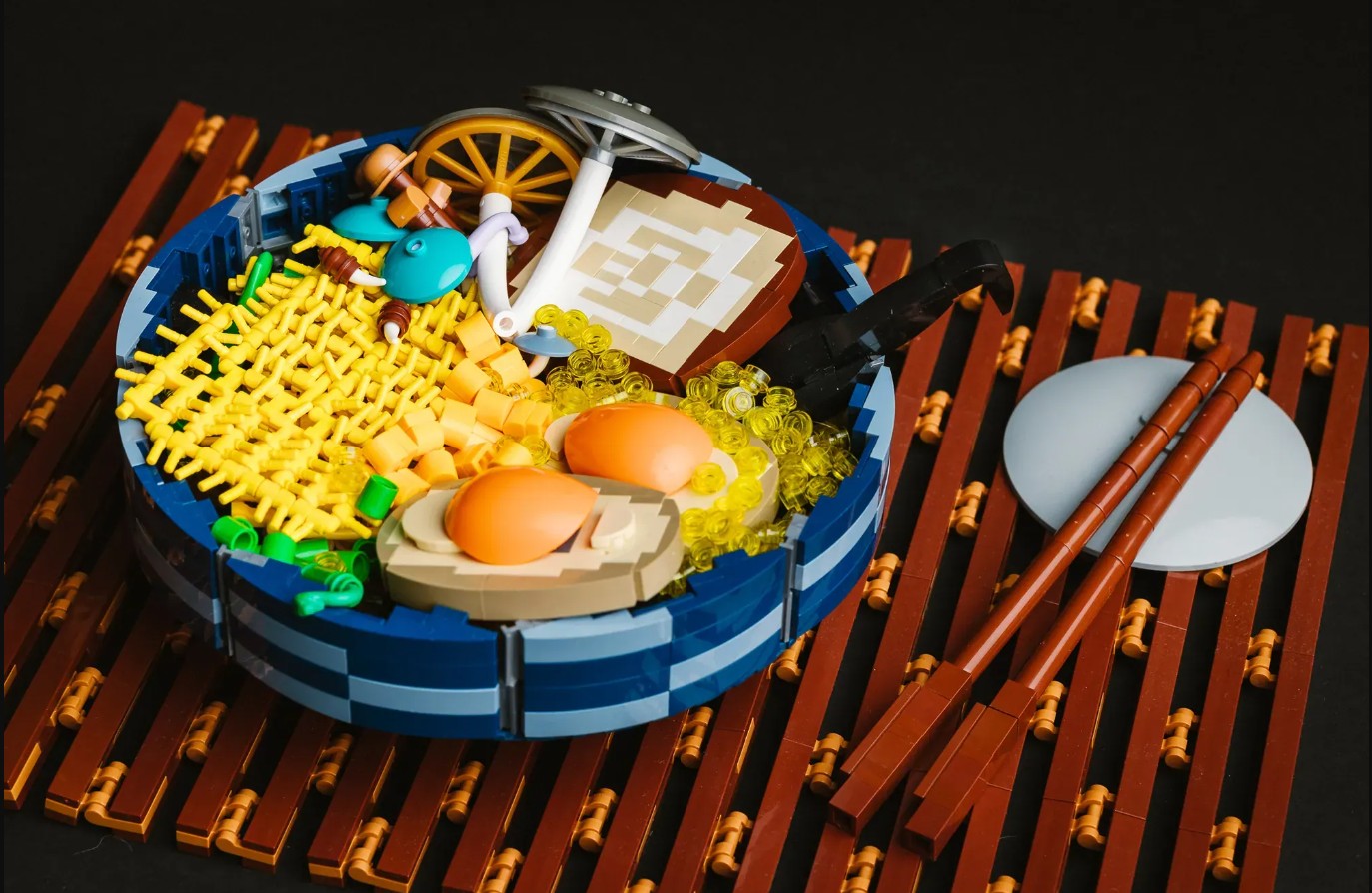
In 2026, Jan Woźnica will be joined by Dr Michał Duda and his… Bowl of Ramen. It is the first LEGO set in history to depict food in a realistic way. Apparently, the company concluded that its customers are now old enough not to eat the bricks for dinner and that such a concept was worth the risk.
Enormous Creativity and Patience
During the interview, Dr Duda explains that his ramen is not intended to be merely a static display model. The set has been designed so that it can be “assembled” like a real dish: users can choose ingredients, rearrange the soup and create versions with pork belly, tofu, mushrooms or prawns. Behind this seemingly playful idea lies a great deal of design work: selecting existing elements, matching colours, finding unusual connections, testing structural stability, and addressing issues of safety and visual clarity – particularly important when LEGO bricks are intended to imitate food.
Although LEGO will share a portion of the profits from sales of the original set with the University of Lodz researcher, Dr Duda says that financial gain is not what matters most to him. The knowledge that his creation will be available for purchase worldwide is an incredible feeling in itself.
It's a great joy that someone in the USA, Australia or, above all, Japan will have a set of my authorship on their shelf.
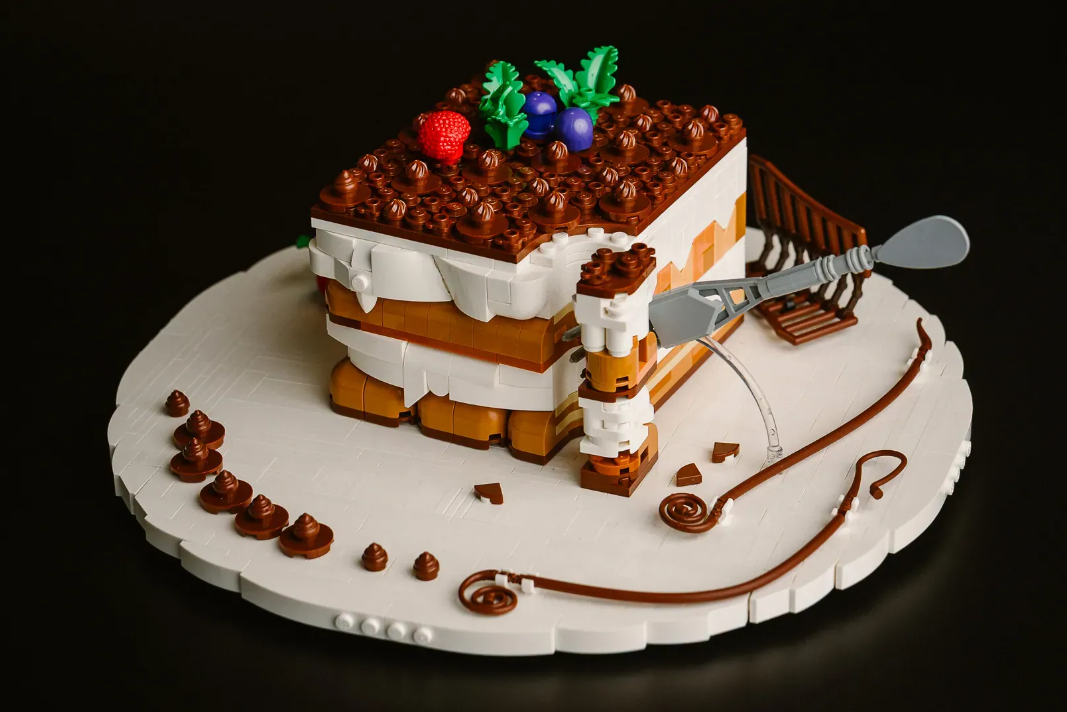
The podcast also explores the guest's new project – LEGO tiramisu – which has likewise been submitted to the LEGO Ideas programme. Dr Duda speaks extensively about his creative process: working with digital design software, simultaneously testing concepts using physical bricks, and searching for pieces that can “pretend” to be something entirely different in a new context. This is how, for example, noodles are made from minifigure hands, seaweed from flags, and raspberries from an element originally designed as a clown's hairstyle. Listeners discover just how much creativity and patience are required to combine playfulness, technical constraints and a strong sense of design.
Hidden Surprises Inside the Set
When asked about the so-called Easter eggs – hidden surprises concealed within the set – Dr Duda reveals several intriguing secrets. The Bowl of Ramen was originally created as a gift for his fiancée, so the set will include references to love, both in a personal sense and as a tribute to Dr Duda's other great passion: geography.
If you would like to learn the details, be sure to listen to the podcast.
The Image Is Often Built on Random Associations
The second part of the episode moves from LEGO to Dr Duda’s academic interests: the image of a city, tourism, and the way we construct mental pictures of places before ever seeing them. The starting point is the question of whether we truly get to know a city only upon arrival, or whether we bring with us a ready-made set of perceptions shaped by friends’ opinions, media associations, stereotypes, memories of other cities and random pieces of information found online.
This part of the conversation draws on Dr Michał Duda’s doctoral research devoted to the tourism image of Łódź. His book, Wyobrażony, rzeczywisty, zapamiętany – dynamika wizerunku turystycznego i postrzegania Łodzi [Imagined, Experienced and Remembered: The Dynamics of Łódź’s Tourism Image and Perception], can be downloaded free of charge from the Lodz University Press website.
Methodological Challenges
The researcher discusses not only the findings but, more importantly, the methodology. His goal was not simply to describe what image tourists held of Łódź, but to examine how that image changed over time. He therefore designed a qualitative study involving the same participants at three stages: before arriving in Łódź, immediately after their stay, and several months later.
The study involved 24 individuals who had never previously visited Łódź but were planning to stay in the city for at least two days. Finding such participants turned out to be one of the greatest methodological challenges. Initially, the researcher intended to cooperate with organised tour groups and tourist guides, but for organisational reasons this approach proved unsuccessful. Ultimately, participants were recruited through online forums, social media and advertisements targeted at people planning a visit to the city.
Repeated contact with the same individuals was the most important methodological element. Before their visit, Dr Duda conducted telephone conversations with respondents. He then carried out lengthy interviews towards the end of their stay in Łódź and returned approximately two to three months later for a third round of interviews. All conversations followed a similar structure, making it possible to compare how associations, evaluations, emotions and remembered images of the city evolved within the same individuals.
As a qualitative study, the research was not intended to generate findings that could be straightforwardly generalised to all tourists, as the podcast guest emphasises. Its strength lay in capturing a process: how an image of a city is formed, what it is confronted with during a visit, and what remains in memory over time. The interviews included association exercises, questions about initial impressions, attempts to “describe Łódź as a person”, and questions designed to reveal how respondents positioned the city among other Polish urban centres.
Before and After: How Visitors' Perceptions of Łódź Changed
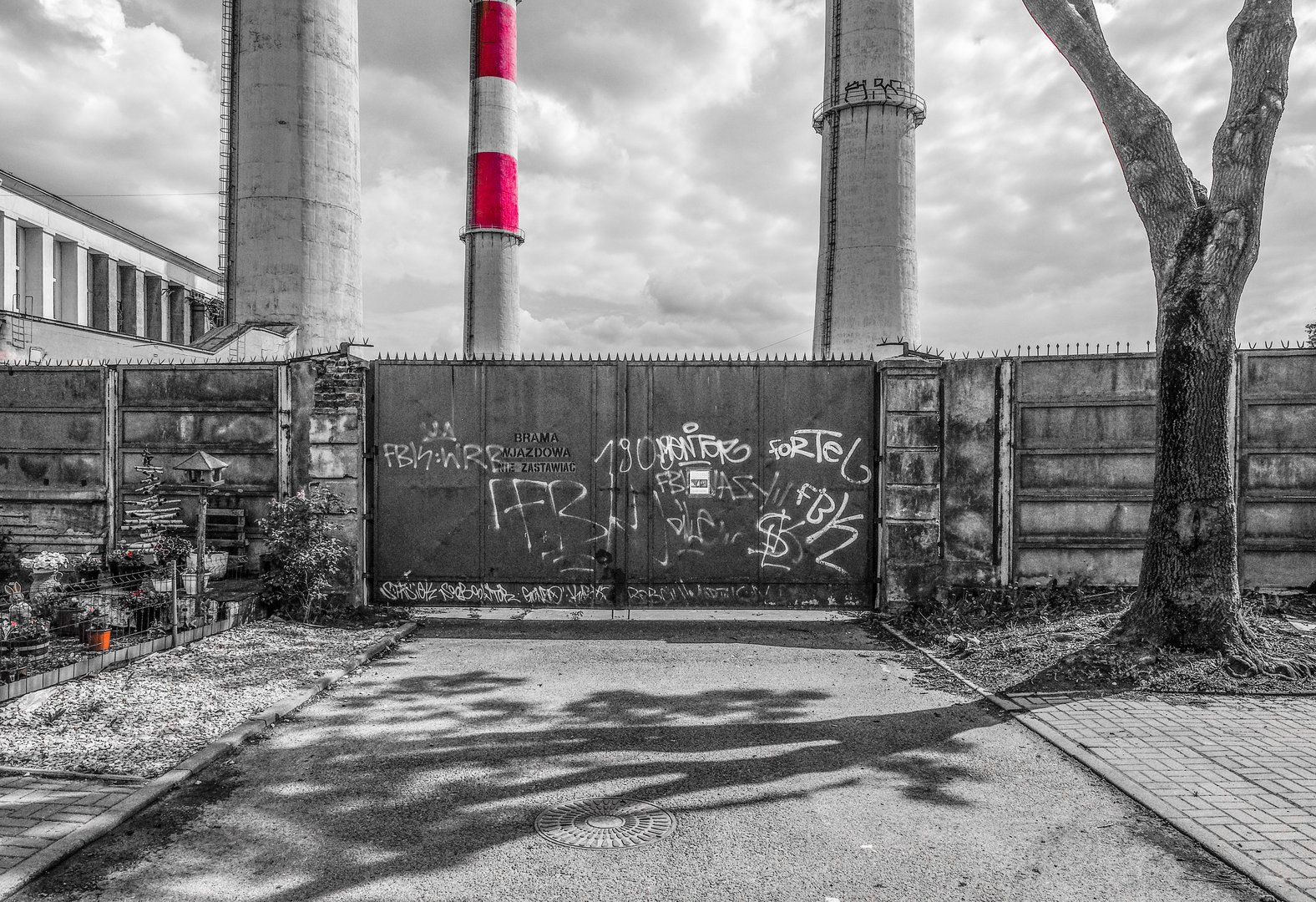
Dr Duda points out that many respondents did not have a distinctly negative opinion of Łódź before arriving. More often, their image was weak, incomplete and based on limited knowledge. Łódź was primarily associated with Piotrkowska Street, Manufaktura, its industrial heritage and, occasionally, general stereotypes about a neglected or unattractive city. Another surprising finding was the tendency to underestimate the city's size – some participants placed it much lower in the hierarchy of Polish cities than its actual scale would suggest.
After visiting the city, these perceptions often changed. Tourists discovered that Łódź was larger, more complex and more interesting than they had expected. Some expressed a desire to return because a single weekend had allowed them to see only a fraction of what the city had to offer. Their accounts highlighted contrasts: on the one hand, the extensive city centre, post-industrial architecture, murals, street art and a distinctive atmosphere; on the other, vacant plots, neglected tenement houses and places that felt unusual or even unsettling. Importantly, these contrasts were not always perceived negatively. For many respondents, they contributed to the authenticity and uniqueness of the city.
Visual sociology also played an important role in the research methodology. Participants were asked to submit three photographs from their stay that they felt best represented their experience of visiting Łódź. No guidance was given regarding whether the photographs should be positive, representative, family-oriented, tourist-focused or documentary in nature. As a result, the images became an additional source of research material, showing what tourists considered significant. Family travellers photographed different subjects from solo visitors. Often, the photographs featured not the most obvious examples of historic architecture, but rather murals, details, signs, installations and elements of the city's atmosphere.
Key Findings in a Nutshell
One of the most interesting conclusions of the doctoral dissertation is that a city's image is not created solely from facts. People build it from fragments: other people's stories, comparisons with places they already know, isolated associations, internet posts, films, experiences from other cities and even random pieces of information. During the podcast, Dr Duda recalls the example of a participant who associated Manufaktura not with the history of the textile industry but with a parcel collection point used for online shopping. Such seemingly trivial stimuli can trigger entire mental images of a place.
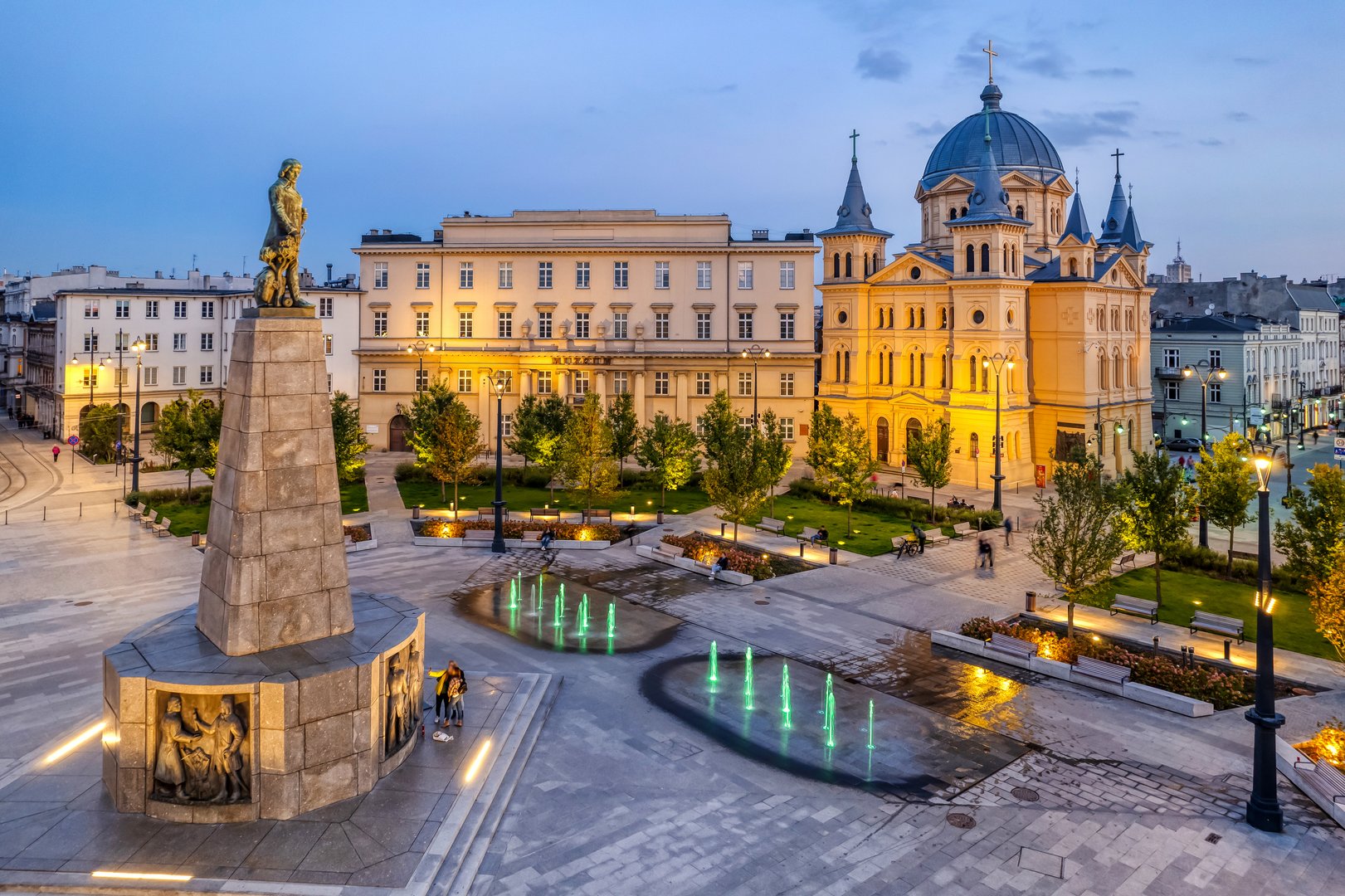
The conversation presents Łódź as a city that escapes simple labels. It is not easy to explore in a single day because its attractions are dispersed and its city centre stretches for several kilometres. Nor can it be reduced to a single narrative – industrial, cinematic, artistic or revitalisation-oriented. For tourists, it often comes as a surprise precisely because it does not resemble the classic “postcard cities” built around a market square and old town. Its strengths lie in its scale, complexity, unpredictability and distinctly urban character.
The podcast featuring Dr Michał Duda therefore brings together two seemingly distant worlds: designing LEGO models and researching the tourism image of a city. In both cases, however, the process is remarkably similar – creating a coherent whole from individual elements that acquire meaning only when arranged in the right way. In one case, those elements are bricks, colours and unusual construction techniques. In the other, they are memories, stereotypes, images, conversations, photographs and personal experiences from which our perception of a city emerges.
Edit: Michał Gruda (Centre for External Relations and Social Responsibility of the University, University of Lodz)