Polish Graves Found After 80 Years
Since the 19th century, Łambinowice has been the site of prisoner-of-war camps. During the Second World War, the Germans established here one of the largest camp complexes in Europe. Around 300,000 prisoners of war of various nationalities passed through Lamsdorf, including as many as 70,000 Poles, among them soldiers of the September Campaign and participants in the Warsaw Uprising. Some of the Poles held there never left the site. Their exact number remains unknown, especially as until 2026 the location of not a single grave of a Polish prisoner of war had been identified.
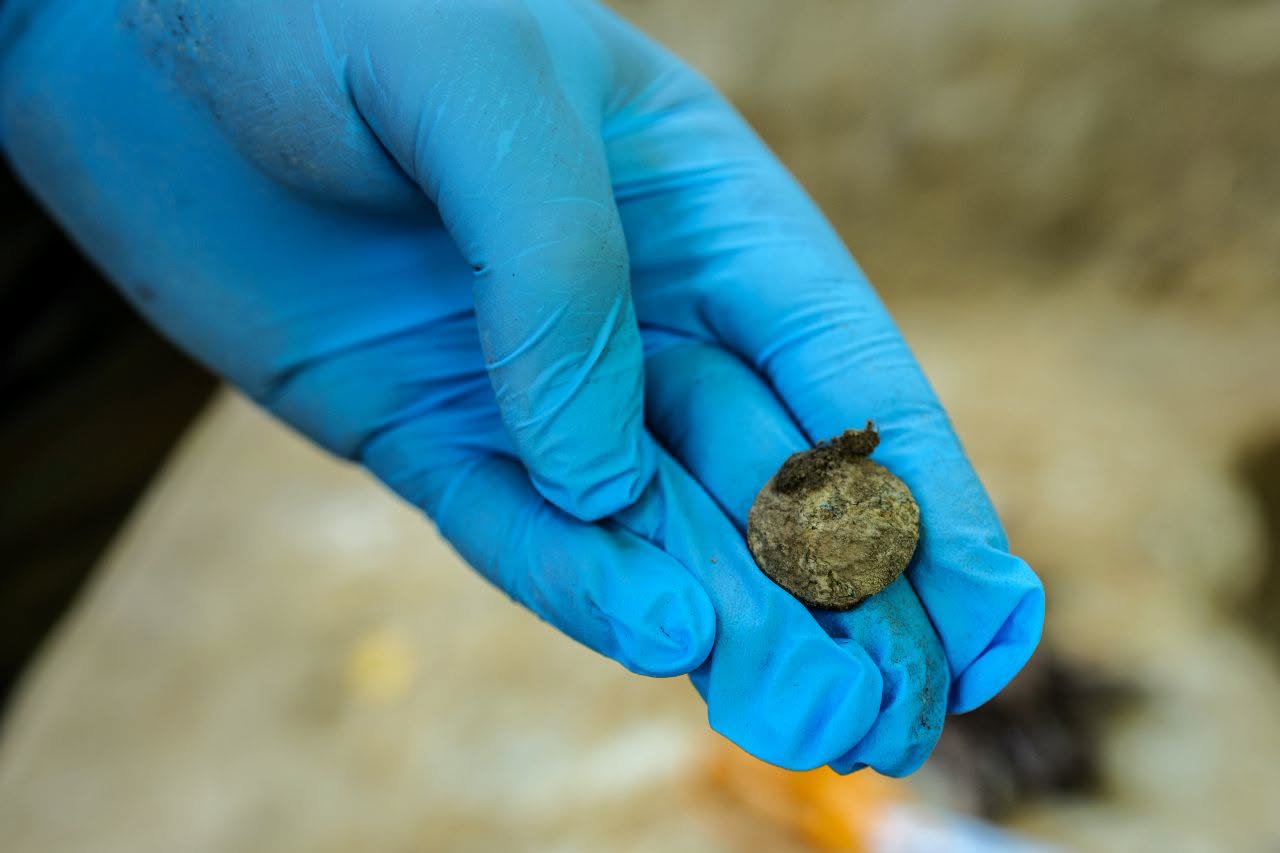
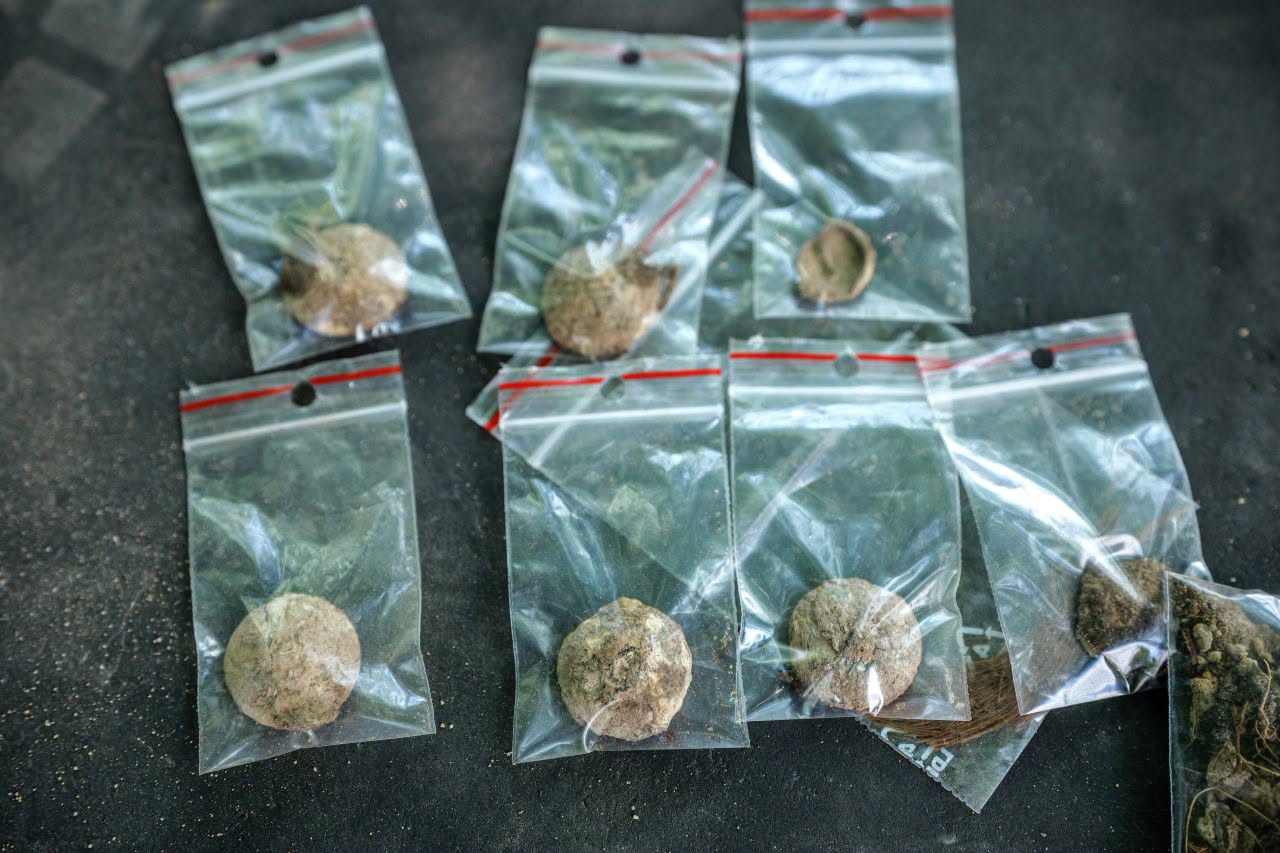
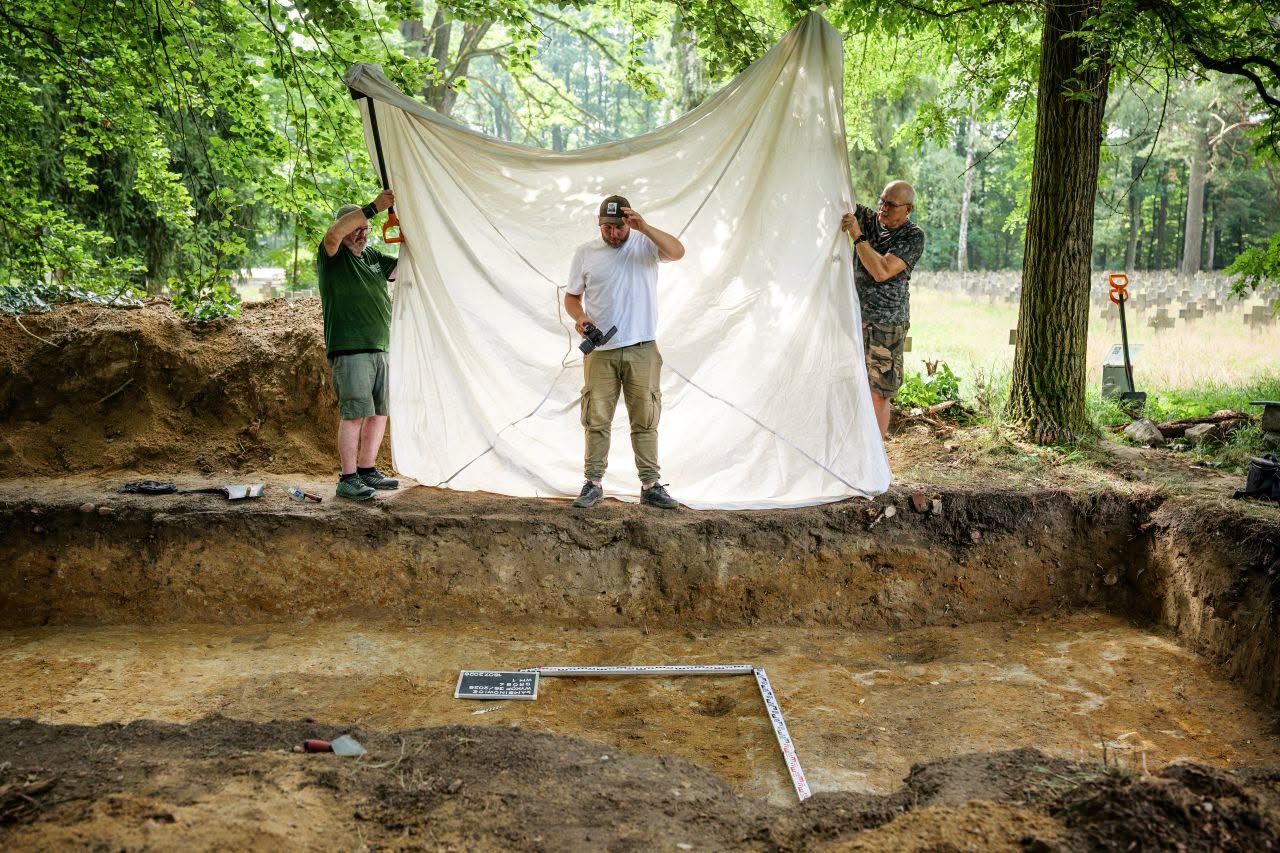
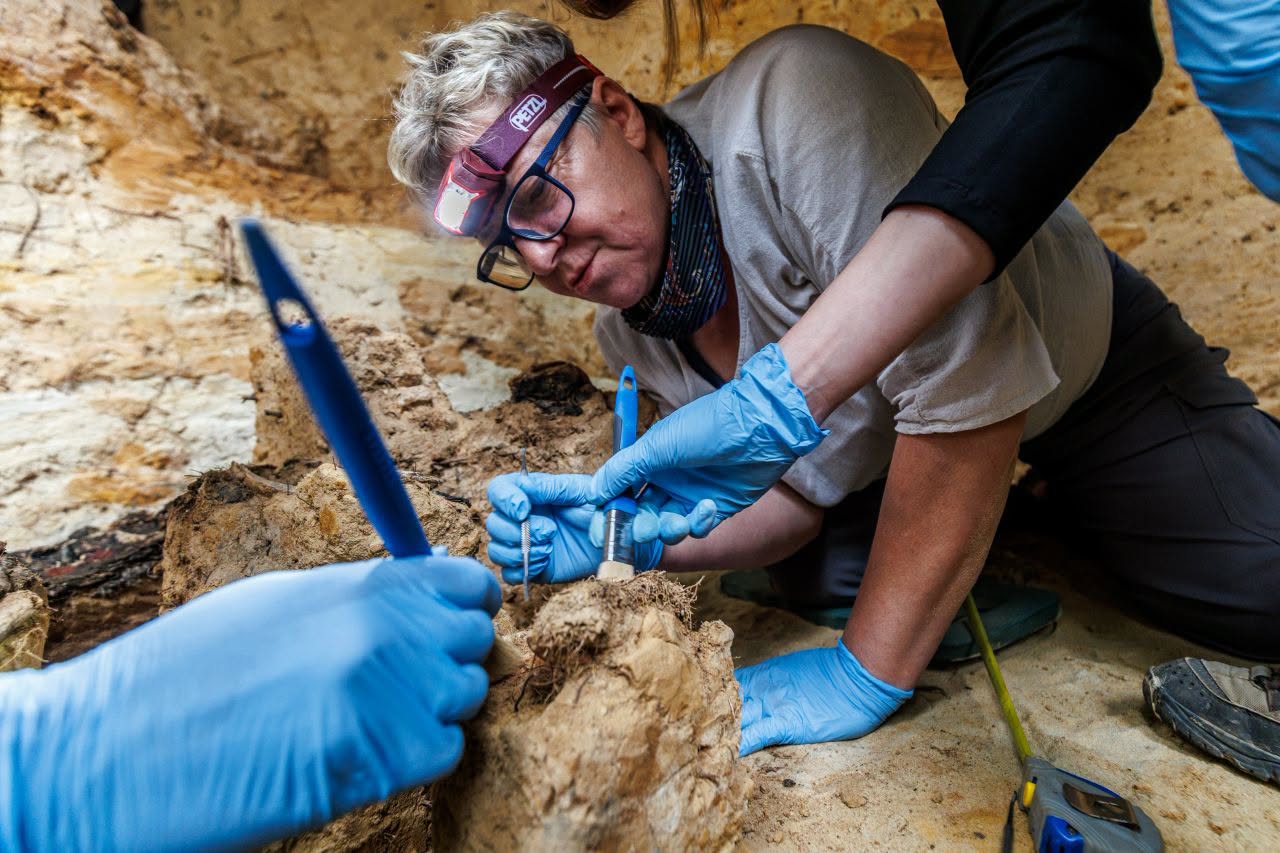
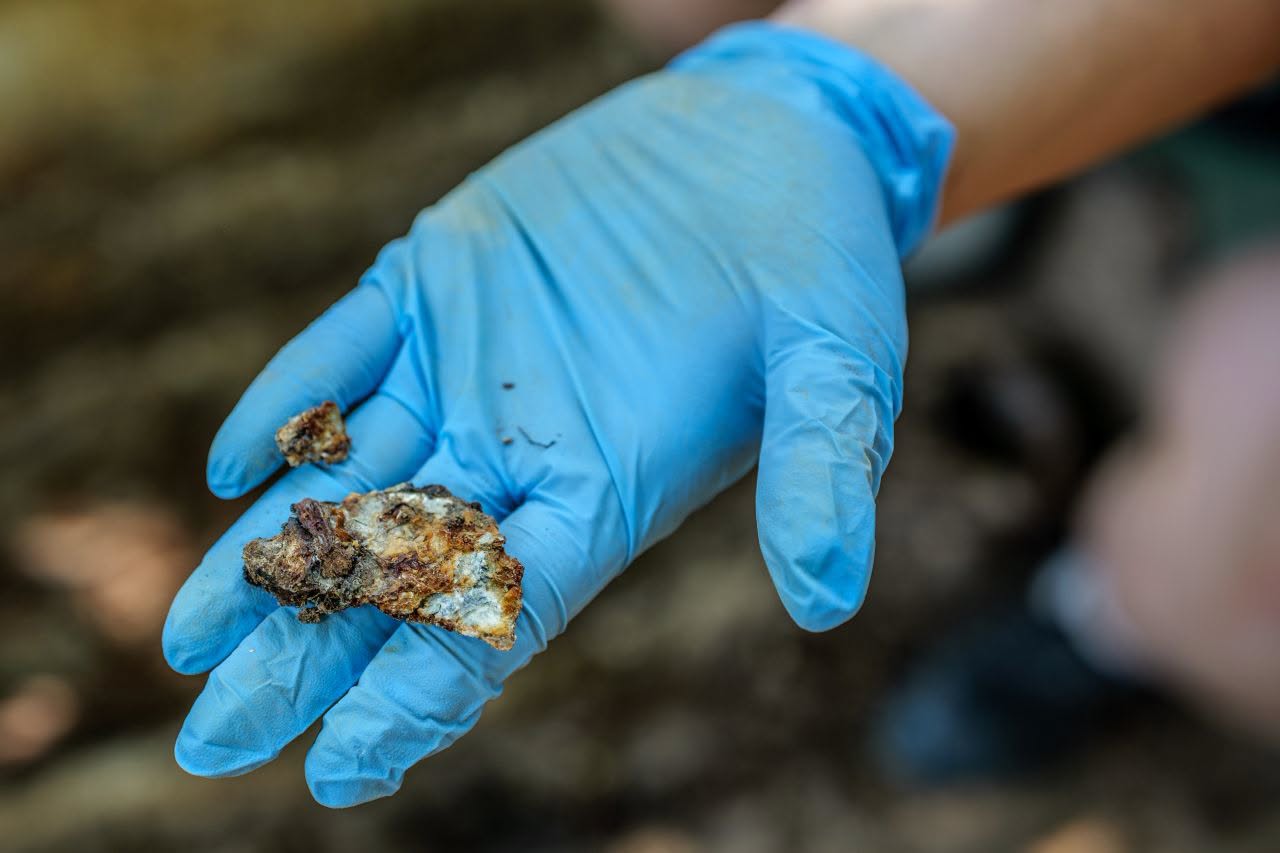
The breakthrough came at the Old Prisoner-of-War Cemetery. In one of the graves, archaeologists found half of an aluminium identity disc, followed by military uniform buttons, some of which still bore the Polish Eagle. The shape and dimensions of the object indicate that it is a Polish Model 1931 identity disc, used by participants in the 1939 Defensive War. Archaeologists uncovered three graves arranged in a row. The finds suggest that they may have located the long-sought-after “Polish section”.
Science Restores Memory
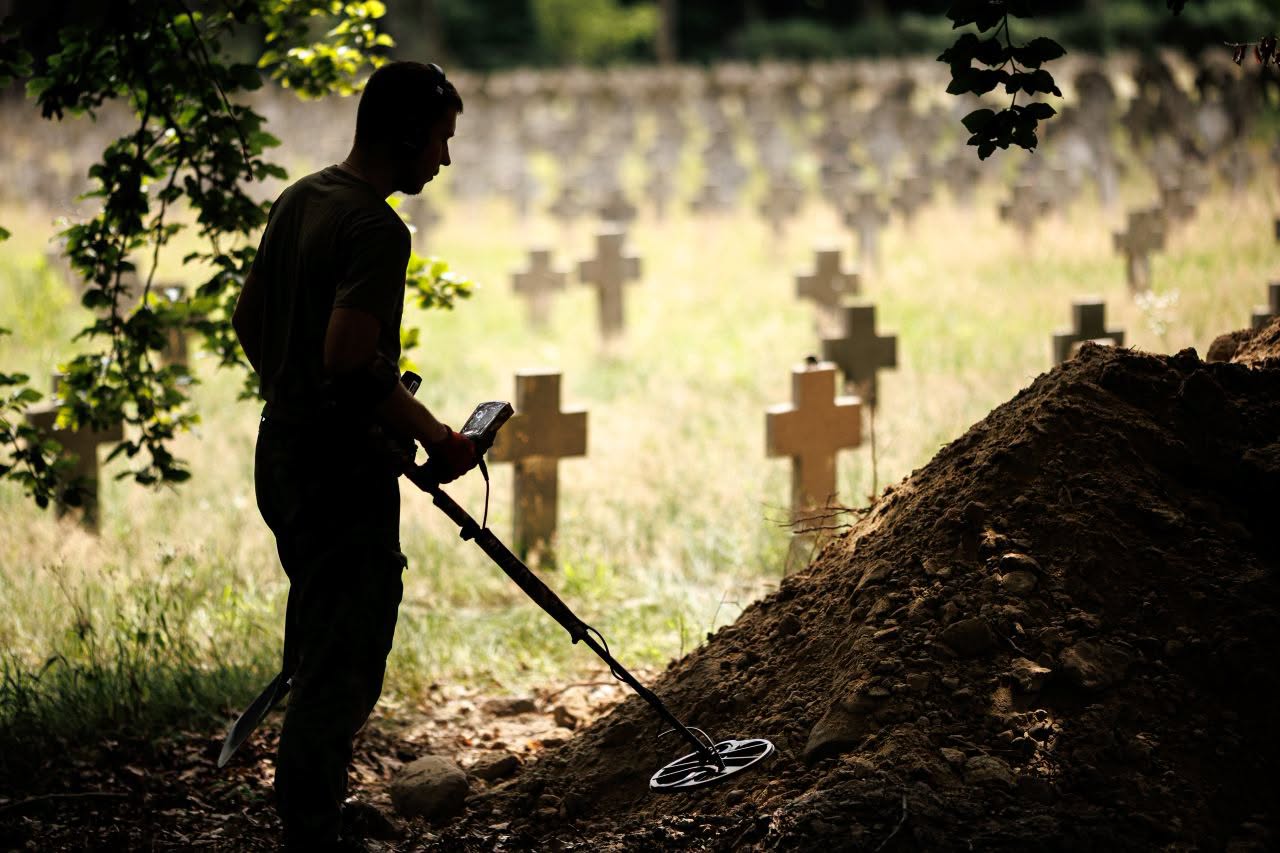
The discovery was preceded by years of archival research, comparison of documentary records with historical aerial photographs and field investigations. The work is being carried out by an interdisciplinary team led by Dr Dawid Kobiałka from the University of Lodz, in cooperation with the Central Museum of Prisoners-of-War. Based on the analysed documents and archaeological discoveries, it will likely be possible to match the remains with the names of specific individuals. Excavations will resume next year. At that stage, the remains will be exhumed and the victims’ families will be able to decide on their future resting place. Dr Dawid Kobiałka’s research restores the memory of people whose burial sites remained unknown for more than 80 years. More information about the discovery is available from the Central Museum of Prisoners-of-War.
Watch the Excavation Report
We visited Łambinowice with a camera during one of the earlier stages of the research in 2025. At that time, archaeologists discovered other graves and gathered information necessary for the continued search for Polish burials. The report shows what the team’s work in the field looks like and how archaeology, history, anthropology and source analysis help reconstruct the fates of prisoners of war. Watch the excavation report from Łambinowice.
The archaeological fieldwork continued until 24 July 2026. It was conducted as part of the following projects:
- "Las umarłych? Poszukiwania grobów jeńców wojennych w Miejscu Pamięci Narodowej w Łambinowicach” [Forest of the Dead? Searching for Prisoners-of-War Graves at the National Memorial Site in Łambinowice], financed by the Ministry of Culture and National Heritage;
- "W poszukiwaniu grobów Polaków w Miejscu Pamięci Narodowej w Łambinowicach” [In Search of the Graves of Poles at the National Memorial Site in Łambinowice], co-financed by the Opolskie Voivodeship Self-Government.
Edit: Michał Gruda (Centre for External Relations)
Photos: D. Frymark/Central Museum of Prisoners-of-War