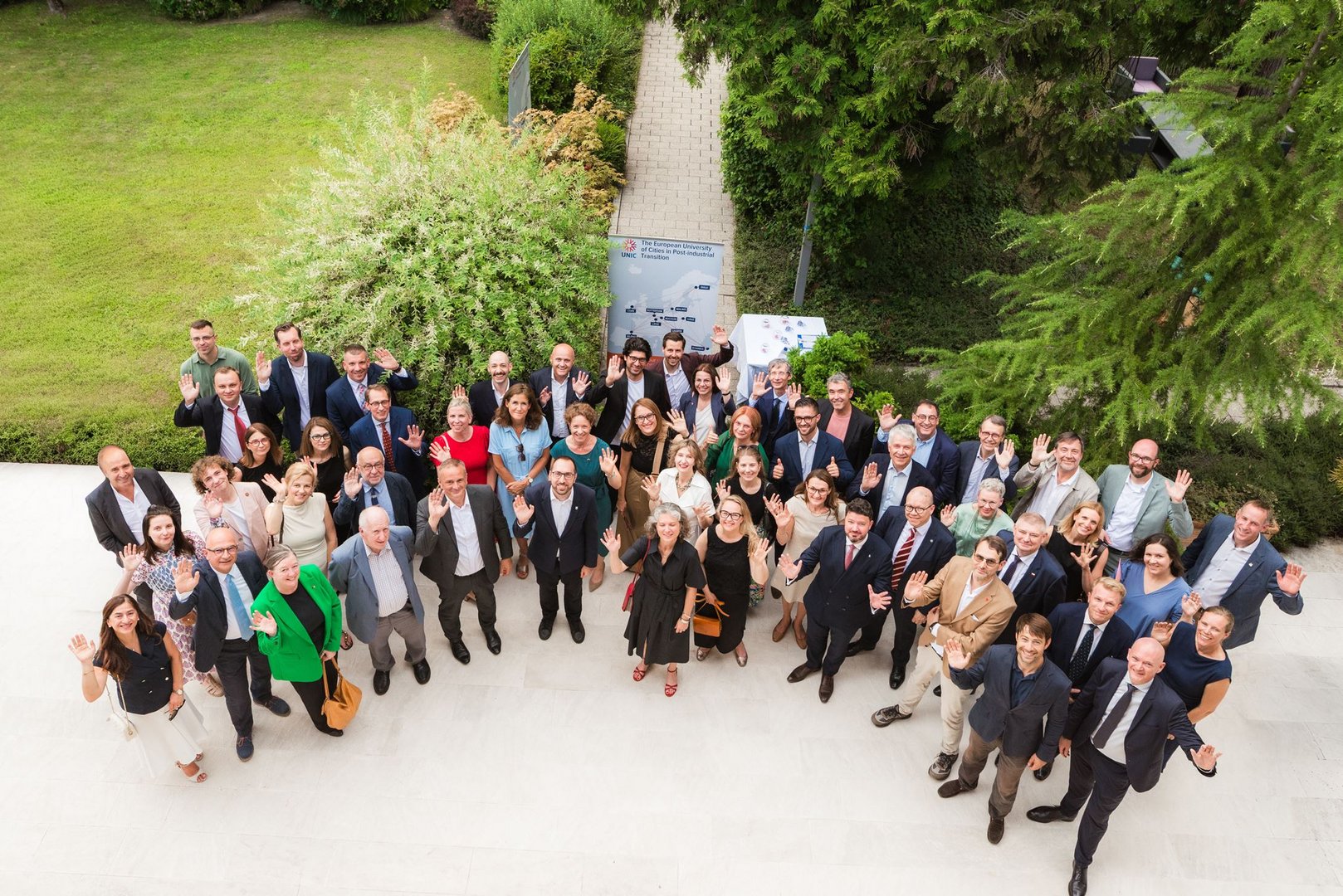
What Are European University Alliances For?
The series of meetings focused on discussions about the future of European university alliances (such as UNIC), namely transnational partnerships between higher education institutions across Europe, supported by the European Commission with the aim of creating an integrated academic area.
Some of the key objectives of these alliances include:
- Joint education – offering innovative curricula that enable students to participate in courses jointly delivered by different universities, as well as obtain joint or double degrees.
- Seamless mobility – facilitating study and internship opportunities through integrated administrative systems among partner universities.
- Advancing research by strengthening academic cooperation, promoting staff exchanges and sharing research infrastructure.
- Regional and external engagement – involving academic communities in addressing local and global challenges. UNIC, in particular, focuses on cooperation between universities and cities, building urban resilience (the ability to adapt and develop rapidly in the face of crises) and promoting sustainable development.
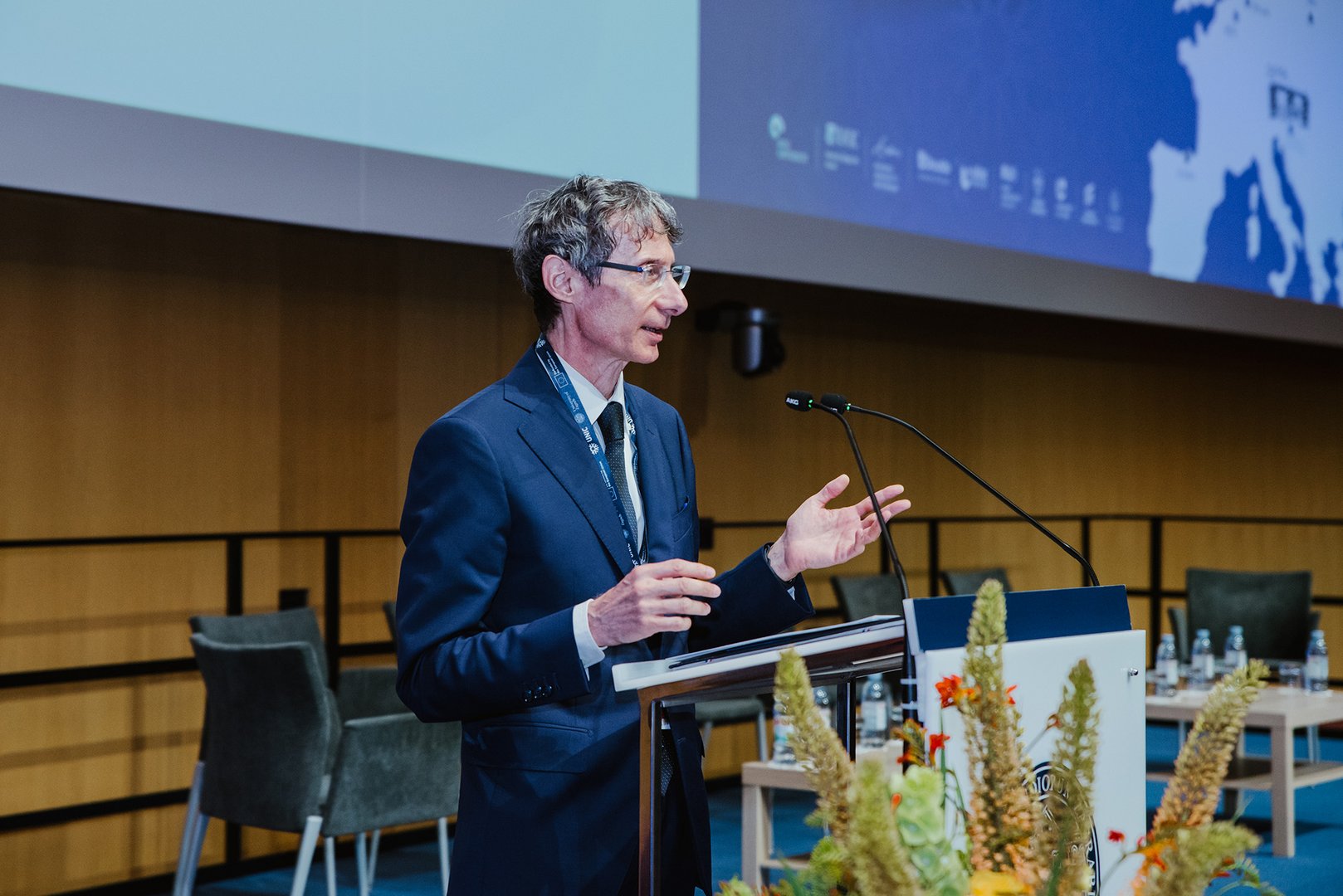
The activities of the alliances are part of a broader vision for Europe’s development. Alongside the free movement of goods, services, people and capital, the concept of a “fifth freedom” is emerging – the free movement of knowledge, research, innovation, skills and education. Scientists, policymakers, entrepreneurs and civil society organisations often speak different languages and have different ways of thinking. That is why we need shared teams and collaborative spaces where a common understanding of problems can be built and solutions can be sought
– emphasised Walter Zampieri in his opening address at the Forum.
Science Serving Urban Development
The visit to Zagreb provided an opportunity for the University of Lodz authorities to exchange experiences concerning joint activities undertaken by universities and cities in different countries.
We discussed, among other things, integration centres in the context of migration challenges and resilience to political and demographic changes, as well as solutions that make cities greener and more resident-friendly. The delegation from Lodz also included Deputy Mayor Adam Pustelnik – we are pleased that the city’s voice was clearly represented in these discussions
– notes Anna Rolczak.
The potential use of research outcomes and the expert knowledge of researchers in projects that support urban development was an important topic. Thanks to the fact that the meetings took place in various formats and configurations, we had many opportunities to compare our expectations, proposals and perspectives. We learn from one another, and such creative exchange fosters the development of innovative solutions. Meetings bringing together university authorities, city leaders, ambassadors and UNIC project managers can generate entirely new ideas
– says Prof. Rafał Matera, Rector of the University of Lodz.
The Forum also featured discussions on topics such as gentrification, urban transport, climate neutrality, digital public services, citizens’ health and well-being, urban regeneration and housing.
Cooperation between universities and cities translates into tangible projects and solutions developed with the involvement of academic staff, students, city residents, as well as social and local government organisations. We work together to better understand the city and its needs, and to implement necessary, well-considered changes. Multilateral cooperation is never simple, but it is certainly worth the effort
– assesses Anna Rolczak, the Chancellor of the University of Lodz.
UNIC – Not Another Project but a Long-Term Alliance
During the Forum, participants discussed, among other issues, the stable and long-term financing of alliances in the years ahead. They also learned about EACEA’s expectations towards universities and alliances in the context of future calls for proposals and funding opportunities. As a result, the partners now have a clearer understanding of what is needed to enable UNIC 2.0 (European University of Cities in Post-Industrial Transition) to secure adequate funding and operate even more effectively.
Discussions on demonstrating the real impact of alliances – not only in terms of projects, but also at institutional, educational, urban and societal levels, were equally important. Alliances are reshaping contemporary higher education in many dimensions.
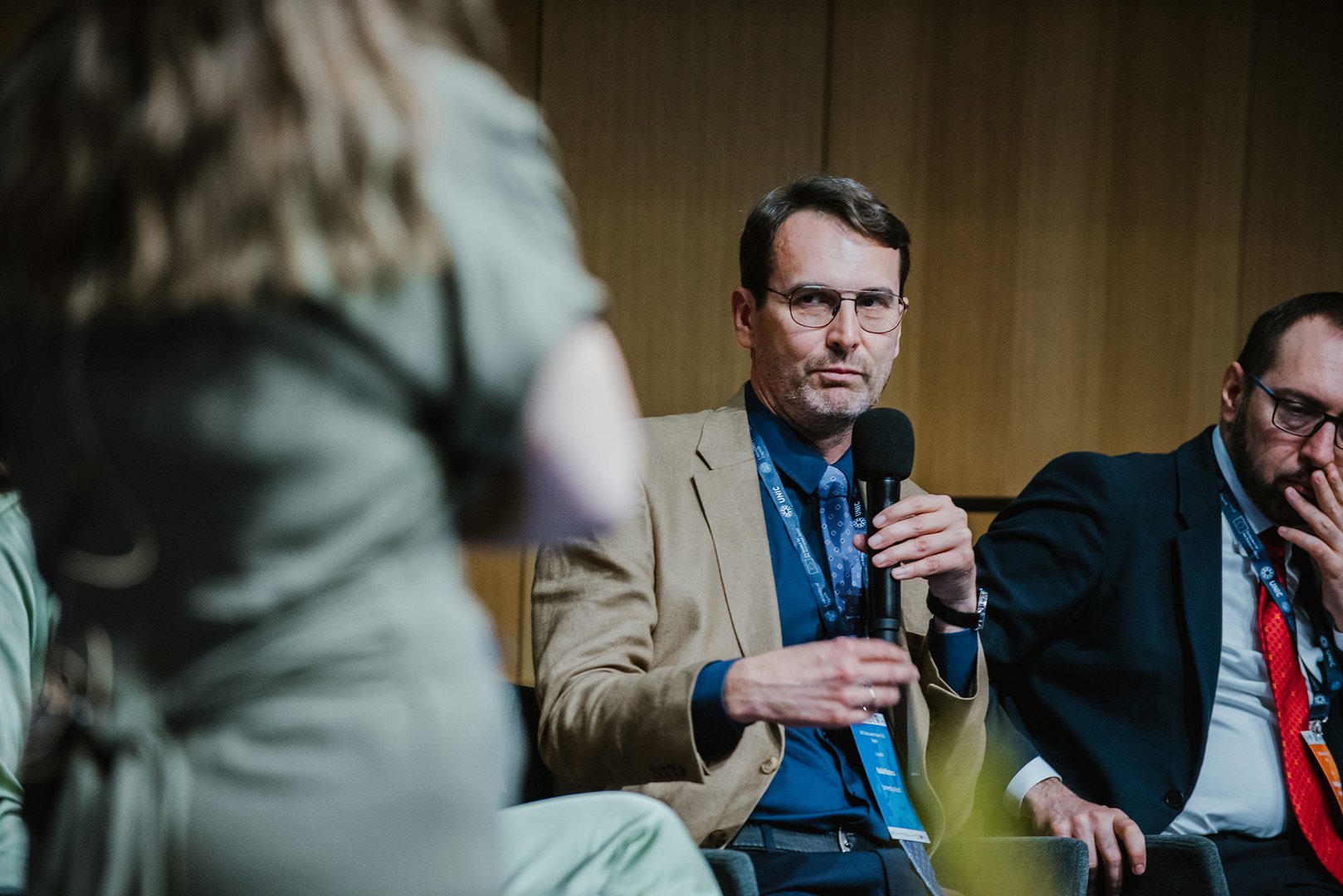
A closed discussion session with Walter Zampieri brought together rectors and presidents of the UNIC member universities, representatives of the European-level UNIC structures and hosts from the University of Zagreb.
During our meeting with Walter Zampieri from EACEA, we focused primarily on the future of European university alliances, including the stability of their funding beyond the current financial framework. It is important for our university that UNIC should not remain merely a grant-funded project, but become a lasting mechanism for cooperation between universities, cities and students
– stresses Anna Rolczak.
We want to be as well prepared as possible for the next stages of cooperation. This is why meetings that enable us to discuss the future directions of European higher education directly and in a smaller group are so valuable
– concludes Prof. Rafał Matera, Rector of the University of Lodz.