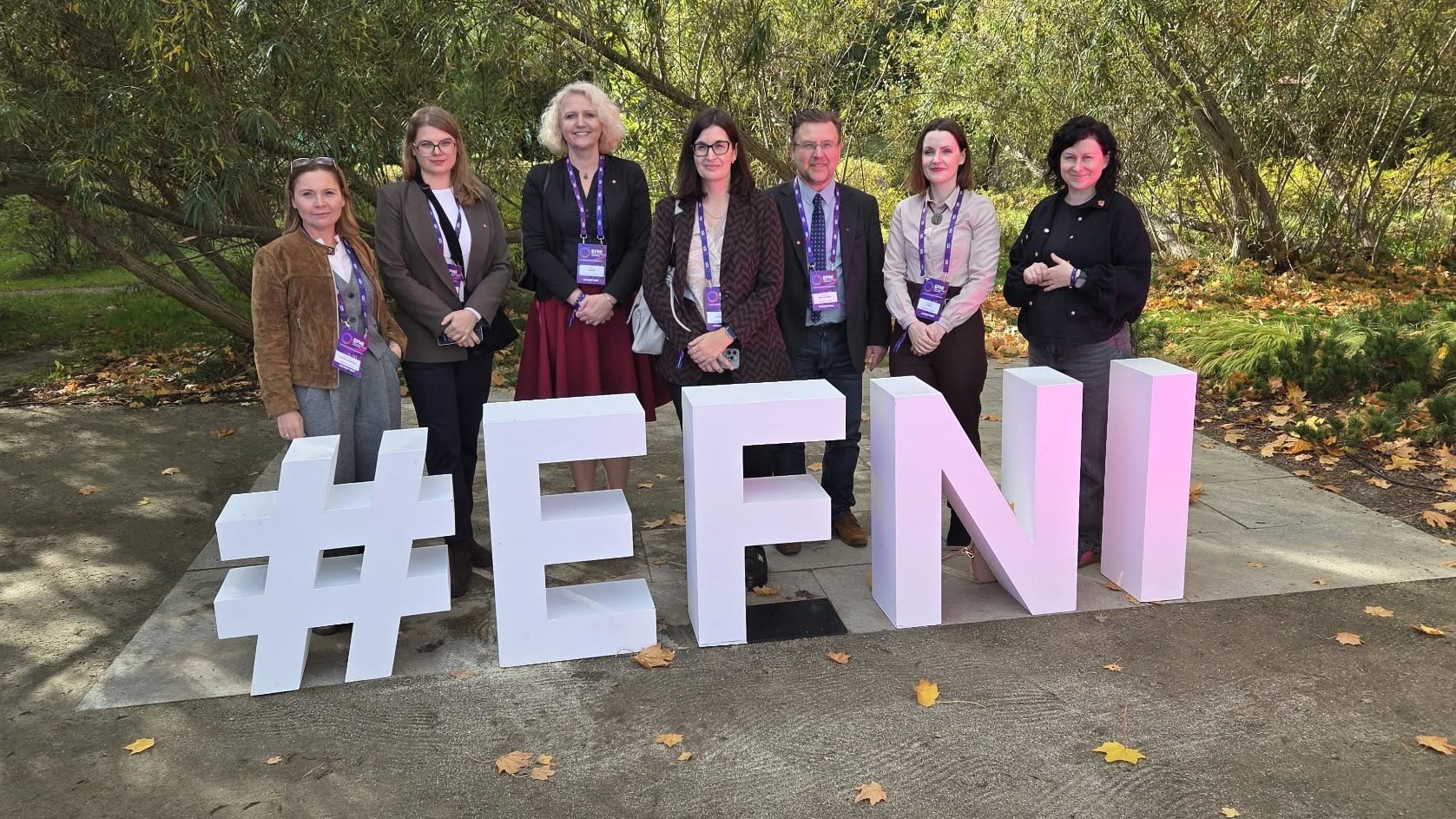
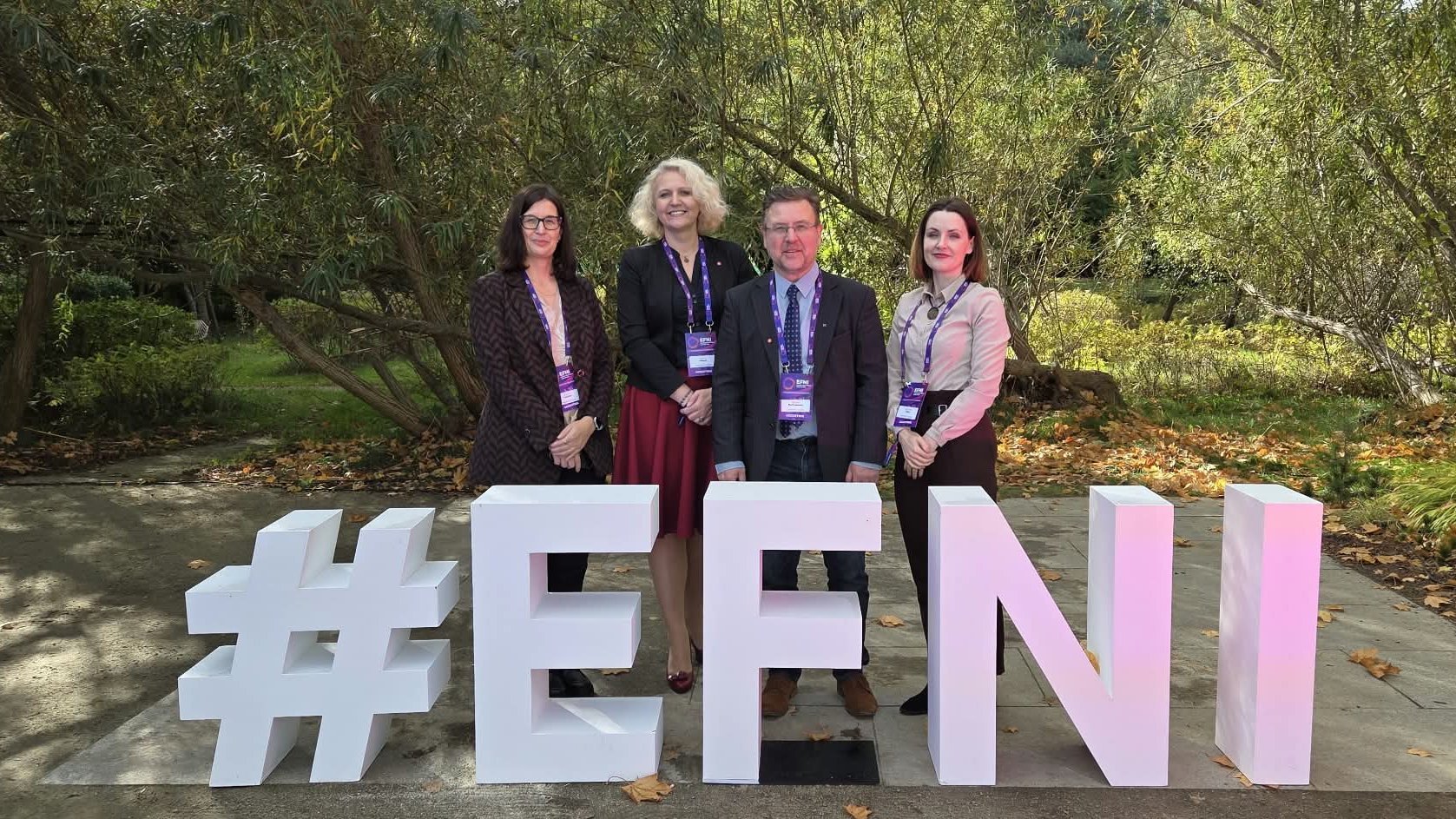
The European Forum for New Ideas took place in Sopot from 14 to 16 October 2026. For the past 15 years, the event has brought together entrepreneurs and business leaders, politicians, researchers and leaders in their respective fields to discuss Europe’s current challenges and the new ideas that will shape the future. Under the theme “What Comes Tomorrow?”, conference participants reflected on how to strengthen Poland’s position in the world and how to respond to contemporary challenges, including the security of Polish citizens, societal resilience (digital, demographic and health-related), economic development, and relations with the world's key allies.
This year, the University of Lodz was represented by:
- dr hab. Katarzyna Zajda, Associate Professor at the University of Lodz, from the University of Lodz Centre of Social Innovations;
- dr hab. Joanna Kulesza, Associate Professor at the University of Lodz, from the University of Lodz Centre “Lodz Cyber Hub”;
- dr hab. Ryszard Machnikowski, Associate Professor at the University of Lodz, Head of the Centre for Strategic Analyses and Forecasts at the Faculty of International and Political Studies, University of Lodz.
The University of Lodz Vice-Rector for Science, dr hab. Dorota Golańska, Associate Professor at the University of Lodz, took part in a panel devoted to the future of universities. As she emphasised, the role of universities is not to catch up with trends, but to strengthen themselves and shape the direction of scientific development in Poland. The discussion was moderated by Prof. Piotr Wachowiak, Rector of the SGH Warsaw School of Economics.
Among the participants there were also VIP Alumni of the University of Lodz, who have for years taken part in the most important discussions devoted to key issues concerning the development of our country.
The presence of the University of Lodz at events of this kind gives our researchers a genuine opportunity to participate in debates about the future of the country and its most important areas. Above all, however, it creates an opportunity to translate scientific research into the everyday lives of society.
Source: Jolanta Lechowska-Białecka, Centre for External Relations and Social Responsibility, University of Lodz