From Osmosis to a Sour Taste
Osmosis is the first important process taking place inside the jar. Once the cucumbers are covered with brine, the concentration of salt outside the vegetable is higher than inside it.
Through its surface, the cucumber releases water, and along with it sugars that occur naturally in the vegetable
– explains mgr Emilia Paszkowska.
Lactic acid bacteria are naturally present on the cucumber’s skin. The released sugars become a source of nourishment for these microorganisms. The bacteria convert the sugars into lactic acid, while some of them also produce carbon dioxide during the initial stages of fermentation.
It is lactic acid that is responsible both for the sour flavour and for protecting the cucumber from spoilage
– says the researcher.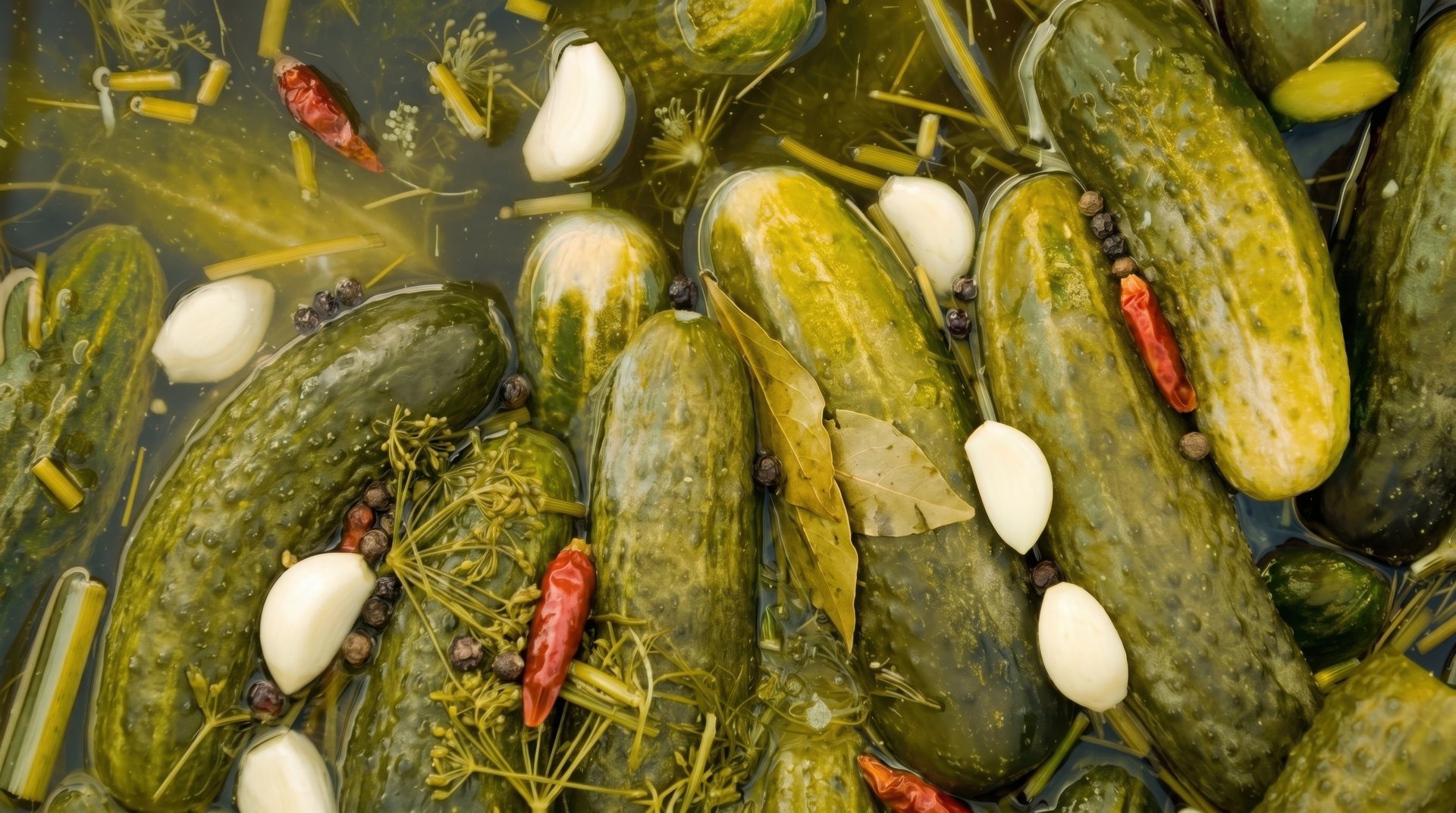
Why Does the Jar Hiss?
The characteristic hissing sound heard when opening a jar is no cause for concern.
Different types of lactic acid bacteria become active at different stages. At the beginning, the dominant strains are those that produce carbon dioxide as a by-product
– explains Emilia Paszkowska.
The gas helps remove oxygen from the jar, protecting the fermenting vegetables from unwanted microorganisms while also slightly lowering the pH, making the environment more acidic. This creates ideal conditions for the next groups of bacteria, which are primarily responsible for producing lactic acid.
Leaves for Crunch, Horseradish for Flavour
Horseradish, garlic, dill, mustard seeds and pepper are often added to pickled cucumbers. Most of these ingredients enhance the flavour of the preserve. Oak, cherry and grapevine leaves serve a slightly different purpose.
Such leaves contain compounds known as tannins, which prevent pectins, a type of natural plant glue, from breaking down too quickly
– says the doctoral candidate.
As a result, cucumbers soften more slowly and can remain crunchy even after many months of storage.
Warmth at First, Cool Temperatures Later
During the first week, the jars can be kept at room temperature. This allows the bacteria to begin working intensively. Afterwards, it is best to move the jars to a cooler pantry to slow down the fermentation process.
However, they should not be transferred to a very cold place immediately.
The bacteria need to work. If the temperature is too low, the reactions taking place will slow down so much that the cucumbers may not ferment properly
– notes Paszkowska.
Can You Ferment Only Cucumbers?
Fermentation is not limited to cucumbers. Other vegetables and even fruit can undergo the same process.
You can ferment practically anything
– says the researcher.
Fruit, however, contains more sugar, which means lactic acid fermentation can proceed very rapidly. As a result, achieving a successful fermented product is often more difficult than with vegetables.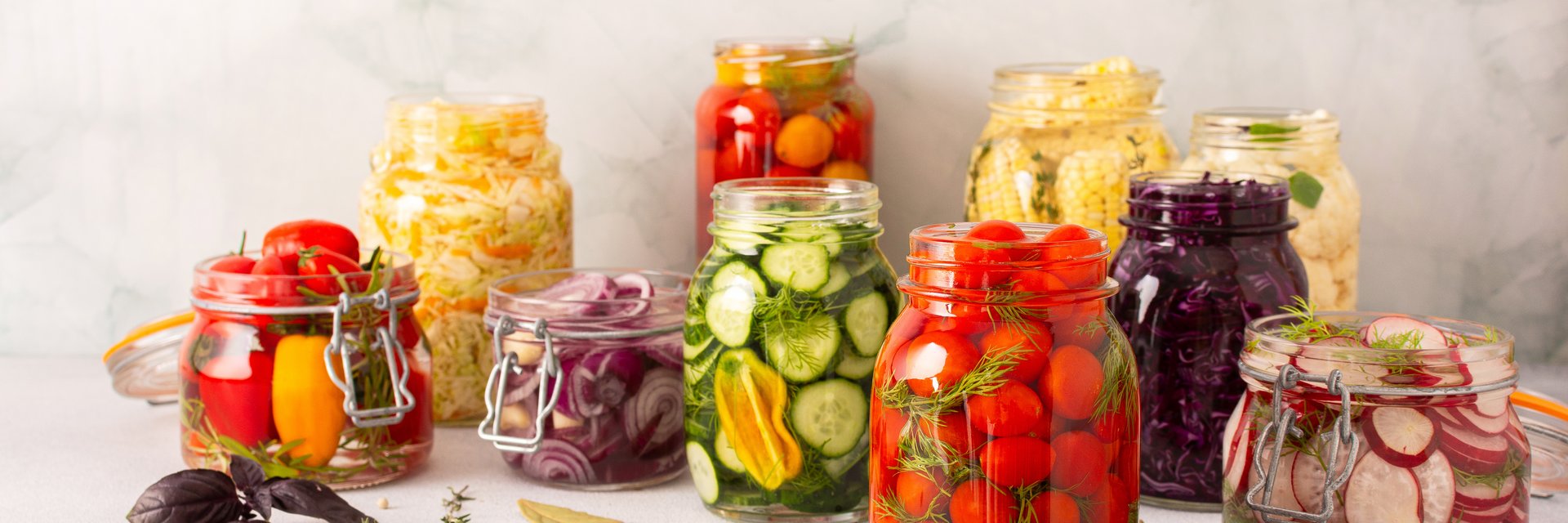
Fermented Foods Are Healthy, but Moderation Matters
Fermented foods are a natural source of probiotics, beneficial bacteria that support gut health. The fibre they contain also acts as a prebiotic, providing nourishment for these microorganisms. This does not mean, however, that fermented foods should be consumed without moderation. Their preparation requires a considerable amount of salt and many people already consume more salt than recommended.
Fermented foods are a superfood, but it is important not to overdo them, just as with anything else
– concludes mgr Emilia Paszkowska.
Before starting the fermentation process, we should wash the cucumbers thoroughly and sterilise the jars. Washing will not remove all the beneficial lactic acid bacteria, but it will help eliminate sand and most undesirable microorganisms. After that, all that remains is to prepare the brine, seal the jar and let nature do the rest. The next stage? That satisfying crunch.
Source: mgr Emilia Paszkowska
Edit: Kacper Szczepaniak (Centre for Brand communications, University of Lodz)