Small but Crucial: The Role of Ponds in Ecosystems
There are approximately 300 million ponds – small, shallow bodies of water – in the world. In Europe, they can be found in various shapes and sizes, often created by humans for purposes such as food production, irrigation or recreation. The benefits we derive from ponds are called ecosystem services.
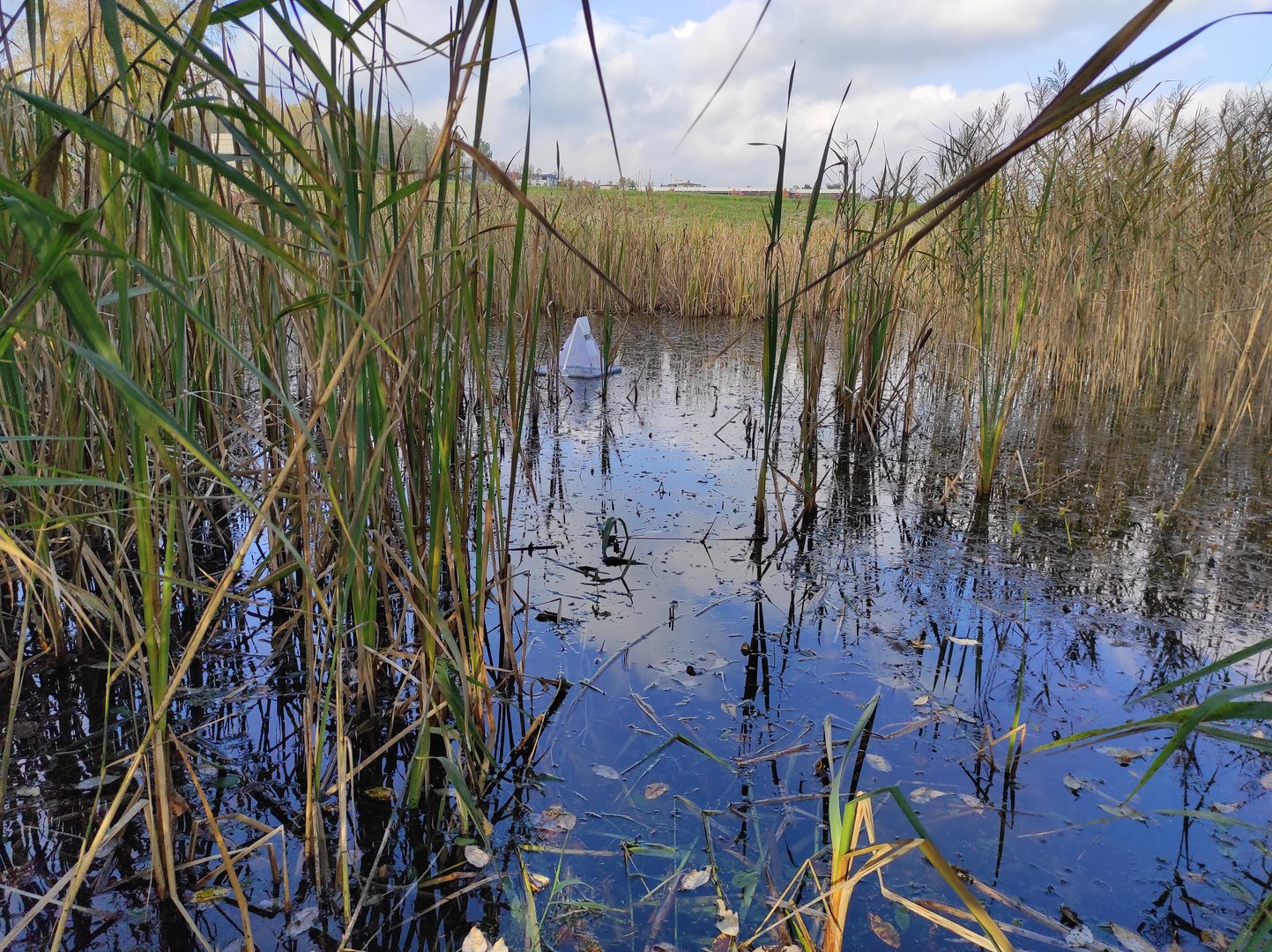
However, ponds are much more than just useful reservoirs for humans. Both natural and artificial ponds are key habitats for countless species. They are particularly important for aquatic insects, which undergo their development in them, feeding, among other things, on algae. These algae are an extraordinary source of nutrients essential for life, including valuable omega-3 polyunsaturated fatty acids. Insects accumulate them in their bodies, and their fat profile is completely different from that of terrestrial insects.
The bridge between water and land
When aquatic insects develop into adult, flying individuals, they leave the ponds. With them, valuable nutrients are released into the air, which the insects take with them. These nutrients are then transferred to terrestrial ecosystems. Predators such as birds, bats, spiders and lizards prey on these insects, absorbing the fatty acids they need for survival, growth and reproduction.
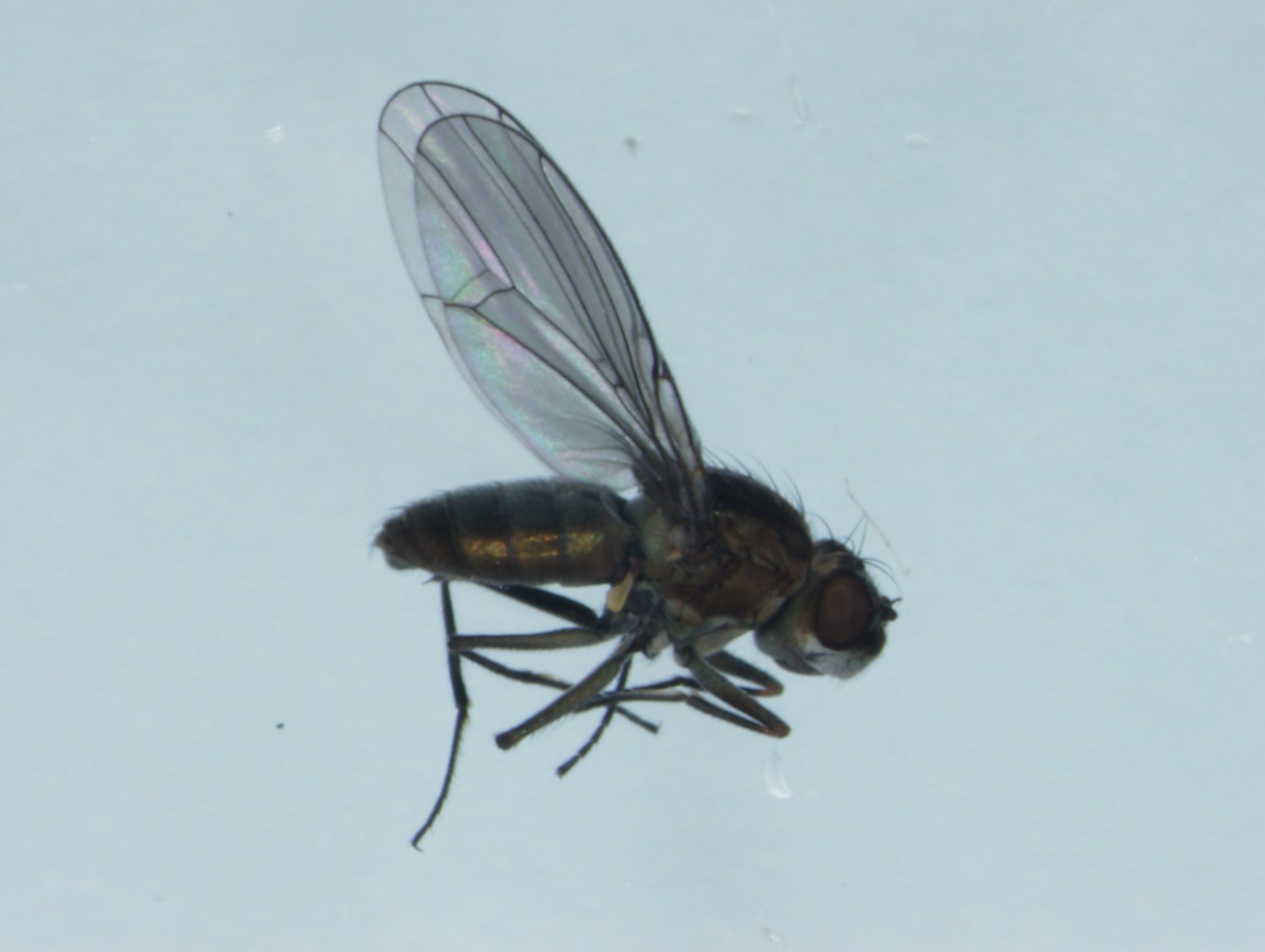
Photo description: Muscidae
This is how ponds become a key link in supporting the biodiversity and health of terrestrial ecosystems. Numerous studies have demonstrated the beneficial effects of such nutrient supply, for example, on the health of bird chicks.
This chain of dependencies highlights the value of protecting and creating new ponds, even small ones, in gardens and parks. They have a huge impact on biodiversity, which is unfortunately declining due to global change. The value of ponds remains underestimated in the context of their role in the overall environment.
EUROPONDS Project: Study of Connections
As part of the international research EUROPONDS project (funded by associations specialising in limnology, the study of inland aquatic ecosystems), over 70 young scientists studied the abundance and biodiversity of insects emerging from ponds in 19 European countries. The aim was also to determine how much valuable omega-3 fatty acids these insects provide to terrestrial predators.
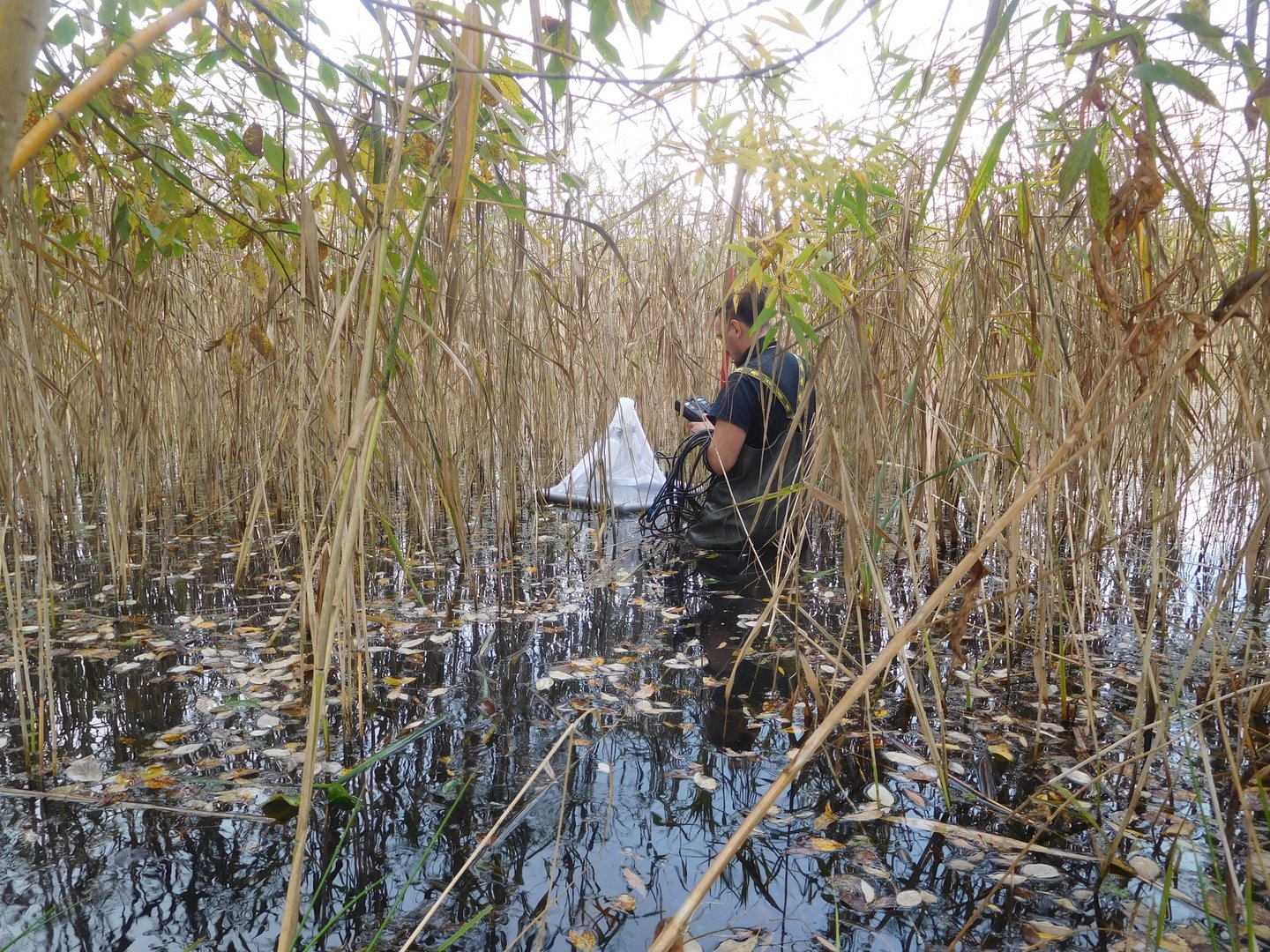
Our research revealed significant variation in the amount of biomass and PUFA exported from ponds. This export decreased with increasing latitude. Season also played a role – the lowest values were recorded in winter, especially in regions where ponds freeze. Other correlations were also confirmed:
- Water temperature was a key factor influencing insect export. The highest values were recorded around 22°C. This demonstrates how sensitive these ecosystems are to climate change.
- The taxonomic diversity of insects in a given pond was important for the diversified PUFA export.
- The trophic status of a pond, dependent on the development of the surrounding areas, also influenced export, highlighting the importance of proper management.
Maximum export values were recorded in Poland, in one of the studied ponds during the summer, where up to 66 grams of omega-3 fatty acids were released daily!
The future of young limnologists
Not only has the EUROPONDS project provided important data but it has also built a network of young scientists from across Europe. Thanks to two years of cooperation, a strong group has emerged, ready to take on the future challenges of protecting freshwater biodiversity.
The project assumptions and its results have been awarded by several limnological federations, which confirms the importance of the research and the significance of the thesis put forward about the role of ponds in the protection of ecosystems.
Participating in the Europonds project was one of several important steps in my scientific career. It allowed me to become familiar with new research techniques, conduct research on a scale previously unattainable for me, and establish international scientific contacts with extremely motivated researchers at a similar stage of their scientific careers
– notes Dr Dariusz Halabowski.
International prestige of the project
The project has been awarded by the European Federation for Freshwater (EFFS) in cooperation with z EFYR (European Fresh and Young Researchers) and FBFW (Fresh Blood for Fresh Water). The funding was provided by: Association Française de Limnologie (AFL), Vereinigung Österreichischer LimnologInnen (SIL Austria), Associazione Italiana di Oceanologia e Limnologia (AIOL), Asociación Ibérica de Limnología/Associação Ibérica de Limnologia (AIL), Deutsche Gesellschaft für Limnologie e.V. (DGL), Freshwater Biological Association (FBA), Hrvatsko Udruženje Slatkovodnih Ekologa (HUSEK), Magyar Hidrológiai Társaság (MHT), Polskie Towarzystwo Hydrobiologiczne (PTH), Schweizerische Gesellschaft für Hydrologie und Limnologie / Société Suisse d'Hydrologie et de Limnologie / Società Svizzera di Idrologia e Limnologia (SSHL).
Biographical note of the scientist
Dr Dariusz Halabowski is a researcher at the Department of Ecology and Vertebrate Zoology, whose research interests focus on freshwater ecology, with particular emphasis on the evolutionary dynamics of aquatic species, interactions with invasive species as well as biodiversity conservation. His research focuses on the co-evolutionary processes between the bitterling and freshwater mussels, their biology and ecology, and the impact of transformations and anthropogenic pressures on aquatic ecosystems and the organisms that live within them.
Photos: Dr Dariusz Halabowski
Edit: Mateusz Kowalski (Promotion Centre, Faculty of Biology and Environmental Protection, University of Lodz)