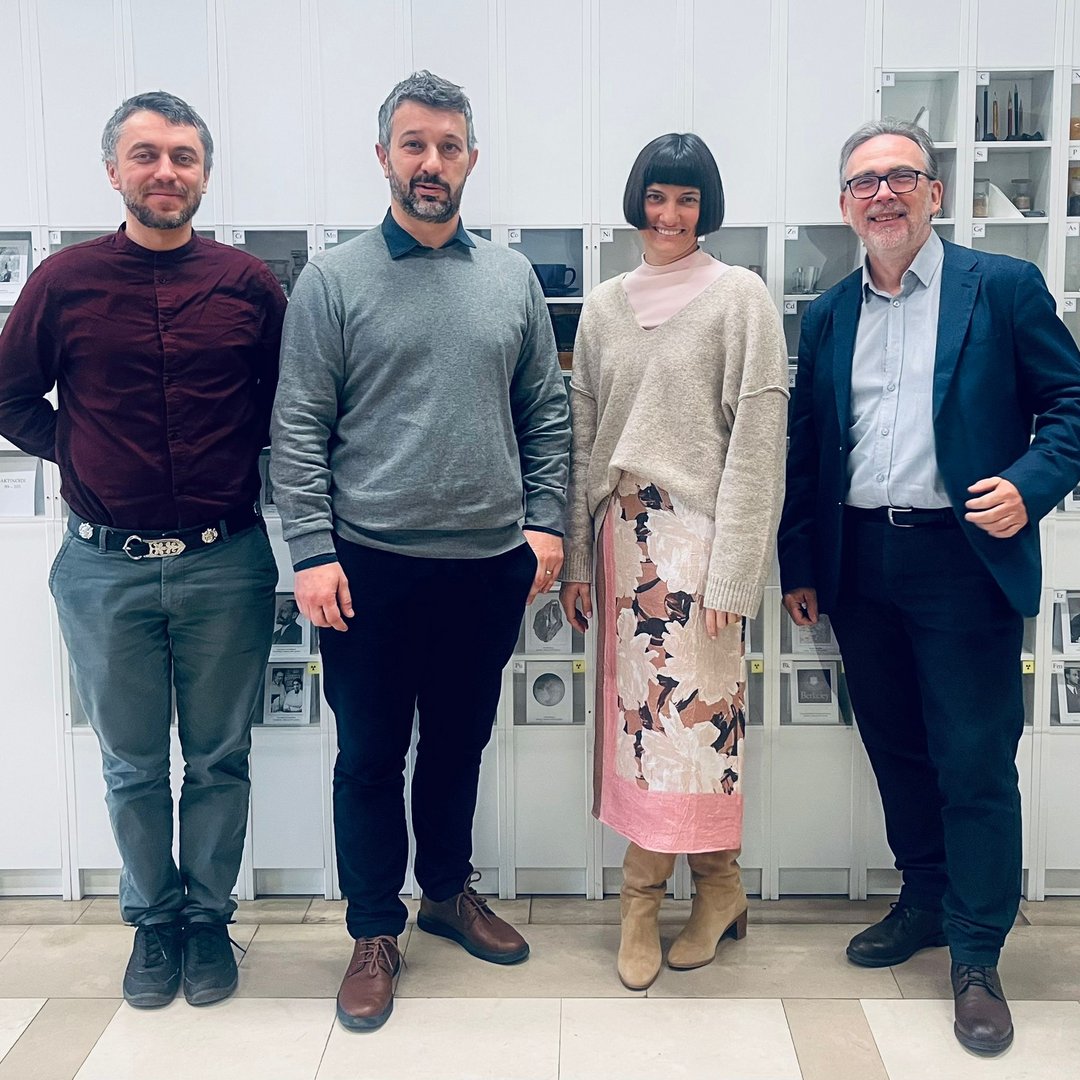
How can you take part in the UNIC VIP Fund? Visit the project website (go to the website).
An Interdisciplinary Course on Food and Science
The teaching team from both universities delivered a course that enabled students to gain a deeper understanding of the products we consume every day and learn how they can be made more appealing in terms of both taste and appearance. The classes combine knowledge from chemistry, gastronomy and modern computer technologies, while drawing on research achievements and innovative methods applied in a different environment and context than usual.
Introduction to Molecular Gastronomy
Dr hab. Jana Pisk and dr hab. Ivica Đilović (Faculty of Science, University of Zagreb) presented a historical overview of molecular gastronomy and its links to the superfoods movement – a nutritional and marketing trend that promotes products considered exceptionally “healthy”, “functional”, or “nutrient-rich”, often portrayed as possessing almost magical properties.
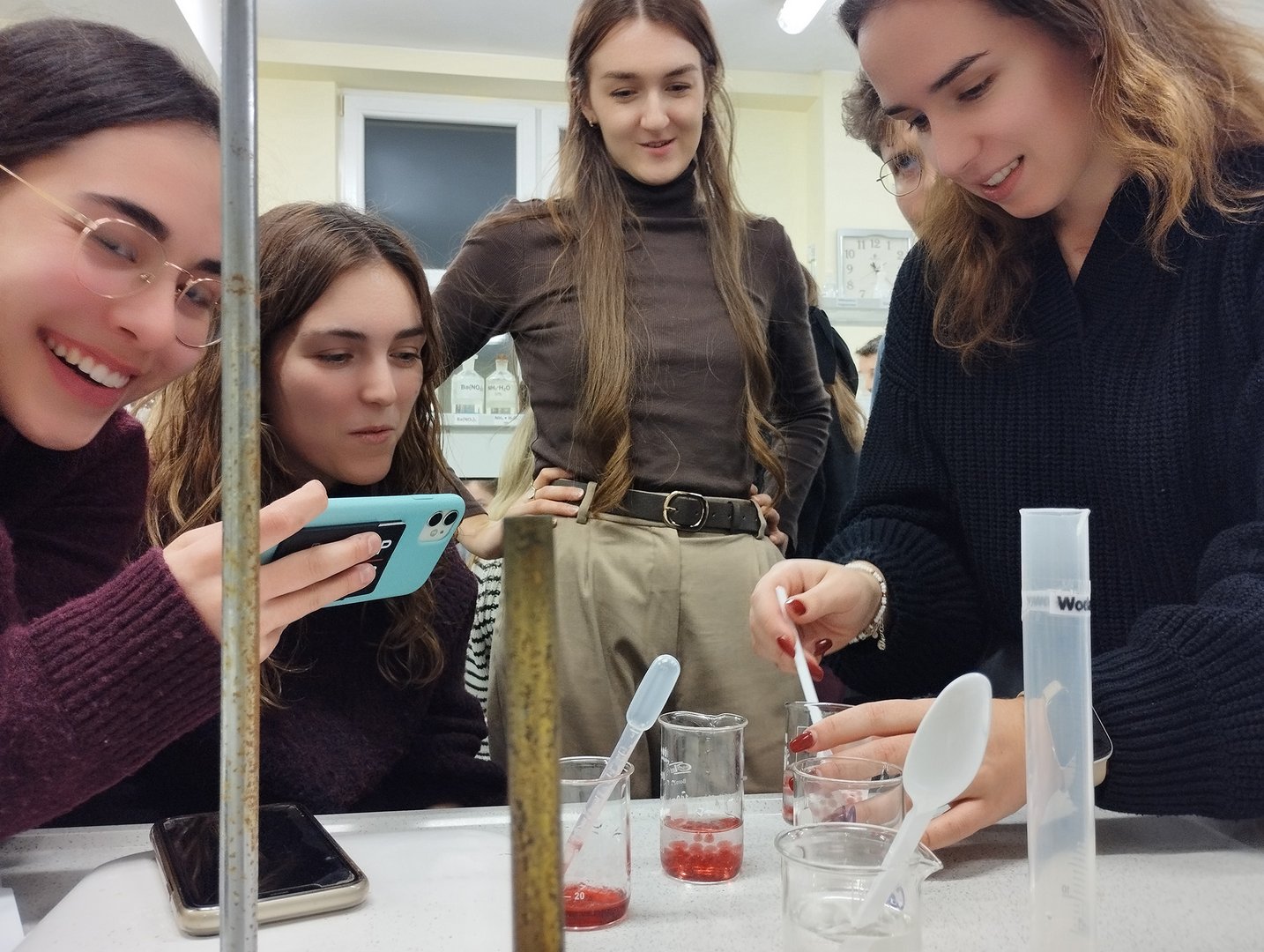
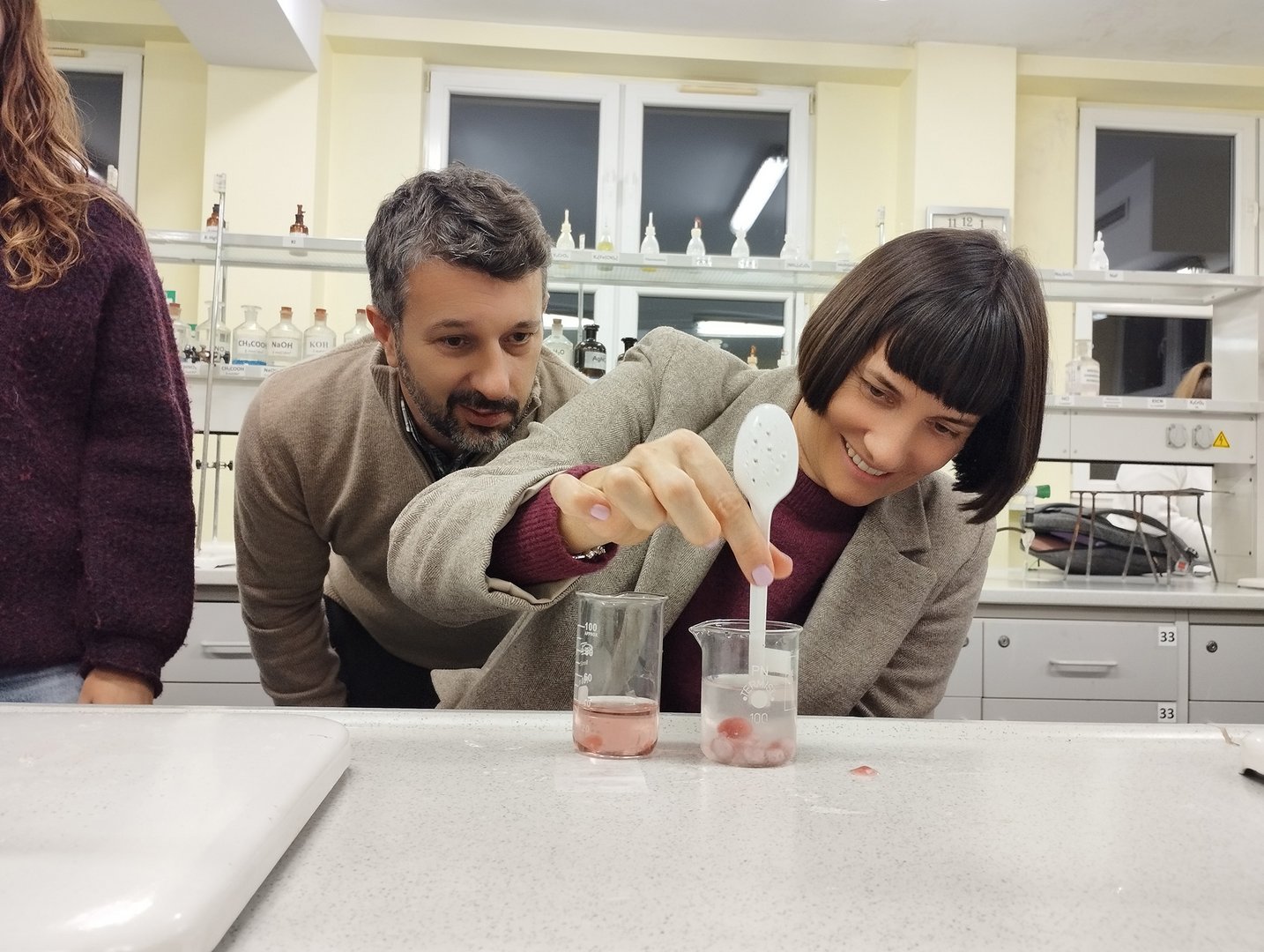
The researchers introduced participants to the scientific foundations and culinary applications of spherification, a technique used in molecular gastronomy that involves creating spherical capsules (resembling caviar or gel beads) from liquids through chemical reactions between selected ingredients.
Thanks to spherification, it is possible to create “caviar” from fruit juices, yoghurts, alcoholic beverages, or sauces. When the spheres are bitten into, the liquid contained within is released. Spherification makes it possible to control texture, flavour release, and sensory experiences. Students also had the opportunity to participate in an interactive workshop and experiment with the technique themselves.
Modern Tools and the Chemical Foundations of Flavour
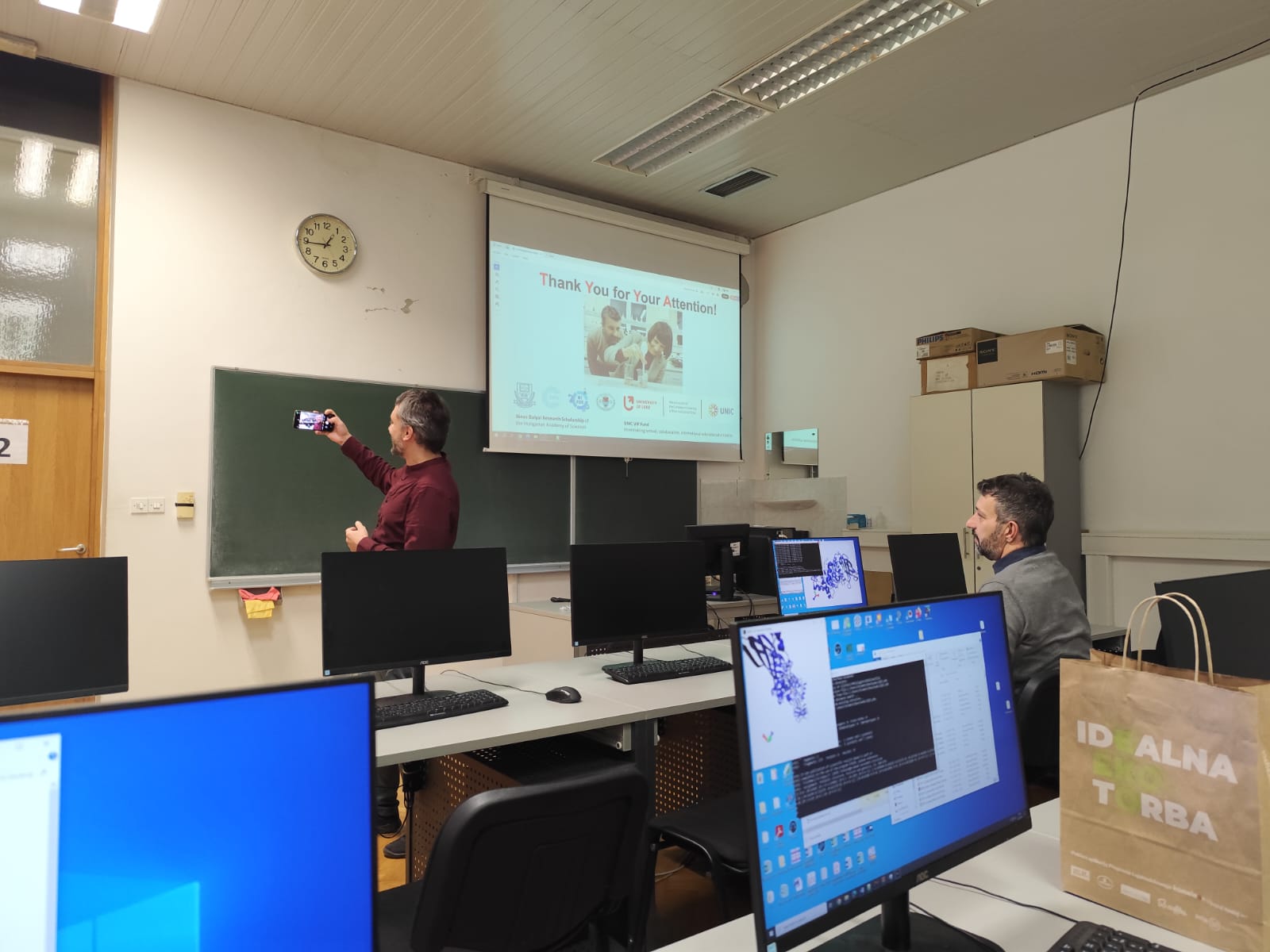
Prof. Béla Fiser and Prof. Piotr Seliger (Faculty of Chemistry, University of Lodz) introduced participants to modern tools for literature searching, extracting relevant information from extensive scientific resources and creating molecular animations.
They also delivered lectures on host–guest complexes, enabling students to understand the chemical interactions that make it possible to control such characteristics of food as texture, flavour, and aroma. In addition, prof. Seliger supported the practical workshop component by preparing instructional materials and evaluation forms that helped assess the learning outcomes.
The Social Significance of the Project
This project has considerable social significance. Food is a part of culture and everyday life, and understanding the science behind it can make this knowledge more accessible and engaging for students and the wider public. By connecting chemistry with gastronomy, the initiative promotes scientific awareness, creativity, and openness to innovation in food science. It also encourages appreciation of local culinary traditions while demonstrating how modern scientific techniques can enrich them and offer new ways of interpreting them
– underlines Prof. Fiser.
Developing Student Competences
Participation in the project helped students develop a wide range of skills applicable in many different fields. Through research activities, teamwork, and practical experimentation, they had the opportunity to strengthen their analytical thinking, problem-solving abilities and communication skills. They also gained experience in using digital tools for information retrieval, molecular structure visualisation and collaborative project work.
Such skills are very valuable for one’s future career – both in the field of chemical research and in food science, education, or innovation-driven industries, where interdisciplinary thinking and the ability to apply scientific knowledge in new contexts are crucial
– adds Prof. Fiser.
Cooperation Within the UNIC VIP Fund
By supporting joint courses and educational initiatives, the UNIC VIP Fund programme encourages the exchange of knowledge, teaching methods and perspectives among partner universities. Such cooperation enhances the quality of education for both students and teaching staff by bringing together different academic traditions, experiences, and cultural backgrounds.
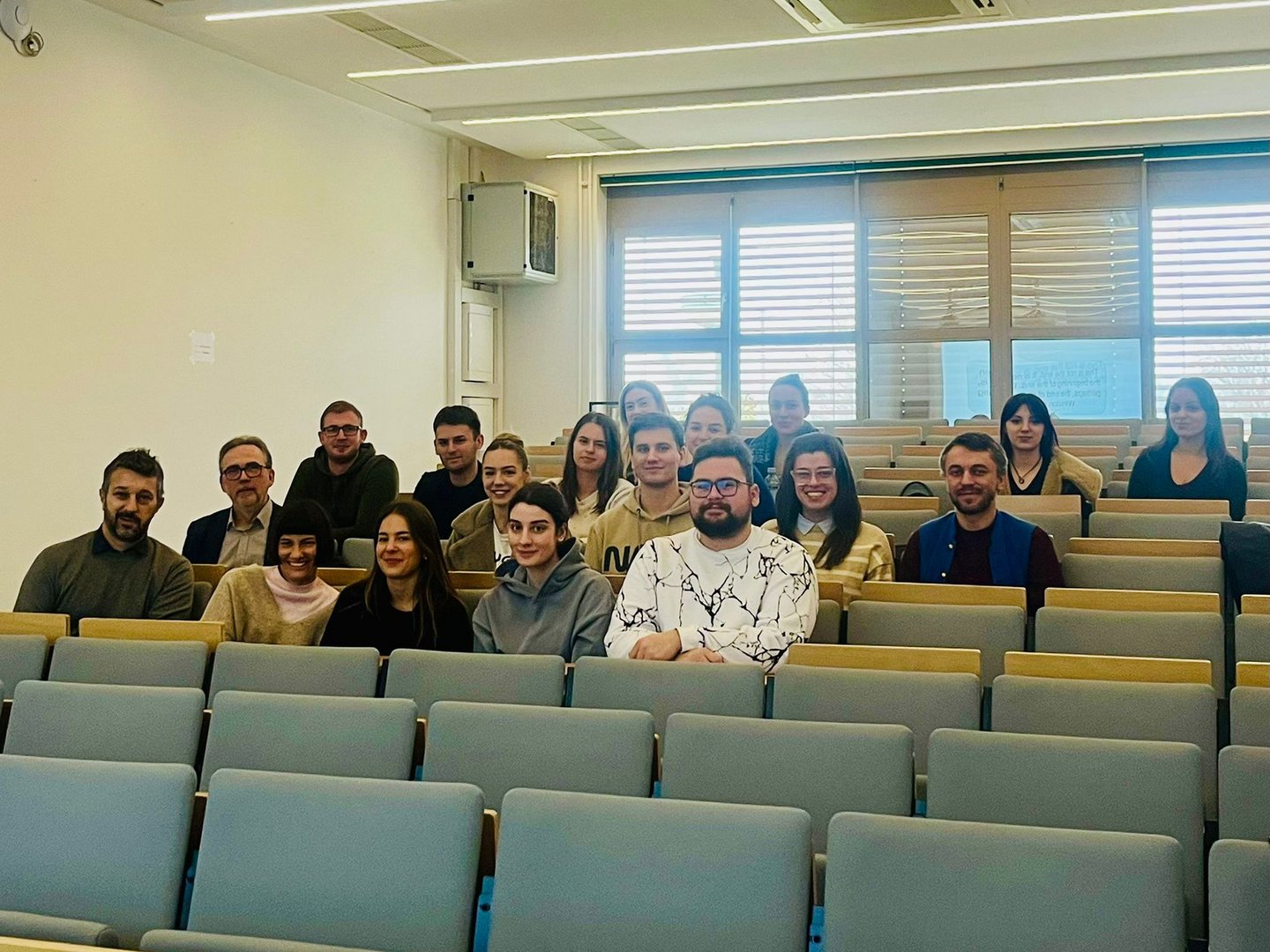
Delivering courses in partnership with staff from other universities fosters interdisciplinary learning and provides students with access to innovative approaches and fresh ideas. It also makes it possible to benefit from the strengths of each institution, including specialist expertise, research experience, and diverse teaching practices.
This type of cooperation supports the development of international networks, facilitates mobility, and strengthens a sense of belonging to a broader European academic community.
As a result, the UNIC VIP Fund programme contributes to the creation of a dynamic, interconnected educational environment in which universities jointly provide high-quality education with a distinctly international character
– the researcher concludes.