PAP Scientific Think Tank Begins Its Activities: Science, Multimedia and Public Debate
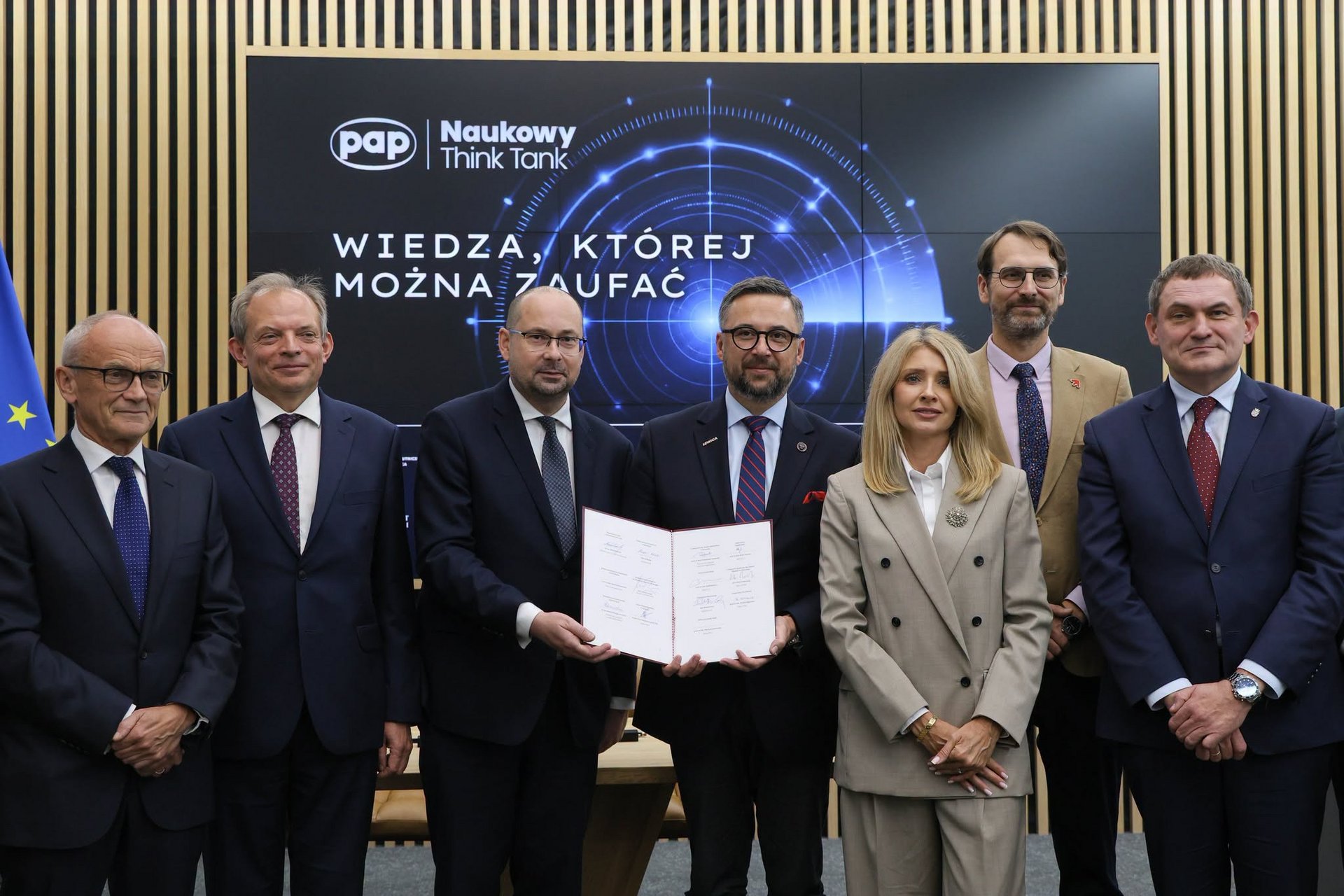
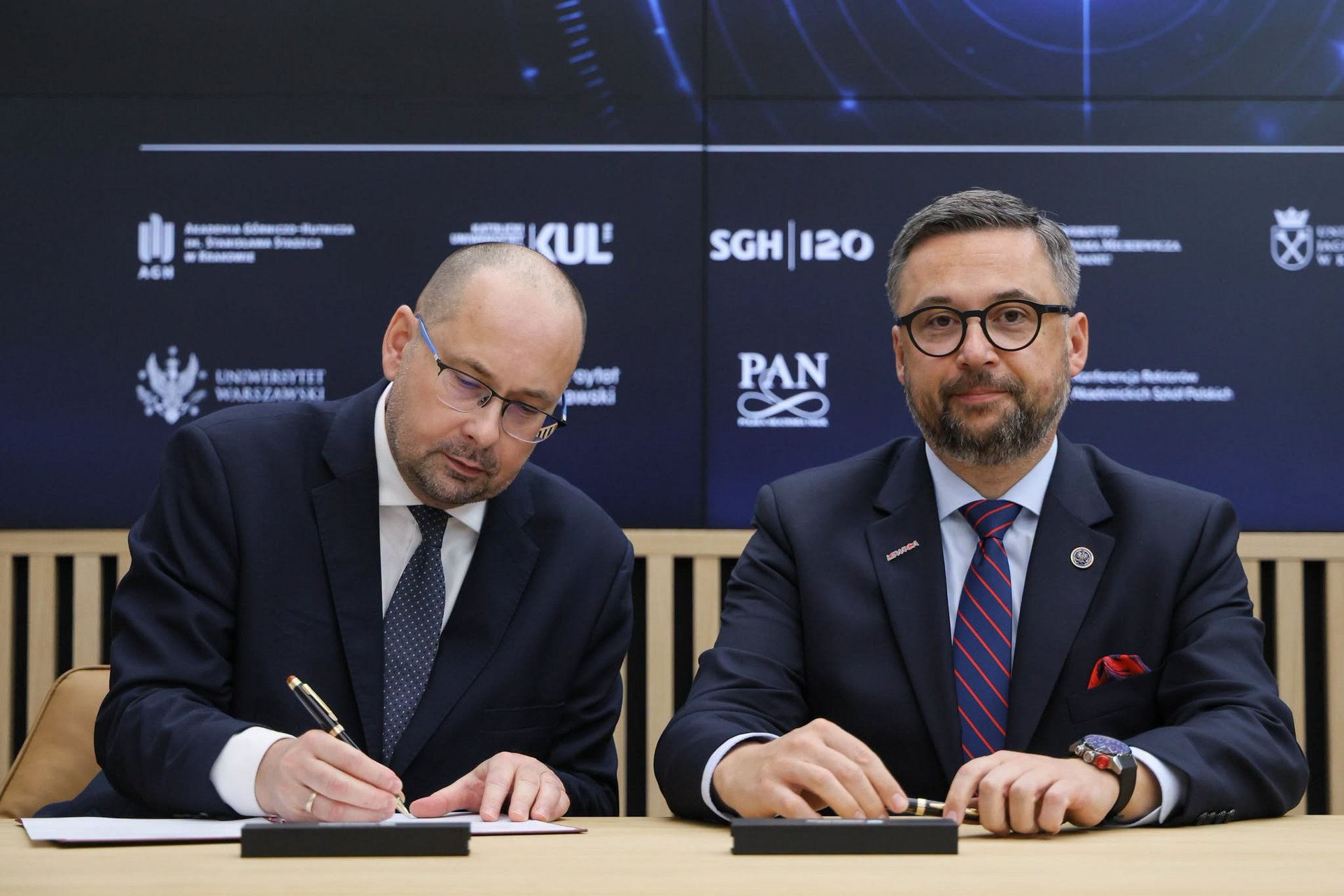
Scientific reports and analyses, expert teams and public debates, followed by videos, podcasts, graphics, broadcasts and content prepared for social media platforms: on 15 September 2026, the PAP Scientific Think Tank was officially launched at the Ministry of Science and Higher Education in Warsaw.
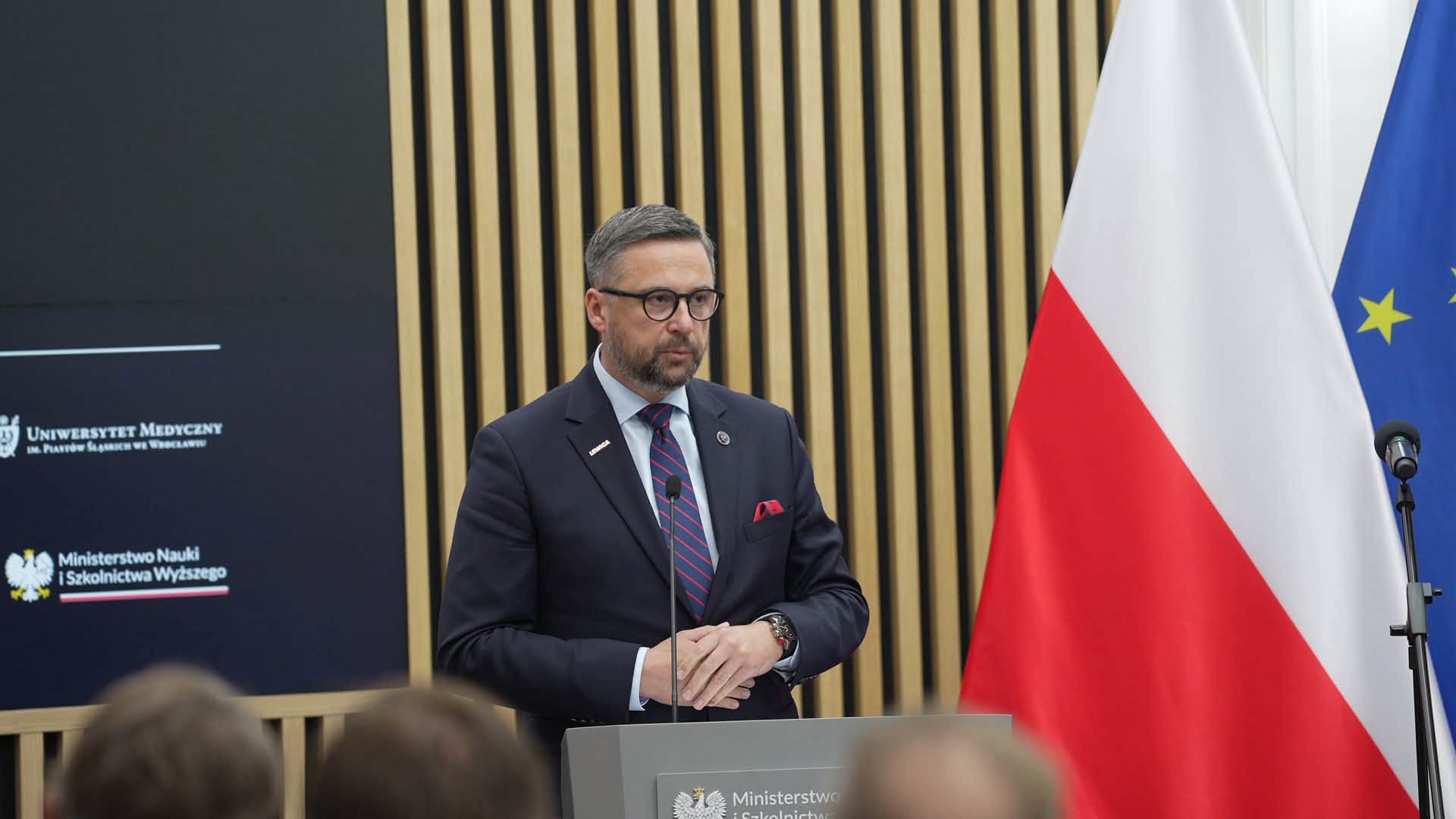
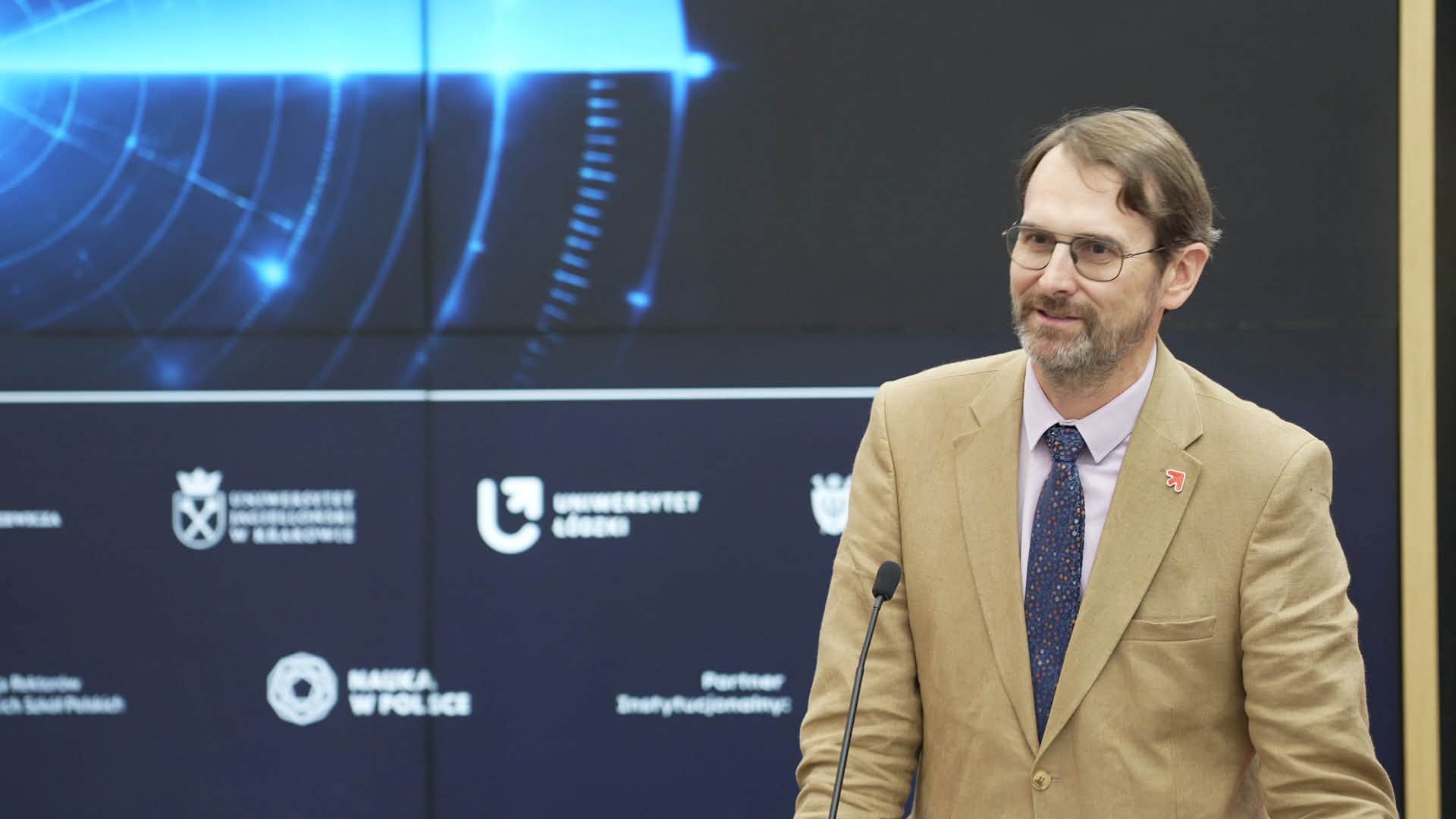
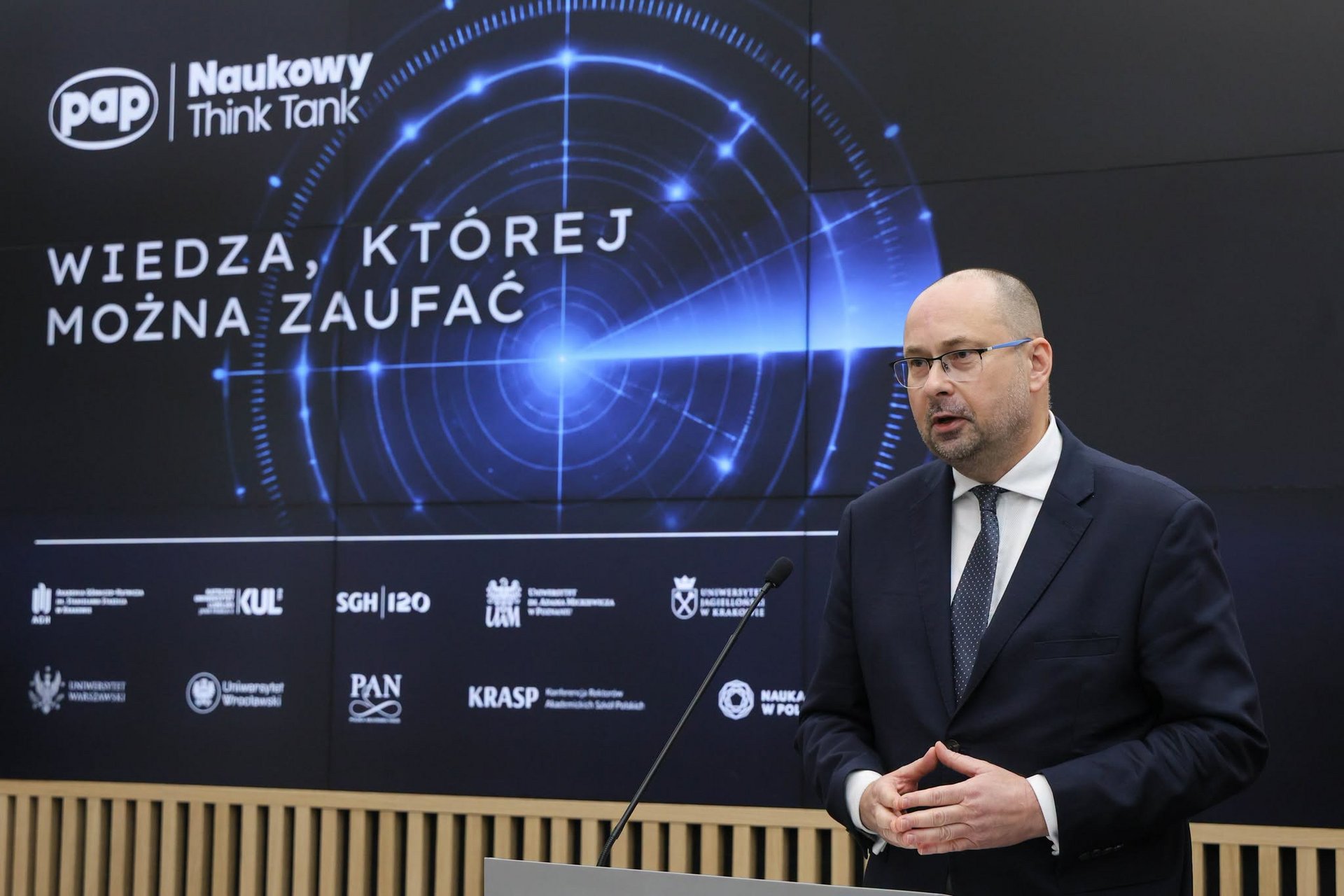
Alongside the Polish Press Agency, the PAP Scientific Think Tank brings together: AGH University of Krakow, John Paul II Catholic University of Lublin, SGH Warsaw School of Economics, Adam Mickiewicz University, Poznań, Jagiellonian University, the University of Lodz, Wroclaw Medical University, the University of Warsaw, the University of Wroclaw, the Polish Academy of Sciences, and the Conference of Rectors of Academic Schools in Poland. The Ministry of Science and Higher Education serves as the initiative’s institutional partner.
The initiative is intended to operate as a permanent platform for cooperation, with its agenda developed jointly by its partners. Future projects will address both long-term challenges and current issues requiring scientific and expert knowledge.
AI, Security, Health and the Economy
I believe that the most important task facing Polish universities today is to produce reliable knowledge and effectively introduce it into public discourse. Conducting research alone is not enough. We must also help people understand a world in which artificial intelligence, algorithms and disinformation are playing an increasingly significant role
– said Prof. Rafał Matera, Rector of the University of Lodz.
The PAP Scientific Think Tank will focus both on challenges facing science and higher education and on issues of importance to the state and society. Its key areas of activity will include artificial intelligence and emerging technologies, information and cognitive security, disinformation, health, the economy, social transformation, and the popularisation of Polish science.
Teams dedicated to specific topics will be established, drawing on the expertise and specialisations of individual universities and experts. Not every institution will be required to participate in every project. This model will make it possible to create interdisciplinary teams tailored to particular challenges and to utilise the expertise of institutions specialising in specific areas.
The outcomes of the Think Tank’s work are expected to include reports and analyses, recommendations, expert commentary, debates, as well as educational and outreach projects. Information security and cognitive security will be one of its key areas of interest.
The development of generative AI, the growing scale of disinformation and the vast number of information sources have increased the importance of verified content based on reliable sources. In this field, the Think Tank aims to combine the methodologies and research foundations of academia with PAP’s day-to-day experience in source verification and information validation.
If we truly and responsibly regard cognitive security as an element of national security, we cannot expect universities to build societal resilience solely through successive, individual projects. What we need is a permanent system of cooperation between academia, the media, and the state.
We need stable funding for campaigns that systematically provide the public sphere with reliable knowledge, not just isolated calls for proposals and science outreach events, but a regular presence of science in the media and digital channels. Today, funding for science communication is still largely project-based
– noted Prof. Rafał Matera, Rector of the University of Lodz.
Who Shapes the Way We Think? Disinformation, Loss of Trust and the Fight for Credible Information
The first example of this collaborative model is the report "Dezinformacja i bezpieczeństwo poznawcze” [Disinformation and Cognitive Security], prepared by experts from Jagiellonian University in cooperation with the Polish Press Agency. The report, dedicated to disinformation and cognitive security, was presented on 9 September during the Economic Forum in Karpacz.
The presentation was accompanied by a debate featuring, among others, Dr Matusz Piątkowski from the Faculty of Law and Administration, University of Lodz, as well as other experts representing universities cooperating with PAP. Participants subsequently listened to addresses by university rectors concerning actions that the academic community can take to strengthen the cognitive security of society.
At the University of Lodz, we conduct research on artificial intelligence, cybersecurity and cyber law, among other areas, including through the Centre for Artificial Intelligence and Cybercommunication Research and Lodz Cyber Hub. Our researchers prepare expert opinions for national and European institutions, analyse the mechanisms of disinformation and support the development of digital competencies. We are also co-creating PLLuM, the Polish large language model being developed for public administration and citizens. At the same time, we teach critical information assessment, responsible use of technology and the recognition of manipulation.
It is precisely this combination of research, education and the responsible dissemination of knowledge that I regard as the university sector’s most important contribution to the cognitive security of society. For this reason, we are joining the PAP Think Tank initiative with great conviction
– said Prof. Rafał Matera, Rector of the University of Lodz, in his concluding remarks during the debate in Karpacz.
Why the University of Lodz Joined the PAP Scientific Think Tank
We believe that science reaches its full potential only when it extends beyond the university and becomes part of public debate. We view science communication as the creation of a space for dialogue, where research-based knowledge helps people better understand contemporary challenges, make informed decisions and develop critical thinking skills. We strive to connect all forms of science outreach, ranging from podcasts and videos to popular science articles, lectures, workshops and meetings in schools and cultural institutions, as well as festivals, exhibitions, competitions and educational projects. Strategic directions for strengthening the presence of science in the public sphere are led by Prof. Krzysztof Pabis, the only Vice-Rector for Popularisation of Science and Education at a Polish university.
The idea of sharing knowledge is implemented at the University of Lodz on many levels, including through grassroots initiatives. One example is the I Młodzieżowe Forum Demokratyczne „Quo Vadis Edukacjo? Młodzież jako partner w tworzeniu szkół przyszłości” [1st Youth Democratic Forum “Quo Vadis, Education? Young People as Partners in Shaping the Schools of the Future”], initiated by University of Lodz Pedagogy students. The event, dedicated to discussions about the future of education, demonstrates that the University of Lodz community actively engages in debates on the most important social challenges.
At the same time, according to a report by the Polish Press Agency, the University of Lodz ranks among the three universities most frequently represented in Polish media through science-related content. Joining the PAP Scientific Think Tank is therefore a natural extension of our existing efforts and another step towards strengthening the relationship between the world of science and society.
Source materials, graphics: PAP
Edit: Honorata Ogieniewska, Centre for External Relations and Social Responsibility of the University, University of Lodz