About the Project: Why Are We Studying Microcystis Blooms?
Excessive cyanobacterial blooms are among the most dangerous phenomena threatening freshwater ecosystems. The intensification of blooms is directly linked to anthropogenic pressures, including intensive food production, ongoing urbanisation and increased nutrient inflows into water bodies, as well as to global climate change, manifested by rising air and water temperatures and increasingly frequent severe storms and heavy rainfall events.
Species of the genus Microcystis form widespread planktonic communities that proliferate during summer in temperate regions and occur year-round in tropical zones. The hepatotoxins (microcystins) they produce pose a serious threat to biodiversity, human health, and economic activity. Moreover, Microcystis often co-occurs with other cyanobacterial genera, including Aphanizomenon, Dolichospermum and Aerosakkonema, a phenomenon also observed during the implementation of this project.
An Innovative Approach: The Role of the Microbiome and Catchment Area Impact
Research on Microcystis blooms most frequently focuses on the physicochemical properties of water. The CyMiBiom project introduces a new global perspective through:
-
Microbiological Interactome: Analysis of the taxonomic and physiological diversity of bacteria and archaea associated with cyanobacteria in different climatic zones.
-
Impact of Land Use: The research examines how catchment area management, including urban, agricultural, and forested landscapes, influences the structure of microbiomes in lakes and retention reservoirs.
-
Identification of Hidden Risks: Scientists are investigating factors that may increase the risks associated with cyanobacterial blooms, including:
- the co-occurrence of pathogenic bacteria;\
- the potential for increased greenhouse gas emissions;
- the transfer of antibiotic resistance genes (ARGs) between microorganisms within blooms.
Research Scale: Four Continents, One Hundred Samples
During field campaigns conducted in 2024 and 2025, researchers collected a total of 100 water samples together with associated microbiomes from five countries located in different climatic zones, both temperate and tropical: Poland, the United States, South Korea, Guatemala and Singapore.
The samples are currently undergoing advanced genetic, metagenomic and physicochemical analyses, as well as assessments of cyanobacterial secondary metabolites.
Partners and Supporting Institutions
The project is being carried out in close cooperation with internationally recognised research institutions:
-
U.S. Geological Survey (USGS), USA
-
New York Water Science Center, Troy / Federal Interagency Working Group on Harmful Algal Blooms and Hypoxia
-
Representatives: Dr Jennifer L. Graham, Dr Rebecca M. Gorney
-
-
National University of Singapore (NUS), Singapore
-
Department of Civil and Environmental Engineering, College of Design and Engineering
-
Representatives: Prof. Karina Yew-Hoong Gin, Dr Shu Harn Te
-
-
Korea Research Institute of Bioscience and Biotechnology (KRIBB), South Korea
-
Cell Factory Research Center, Daejeon
-
Representatives: Dr Chi-Yong Ahn, So-ra Ko (M.Sc.)
-
-
University of San Carlos of Guatemala (USAC), Guatemala
-
Representative: Dr Bessie Oliva
-
The project is also conducted in cooperation with Polish researchers: Prof. dr hab. Hanna Mazur-Marzec from the Faculty of Oceanography and Geography at the University of Gdańsk and dr hab. Mikołaj Kokociński, Associate Professor at Adam Mickiewicz University from the Faculty of Biology at Adam Mickiewicz University in Poznań.
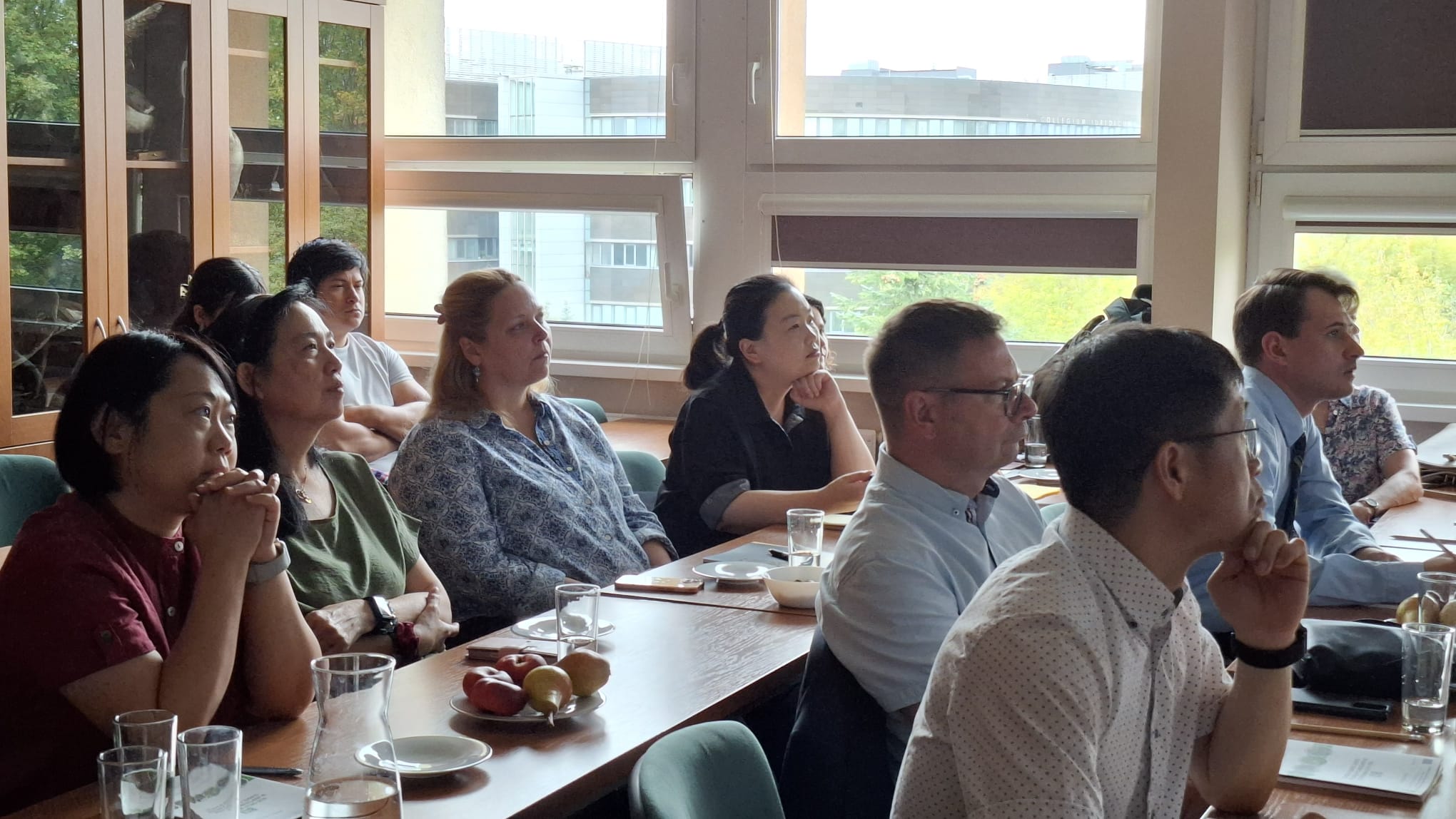
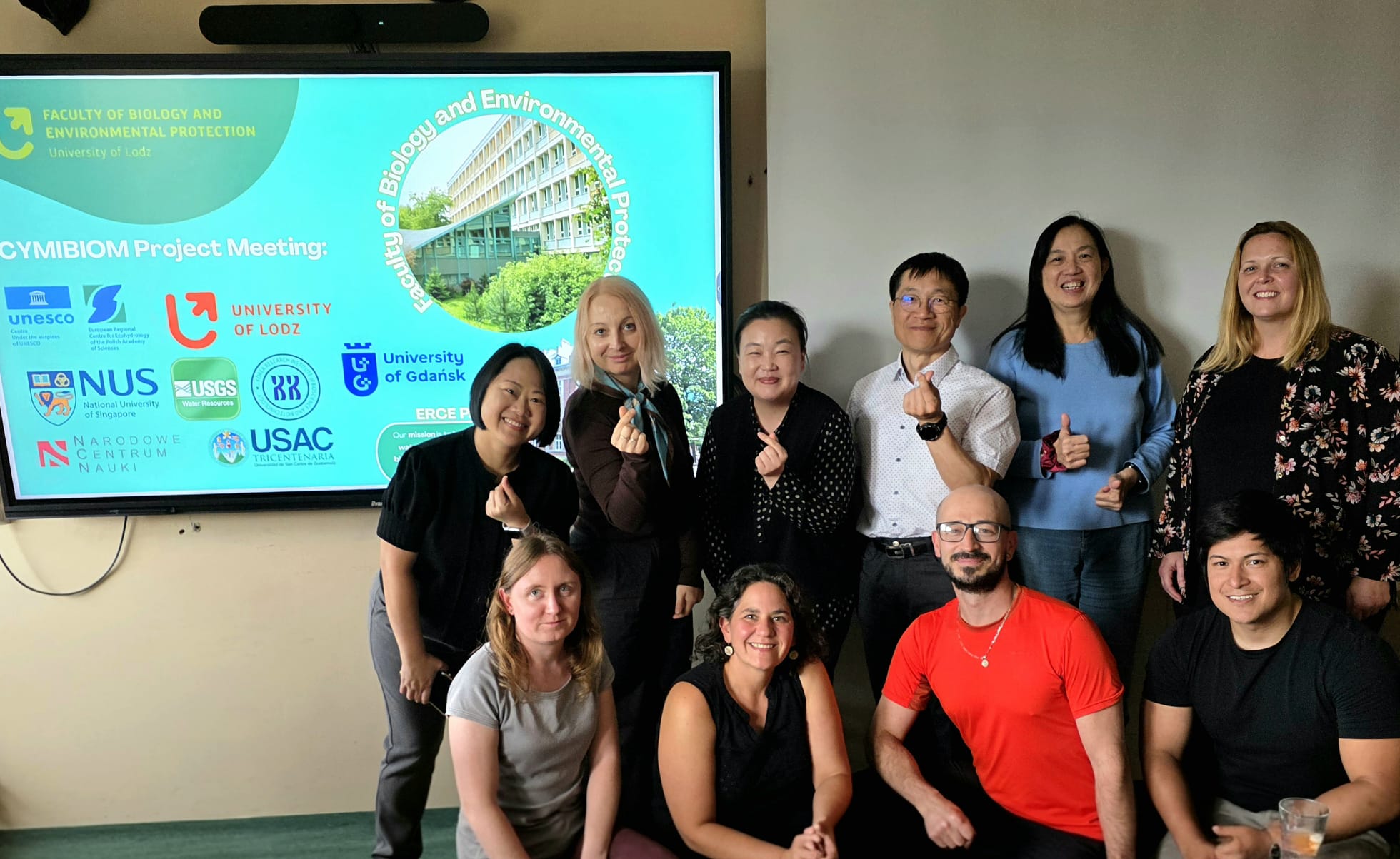
The culmination of the first two years of research was the International CyMiBiom Workshop, held from 31 August to 4 September in Łódź and at Sulejów Reservoir. The event brought together project partners from the United States, South Korea, and Singapore, as well as researchers from the University of Gdańsk and Adam Mickiewicz University in Poznań.
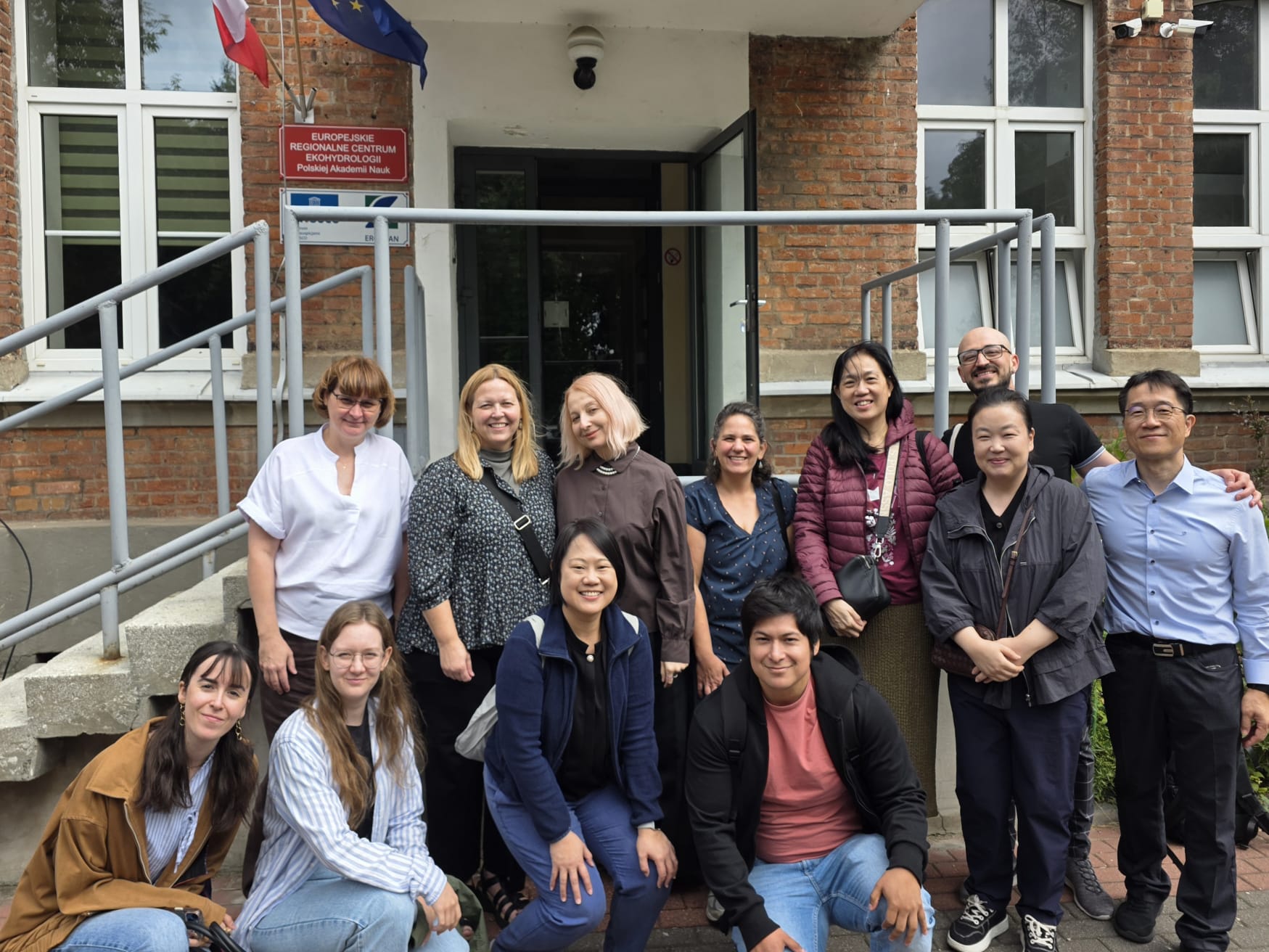
During a meeting at the Faculty of Biology and Environmental Protection, the Polish research team presented the results obtained to date. These findings provided the basis for discussions concerning their interpretation and the preparation of joint scientific publications. The following day, at the headquarters of the European Regional Centre for Ecohydrology of the Polish Academy of Sciences in Łódź, invited guests from USGS, NUS, and KRIBB delivered presentations devoted to their environmental research activities.
The workshop programme also included a field component. Participants visited Sulejów Reservoir and the newly established University of Lodz Research Centre for Sustainable Development in Tresta. Discussions focused, among other topics, on the dynamics of processes occurring within the retention reservoir, the influence of catchment area management on water quality, and the issue of drought. Participants also learned about the principles and implementation of the LIFE Pilica project, carried out by the European Regional Centre for Ecohydrology of the Polish Academy of Sciences and coordinated by Polish Waters.
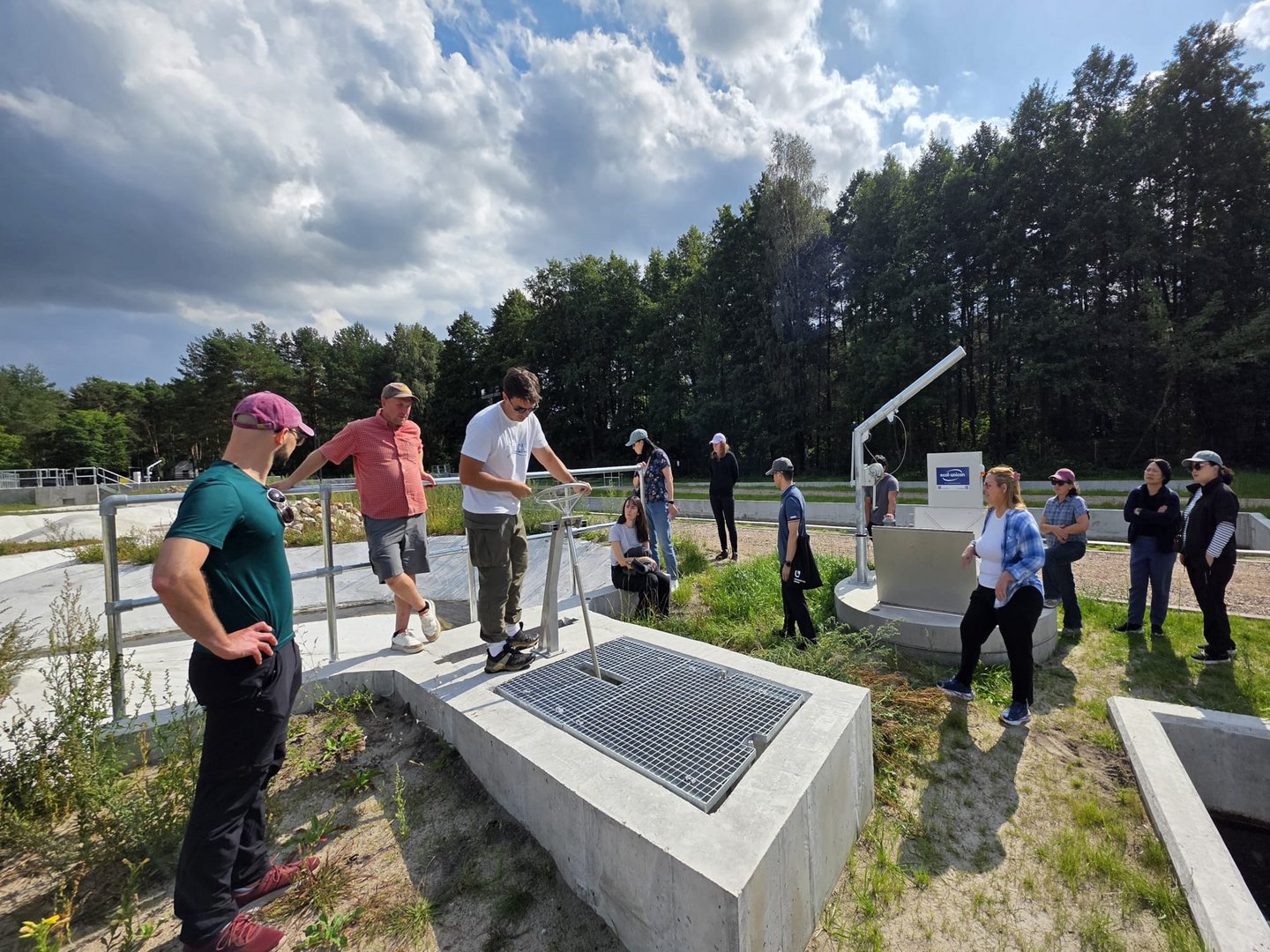
Another item on the programme was a visit to Arturówek, an urban complex of water reservoirs serving both retention and recreational functions. Participants were introduced to the sedimentation-biofiltration systems implemented there as part of the international ecohydrological projects SWITCH and EHREK, previously carried out with the participation of the University of Lodz.
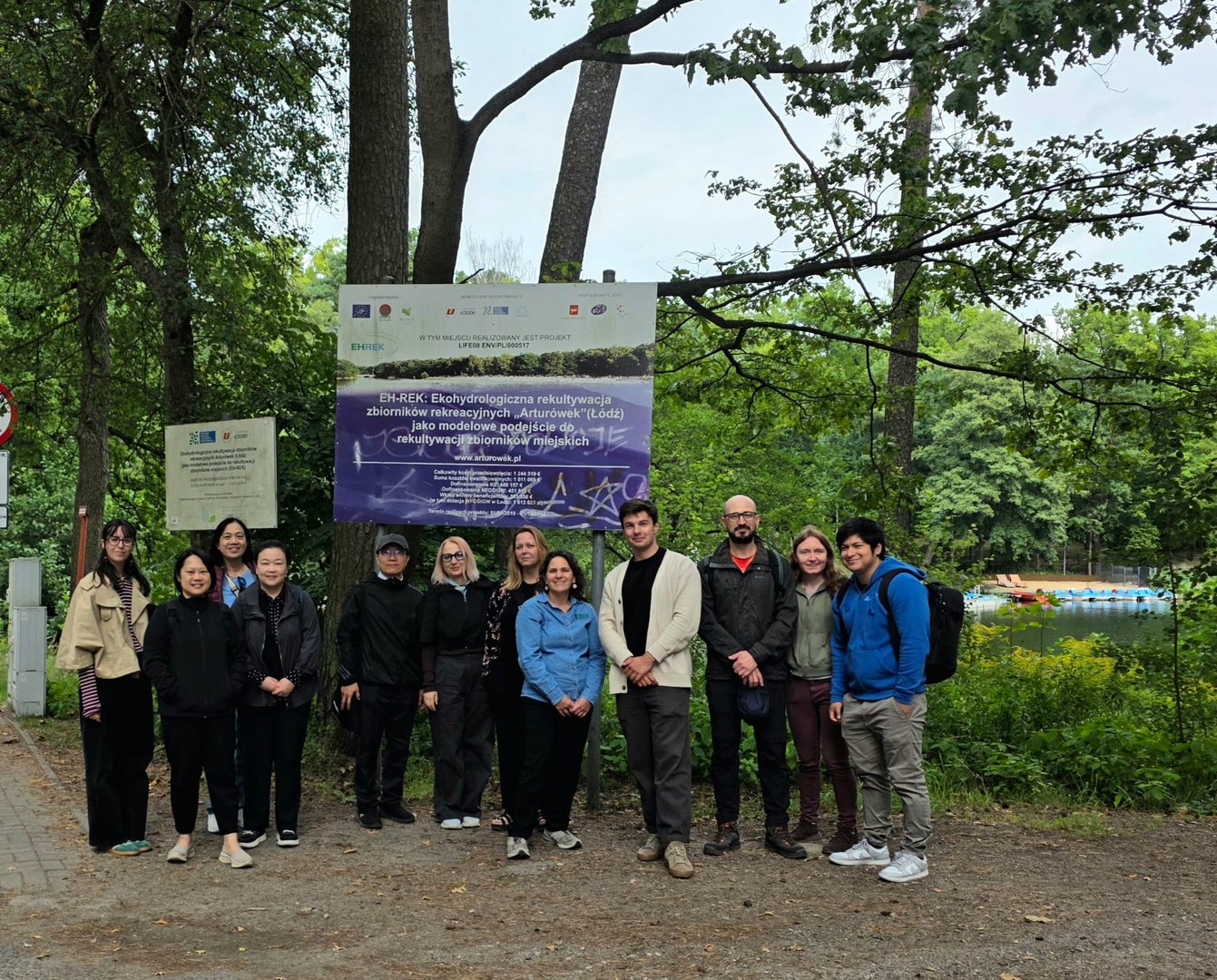
The final programme activity was a visit to the demonstration site of the Springiness project, where solutions for retaining rainwater in urban ecosystems and reducing overloads of urban stormwater drainage systems during periods of intensive rainfall were presented. The workshop concluded with a summary session and discussions regarding future research cooperation.
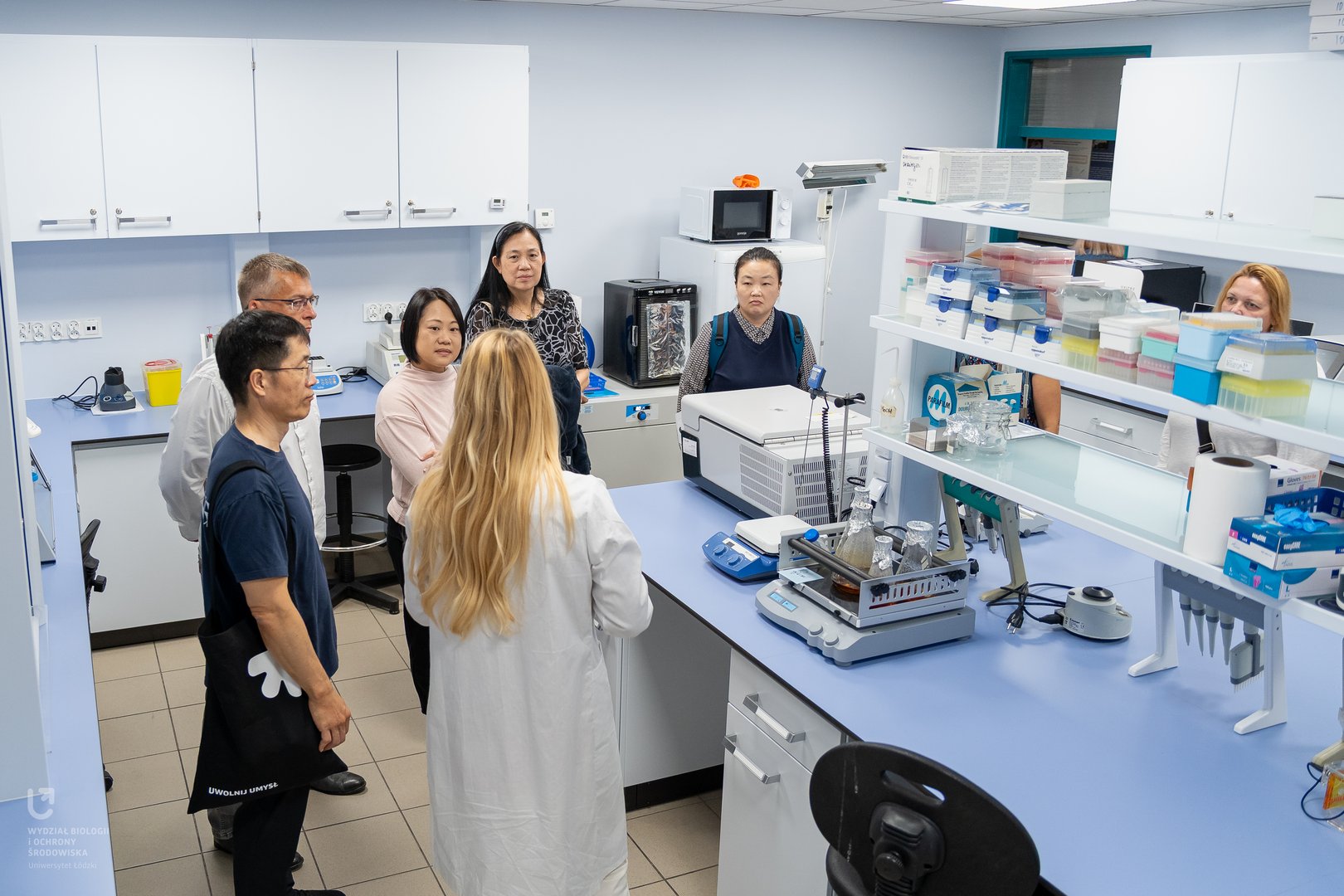
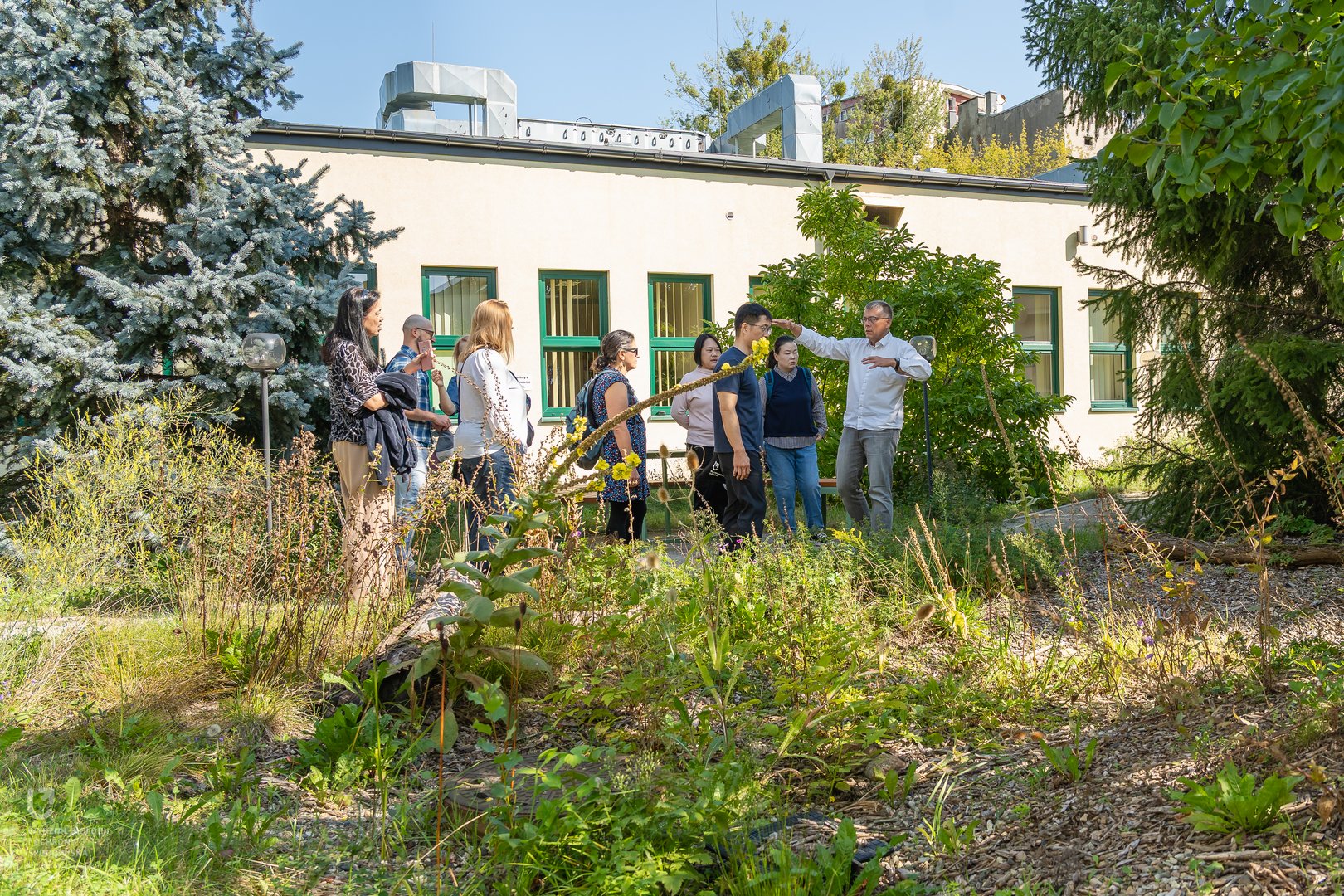
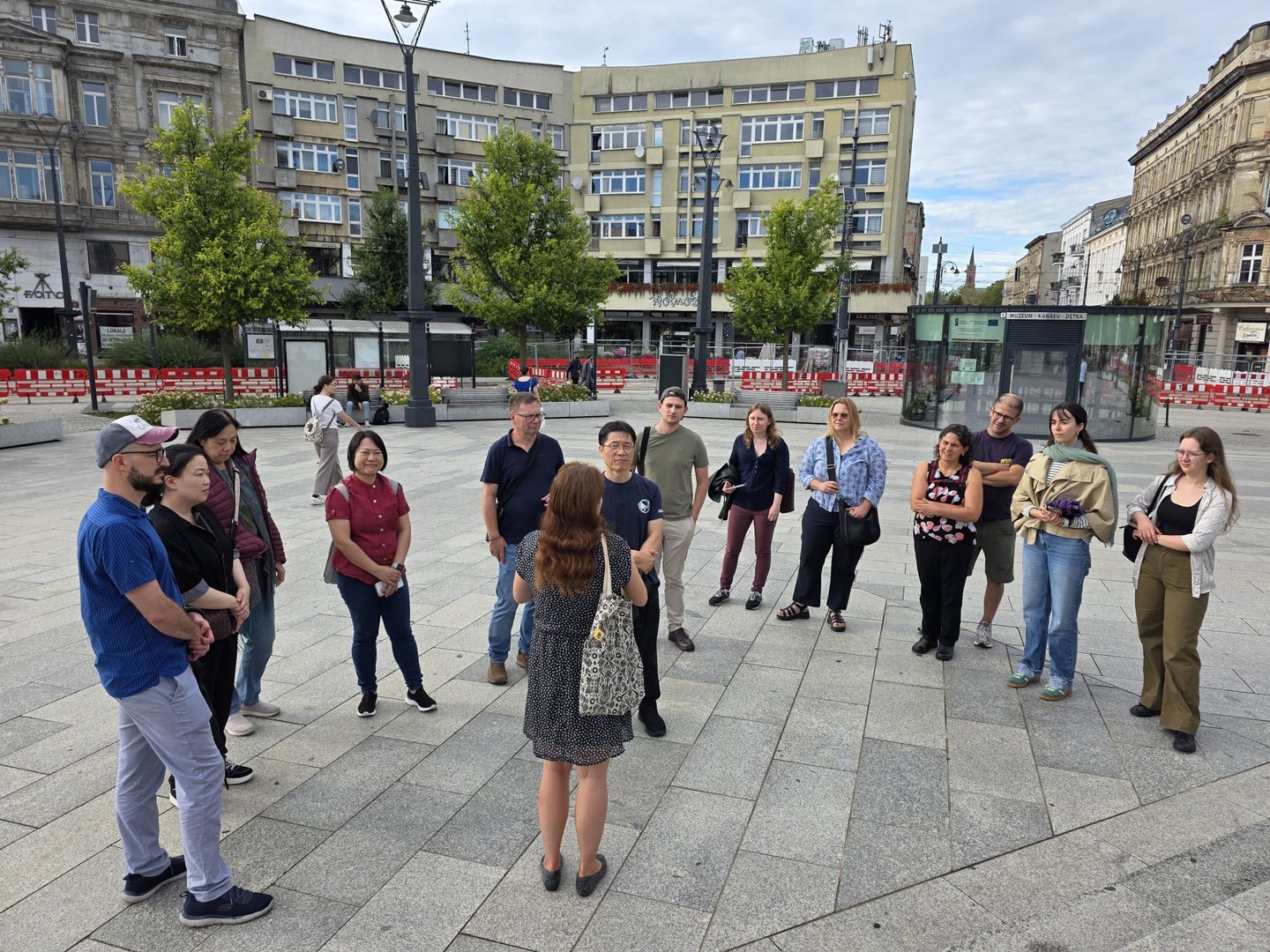
In addition to intensive scientific discussions, CyMiBiom project guests also had an opportunity to discover Łódź and its most important attractions. They took part in a walk along Piotrkowska Street and visited the Poznański family palace. Thanks to cooperation between the Faculty of Biology and Environmental Protection and the EC1 Science and Technology Centre in Łódź, participants were also able to learn about the history of Łódź's power industry and see how a former power plant has been transformed into a modern centre for science, education, and culture.
The implementation of the CyMiBiom project is essential for obtaining new knowledge on a global scale and for improving our understanding of the biological and ecological mechanisms governing cyanobacterial blooms. This knowledge is of critical importance for freshwater quality management and the protection of public health in an era of global climate change.
Edit and phoos: Mateusz Kowalski (Promotion Centre, Faculty of Biology and Environmental Protection)
Text and photos: Prof. dr hab. Joanna Mankiewicz-Boczek (Department of UNESCO Chair on Ecohydrology and Applied Ecology, Faculty of Biology and Environmental Protection)