Treasures on the Floor of the Pacific Ocean: The Clarion-Clipperton Zone
The Clarion-Clipperton Zone (CCZ), stretching across the central Pacific Ocean, is one of the most remarkable and inaccessible areas on Earth. At depths of between 4,000 and 5,000 metres, the ocean floor is covered with so-called polymetallic nodules. These distinctive structures, resembling potatoes or cauliflowers in shape, have grown in successive layers over millions of years.
Composed of metal ores, including iron, manganese and copper, as well as valuable rare-earth elements, these nodules are of immense interest to the global electronics and advanced technology industries. The International Seabed Authority (ISA) has already signed contracts with 22 entities to conduct seabed exploration in this region in preparation for potential future commercial extraction.
Science Without Borders
Marine organisms living under such extreme conditions are not constrained by national borders, and the overwhelming majority of species inhabiting these environments remain entirely unknown to science. Before any decisions are made regarding the exploitation of ocean resources, it is essential to understand how these unique ecosystems function and how potential human intervention may affect their biodiversity. Active international scientific cooperation is indispensable in achieving this goal.
Three Weeks in Singapore: Łódź Taxonomists on St John’s Island
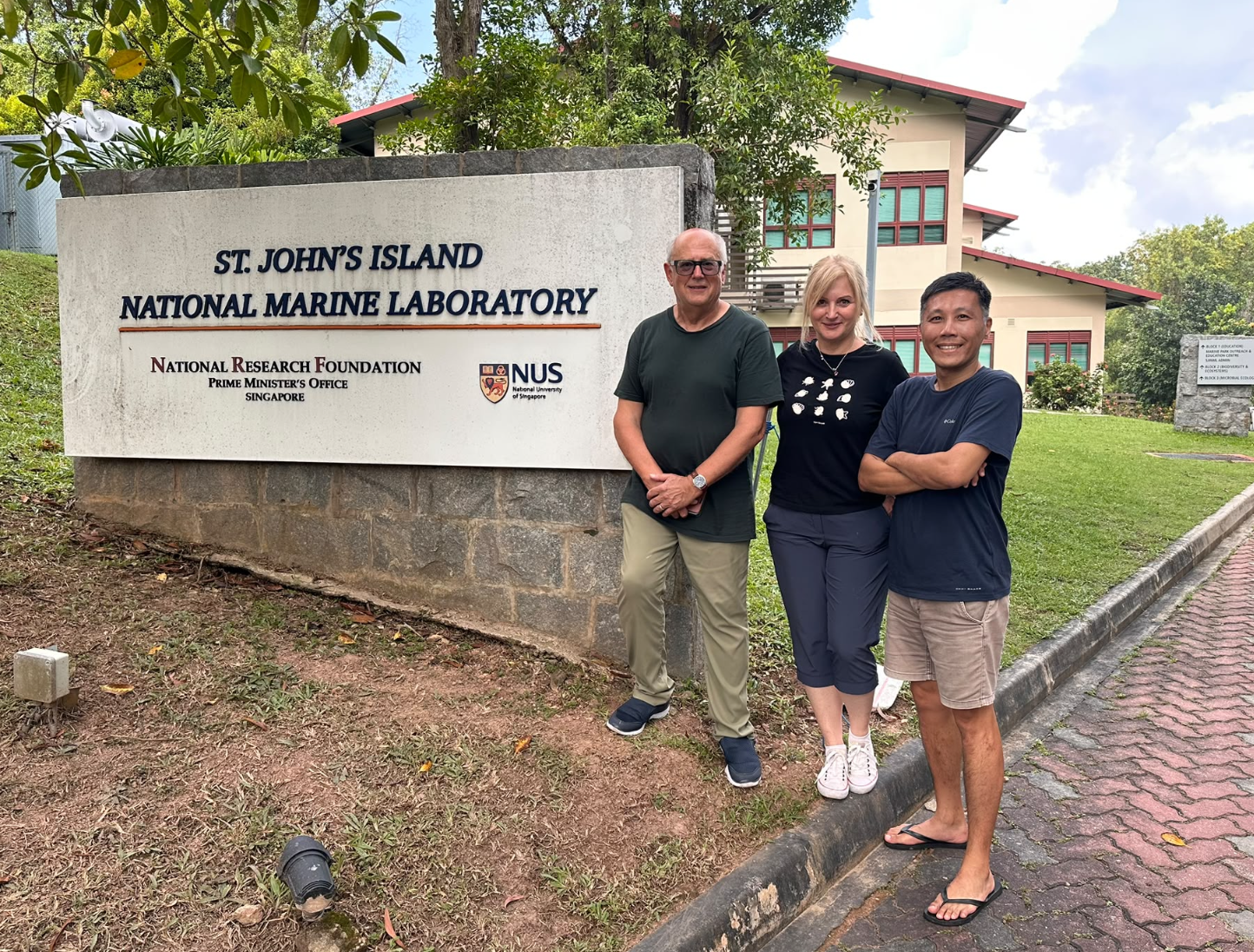
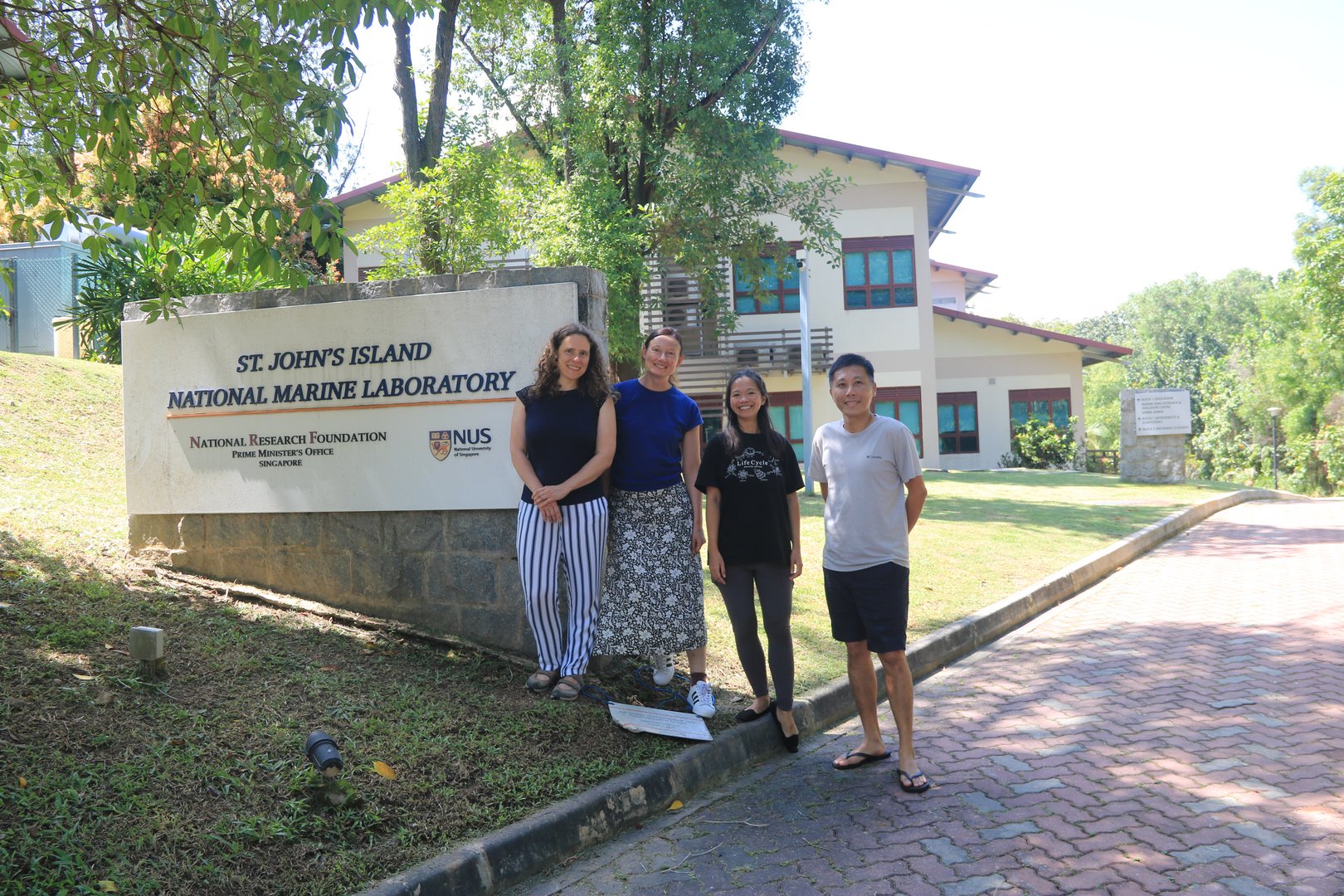
The expertise of researchers from the Faculty of Biology and Environmental Protection, University of Lodz, directly addresses these challenges. Prof. dr hab. Magdalena Błażewicz, Dr Anna Stępień, and dr hab. Anna Jażdżewska, Associate Professor at the University of Lodz, specialists in the taxonomy of deep-sea marine crustaceans, were invited to collaborate by researchers from the prestigious National University of Singapore (NUS).
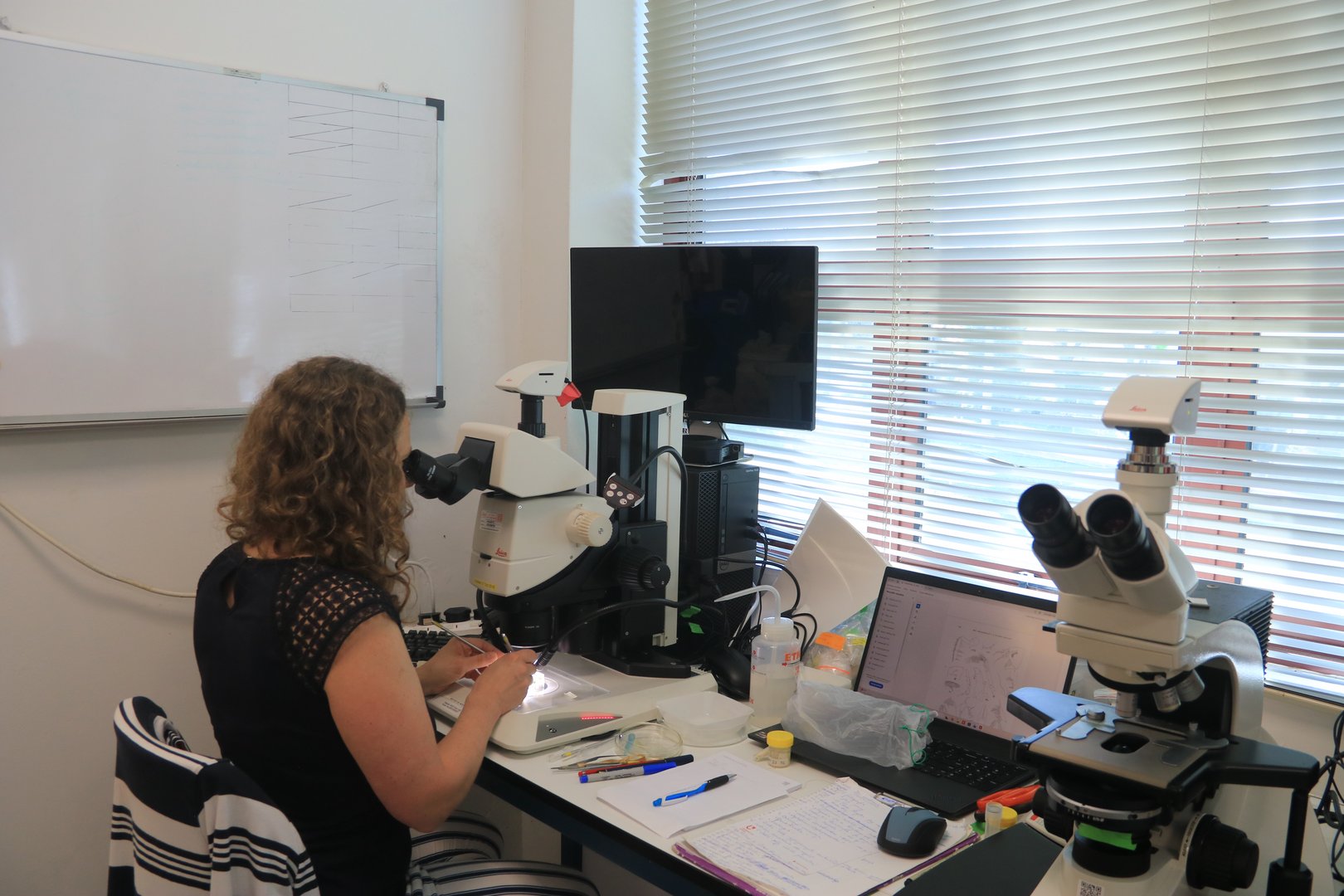
As part of the joint project, the researchers spent three weeks at the St. John’s Island National Marine Laboratory in Singapore. Their work focused on the detailed analysis and identification of unique faunal collections gathered from the depths of the CCZ, including:
- tanaids (Tanaidacea),
- ostracods (Ostracoda),
- cumaceans (Cumacea),
- amphipods (Amphipoda).
The obtained results will contribute to a more precise understanding of the biodiversity and geographical distribution of crustaceans inhabiting the Pacific Ocean floor.
Sharing Knowledge and Future Perspectives
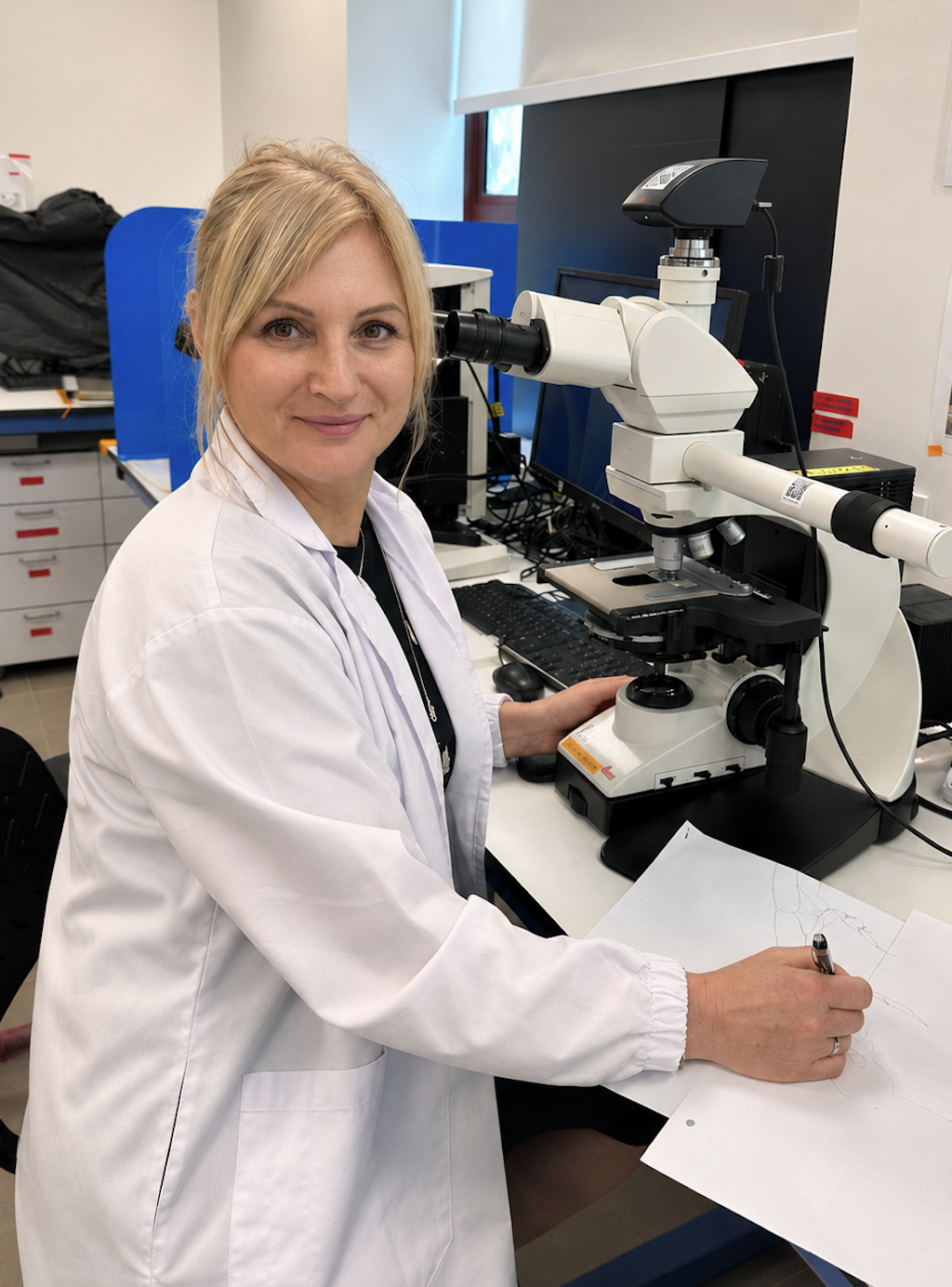
The visit to Singapore also provided an opportunity for knowledge exchange. The taxonomists from Łódź delivered training sessions for NUS staff and interns, introducing them to advanced methods for identifying various groups of deep-sea invertebrates.
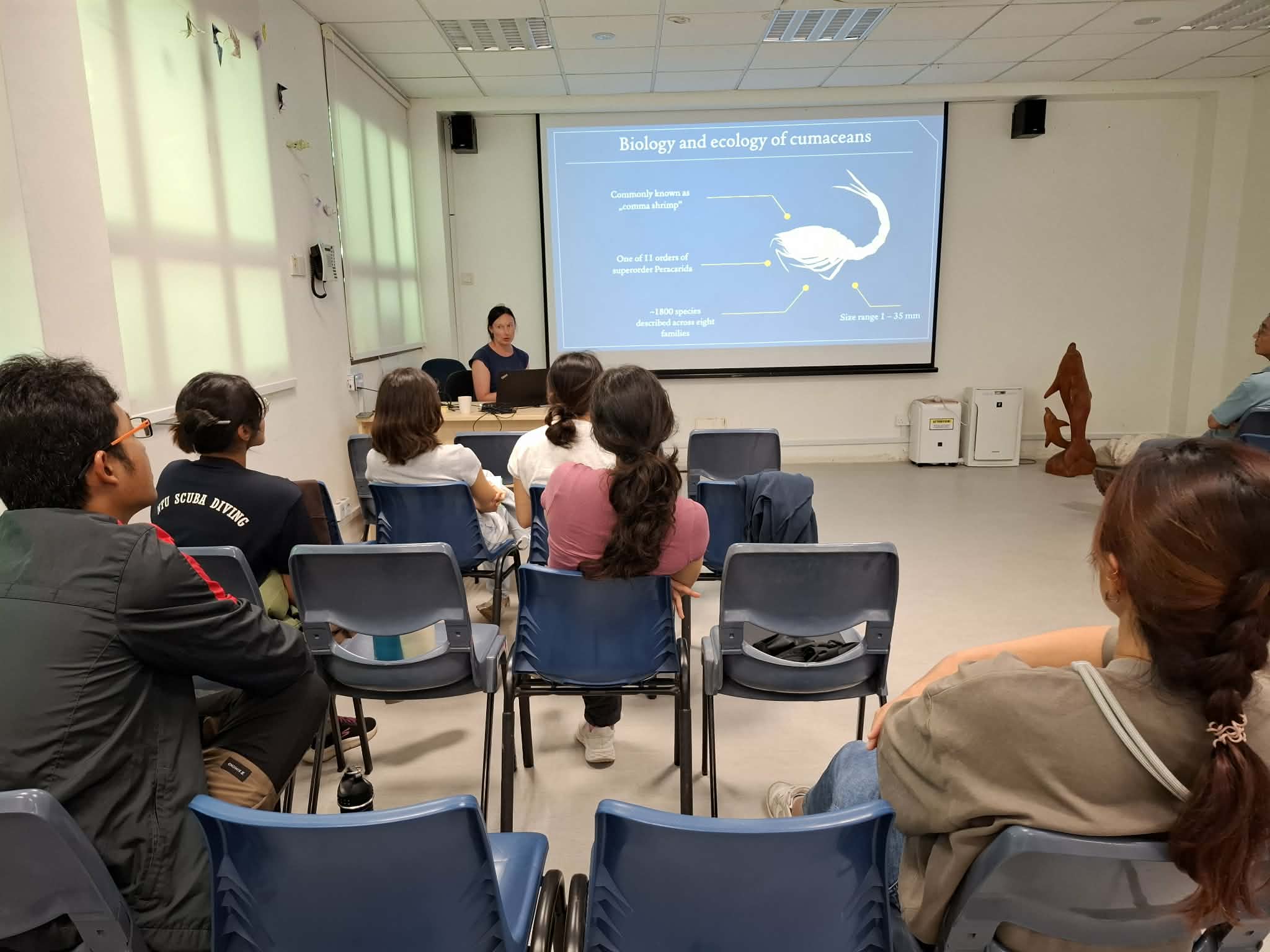
The visit also created a space for discussions regarding future joint research projects and the further development of long-term scientific cooperation between the Faculty of Biology and Environmental Protection, University of Lodz, and the National University of Singapore.
Edit: Mateusz Kowalski (Promotion Centre, Faculty of Biology and Environmental Protection, University of Lodz)
Text: dr hab. Anna Jażdżewska, Associate Professor at the University of Lodz (Department of Invertebrate Zoology and Hydrobiology, Faculty of Biology and Environmental Protection, University of Lodz)