- Uniwersytet Łódzki
- Polish Evolutionary Conference PEC_2026
Polish Evolutionary Conference PEC_2026
Welcome
The Polish Evolutionary Conference (PEC) is a leading national forum for evolutionary biologists, bringing together researchers from across Poland to present research on molecular, organismal, ecological, and evolutionary processes. The conference aims to foster scientific exchange and collaboration within the academic community by encouraging meaningful discussions and facilitate networking, with a particular emphasis on the active participation of students and early-career researchers. The first edition of PEC took place in Kraków in 2013.
We are pleased to inform that the 12th Polish Evolutionary Conference took place at the Faculty of Biology and Environmental Protection, University of Lodz, September 16-18, 2026.
Follow our profile for updates: https://www.facebook.com/PolishEvoConf
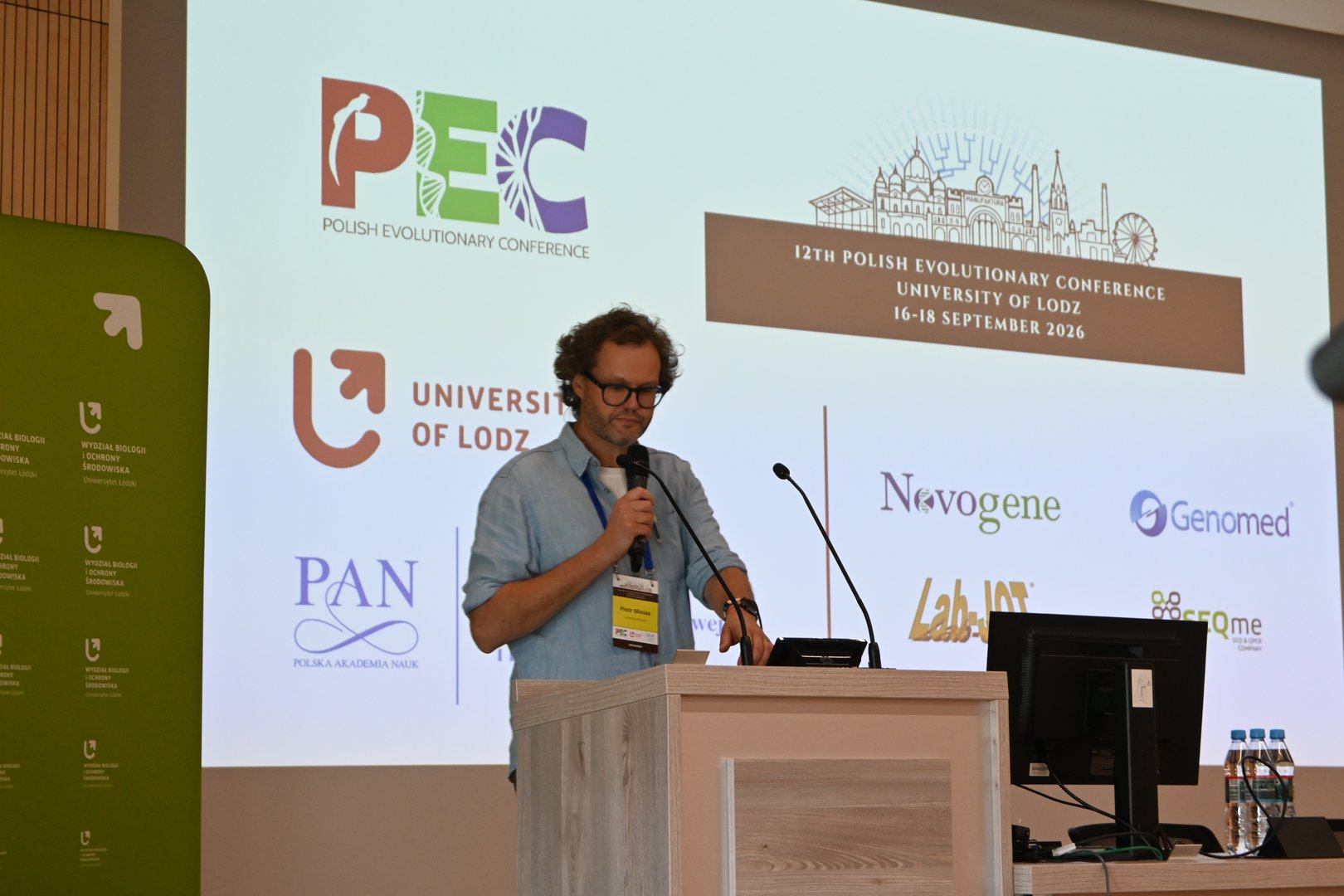
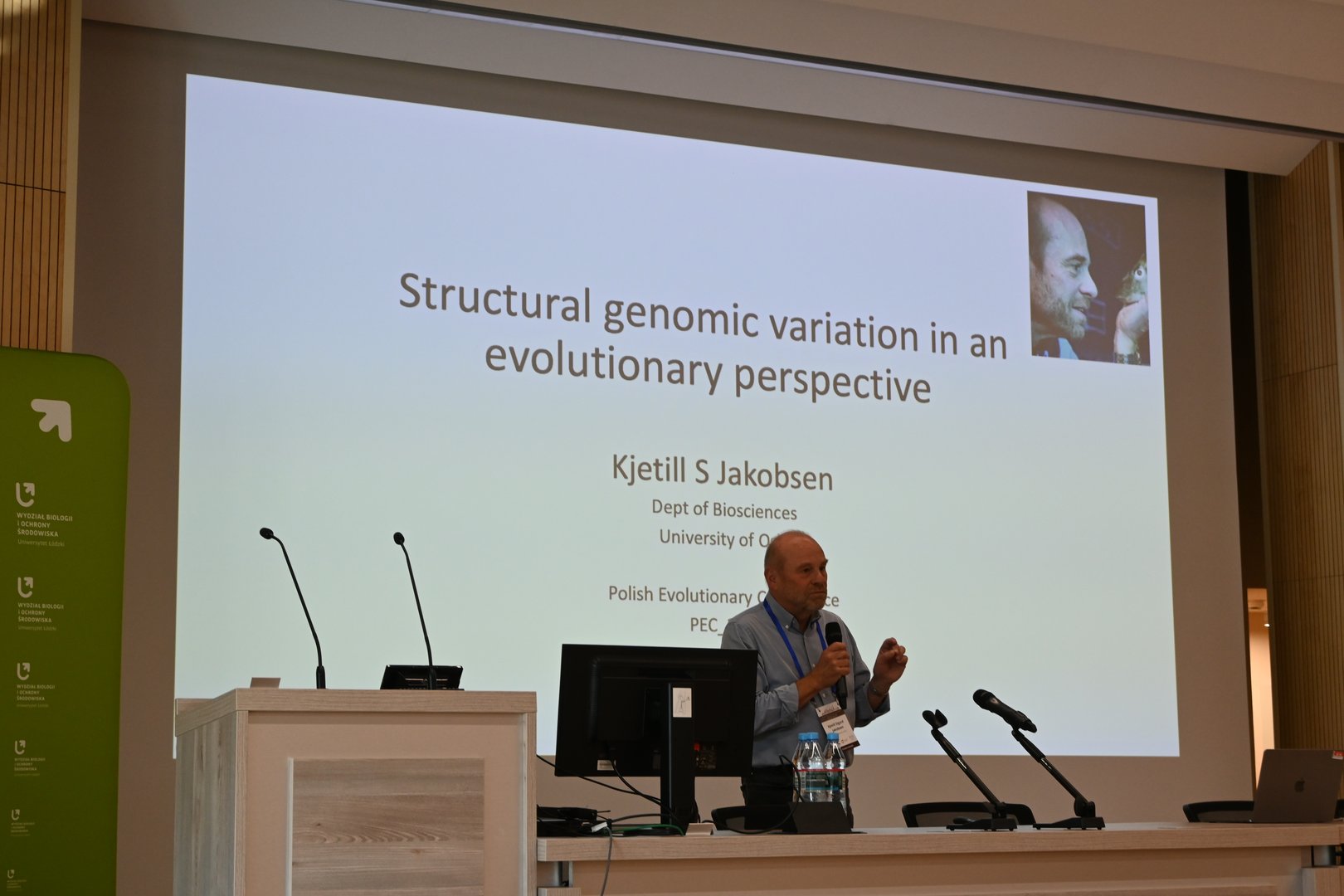
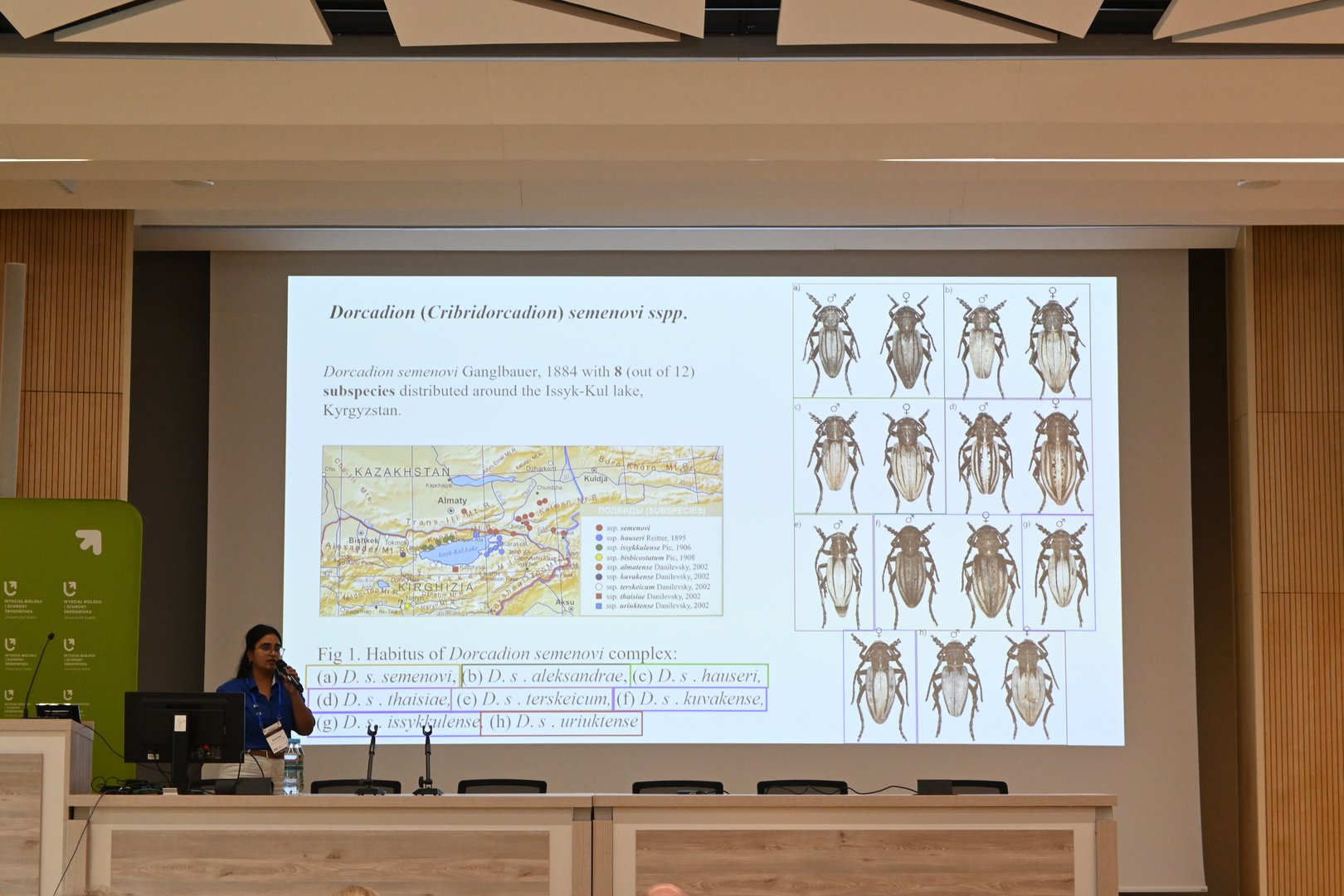
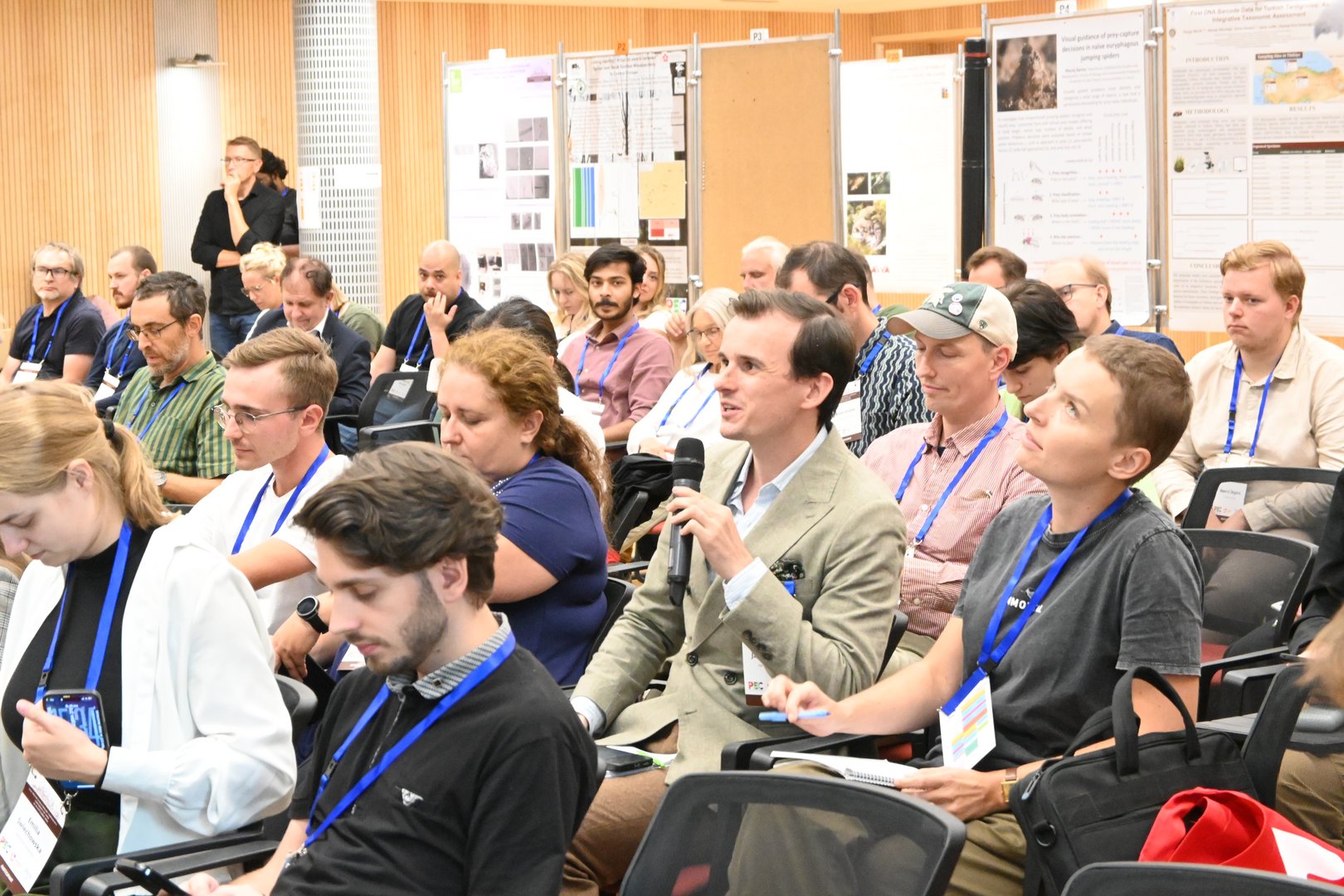
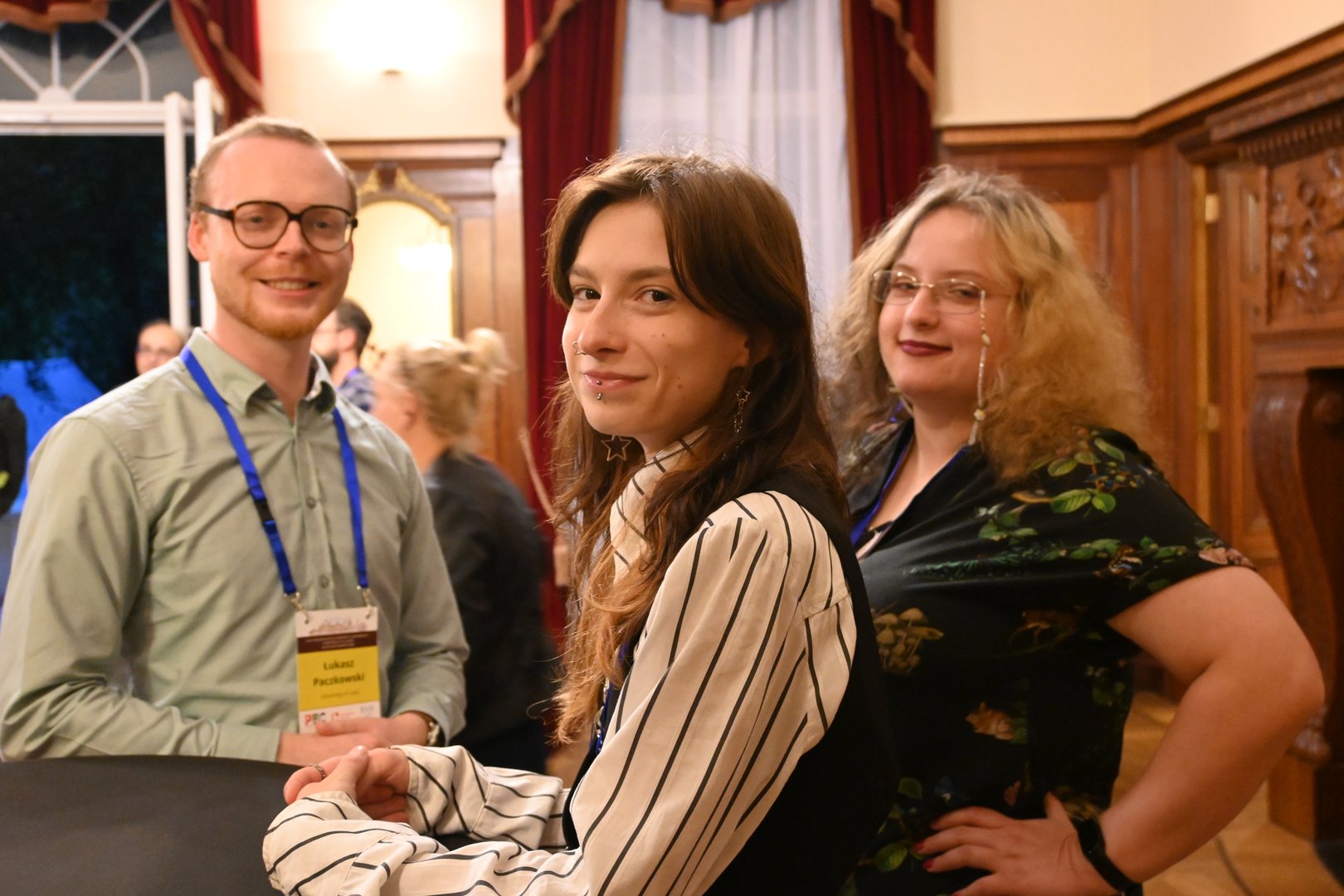
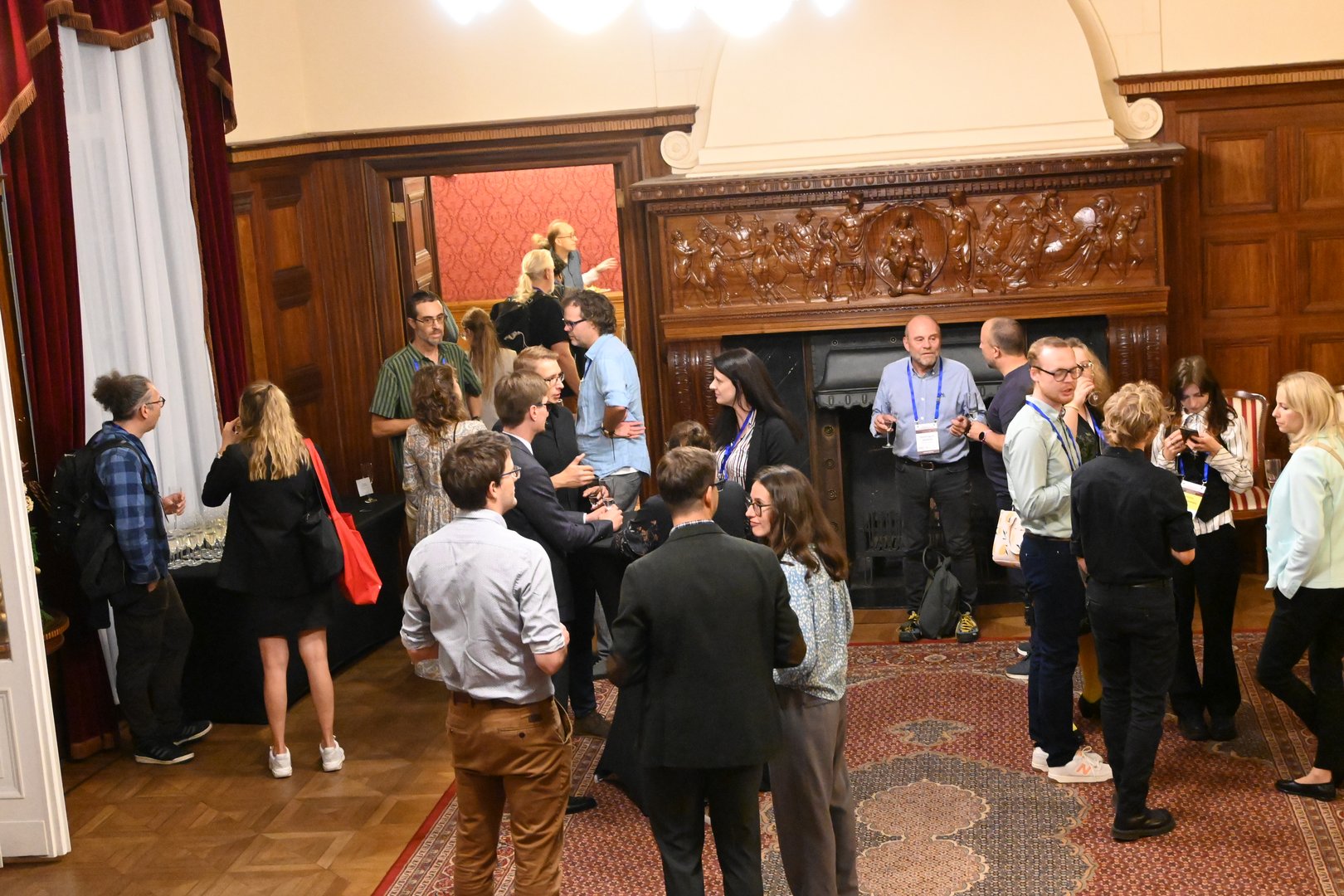
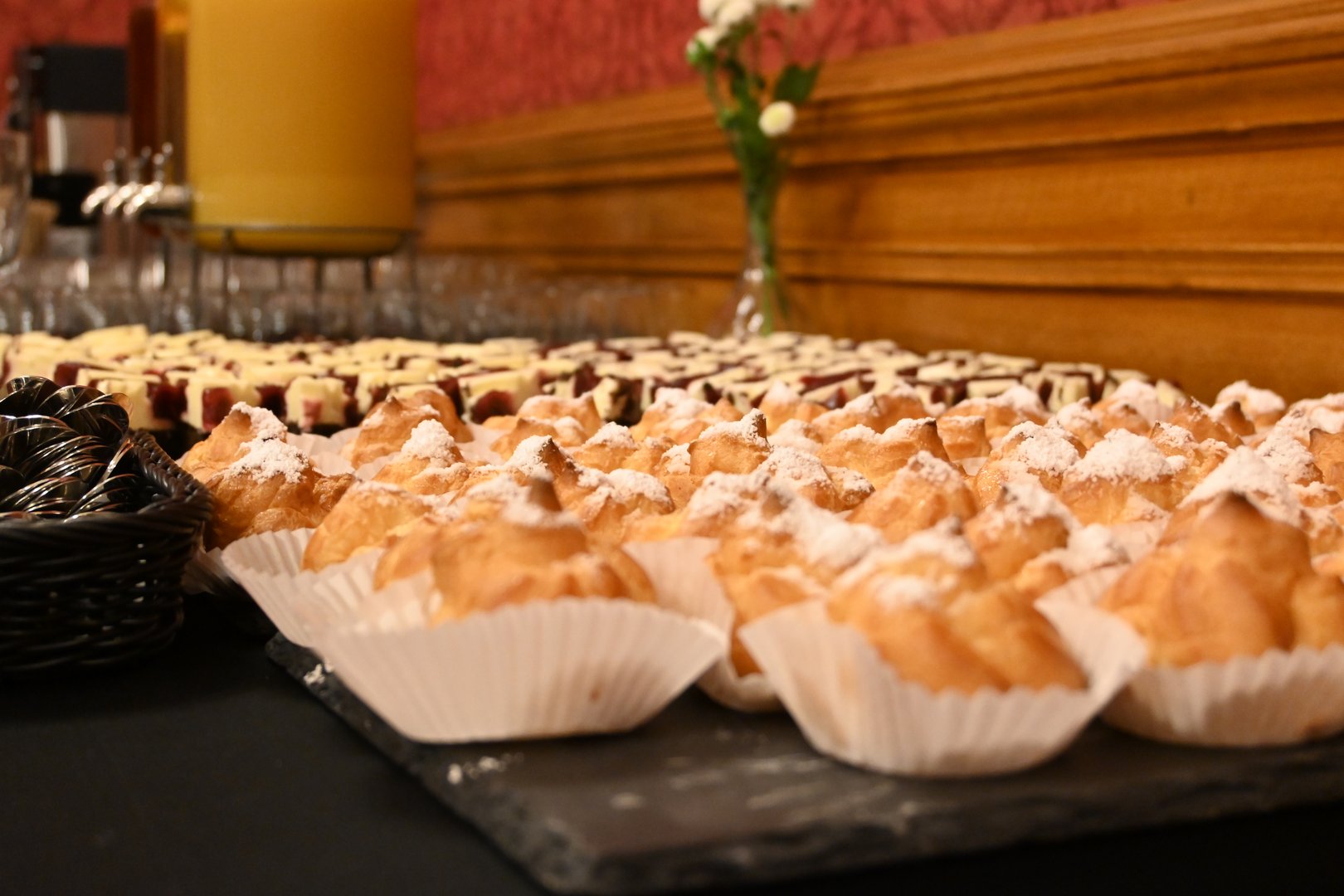
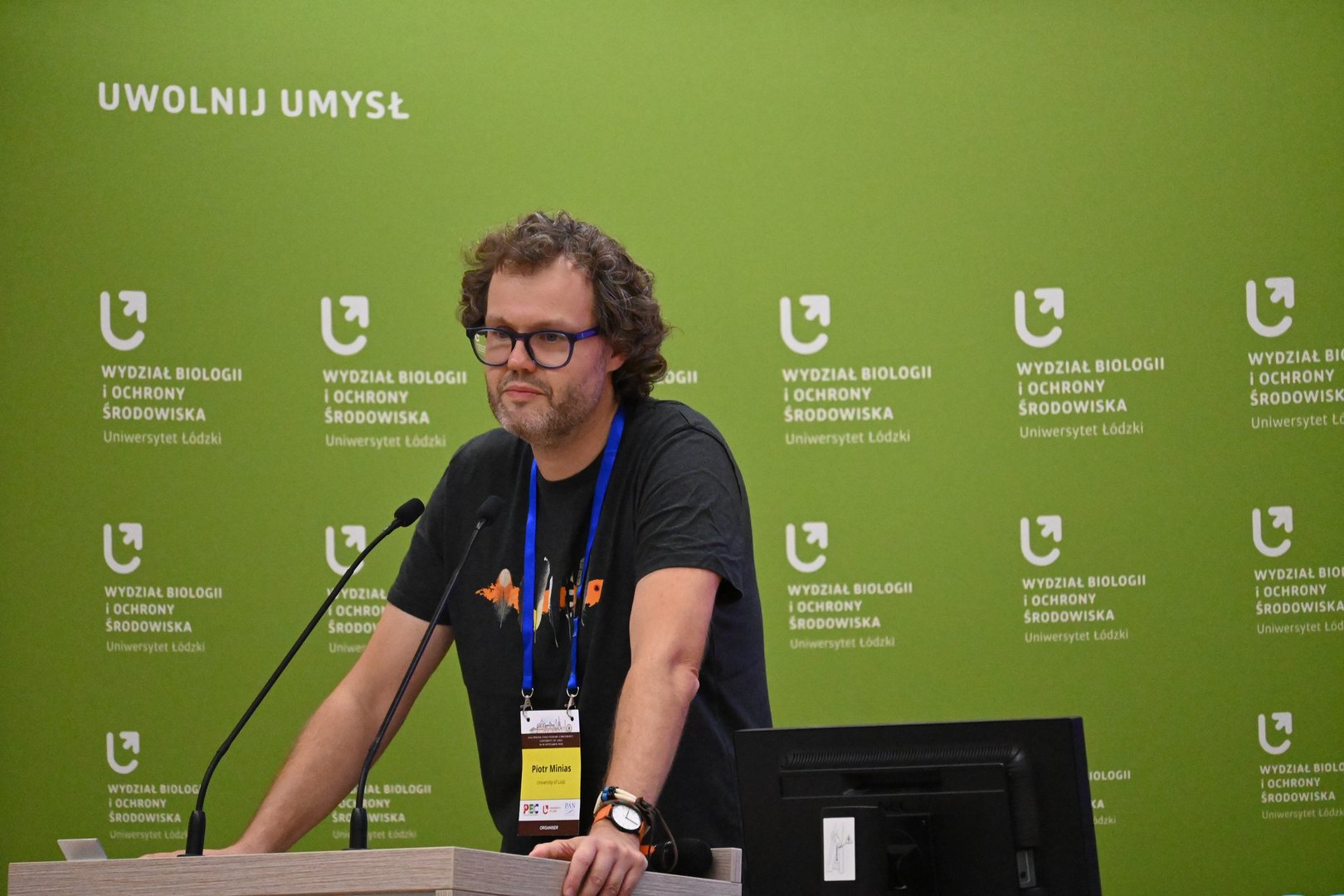
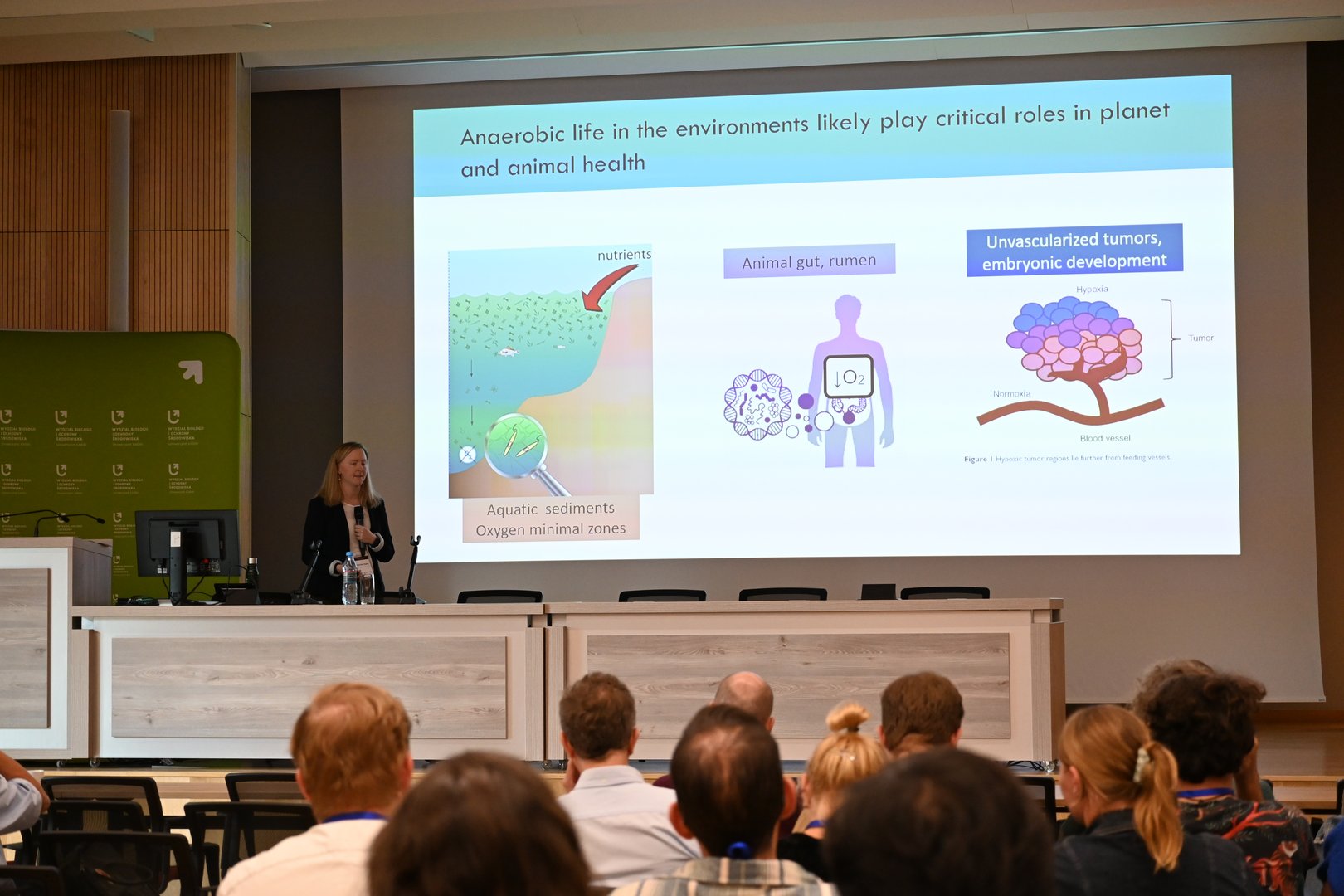
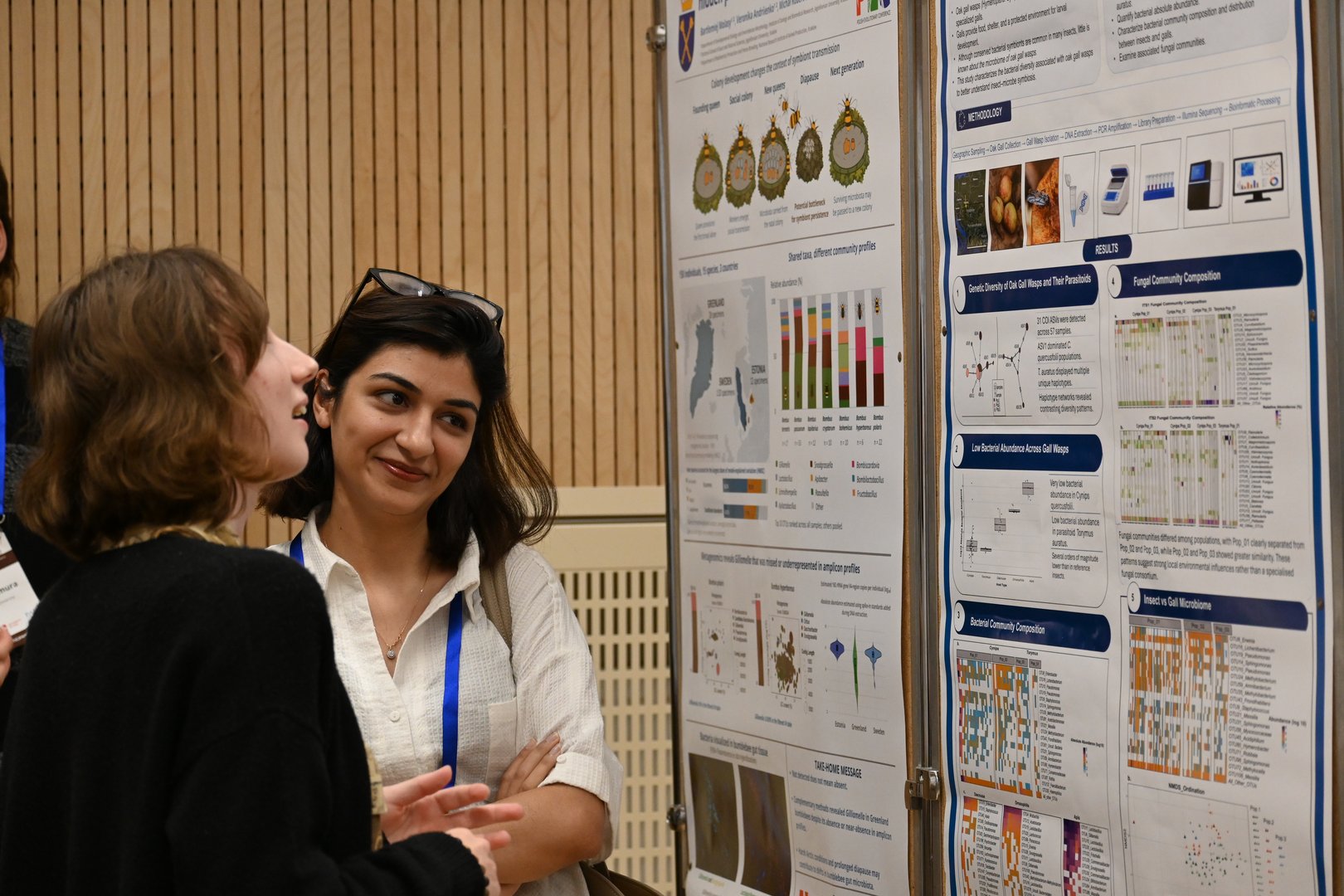
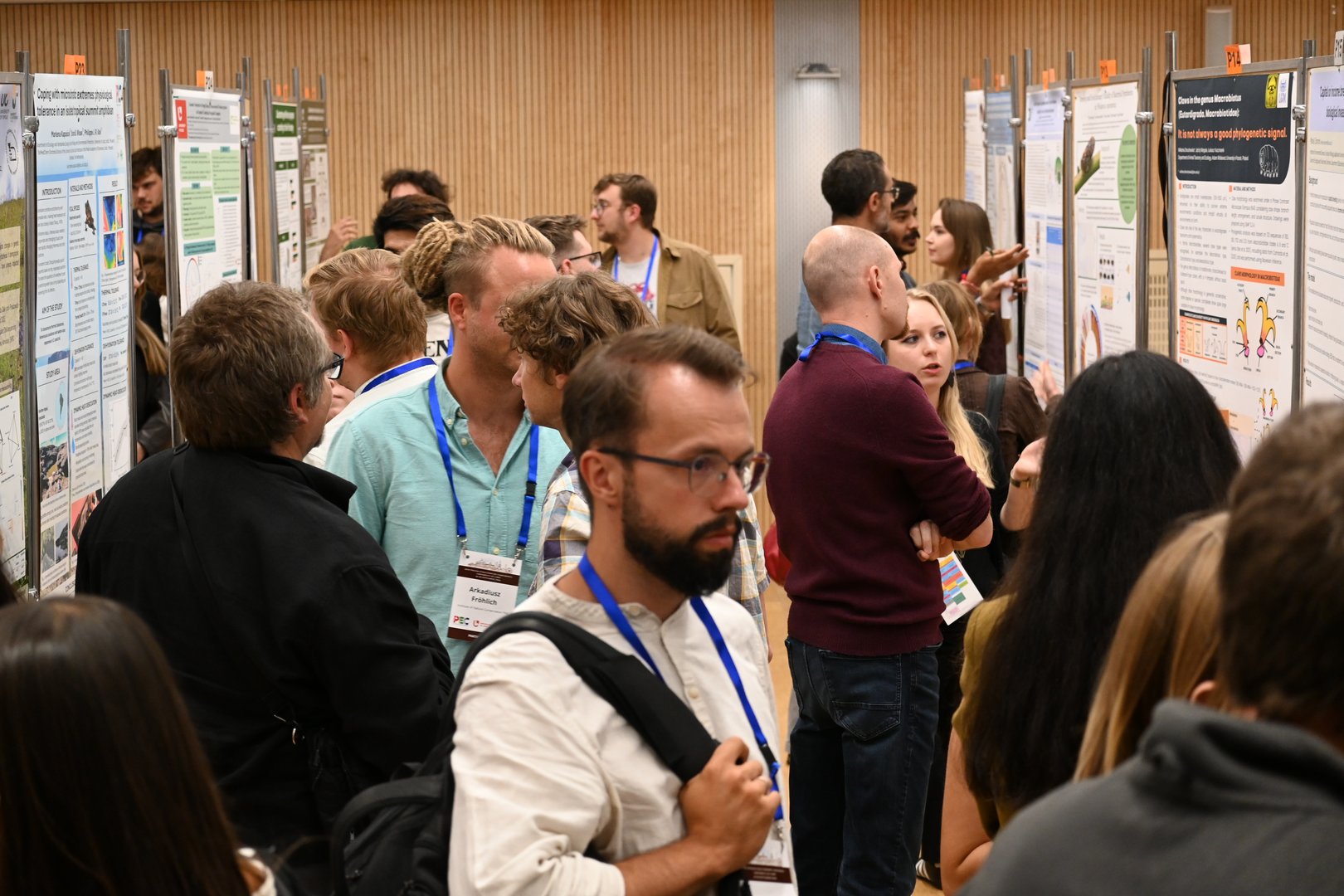
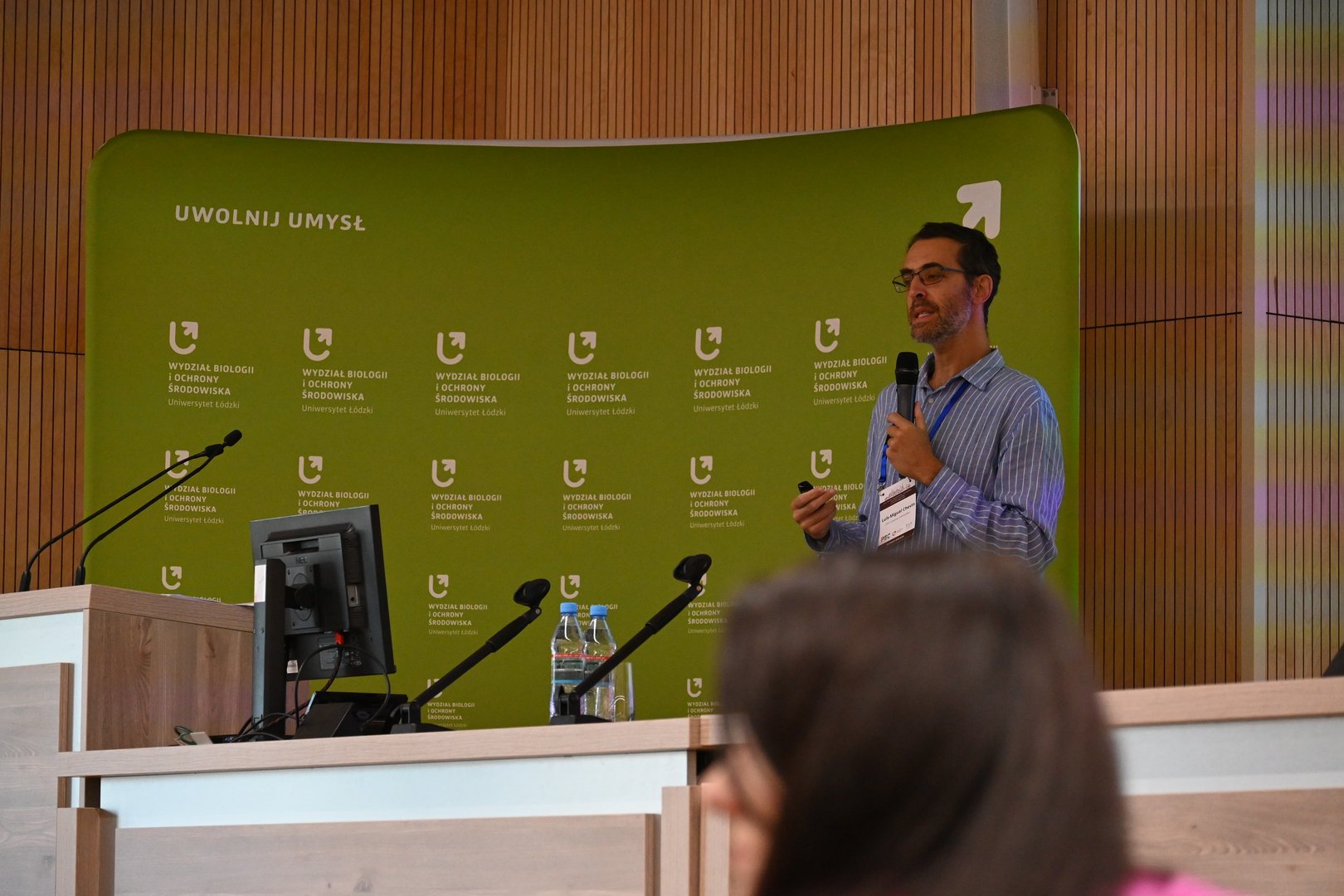
Photo gallery
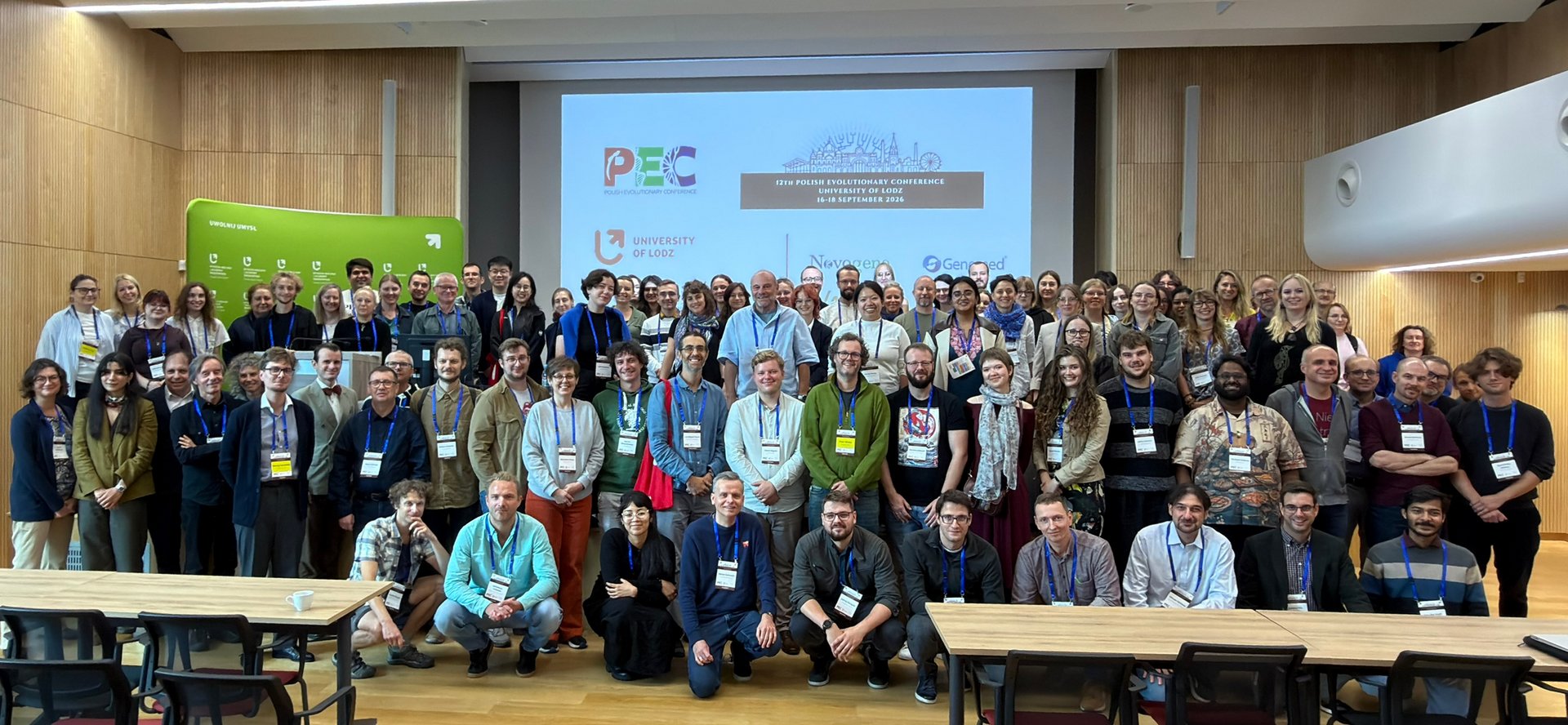
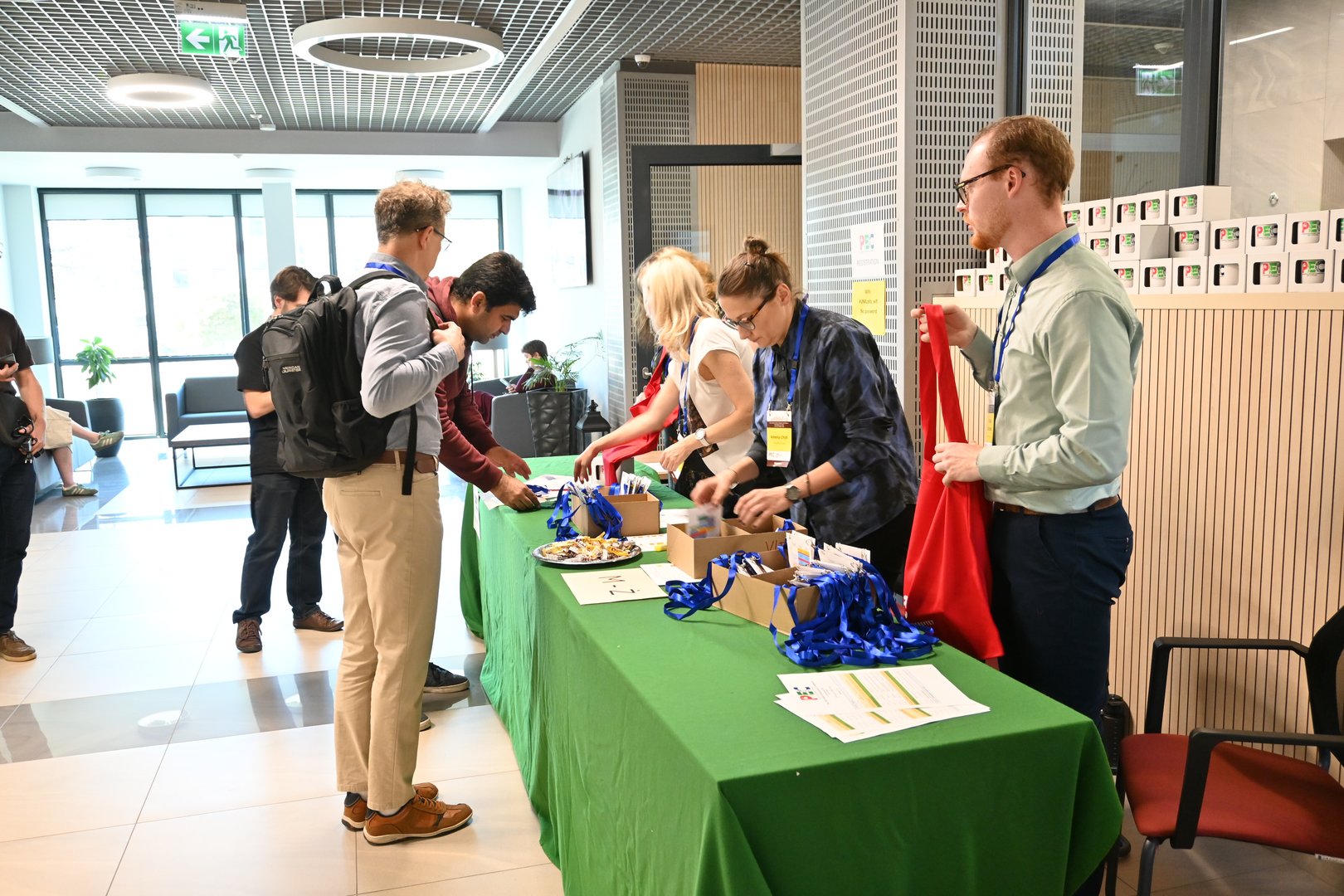
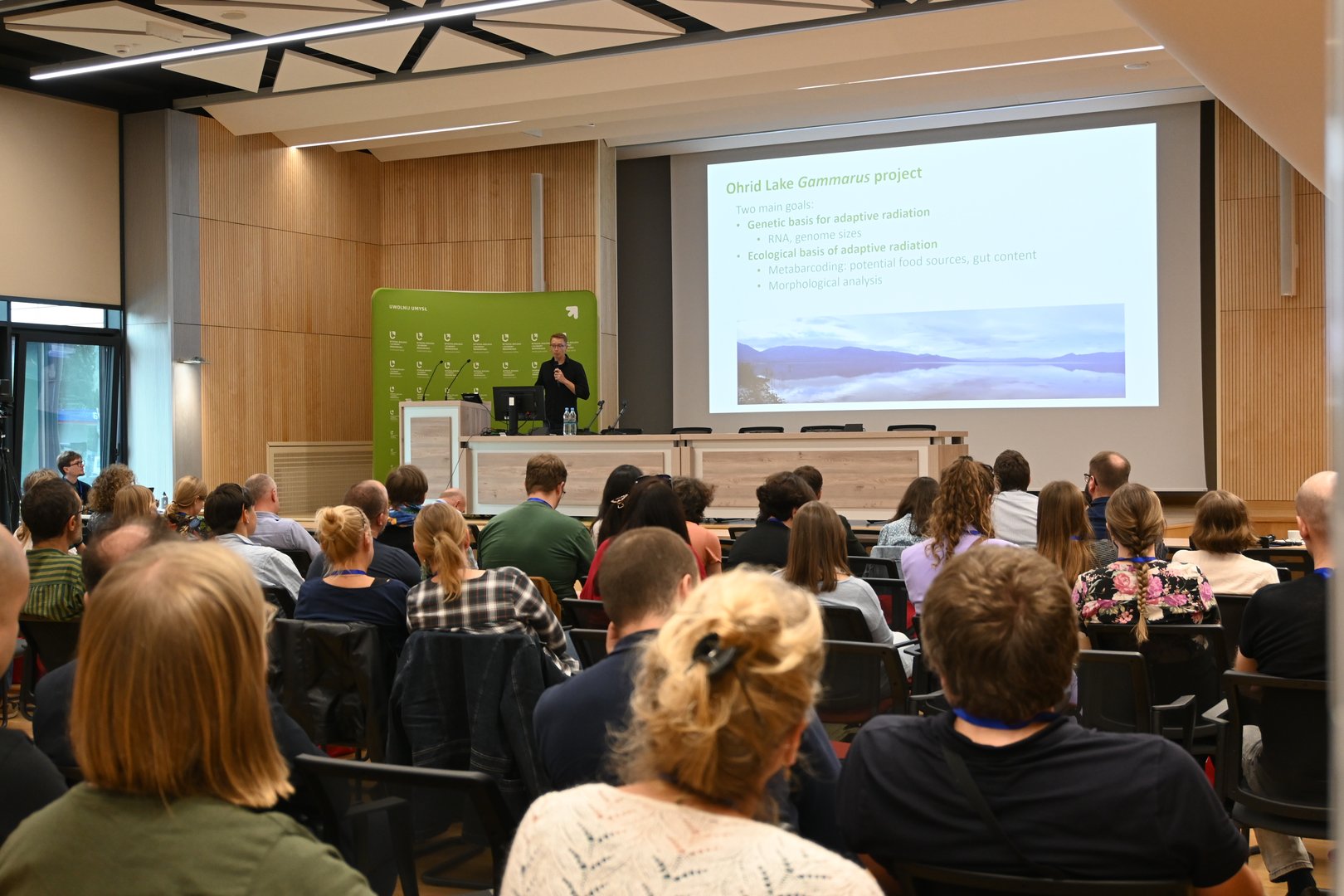
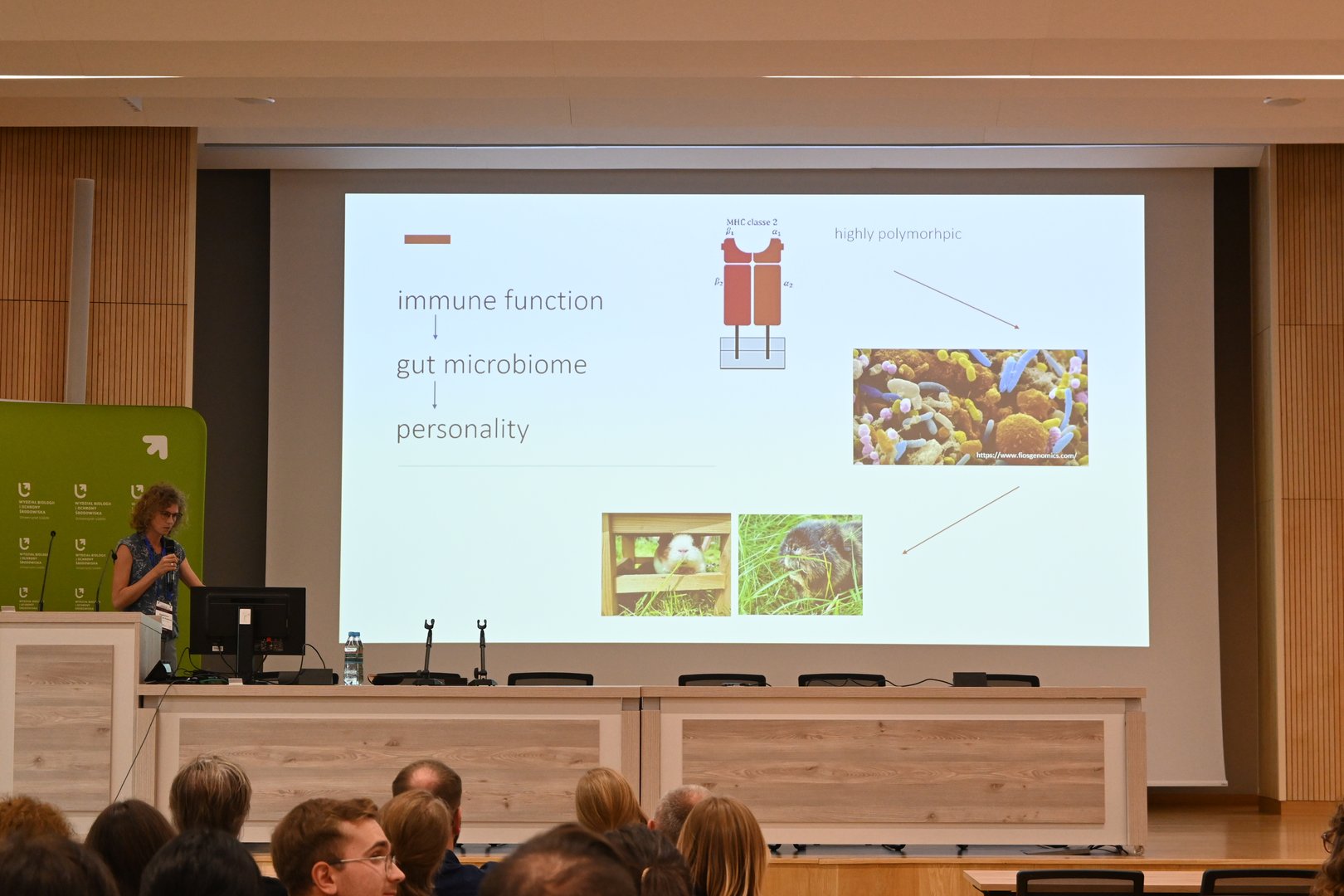
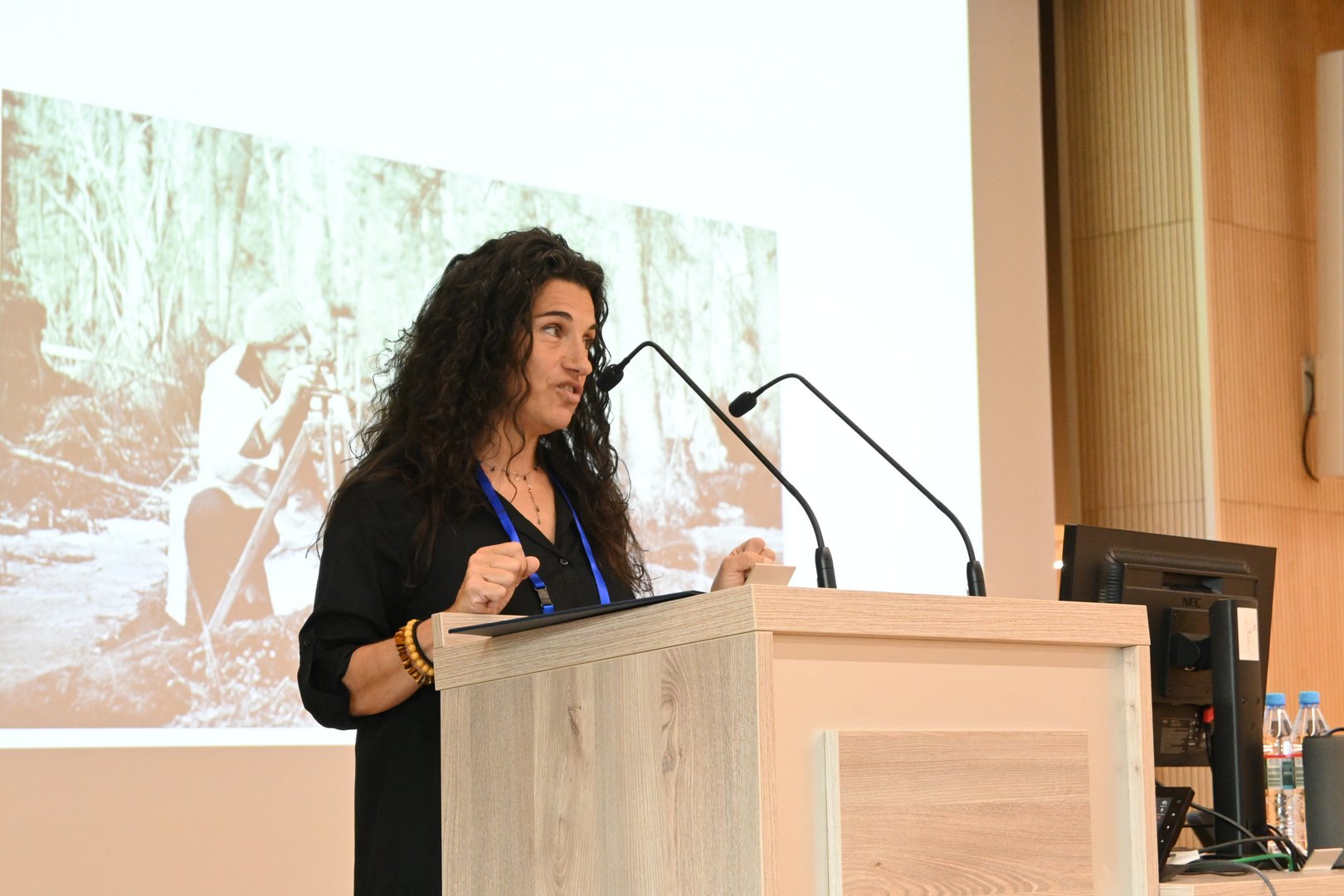
Fot. Maciej Bartos, Katarzyna Baryłko, Łukasz Paczkowski, Julia Badowska, Aleks Sykała and other members of Organizing Committee PEC_2026.
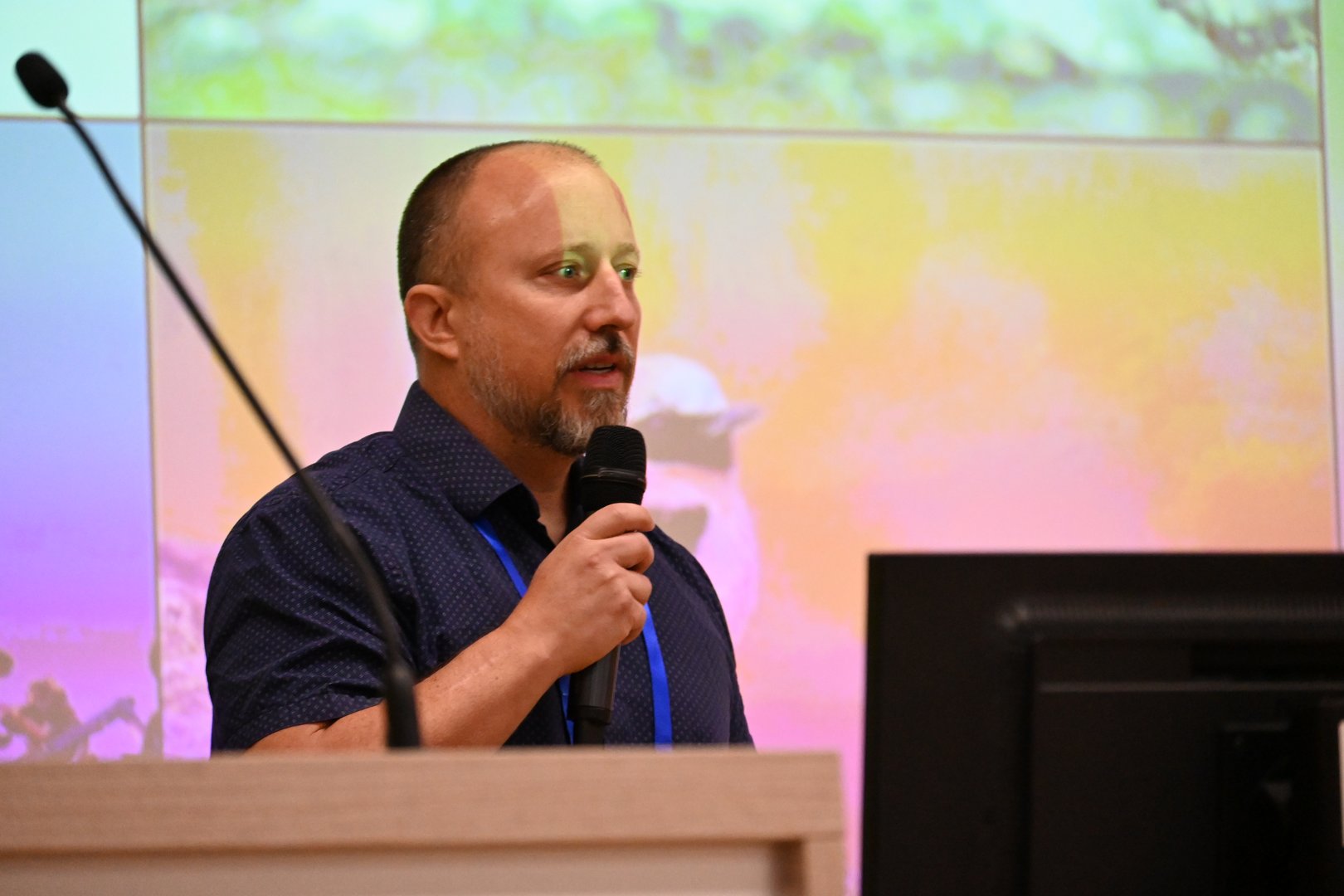
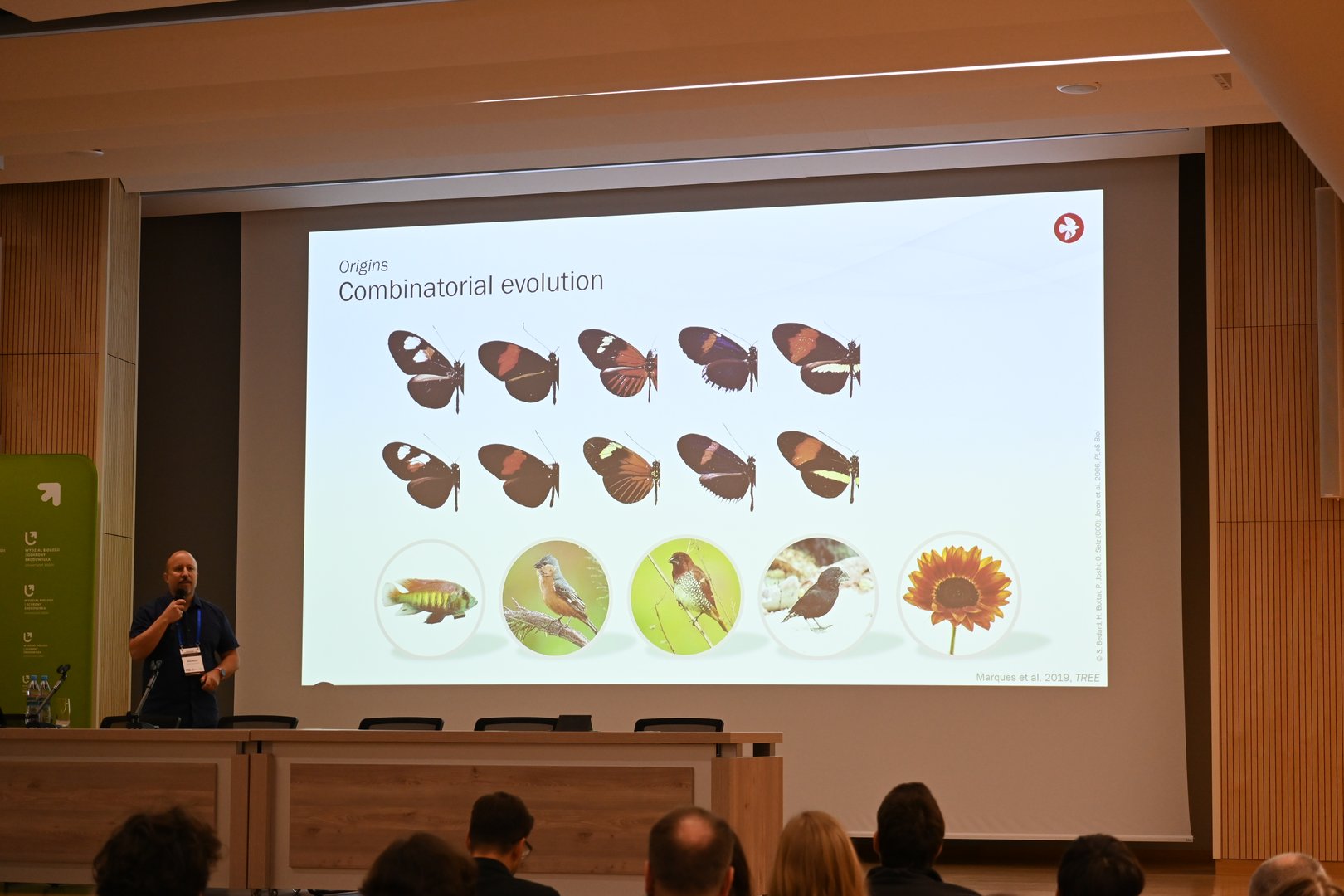
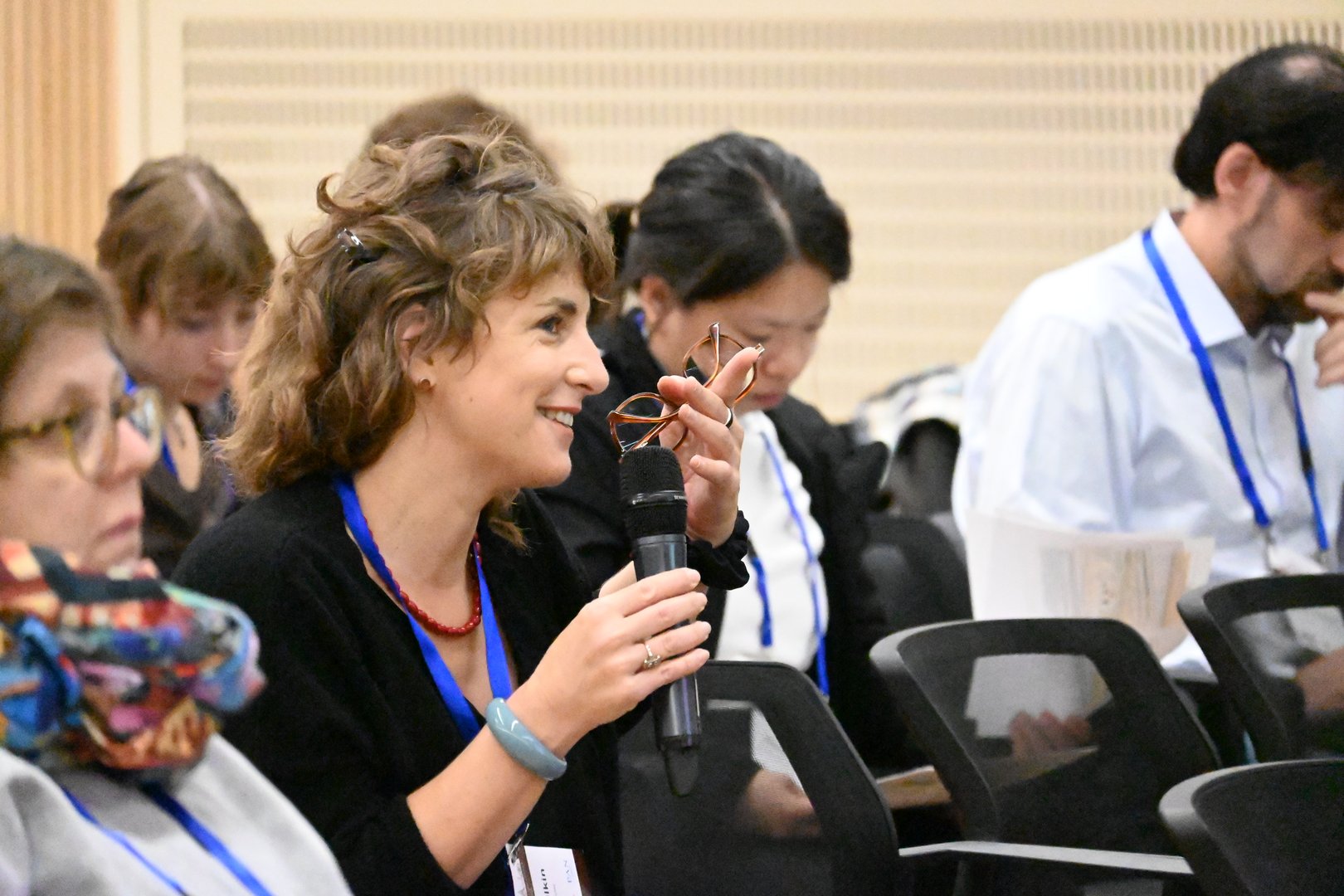
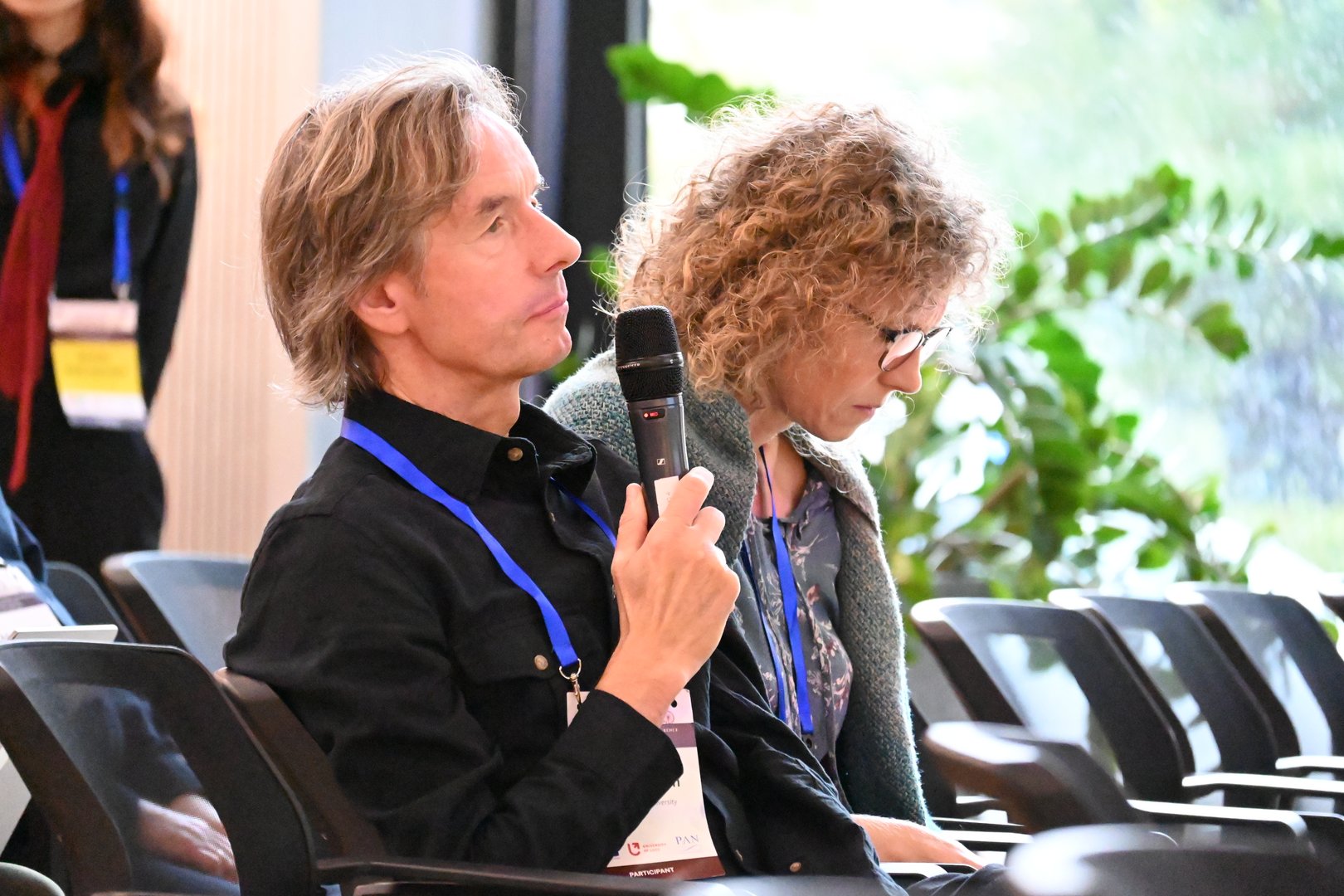
Programme
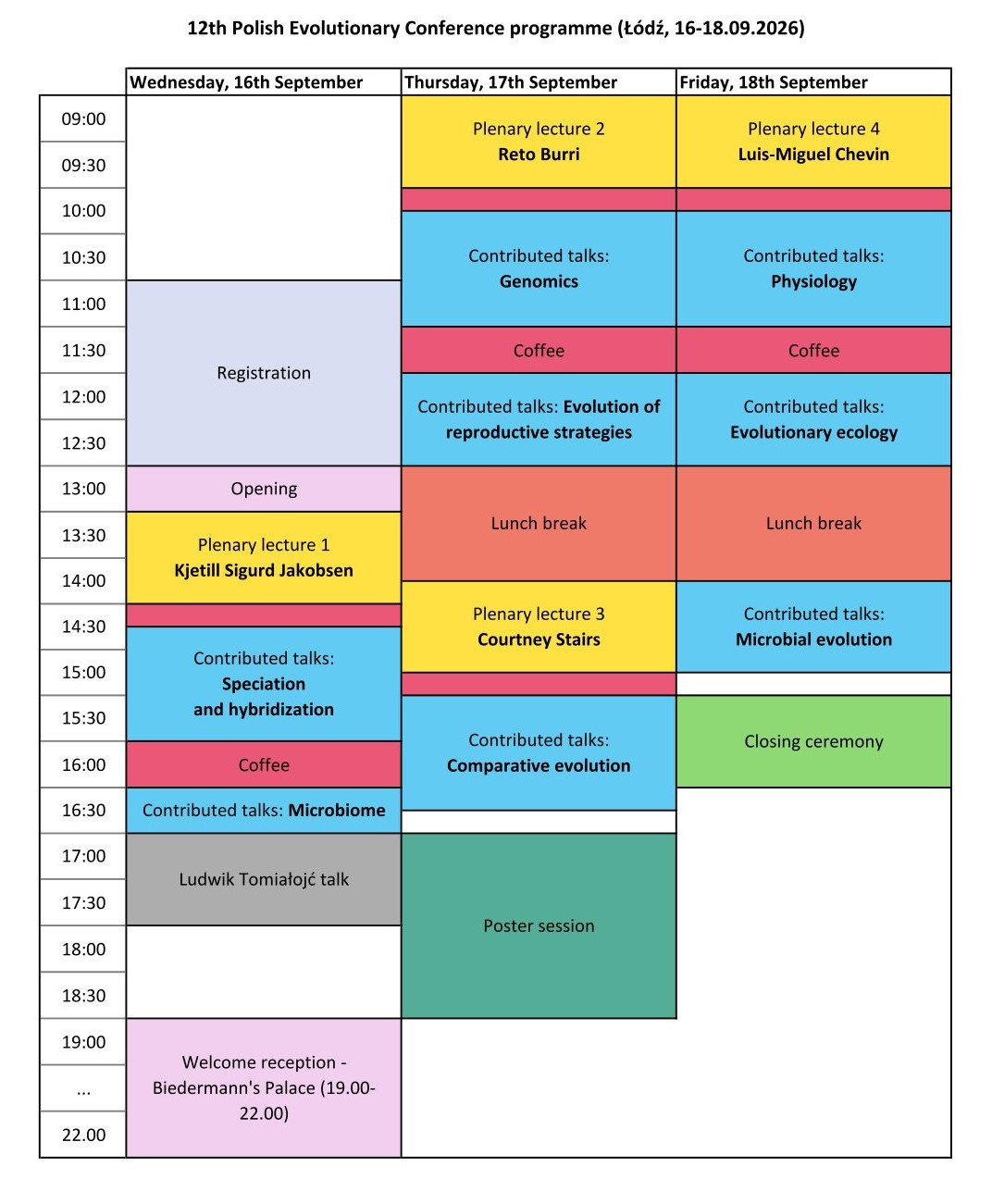
Detailed timetable
Abstract book
For presenters
Oral presentations
Oral presentations are scheduled for 12 minutes, followed by 3 minutes of discussion.
Posters
Poster session will take place on Thursday evening. The recommended poster format is A0, vertically-oriented.
Plenary speakers

Swiss Ornithological Institute, Sempach, Switzerland
Topic: A mosaic of modular variation at a single gene underpins convergent plumage coloration
Research background and interests: I have a longstanding interest in understanding the molecular bases and evolutionary history of phenotypic and species diversity. To this end, my research makes use of large-scale molecular data to study hybridization and adaptation in avian systems.

CEFE, University of Montpellier, CNRS, EPHE, IRD, Montpellier, France
Topic: Adapting to fluctuating and complex environments
Background/research interests: I'm interested in the mechanisms and consequences of adaptation to changing environments. My group works on the genetics basis of adaptation, the evolution of plasticity, and eco-evolutionary dynamics, using a combination of approaches: theory, experimental evolution, and analyses of long-term datasets from natural populations. For our experiments we use the halotolerant microalga Dunaliella salina, which has fascinating mechanisms of salinity tolerance.
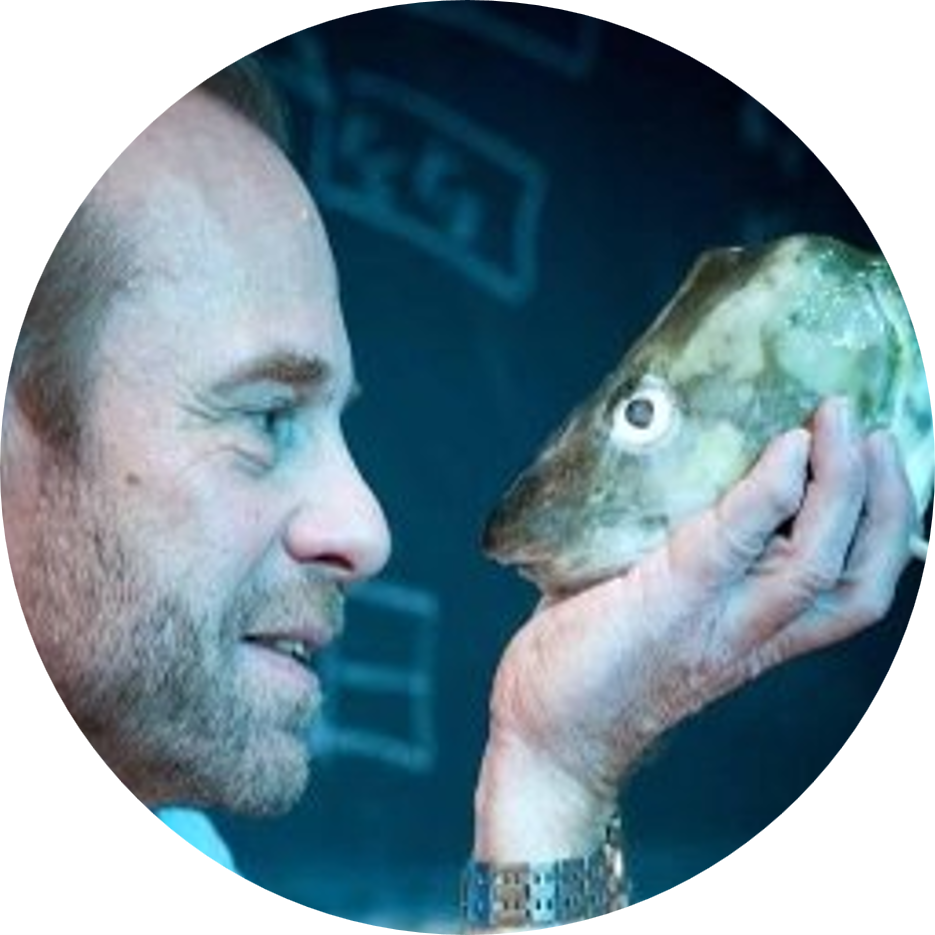
Centre for Ecological and Evolutionary Synthesis (CEES), Dept of Biosciences, University of Oslo, Norway
Topic: Structural genomic variation in an evolutionary perspective
Background/research interests: My research deals with evolutionary genomics - both at the comparative- and population level. A particular interest has been evolution of teleosts (bony fishes), their genome architecture and structural variation in terms of copy number variation, inversions and chromosomal rearrangements. Another focus has been plant evolutionary genomics addressing structural variation in terms of length variation of short tandem repeats and genome architecture effects of hybridisation events. Recently, we have also initiated investigations of bird genomes and their unusual microchromosomes. A large proportion of our current research has been associated with the Earth BioGenome Project (EBP) and European Reference Genome Atlas (ERGA).

Department of Cell and Molecular Biology, Uppsala University, Sweden
Topic: Stealing and dealing: eukaryotic strategies for living without oxygen
Research background and interests: Courtney Stairs explores how microorganisms have evolved to live in anoxic and oxygen-limited environments. Her research focuses on the evolutionary origins and diversification of this anaerobic metabolism in microbial eukaryotes - also known as protists - using a combination of comparative genomics, cell biology, and microbiology.
Registration
The registration is closed.
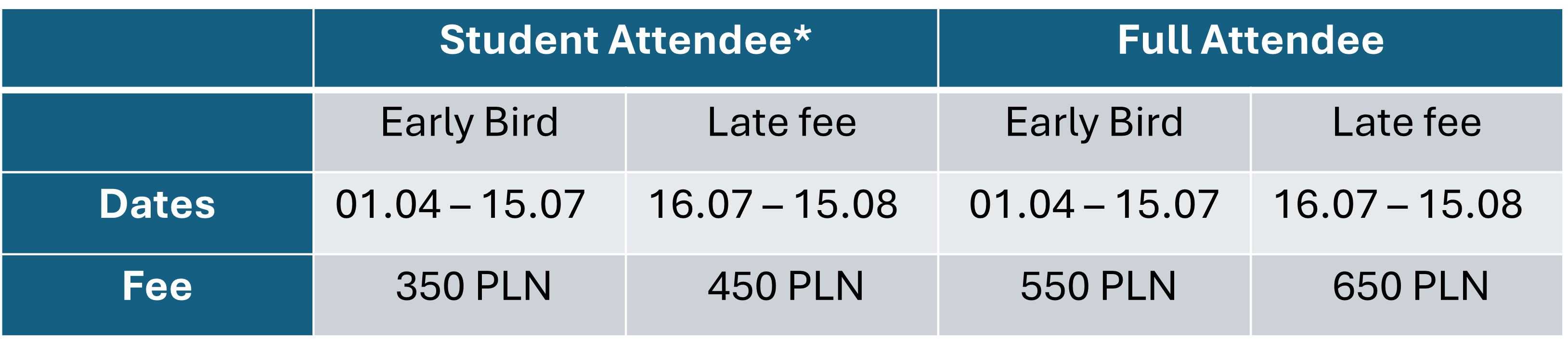
* bachelor/master/PhD students
BANK TRANSFER
- Bank account number (Bank Pekao): 18 1240 3028 1111 0011 6382 9969
- Please indicate your name/surname and type of registration (Early/Late Student/Full) in the title of bank transfer: PEC_2026_(name)_(surname)_(type of registration)
- Please make the payment within two weeks from registration.
Practical info
VENUE
PEC_2026 will take place at the Conference Center of University of Lodz (ul. Stefana Kopcińskiego 16/18, 90-232 Lodz). Parking will be available for participants at the Conference Center area (limited number of spaces).
GETTING THERE
PUBLIC TRANSPORT
The most convenient way to reach the conference venue is by public transport (MPK Łódź).
The nearest stops to the venue are:
- Narutowicza / Kopcińskiego – tram lines: 1, 2, 3, 4, 5, 6, 8, 9, 10A, 10B, 12, 14, 16, 18
- Kopcińskiego / Rondo Solidarności – bus lines: 60A, 60B, 60C, 60D, 70
- Pomorska / Matejki – tram lines: 1, 3, 4, 5, 15, 16, 17, 45; bus lines: 54A, 54B, 87A, 87B
All stops are located within a few minutes’ walk from the conference venue.
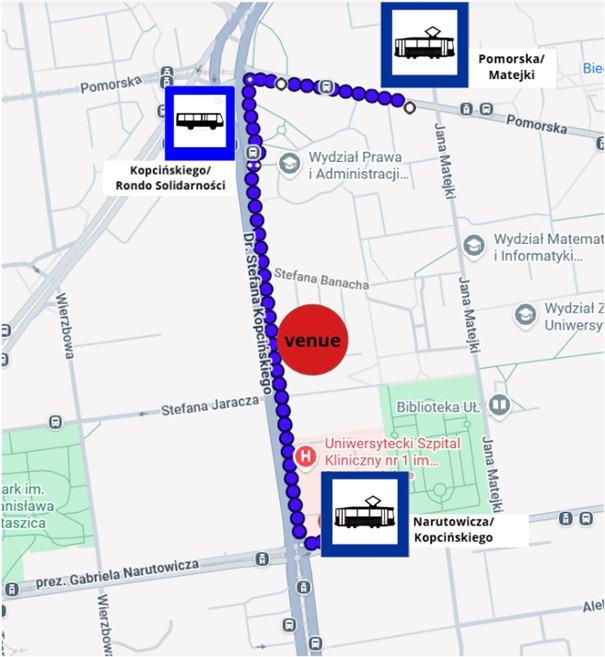
Tram connections form railway stations:
- From Łódź Fabryczna railway station – tram lines 12 or 18 (or 20 min walk)
- From Łódź Widzew railway station – tram line 9
- From Łódź Kaliska railway station – tram lines 12 or 18
TICKETS
Public transport tickets in Łódź can be purchased:
- from ticket machines located at selected stops
- from onboard ticket machines (payment by card or BLIK available)
- via mobile apps (e.g. jakdojade, mPay, SkyCash, banking apps)
You may consider purchasing time-based tickets or 24-hour tickets.
ACCOMMODATION
The conference organizing committee does not provide accommodation. Participants are responsible for arranging their own lodging.
There are numerous accommodation options available the venue, including hotels and short-term rental apartments.
Examples of nearby options:
- Arche Residence Łódź (Matejki 11, 91-402 Łódź)
- Ibis Łódź Centrum (Piłsudskiego 11, 90-368 Łódź)
- various apartments available via booking platforms
University of Łódź Dormitories
It is also possible to stay in University of Łódź dormitories (~150 PLN per night).
- a limited number of places has been reserved for conference participants
- reservations must be made individually by participants
- to book a room, please contact the dormitory administration directly and mention that you are attending PEC_2026
- Contact details: tel. +48 42 66 55 338, e-mail: noclegids@uni.lodz.pl
- The administration will provide information on availability and booking procedures.
Welcome reception at Bidermann's Palace
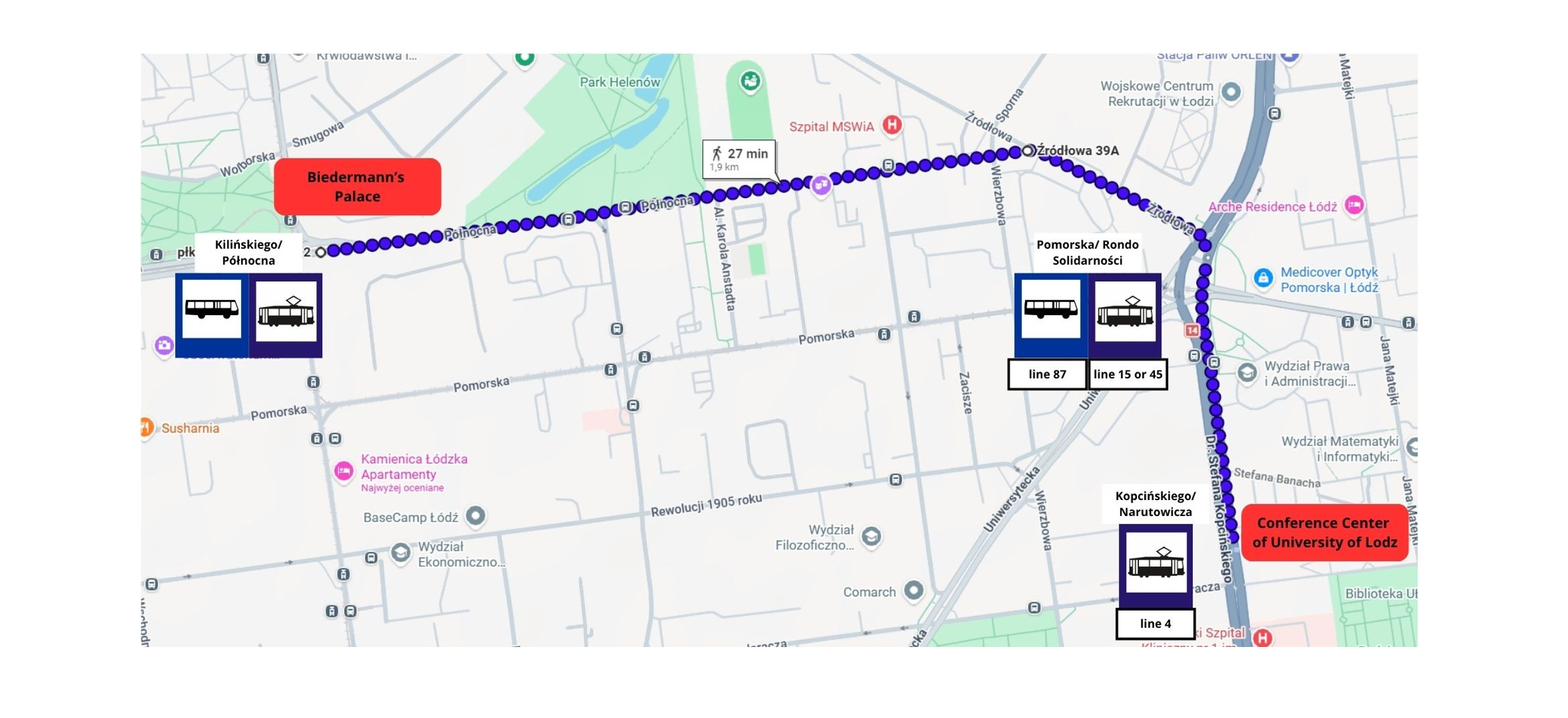
The welcome reception will take place on Wednesday evening (starting at 7:00 PM) at the historic Bidermann's Palace.
The Palace is located at the corner of Franciszkańska and Północna Streets. You can reach the Palace from the Conference Center on foot (an approximately 30-minute walk) or by taking tram line 4, 15, 45 or bus line 87 (see the map). Guest parking is available on the premises (limited spaces).
Important note: Please enter the palace grounds via the gate on Północna Street, as Franciszkańska Street is currently undergoing renovation.
All conference participants are welcome to join the reception!
Ludwik Tomiałojć Medal
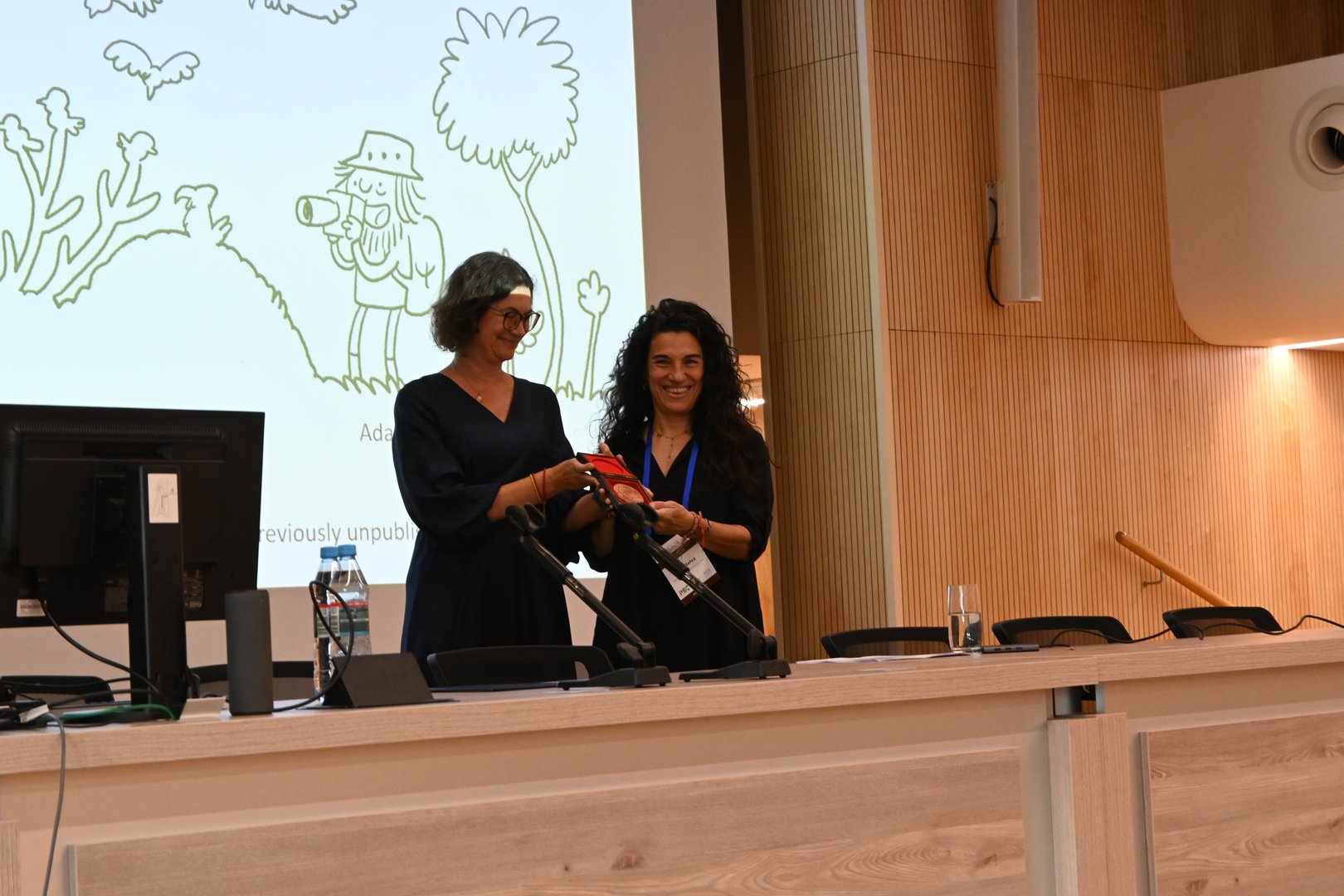
In 2026, the Ludwik Tomiałojć Medal received dr hab. Nuria Selva Fernandez, prof. IOP PAN. Congratulations!
The Ludwik Tomiałojć Medal is an award granted by the Committee on Environmental and Evolutionary Biology of the Polish Academy of Sciences to researchers whose contributions to the exploration and conservation of biodiversity in Poland have had a significant impact. The award was established in honor of the Polish ornithologist, Professor Ludwik Tomiałojć (1939–2020). It particularly highlights achievements in development of citizen science and environmental education. In previous years, recipients of the Ludwik Tomiałojć Medal were: Paweł Pawlaczyk (in 2023) and dr hab. Sabina Pierużek-Nowak, prof. UW (in 2025).
Sponsors


Organisers
Institutions:
The Committee of Environmental and Evolutionary Biology, Polish Academy of Sciences
Faculty of Biology and Environmental Protection, University of Lodz
Scientific Committee:
prof. dr hab. Jerzy Bańbura, UŁ
dr hab. Maciej Bartos, prof. UŁ
dr Dagmara Błońska, UŁ
prof. dr hab. Michał Grabowski, UŁ
dr hab. Magdalena Herdegen-Radwan, UAM
dr hab. Marcin Kiedrzyński, prof. UŁ
dr hab. Piotr Łukasik, UJ
prof. dr hab. Piotr Minias, UŁ
dr hab. Michał Żmihorski, prof. IBS PAN
Chairman: prof. dr hab. Piotr Minias
Organising Committee:
prof. dr hab. Piotr Minias
dr hab. Radosław Włodarczyk, prof. UŁ
dr Amelia Chyb
dr Joanna Drzewińska-Chańko
dr Maciej Kamiński
mgr Sergiusz Jeziorski
mgr Aleksandra Lewandowska
mgr Weronika Pietrzak
mgr Aleks Sykała
Contact
pec2026@biol.uni.lodz.pl
Department of Biodiversity Studies and Bioeducation
Faculty of Biology and Environmental Protection
University of Lodz
Banacha 1/3
90-237 Łódź
Poland
ul. Narutowicza 68, 90-136 Łódź
NIP: 724 000 32 43
Adres do doręczeń elektronicznych (ADE): AE:PL-74796-17640-IHHIV-17
KONTAKT