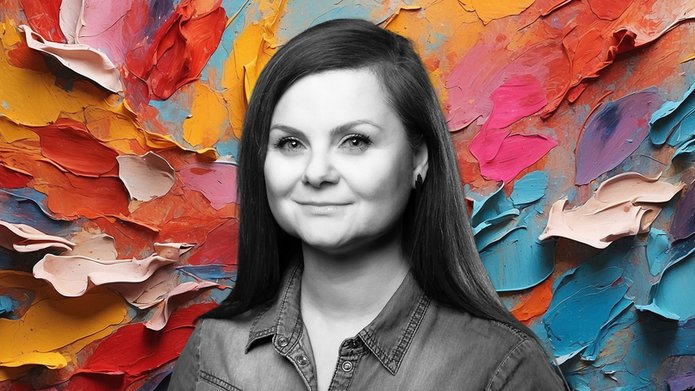






![[Translate to English:] Dr Karolina Rudnicka na tle kolorowej różnorodność mikroorganizmów wewnątrz płytki Petriego. Wygenerowane za pomocą sztucznej inteligencji.](/fileadmin/_processed_/1/0/csm_9x4_II_www_science_inspires_k_rudnicka_logo_d20477a630.jpg)


"The significance of science lies not so much in satisfying curiosity and fine-tuning intellects; nor does it lie in its affinity with art in shaping refinement to the effect that both are frequently mentioned in the same breath, though not directly comparable in repute. 'The significance of science lies in being the essential and indispensable grooming of the resourceful household and the technology at its disposal, providing the protection against illness and premature demise, and the defence against social threats, in particular against the failure to lead an honourable existence".
Prof. Tadeusz Kotarbiński
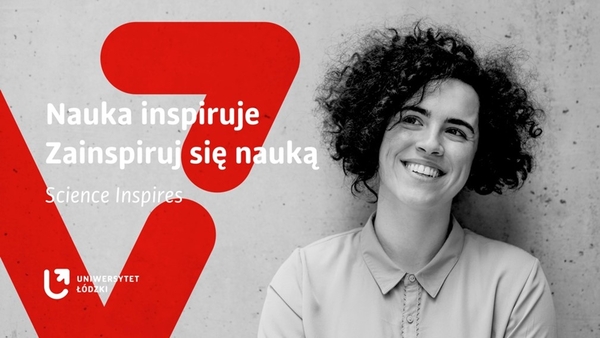
"Science Inspires" is an initiative whose objective is to present and promote science and its impact on society. We want to inspire and encourage interest in science by presenting inspiring people, research and activities that have a significant impact on the surrounding us reality.
As part of the campaign, various activities are planned, which consist in the transfer of knowledge in an accessible and interesting way and present the profiles of scientists who are characterised by an inexhaustible desire to deepen knowledge and share it with the society.
Our activities include, among other things, video productions, popular science texts presenting research processes and their results but also talking about the tedious, challenging and failure-prone nature of scientific work. "Science Inspires" is also a presentation of the profiles of scientists from the University of Lodz that focuses on the motivations for choosing the profession of a scientist and the impact of research work on the environment.
Our goal is to stimulate curiosity and interest in science, as well as to emphasise its importance for society and the development of civilisation.


![[Translate to English:] Dr Karolina Rudnicka na tle kolorowej różnorodność mikroorganizmów wewnątrz płytki Petriego. Wygenerowane za pomocą sztucznej inteligencji.](/fileadmin/_processed_/1/0/csm_9x4_II_www_science_inspires_k_rudnicka_logo_d20477a630.jpg)


Nauka Inspiruje [Science Inspires] YouTube channel is a place where science reveals its most interesting aspects.
Scientists explaining the reality that surrounds us in a simple way and fascinating facts that will allow you to look at the world from a completely new perspective – that is what the channel is about.


![[Translate to English:] Widok dłoni chorego na MPD w nienaturalnym wygięciu](/fileadmin/_processed_/1/5/csm_9x4_www_mpd_245309d84c.jpg)



![[Translate to English:] Dr P. Kok na tle monumentalnego płaskowyżu wyrastającego z dżungli](/fileadmin/_processed_/6/8/csm_9x4_www_science_inspires_kok_aa33ed72be.jpg)


Deconstruction of the motto of the University of Lodz "Veritas et Libertas" allows us to distinguish two slogans that remain in constant interdependence. They define and condition the scope of our activities: "truth" defining the goal of our activities and "freedom" enabling its realisation.
Truth which is an honest, "good job", supported by the freedom to conduct research leads us to the notion of knowledge being one of the pillars of our university's activities. Knowledge allows us to continue to develop and is manifested not only in technological and economic progress, but also in the social and cultural transformations that build our identity.
Thus, what is science in this context? We see it as the basis for the improvement and evolution of knowledge – its continuous development, supported by responsible and committed work, by a "good job".
The basis of science that motivates further action, opens minds and thus enables development that defines it, is "inspiration" in its broadest sense. It is seen not only in terms of source, but also in terms of effect: inspiration allows to create science, while also being its goal – inspiring communities to change and act, backed by a professional and reliable knowledge base.
These relationships lead to simple definitions and dependence of the presented concepts: Knowledge is information. Science is the continuous development of knowledge. Inspiration, in turn, is the driving force behind this development.
Only for ourselves, for our own pleasure?
When focusing on today's societal challenges and defining the role of universities in them, we have inaugurated the project "Science Inspires – Get Inspired by Science". Its goal is to share knowledge as a source of inspiration, both scientific and as a basis for our daily actions and decisions.
The two-pronged activities, brought together under the banner – a play of the words "science" and "inspiration", are addressed to the broader community of UniLodz. They are addressed to students, doctoral students and friends of the University of Lodz, encouraging them to develop and take actions inspired by reliable knowledge, supported by research and scientific work, as well as to the scientists themselves. The scientists who make up our university, drawing their attention to the constant need for development and seeking sources of inspiration, which is the basis of a 'good job', and often verification of their actions, conclusions and research directions.
Written firmly into the nature of the University of Lodz, commitment inspires responsible research that shapes the basis for sustainable development and engages the community. Our actions are characterised by persistence in making a conscious effort that will result in better living conditions for the future generations also through the dissemination and verification of widely available knowledge.
Visual identity for the activities
The form of the project, which aims at bringing together different types of activities based on the transfer of inspirational knowledge, raises the need for elaboration of a common visual key allowing to identify them. Given that the project focuses on the pillars of the university's activity, it is unjustified to create a separate sign – a logotype but only a symbol, in graphic terms, that would link all the materials in a visual dimension.
Slogans: truth, freedom, knowledge, research, science and inspiration constitute the basis and inspiration for the created sign – a pictogram. Based on them, as in the case of the graphic forms created for the purpose of visual identification of the University of Lodz's values defined in the 2021-2030 strategy, another symbol has been included in the university's visual identity system. It is a pictogram referring both to the institution's logotype itself and to its motto.

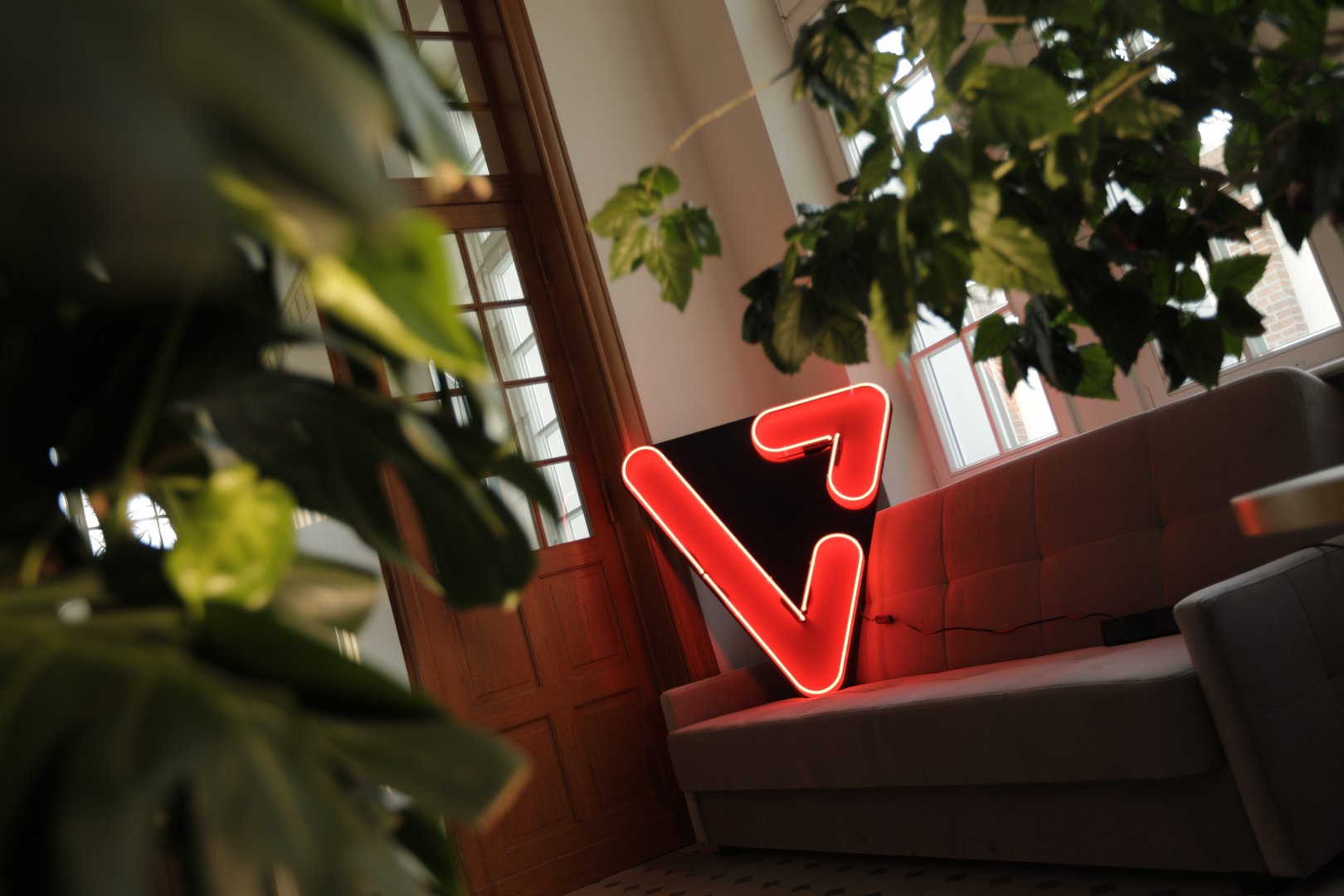
The form of the pictogram is reminiscent of the mark from the logo of the University of Lodz, with a sharper angle of the convergence of lines in the lower part of the form, thus alluding to the shape of the letter "V". The smaller part of the pictogram was composed in a similar way – resembling an inverted letter "L" or an arrow, drawing on the procedure used in the university's logo and at the same time reflecting the second component of UniLodz's motto – Libertas.

A pictogram is not a logotype, which means that it must always appear in conjunction with the university's official logo. This approach eliminates the problem of identifying the project initiator. Visual identity for activities under the slogan 'Science Inspires – Get Inspired by Science' also includes a typographic part, used separately from the pictogram itself. It is located in the central or lower right part of the composition (depending on the format and form of the creation itself) that includes the name of the project.
Our mission is to promote science and experienced scientists. Below you will find expert statements, comments on various phenomena, interesting lectures – just reach for them!
Curiosity encourages us to ask questions, while courage drives us to seek new answers.
Research conducted at UniLodz spans a wide range of scientific fields and disciplines. We bring together the knowledge and expertise of researchers, foster interdisciplinary cooperation and create opportunities for new ideas and discoveries.

Every research project is bound by time. It has a beginning and an end, a schedule, a budget, objectives and performance indicators. However, its outcomes may continue to generate value for many…

On the 82nd anniversary of the liquidation of the Łódź Ghetto, we encourage you to listen to a conversation with Dr Adam Sitarek, Head of the Philip Friedman Centre for Jewish Studies at the…

The Minister of Science and Higher Education has announced the results of the call for proposals for inclusion in the Polish Research Infrastructure Roadmap. The OPERAS-PL infrastructure, coordinated…

From 11 to 24 July 2026, a UniLodz research team completed a research internship at the Department of Management, Faculty of Economics, The University of Tokyo, Japan.

How is rural Europe changing and what do these transformations tell us about contemporary democracy? These questions will be explored during one of the European Sociological Association’s semi-plenary…

The largest scholarly event dedicated to Byzantine studies has begun at the University of Vienna.

The summer period is not only a good time for rest, but also for meetings, consultations and the development of new avenues of cooperation. Even during the holiday season, the ambassadors for…

"Digitalizacja i udostępnienie archiwum słownika książki polskiej 1946–1972” [Digitisation and Public Access to the Archive of the Dictionary of the Polish Book 1946–1972] is a project carried out by…

“Cenne pomeranica i prussica pierwszego półwiecza XVIII stulecia w zbiorach Biblioteki UŁ” [Valuable Pomeranica and Prussica from the First Half of the Eighteenth Century in the Collections of the…

The most famous meteor shower of the year, the Perseids, reached its peak activity on 12 August 2026. On this special evening, we gathered at the Botanical Garden in Łódź to observe the night sky…

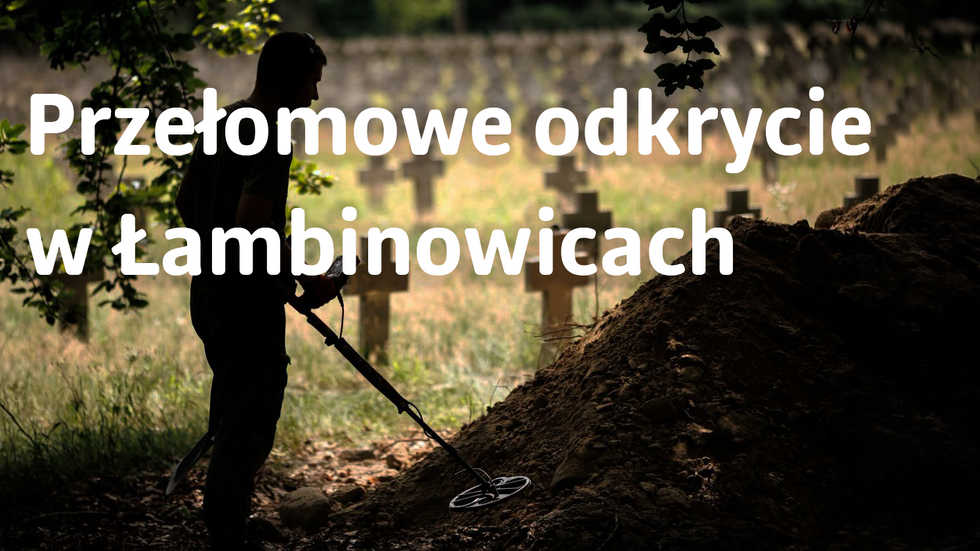
Archaeological research combined with field training for the University of Lodz archaeology students was conducted in the Kraków-Częstochowa Upland between 5 and 26 July 2026. The work took place…

An organisation submitting a challenge to Science Hub does not need to have a ready-made research problem or know how to solve it. It is enough to have a good understanding of its own reality and be…

Łódź spent many years struggling with the stereotype of a neglected, post-industrial city lacking the typical attractions associated with tourism. However, recent research shows that perceptions of…

Dr Tomasz Lachowski and Dr Mateusz Piątkowski from the Department of Public International Law and International Relations at UniLodz have completed a several-day research query in the Cieszyn Silesia…

In summer, it can take as little as a few dozen minutes for a calm blue sky to turn into a dark wall of clouds and for silence to be broken by thunder. Where do thunderstorms actually come from, how…

Pickling cucumbers may seem quite straightforward. First, the vegetables are placed in a jar, covered with water and salt, enriched with garlic, dill and spices, and then left to sit. Inside the jar,…

The most valuable scientific initiatives emerge at the intersection of diverse experiences, competencies and perspectives. Cooperation between universities, research institutes and institutions…

Artificial intelligence has become one of the most widely discussed topics of our time. For some, it is a symbol of progress; for others, a source of serious social, environmental and ethical…

I went to see The Odyssey with a dual identity: that of a cultural studies scholar, professionally sceptical of Hollywood adaptations of classics, and that of an ordinary viewer who simply wants to be…

Can you spend a summer evening under a star-filled sky, learn where “shooting stars” come from, and at the same time admire one of the most spectacular astronomical phenomena of the year? Absolutely!…

One day we are looking for shade and ways to survive temperatures approaching 40°C. A few days later, we are putting on jackets, sheltering from the rain and wondering whether summer is already over.…

The concluding academic year 2025/2026 has been an exceptionally busy period for the Polish Animation Research Group, operating at the University of Lodz. It has been a time of significant scholarly…

"It is not often that someone without an academic degree is awarded an OPUS grant. It is even rarer for such a person to secure one of the top two positions on the ranking list. Over the next three…

As part of Project P106, training sessions and field exercises on responding to CBRN incidents (chemical, biological, radiological and nuclear) were conducted for airport security personnel and…

A project carried out by researchers from the Faculty of Physics and Applied Informatics at the University of Lodz in collaboration with the Warsaw University of Technology has received more than PLN…

EU regulations are becoming a part of everyday business operations. Legal acts such as the CSRD, NIS2, DORA and the AI Act have either already entered into force or will do so in the coming years.…

Factories built of red brick and workers’ housing estates are the hallmark of our city. Another “brick city” lies underground – over 250 kilometres of brick-built collectors of various sizes and…

We are delighted to announce that Dr Anna Stępień from the Department of Invertebrate Zoology and Hydrobiology, Faculty of Biology and Environmental Protection, University of Lodz, has joined the…

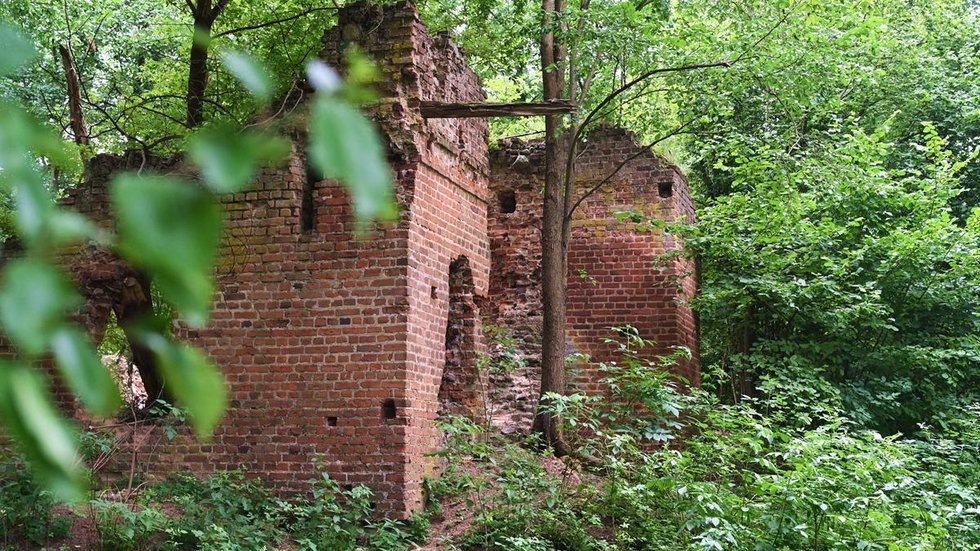
Summer is a particularly busy season for archaeological fieldwork. The ruins of a Renaissance fortified manor house in Mikorzyce, in Bełchatów County stand on a tree-covered mound surrounded by an old…

The Faculty of Physics and Applied Informatics at the University of Lodz has expanded its computing infrastructure with an AMD Radeon AI PRO R9700 graphics card featuring 32 GB of memory. The hardware…
We believe that development begins with curiosity and achieves its greatest impact through cooperation.
At UniLodz, we are convinced that there is no single path to personal and professional growth. That is why we offer a wide variety of educational opportunities: from BA and MA studies, through doctoral schools, to non-degree postgraduate studies, microcredentials and other forms of education.
Each of these pathways enables students to acquire knowledge, develop competencies and pursue their interests. We continuously advance modern teaching methods and maintain high standards of education, creating an environment in which people can learn, grow and share experiences throughout their lives.
Research and education complement one another. Research conducted at UniLodz expands knowledge and inspires new questions, while its findings are reflected in the educational process. Students and doctoral students can develop their academic interests, participate in research projects and actively contribute to the academic community.
UniLodz is a community of people, teams and units that create, develop and disseminate knowledge. Our strength lies in the diversity of disciplines, interdisciplinary cooperation and our commitment to addressing the key challenges of the contemporary world.
Knowledge develops through cooperation. We combine the potential of UniLodz with the experience of partners from Poland and abroad, including universities, research institutions, organisations, businesses and public-sector bodies.
Together, we conduct research, implement projects, develop innovative solutions and create opportunities for education and development.

Scientific research lies at the heart of every university. It enables us to discover, understand and change the world.
At the University of Lodz, we believe that knowledge is meaningful only when it is shared.
That is why our researchers, students and science communicators engage in hundreds of initiatives, ranging from podcasts and films, through the organisation of and participation in open lectures, meetings in libraries and museums, to science festivals, exhibitions, competitions and projects addressed to schools. Together, we are creating a space where everyone, regardless of age or experience, can encounter science in person, directly and first-hand.
In 2015, to celebrate the University’s 70th anniversary, we established the Prof. Tadeusz Kotarbiński Award of the First Rector of the University of Lodz, granted for an outstanding work in the humanities.
The Award brings together an exceptional nationwide community of humanities scholars whose work will help define the future development of the field.